Wire Harness Protection Products: An Overview
Wire harness protection products cover a broad range of sleeving, conduit, tubing, and tape solutions designed to protect electrical cables in demanding industrial environments. From automotive assembly lines to solar energy installations, these materials guard against abrasion, heat, vibration, moisture, and electromagnetic interference. The challenge for most procurement teams is not sourcing wire protection—it is identifying the right products for the specific operating conditions of each installation.
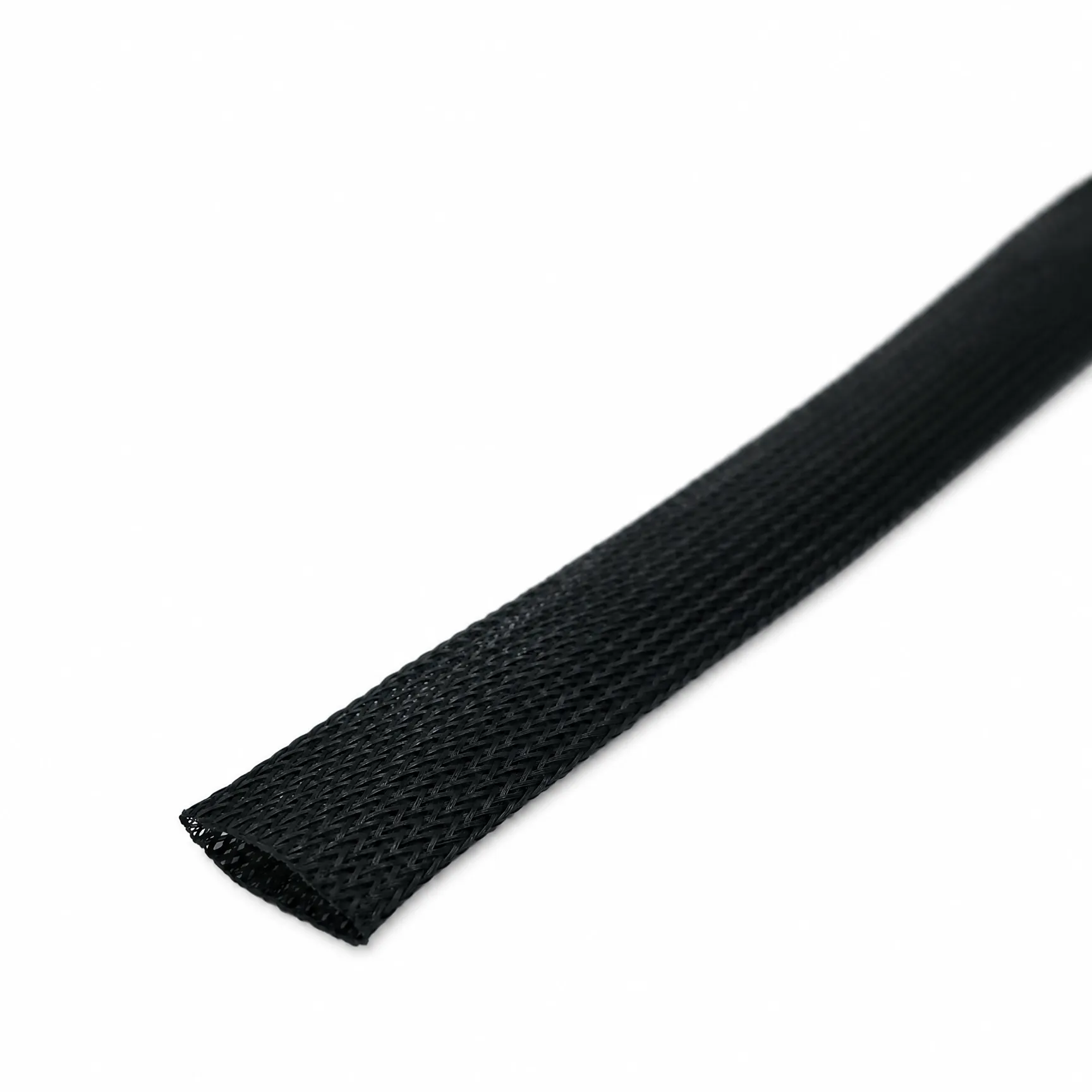
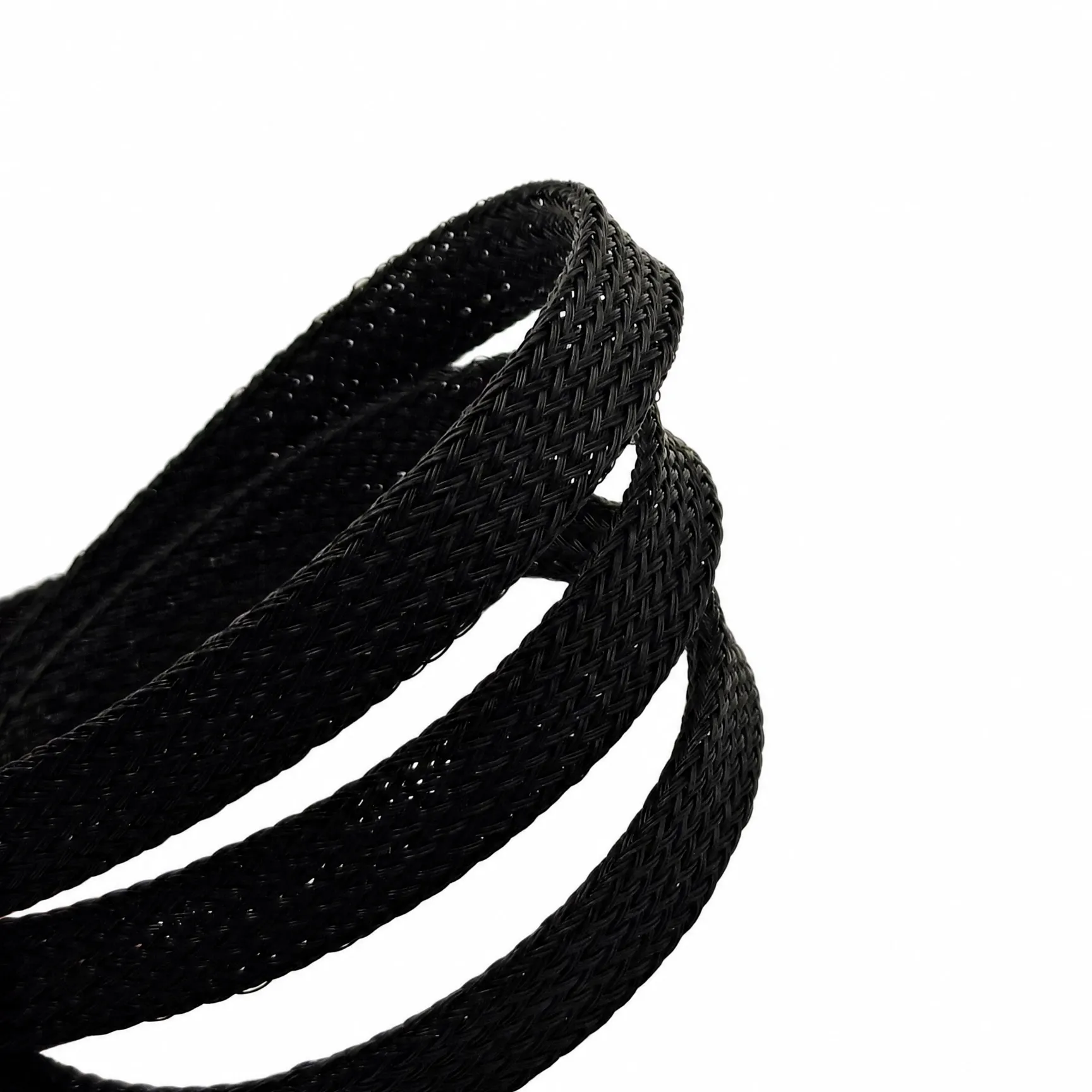
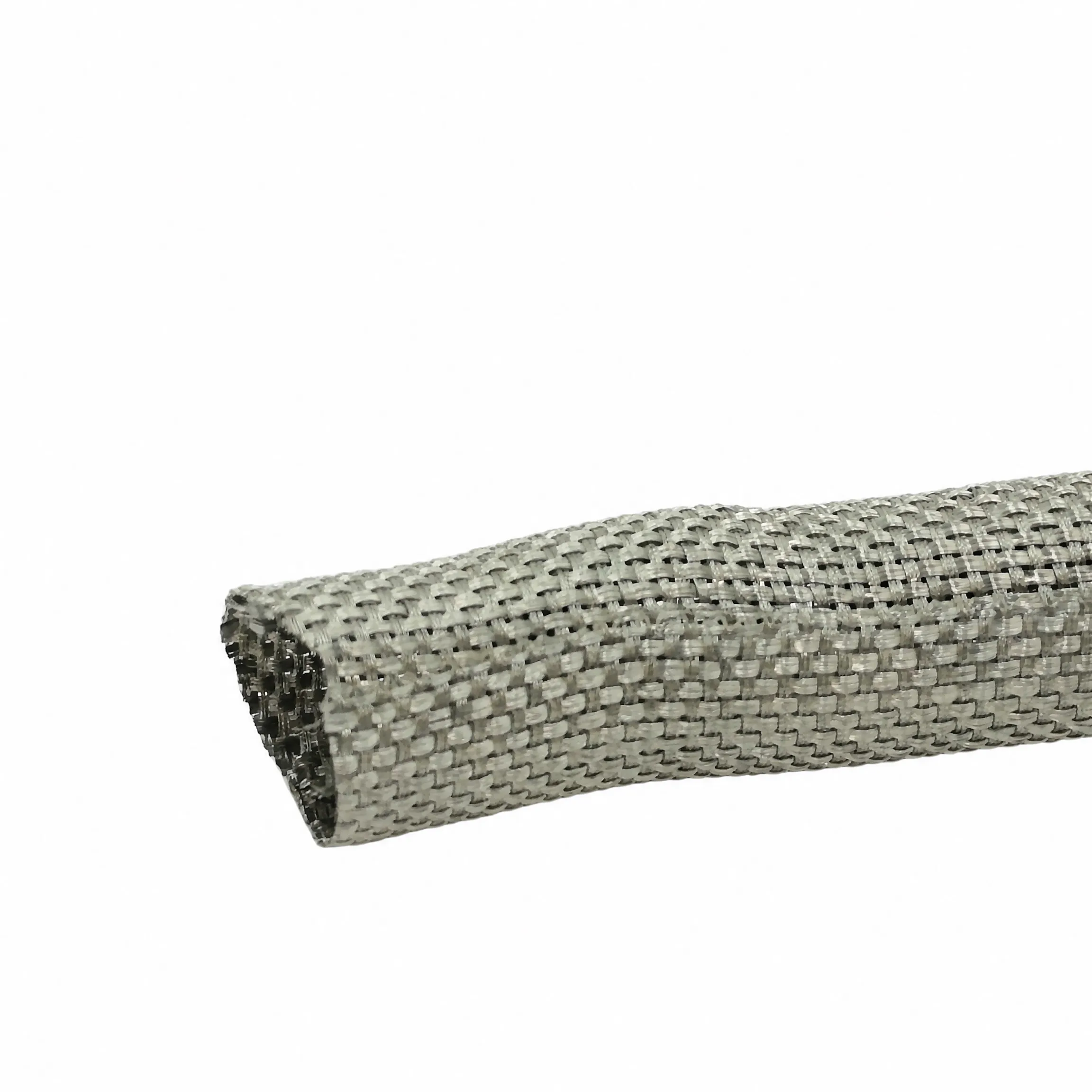
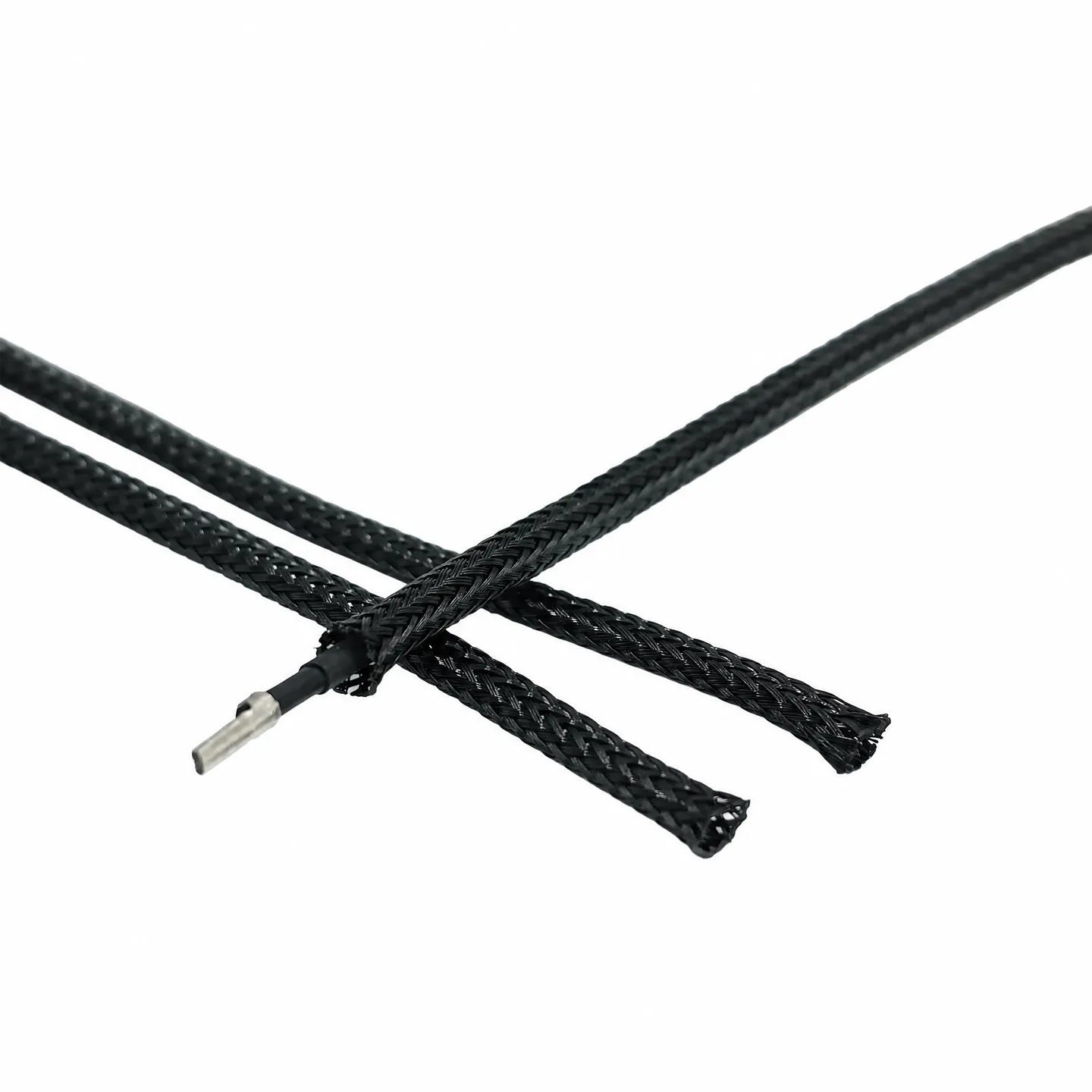
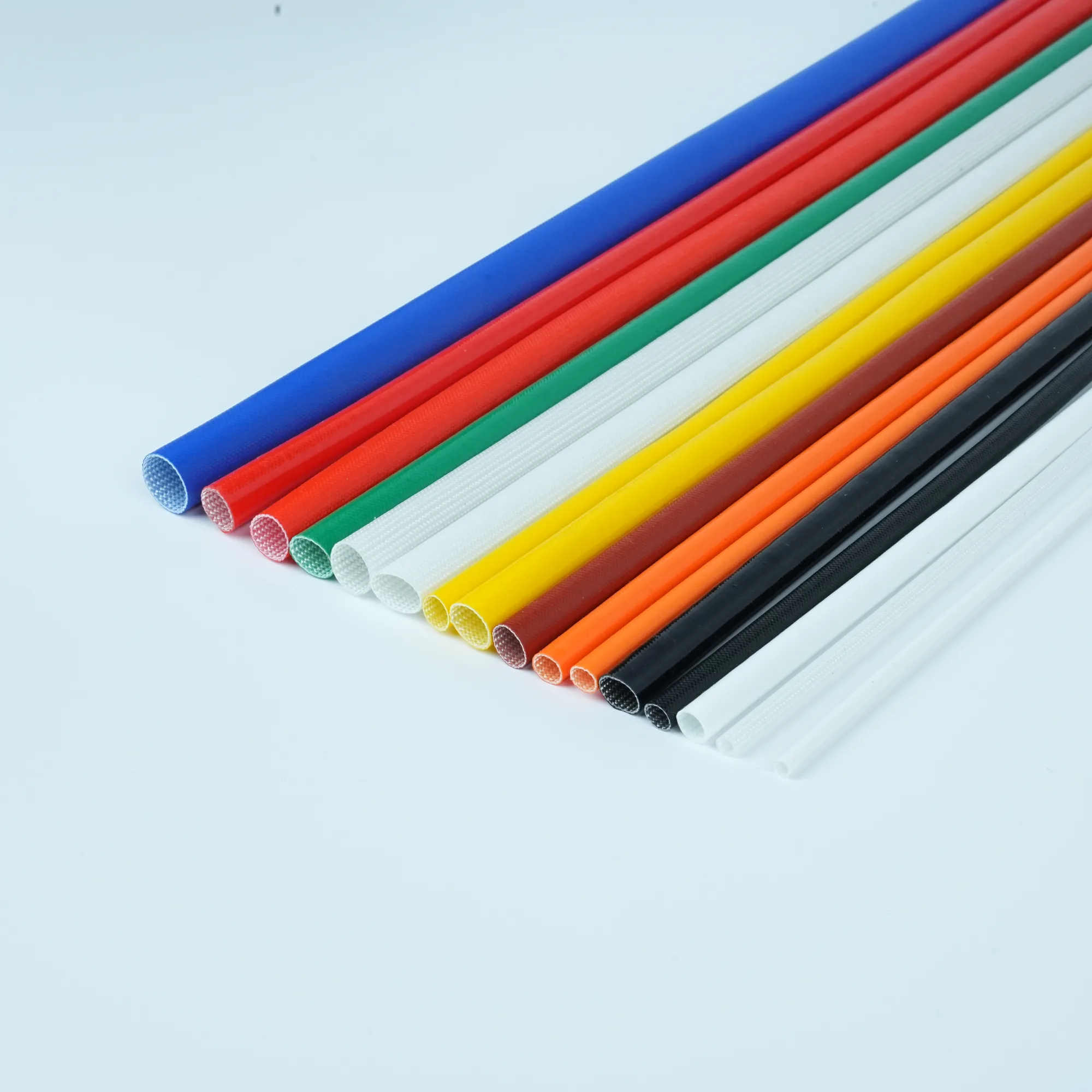
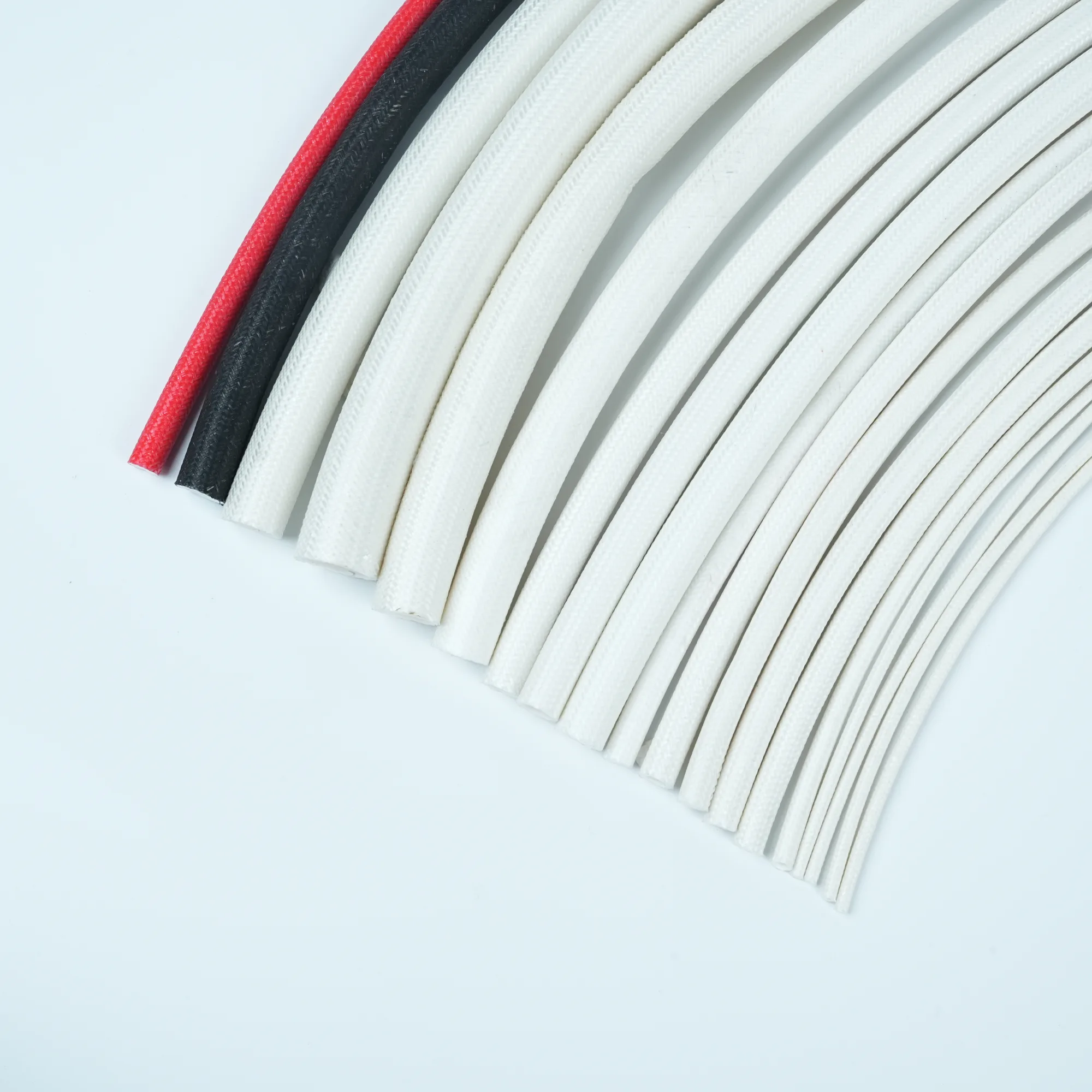
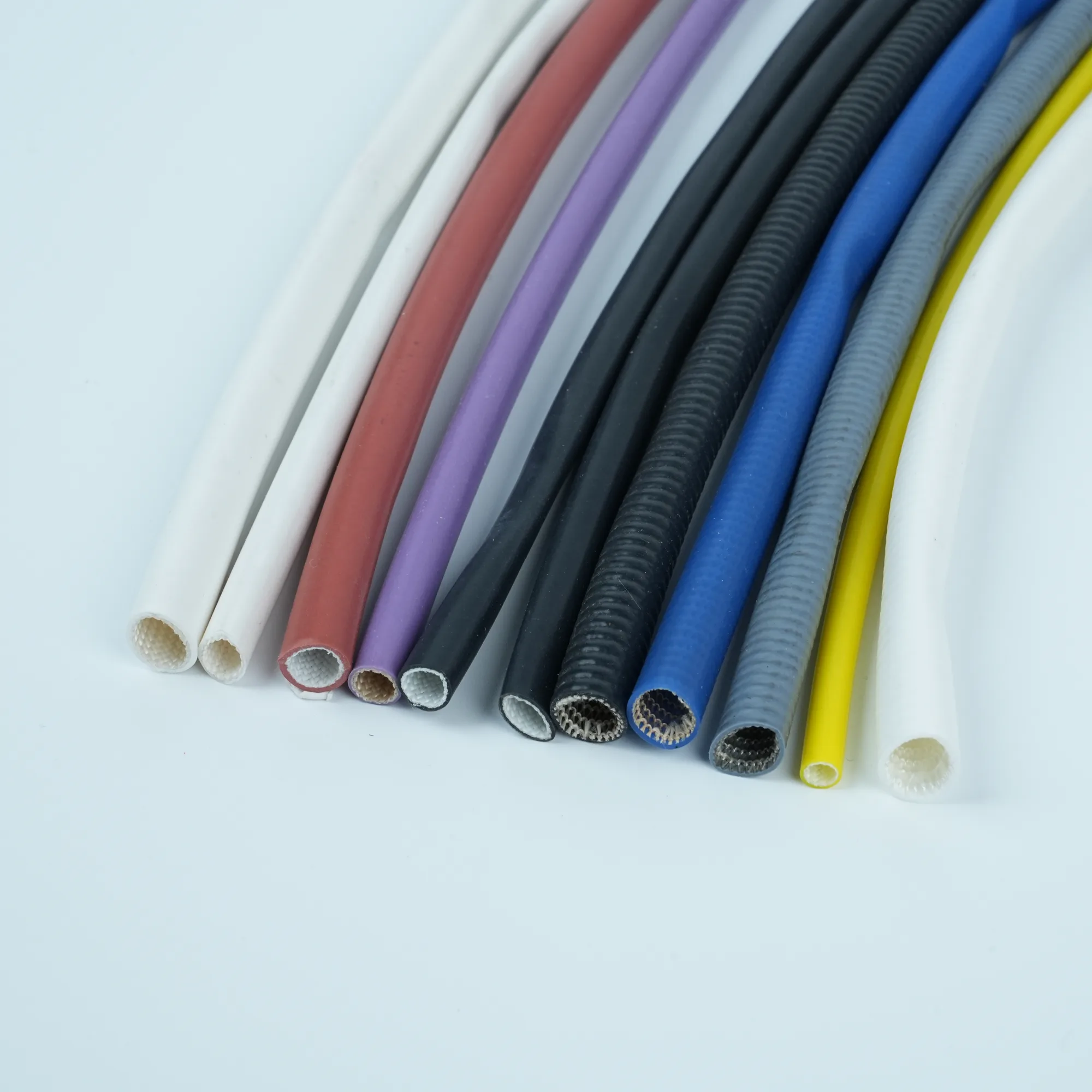
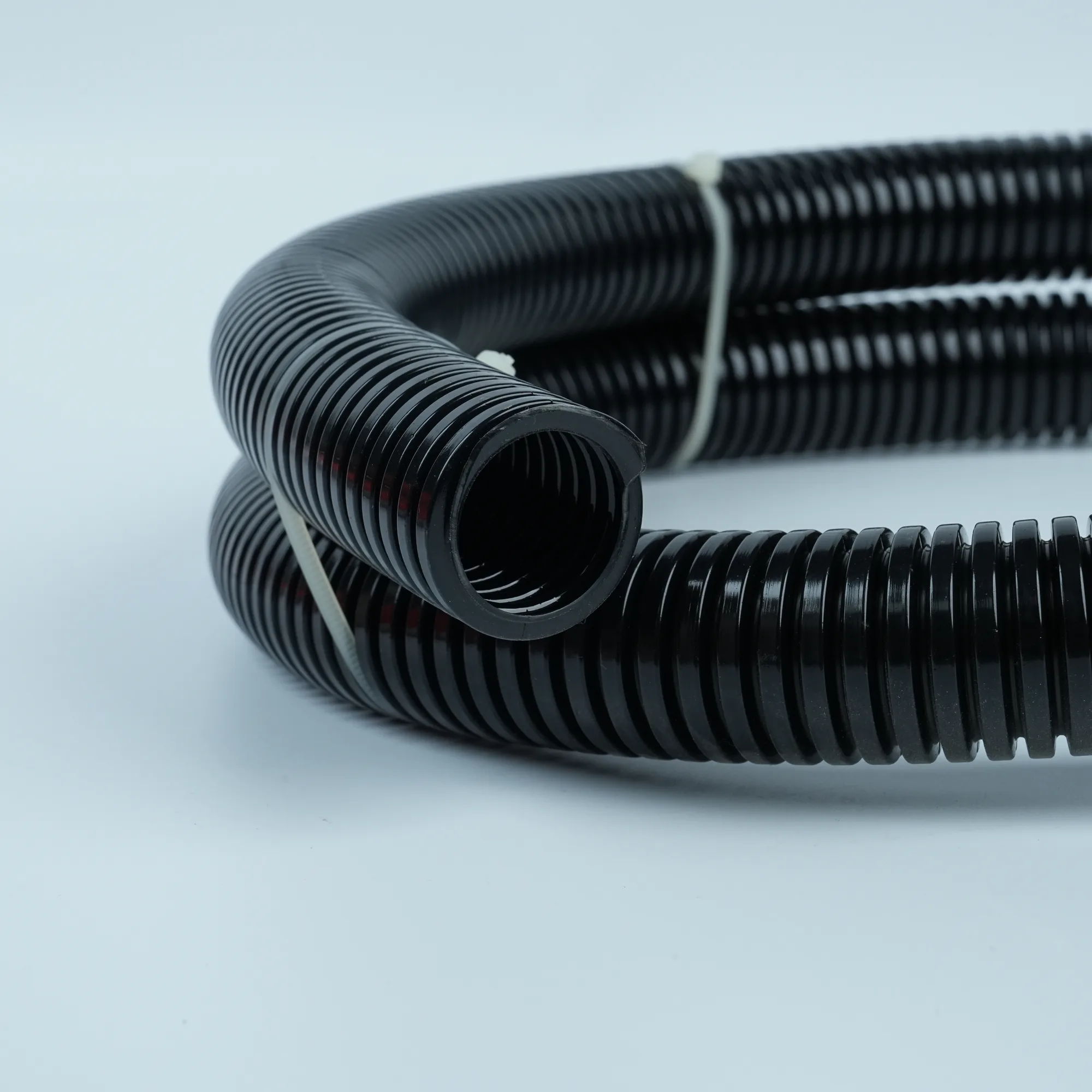
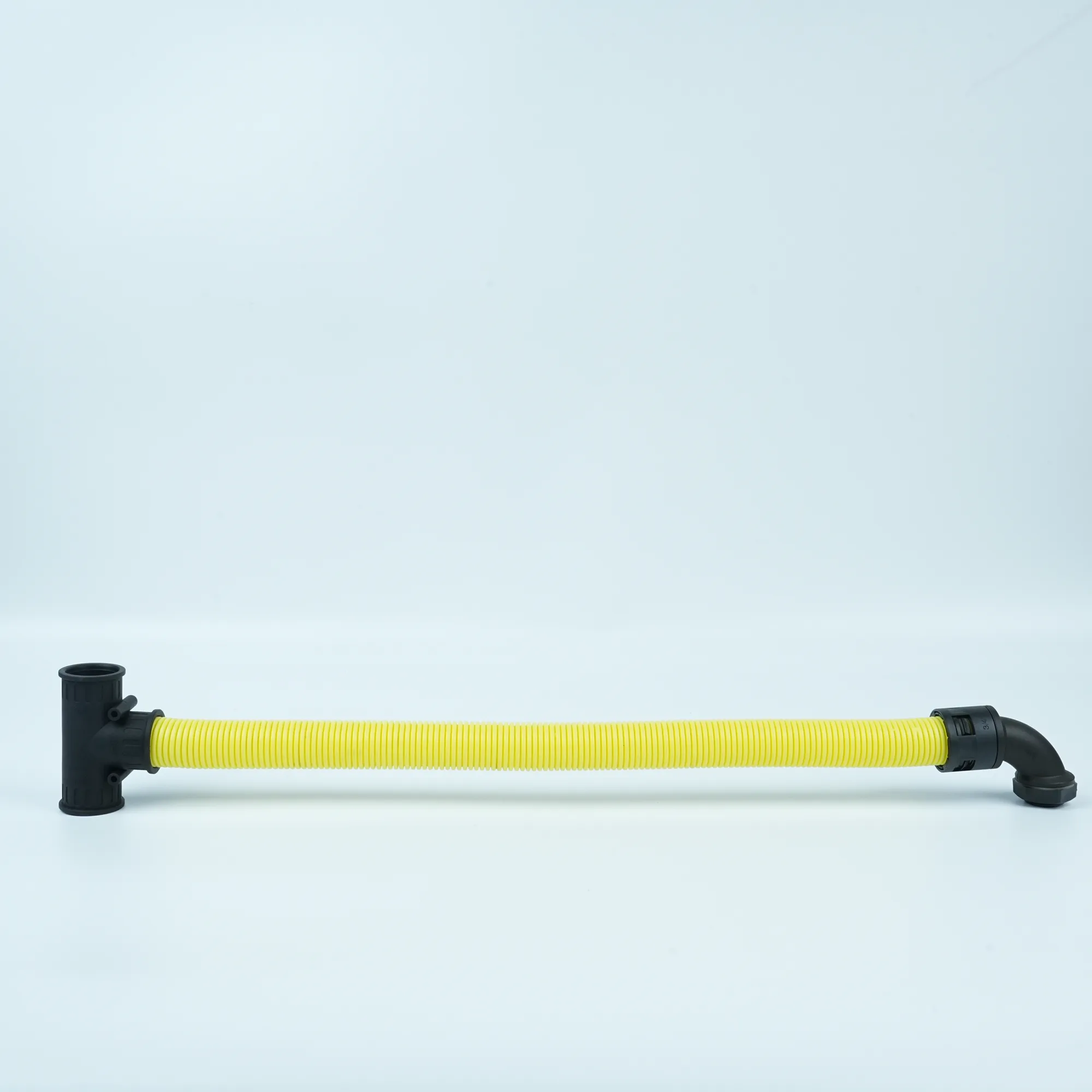
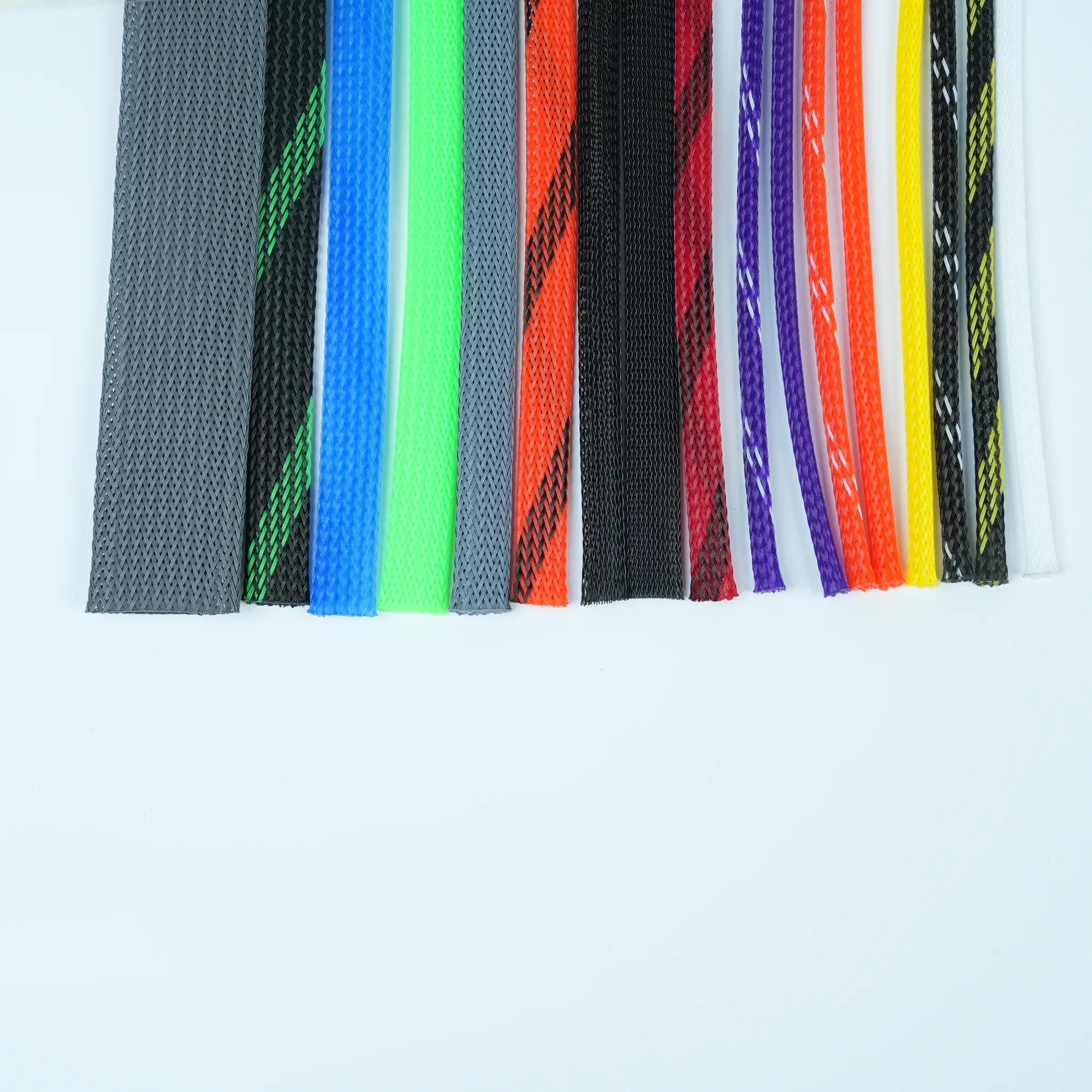
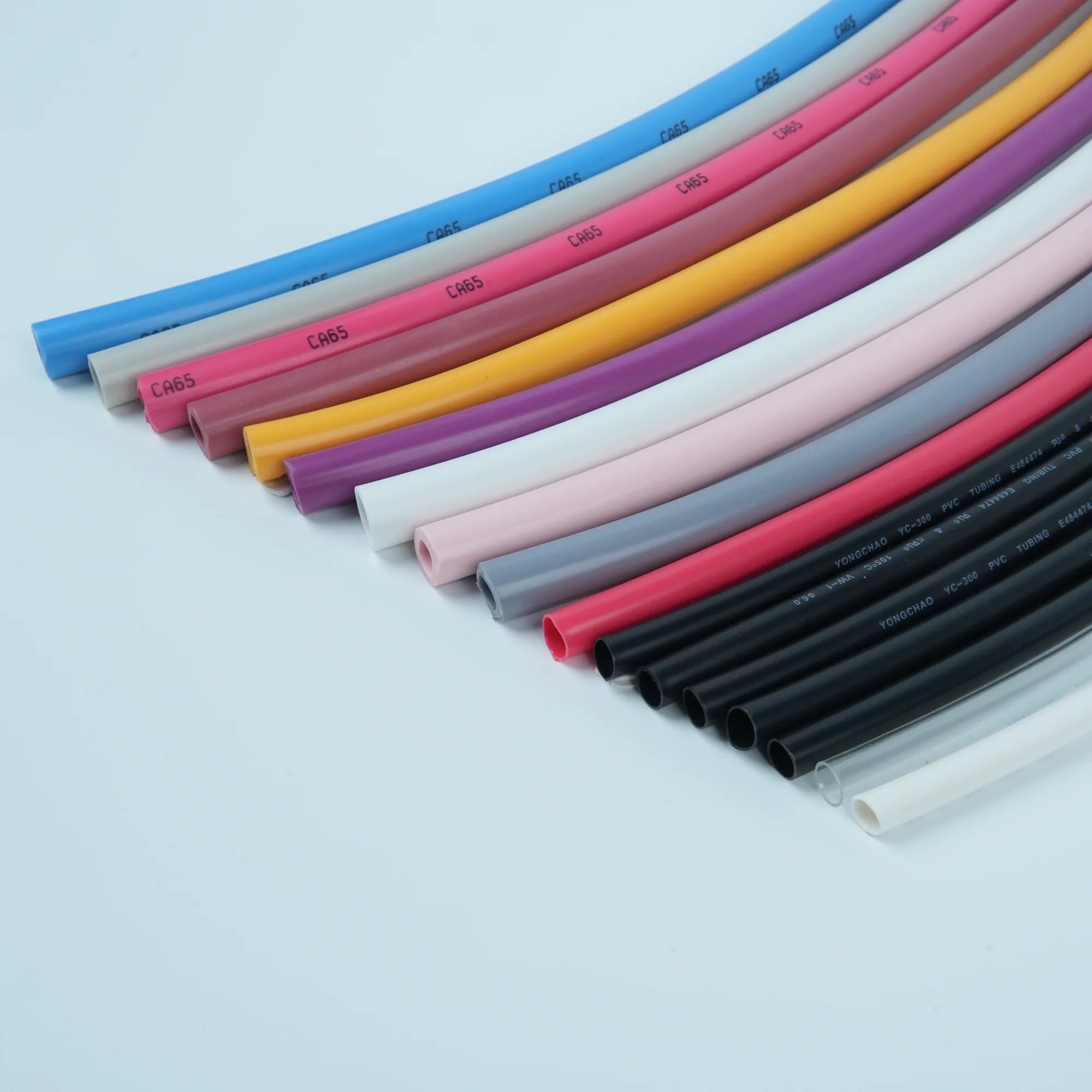
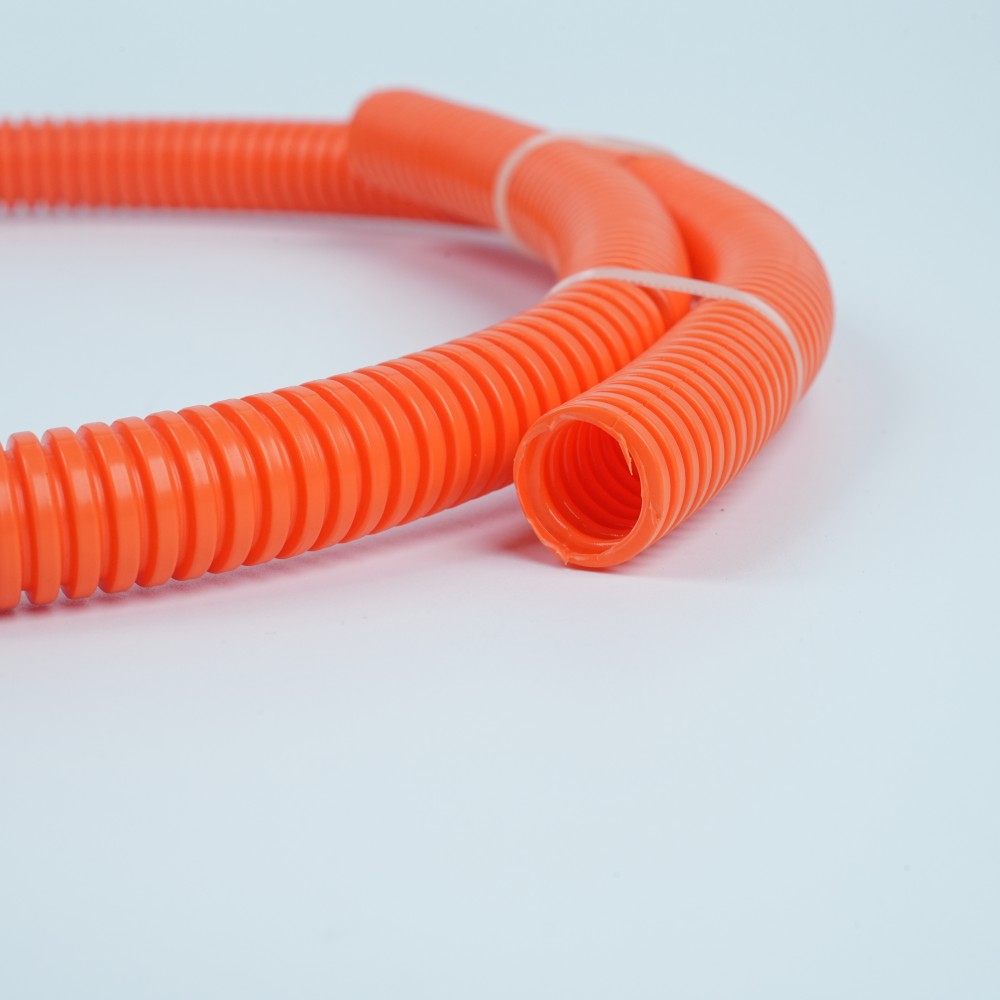
The range spans multiple material types: braided sleeving in PET, PPS, and fiberglass; corrugated conduit in PA nylon and PP; silicone fiberglass sleeve options; aluminum foil and copper foil wrap solutions; non-shrinkable PVC tubing; and acetate cloth tape. Each category of wire harness protection products has a distinct performance profile suited to different installation conditions. Understanding those differences is the foundation of sound procurement decisions when selecting products from this range.
Key Characteristics of Wire Harness Protection Products
Products in this category vary significantly in material, structure, and protection function. Reviewing the characteristics of available products helps buyers narrow the selection to the specific items that match their operating environment:
Material Diversity: Available products span thermoplastic polymers (PA, PP, PVC, PET), high-performance materials (PPS), and fiber-reinforced composites such as silicone-coated fiberglass. Each material class delivers different temperature, chemical, and mechanical performance. PPS-based products, for example, maintain dimensional stability and chemical resistance at elevated temperatures where standard PET materials would lose structural integrity.
Structural Variety: Wire harness protection products are available in expandable braided sleeving, corrugated conduit, self-closing wrap, and flat tape formats. Solutions designed for pre-terminated harnesses use a self-closing or split structure; items intended for new assembly designs can be threaded before termination, providing a more complete enclosure. Selecting the correct structural format is as important as selecting the right material when evaluating these products.
Flame Retardancy: Many products in this range carry documented flame-retardant ratings. PA and PP corrugated conduit products are rated UL94 V-2. Silicone fiberglass sleeve solutions are self-extinguishing and suited to environments where standard polymer materials would not satisfy safety requirements. Confirming the required flame class before ordering specific products prevents qualification failures.
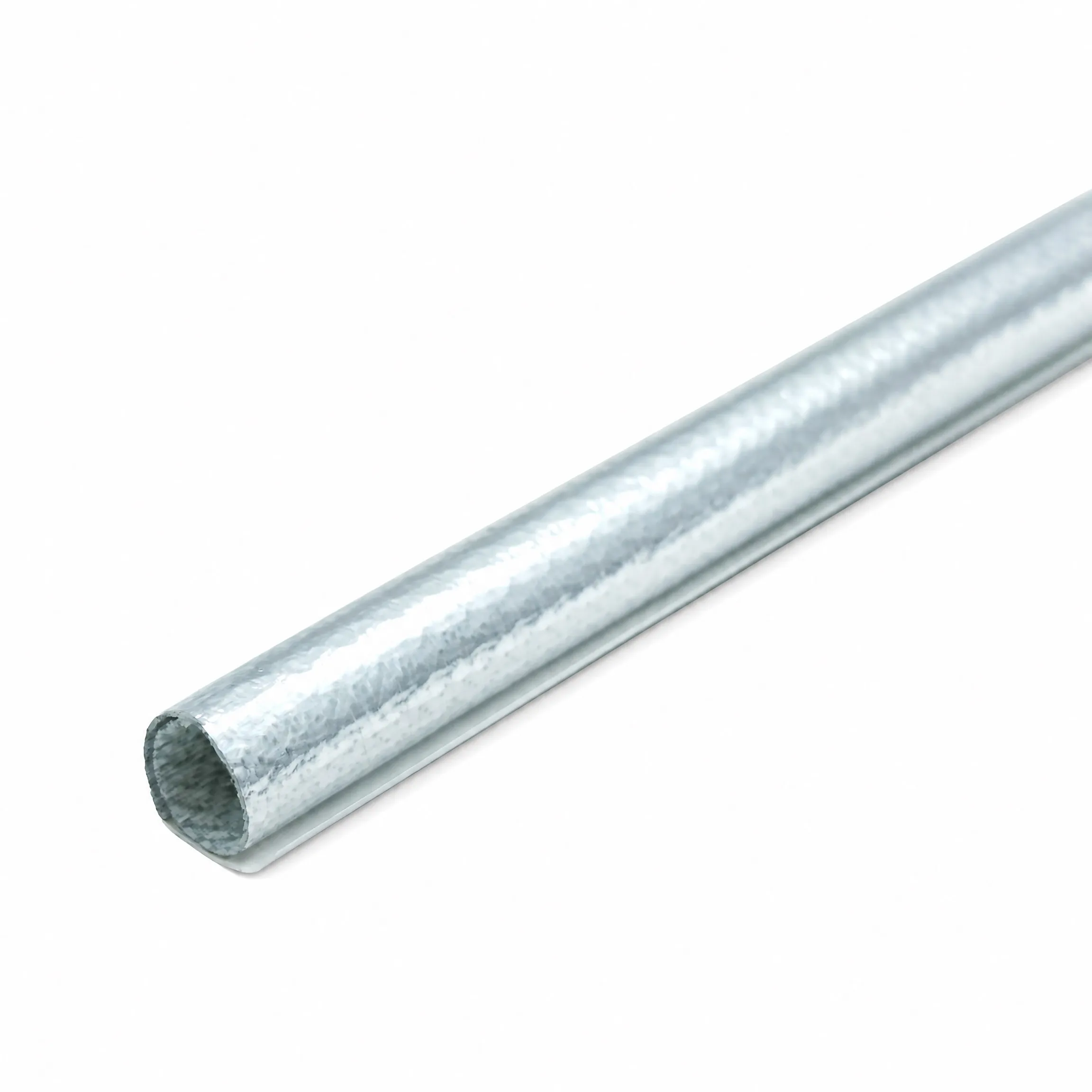
Specialized Protection: Certain products address hazards beyond mechanical protection. Tinned copper foil self-closing wrap provides electromagnetic shielding for signal-sensitive cable runs. Aluminum foil fiberglass wrap blocks radiant heat from industrial or automotive heat sources. Silicone fiberglass fire-proof products are rated for extreme thermal environments where standard polymer solutions are insufficient.
Compliance Direction: Products in this range are designed with materials aligned to RoHS and REACH compliance directions. For buyers supplying regulated markets—automotive OEMs, home appliance brands, or industrial equipment manufacturers—requesting compliance documentation at the inquiry stage prevents downstream qualification delays when ordering these products.
Common Applications for These Products
Wire harness protection products serve a wide range of industries, each with distinct installation environments and protection requirements:
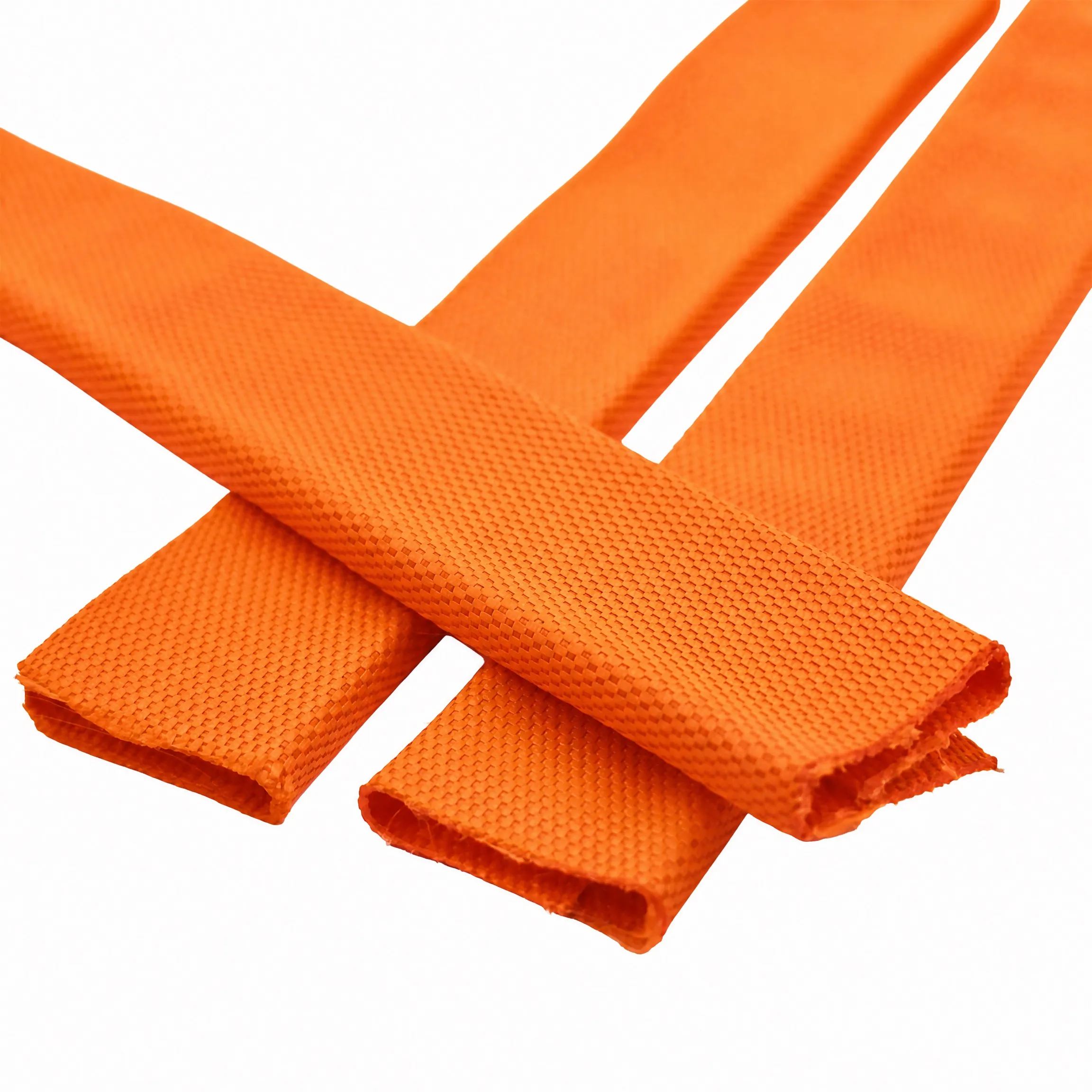
Automotive Wire Harness: PA nylon corrugated conduit products and PP flame-retardant conduit tubing are widely specified for routing wire harnesses in engine compartments, chassis zones, and door modules. The corrugated structure delivers flexibility and crush resistance; flame-retardant grades of these products address safety requirements in high-temperature zones. For electric vehicle applications, aluminum busbar wrap products protect high-voltage busbars in charging systems, with orange-coded identification that aids assembly and maintenance of high-voltage circuits. Acetate cloth tape is commonly used for bundling automotive wire harnesses in assemblies that require low-odor, low-VOC performance.
Industrial and Electrical Equipment: Silicone glass fiber sleeving products and silicone rubber glass fiber sleeve options—with silicone rubber on the inside and fiberglass on the outside—are used in motors, electrical heating equipment, and high-temperature industrial wiring. PPS braided sleeving products offer chemical resistance and dimensional stability in demanding enclosures where standard polymer materials degrade prematurely.
Home Appliances: Non-shrinkable PVC tubing products rated at 60°C, 75°C, and 90°C provide standard insulation for appliance wiring. These materials offer acid resistance and stable performance across the temperature range typical in household and commercial appliance production. Acetate cloth tape is also used for appliance harness bundling where clean, low-odor installation is required.
Solar Energy and Energy Storage: Aluminum foil fiberglass wrap products support cable protection in photovoltaic installations, shielding cables from radiant heat with a self-adhesive open structure that simplifies field assembly. Fiberglass-based products with appropriate flame-retardant ratings are also used inside energy storage battery cabinet enclosures, providing cable protection where elevated fire safety requirements apply.
How to Select the Right Products
When evaluating wire harness protection products from this category, a common starting point is comparing specifications—wall thickness, outer diameter, and rated temperature—across available options. What determines whether products perform reliably in service is how well the material properties match the real operating conditions, not the margin between nominal ratings and application requirements. Products rated significantly above application needs add cost without improving outcomes; options rated below requirements introduce early failure risk regardless of their initial price advantage.
A reliable selection process for products in this category starts with three criteria:
Primary Hazard: Identify whether protection is primarily needed against abrasion, heat, vibration, EMI, or moisture. Matching protection products to the dominant hazard type produces better long-term results than defaulting to all-purpose options. Items optimized for abrasion resistance differ structurally and materially from products designed for thermal insulation or electromagnetic shielding.
Installation Method: Products designed for pre-terminated assemblies require a side-entry structure. Options intended for new cable runs can be threaded before final termination. Selecting protection products that do not match the installation method creates rework costs that outweigh any per-unit price advantage.
Target Market Compliance: Products for automotive supply chains require specific flame ratings and documented material compliance. Wire harness protection products for home appliance manufacturers supplying regulated export markets require materials aligned with applicable safety directions. Confirming compliance requirements before sampling prevents re-qualification costs after initial testing.
For procurement teams managing cable protection requirements across multiple assembly zones, using identical products throughout all zones typically leads to over-specification in lower-risk areas and adds unnecessary cost. Tiered selection—matching protection products to actual zone risk—achieves a better balance between material cost and performance, provided the selection logic for these products is documented and applied consistently across projects.
Why These Products Matter for Industrial Buyers
Wire harness protection products are high-frequency consumables across automotive, home appliance, photovoltaic, and energy storage manufacturing. Because the range of products is wide and differences between available options are not visible from external inspection, technical guidance during product evaluation significantly reduces the risk of mismatched specifications leading to early failures. Buyers who work through a product catalog without guidance on which specific products fit their installation conditions tend to default to familiar choices, which may not deliver optimal technical outcomes.
For buyers managing procurement across multiple wire harness protection product types, sourcing from a supplier whose catalog covers corrugated conduit, braided sleeving, heat-resistant sleeve solutions, and bundling tape reduces the number of qualified vendors to manage. Fewer vendor relationships mean fewer qualification processes, fewer purchase orders, and simpler coordination when a quality issue requires investigation across multiple items. This consolidation benefit is particularly relevant for teams managing high-SKU auxiliary material inventories, where uneven stock levels across many protection products from different suppliers create recurring operational challenges.
One practical note for buyers placing first-time bulk orders on wire harness protection products: qualification sample results do not guarantee production batch consistency. Dimensional tolerances, material uniformity, and mechanical performance can vary between initial samples and production batches if process controls are not maintained by the supplier. Establishing clear incoming inspection criteria before committing to volume orders on these products—covering key parameters such as dimensional tolerances and basic mechanical integrity—is a standard risk management step that reduces disputes and supply chain disruption across multiple order batches.

 KO
KO