Technical Product Overview
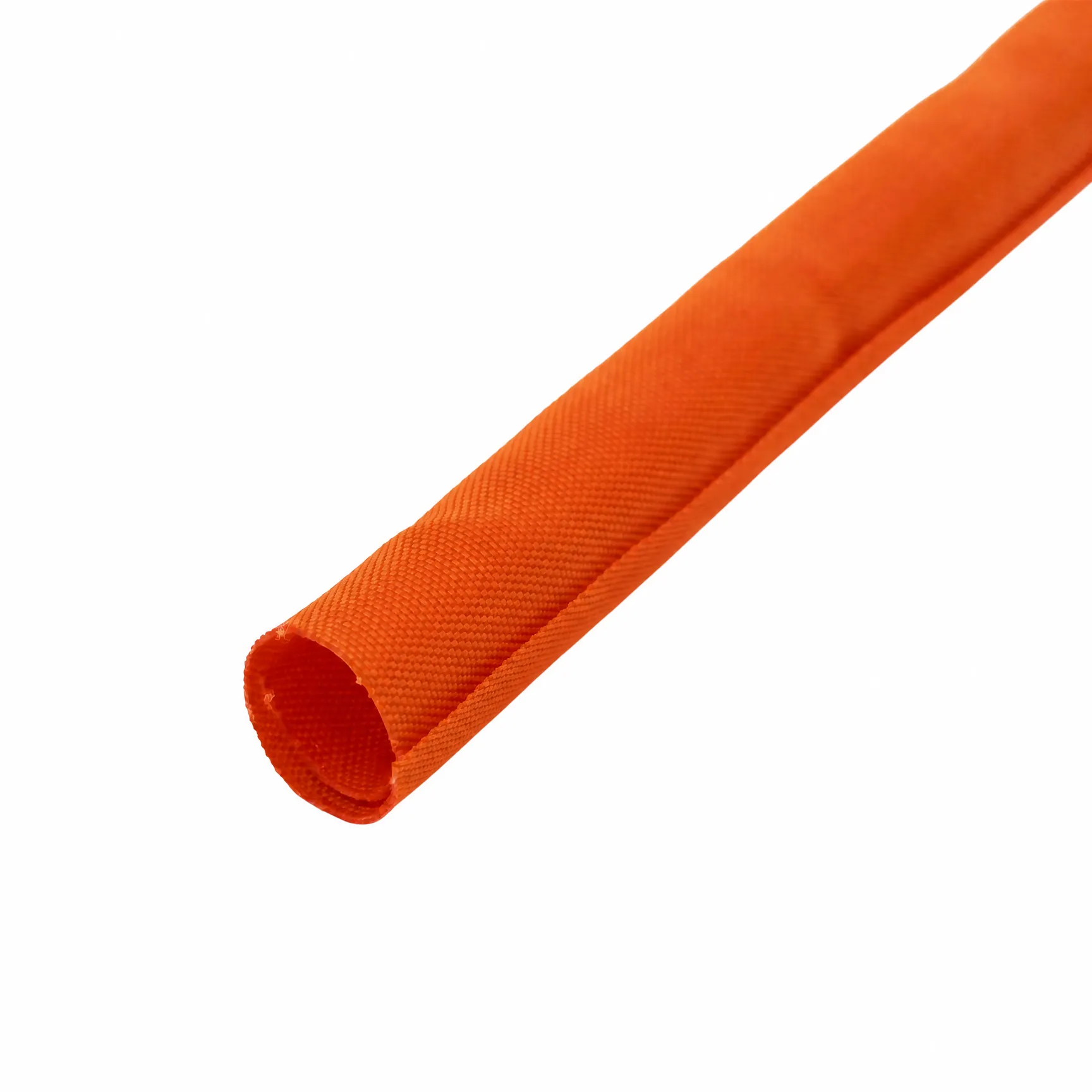
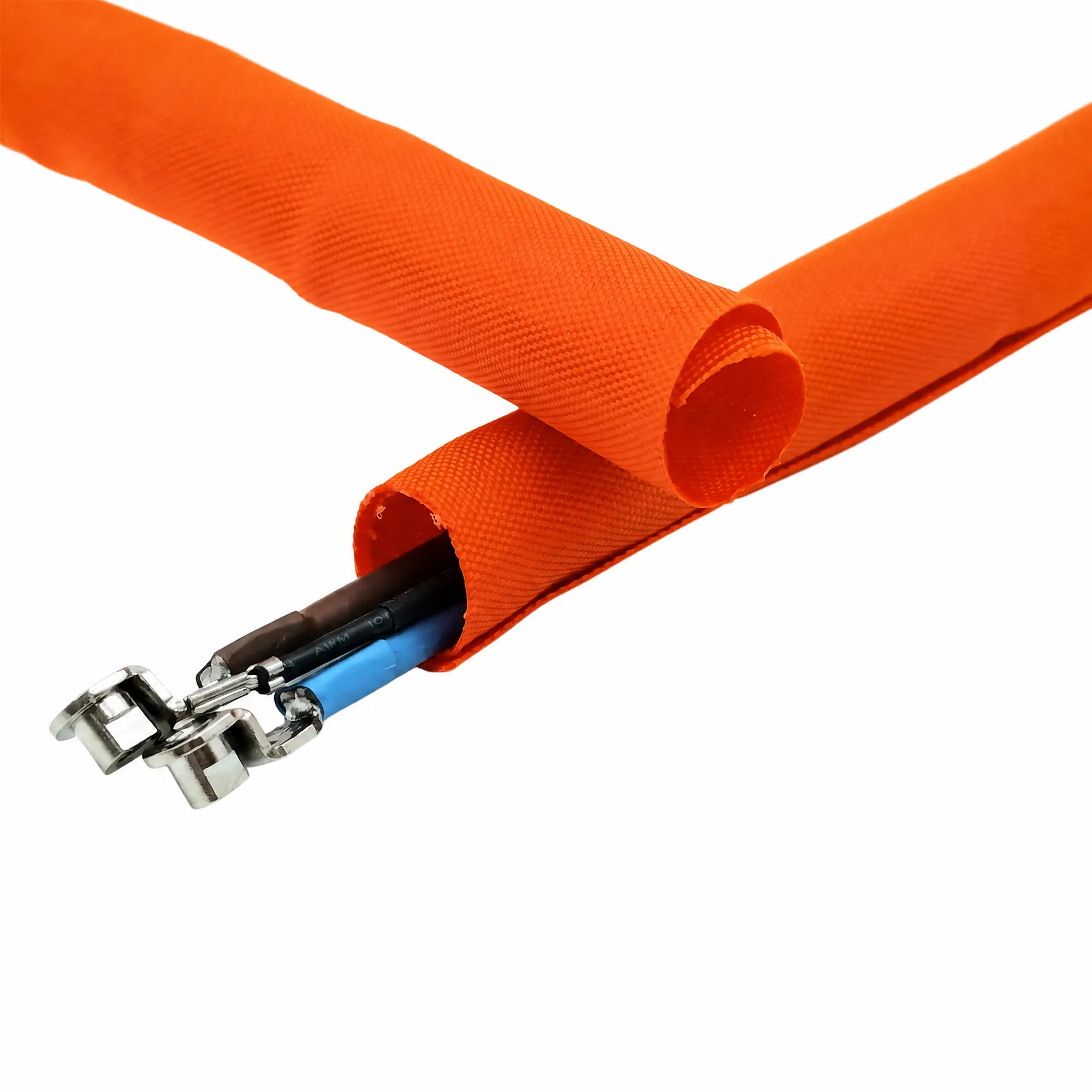
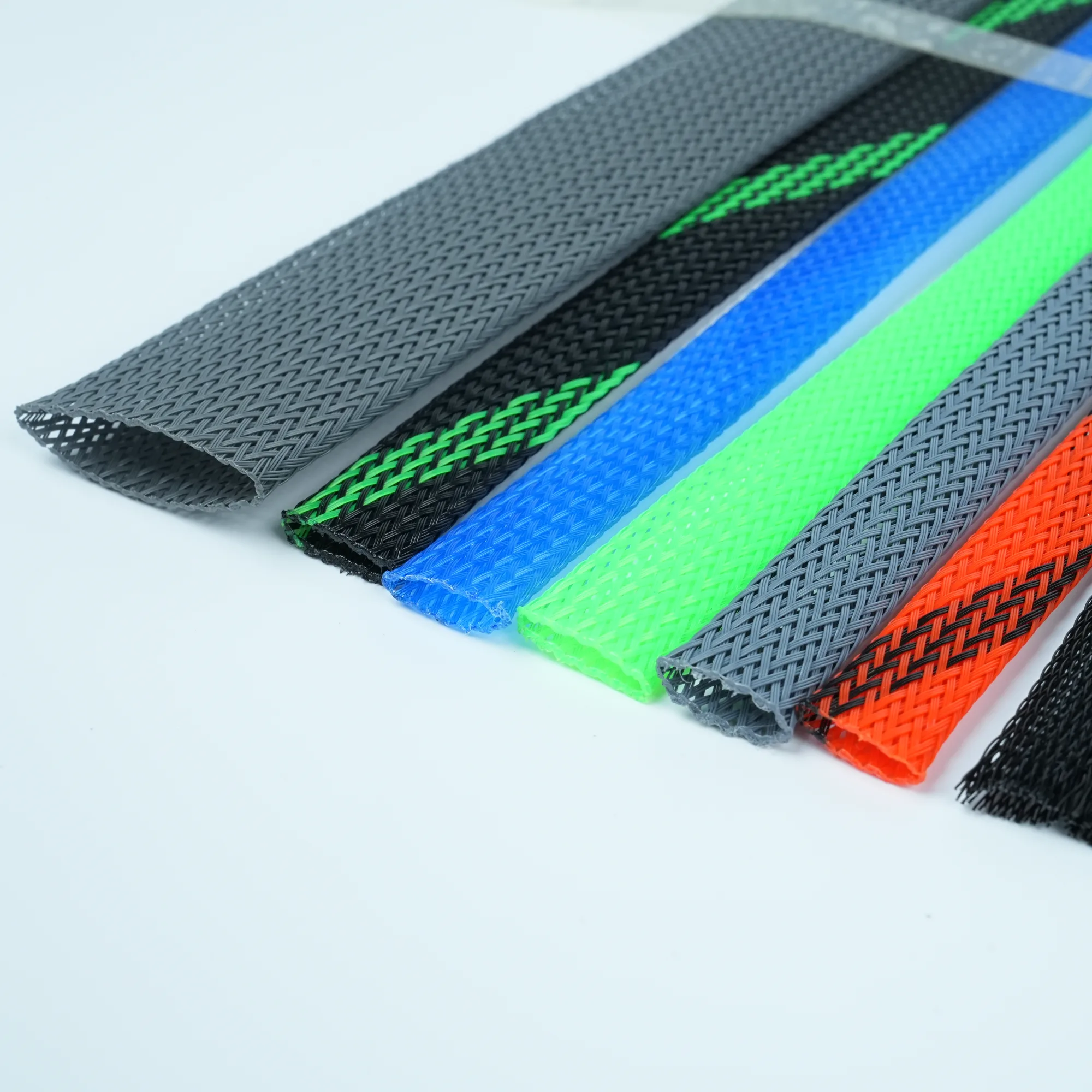
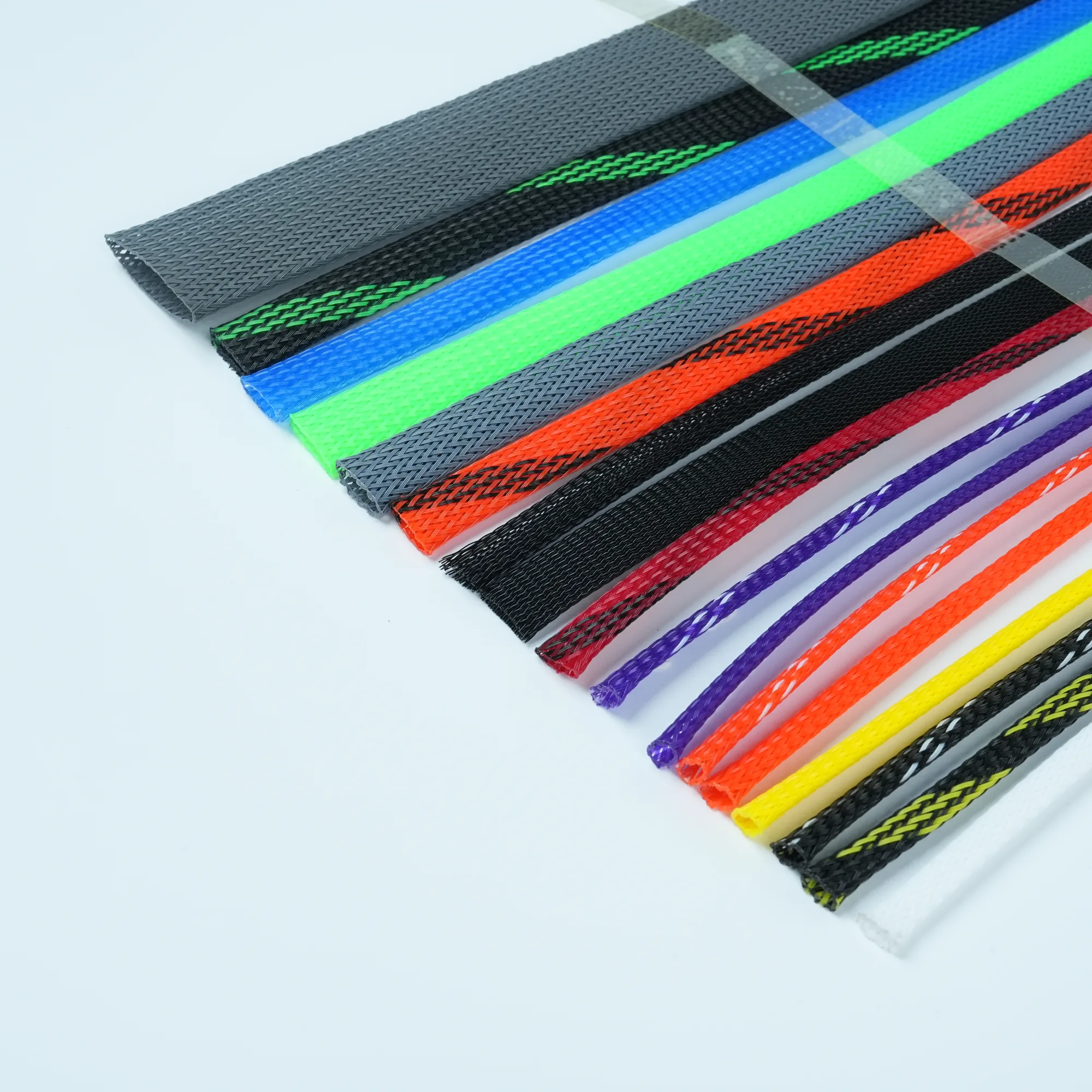
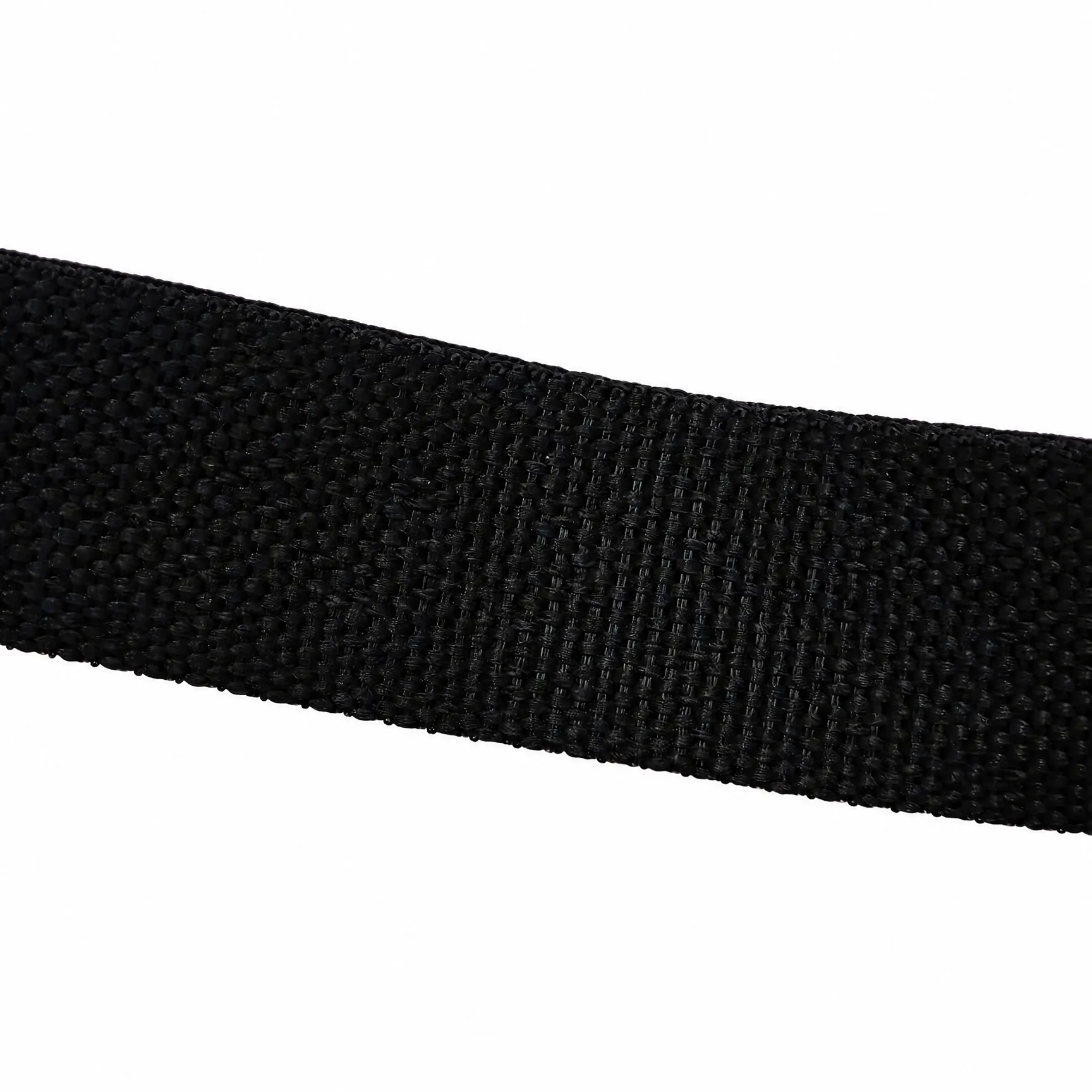
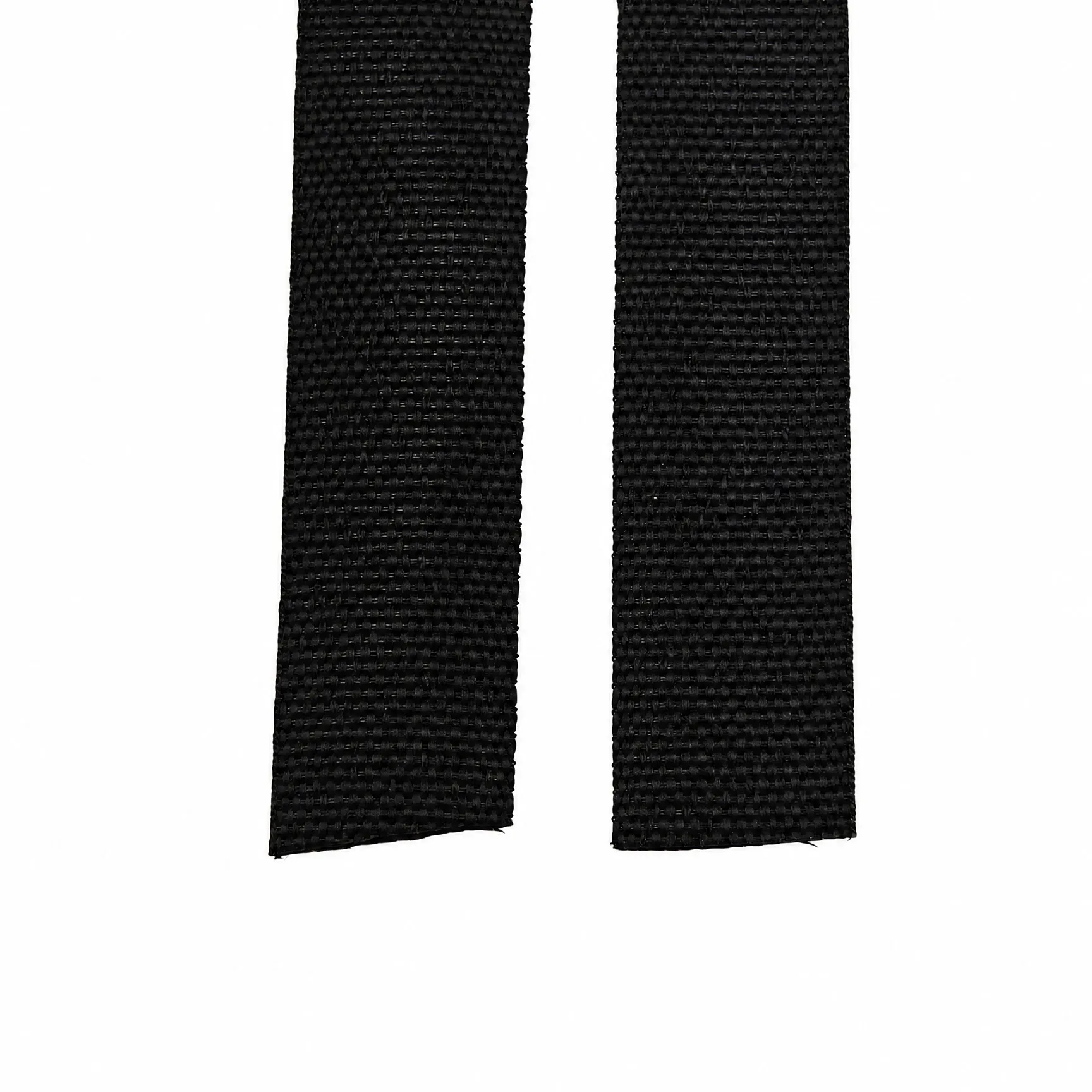
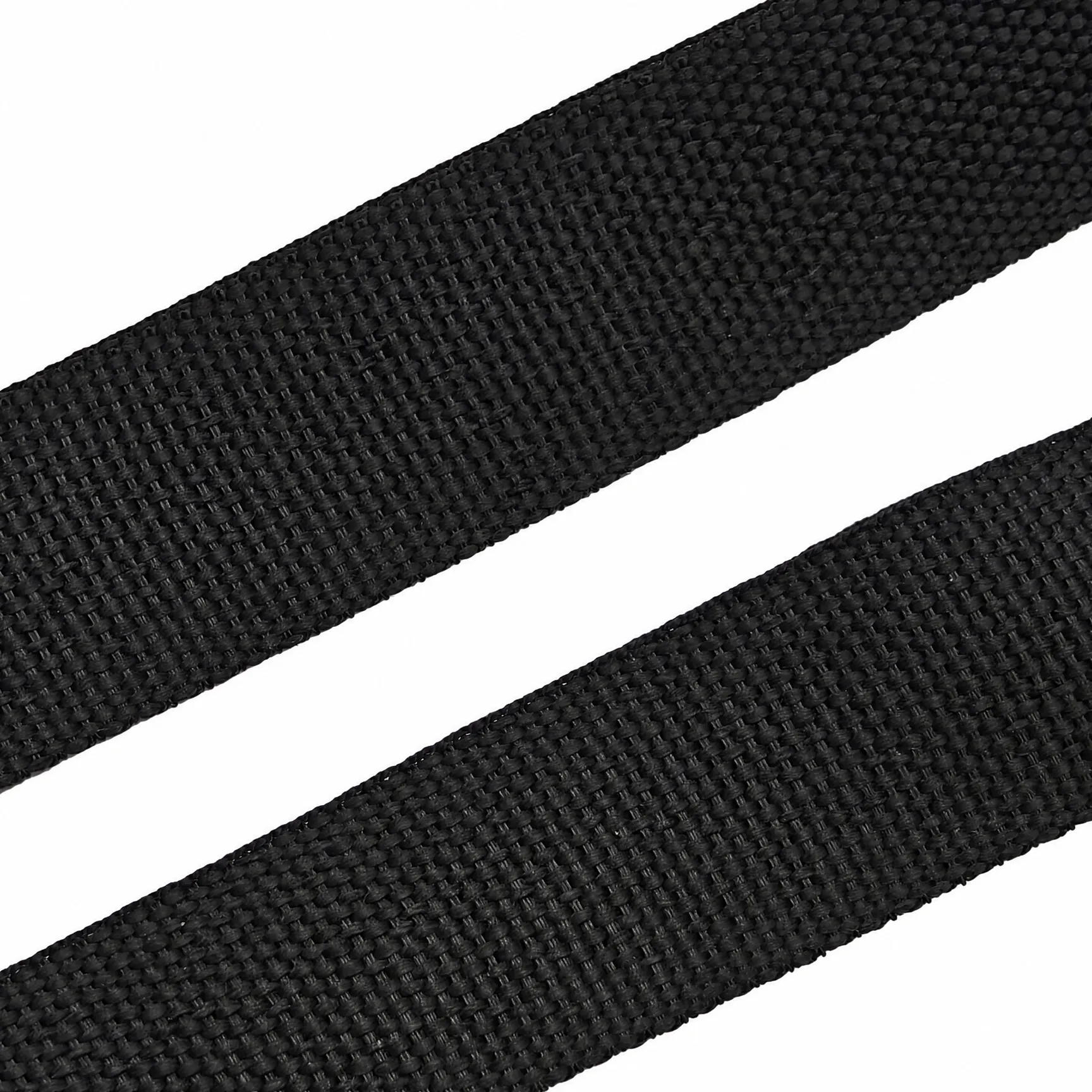
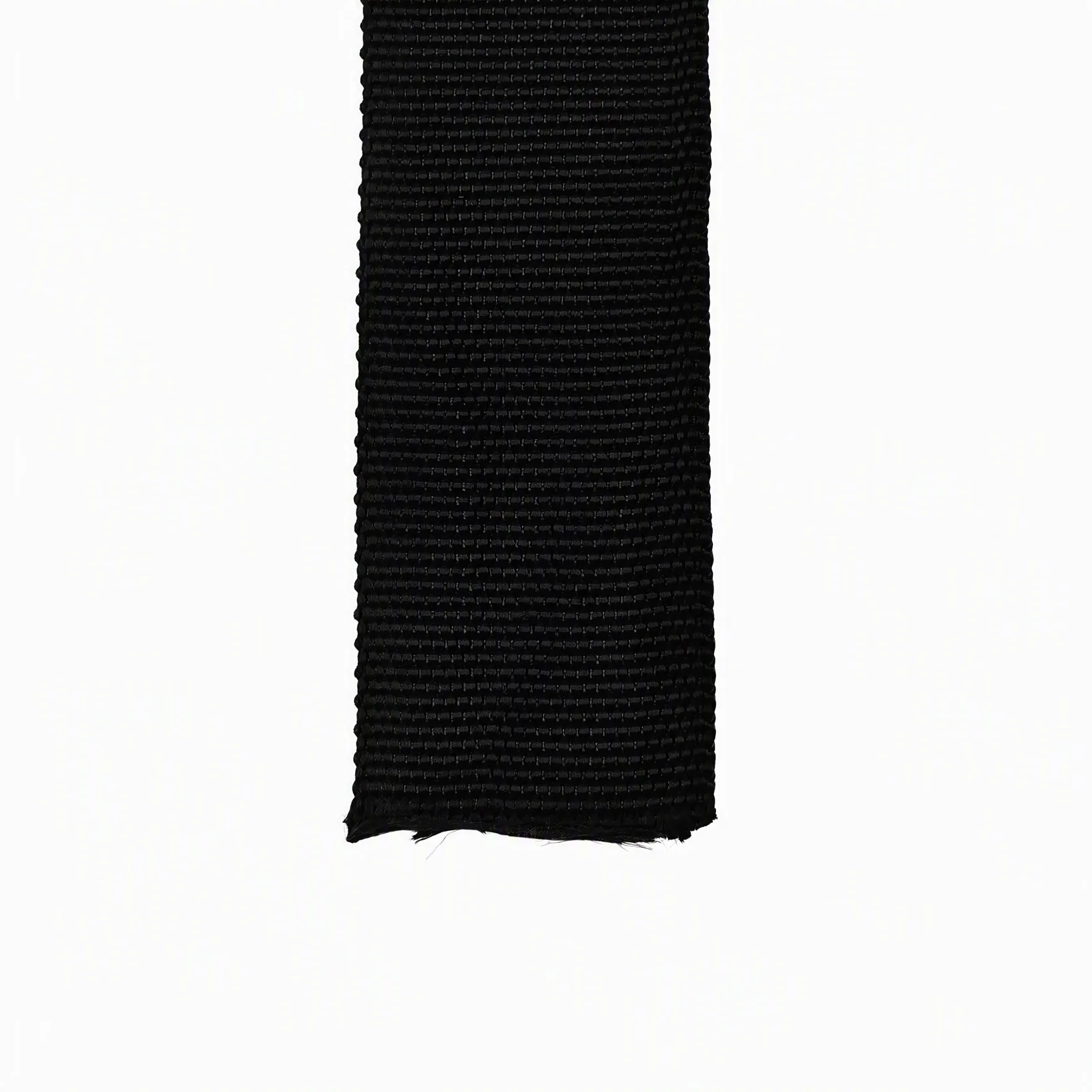
Heat Shrink Textile Sleeving-CR-BS-8001 protects irregular automotive hose routing effectively.
Heat Shrink Textile Sleeving-CR-BS-8001 follows changing hose profiles during installation.
Heat Shrink Textile Sleeving-CR-BS-8001 uses PET fiber and PE shrinkable yarn.
Heat Shrink Textile Sleeving-CR-BS-8001 is intended for automotive pipeline protection applications.
Heat Shrink Textile Sleeving-CR-BS-8001 should match the actual protected component diameter.
This woven sleeve combines protective textile construction with heat activation. Its stated working temperature range extends from minus forty through 125°C. The supplied information identifies GB 8410-2006 flame-retardant testing for automotive interiors. Abrasion testing is listed as TL52668-A with at least 144000 cycles. These values should remain project-specific verification inputs, not universal guarantees. PE heat-shrinkable yarn enables closer contact around irregular outside surfaces. PET fiber contributes the stated flexible and lightweight material construction. The product description identifies automotive pipelines as a primary application. Rubber hoses with changing diameters need sizing across their maximum section. Vibration can concentrate wear where routed components contact supporting brackets. Assess tight bends because contact conditions can differ along one route. Do not assume a protective sleeve provides sealing or dielectric qualification. Confirm chemical exposure requirements separately when fluids contact the assembly. Confirm electrical requirements separately when the component belongs to a circuit. Check applicable vehicle-program standards before finalizing a material selection decision. The published product data lists 16 sizes from six through 100 millimeters. Documented packing lengths are fifty or one hundred meters per spool. Reference width, unshrunk diameter, shrunk diameter, and part number support selection. Select an unshrunk inner diameter exceeding the component maximum outside diameter. Then confirm the stated shrunk diameter suits the component minimum outside diameter. A controlled installation process is important for consistent final sleeve fit. Review heat source access before choosing a route with restricted clearance. Avoid treating nominal size as the only installation criterion for protection. Bracket spacing, movement, and bend radius influence the resulting contact pattern. Source material describes noise reduction as a benefit in harsh environments. Source material also describes flexibility and abrasion resistance as product characteristics. The original content associates the product with new-energy vehicle weight considerations. It also discusses copper and aluminum busbar coverage as a possible scenario. That scenario requires separate assessment of electrical and system requirements. Use the listed material data to begin, rather than complete, engineering approval. Request project-specific documentation where customer qualification requires formal evidence. Preserve traceability between the selected part number and the proposed installation. During sample review, inspect coverage around transitions, bends, and attachment points. Evaluate whether heating reaches the whole sleeve uniformly in installed position. Verify that nearby components tolerate the planned application temperature and procedure. A flexible textile format can suit geometries where rigid tubes complicate routing. Material choice should reflect movement, temperature, contact, and required service conditions. The product is not presented as a generic cosmetic shrink wrap. Its source-backed purpose emphasizes mechanical protection on routed automotive components. For qualification, compare the source test references with customer acceptance criteria. Do not extend flame test references into unverified market compliance claims. Do not infer fluid resistance beyond the source material statements and validation plan. A practical review starts with component dimensions, route geometry, and exposure details. Next, identify the likely high-stress areas before deciding on sleeve size. Then use the table to identify candidate part numbers and spool lengths. Finally, validate fit, heat activation, and function on representative assemblies. This sequence reduces the chance of selecting by diameter alone. It also keeps performance claims tied to documented source information. For procurement, communicate required size, component range, and intended installation environment. For engineering, retain the listed test methods as review references. For quality, define inspection points for fit and coverage after heat activation. For production, maintain an approved heating procedure and repeatable work instructions. For service, inspect any route where vibration or bracket contact may occur. The product page provides dimensions, but assembly-level testing remains essential. Use conservative language whenever final system performance has not been verified. This information is suitable for technical discussion with a sales representative. It supports a structured request for part-number confirmation and supporting documents. The source does not establish a universal solution for every protective requirement. Instead, it provides a documented basis for evaluating conformable textile sleeving. Automotive hose routes often combine thermal exposure, vibration, and irregular geometry. Those combined conditions explain why fit should be reviewed alongside abrasion data. A small mismatch at a bend can change coverage during normal component movement. Accordingly, sample checks should reflect actual routing rather than straight-bench geometry. Where a program needs additional standards, confirm them before production release. Where environmental conditions differ, assess them as separate application-specific factors. The selection table is useful when comparing installation clearance with finished fit. The sleeve design avoids the need to claim an unverified rigid-fittings solution. Use only documented properties when preparing specifications, quotations, or qualification records.
A technical review can begin by documenting the protected component, its largest cross-section, its smallest cross-section, and the route before heating. This approach matters for an irregular hose because a nominal diameter can hide local changes in shape. Observe whether the route crosses stamped steel, clips, supports, or adjacent assemblies. Those locations are useful inspection points when the objective is abrasion protection. Plan the heat process around the actual installed geometry rather than a straight sample alone. Confirm that heat reaches the sleeve consistently while avoiding unintended exposure to nearby parts. After activation, examine coverage at transitions and at the tightest bend. This helps distinguish a sizing problem from a route-design problem. The stated material construction and test references offer a factual starting point for review. They do not remove the need for customer-specific validation. When a project requires a particular flammability, thermal, or abrasion acceptance standard, compare that requirement directly with the applicable evidence. The GB 8410-2006 reference should be read in its stated automotive context. The TL52668-A abrasion result should be considered alongside the actual contact load, movement frequency, and component surface. A flexible textile sleeve may provide a practical alternative where rigid protection makes installation difficult. It is still important to evaluate all system requirements independently. Electrical insulation, sealing, chemical exposure, and regulatory compliance each require their own confirmation where relevant. The size range gives procurement and engineering teams a usable framework for specifying a candidate part. Record the intended reference width, unshrunk diameter, shrunk diameter, spool length, and part number. Clear records reduce ambiguity when a trial proceeds to production evaluation. The product source describes the sleeve as lightweight, flexible, heat shrinkable, abrasion resistant, and capable of reducing noise. These features are most useful when interpreted against a defined installation condition. For example, a vibration-prone hose route may prioritize coverage at repeated contact points, while another route may prioritize fit around changing diameters. A new-energy vehicle assembly may consider mass as one selection factor without assuming that it resolves all other requirements. Selection should remain proportional to the application rather than relying on a single headline property. For a realistic sample plan, use representative hose geometry and normal mounting hardware. Check the fitted sleeve after the proposed heating procedure and after any relevant movement assessment. Review whether the selected size covers the targeted area without excessive looseness before activation or undesirable restriction after activation. If the source table identifies several feasible sizes, compare them using the documented diameters rather than an assumption about shrink behavior. Discuss any unusual route, temperature, or exposure with the supplier before releasing a final specification. This product description is intended to support technical evaluation, specification discussion, and source-based part selection. It does not make claims beyond the listed construction, test references, dimensions, and applications. The original product record is the governing source for those documented facts.
 EN


 Download Product Manual: