PA Textile Sleeving-CR-BS-2004
PA Textile Sleeving-CR-BS-2004 for Abrasion Protection
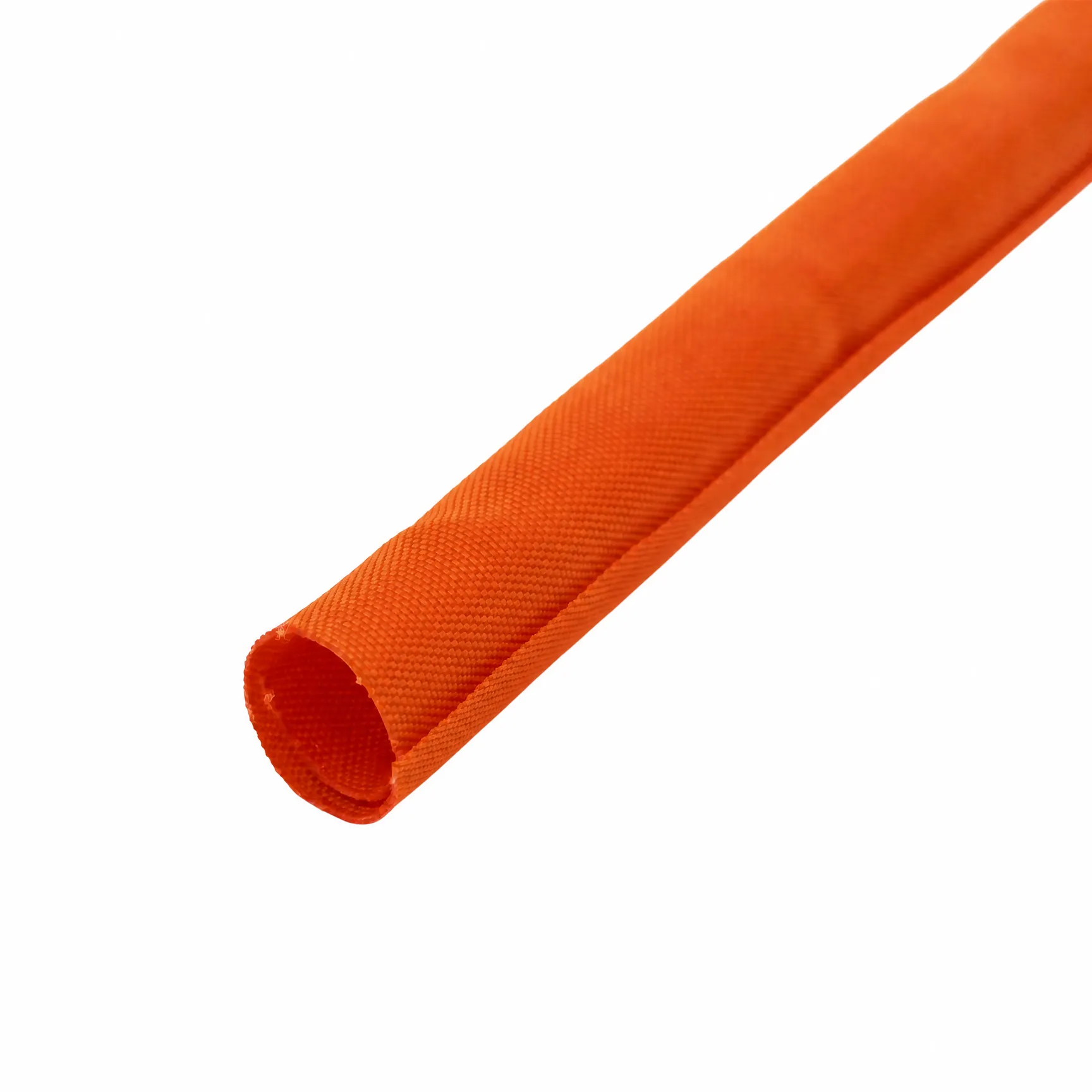
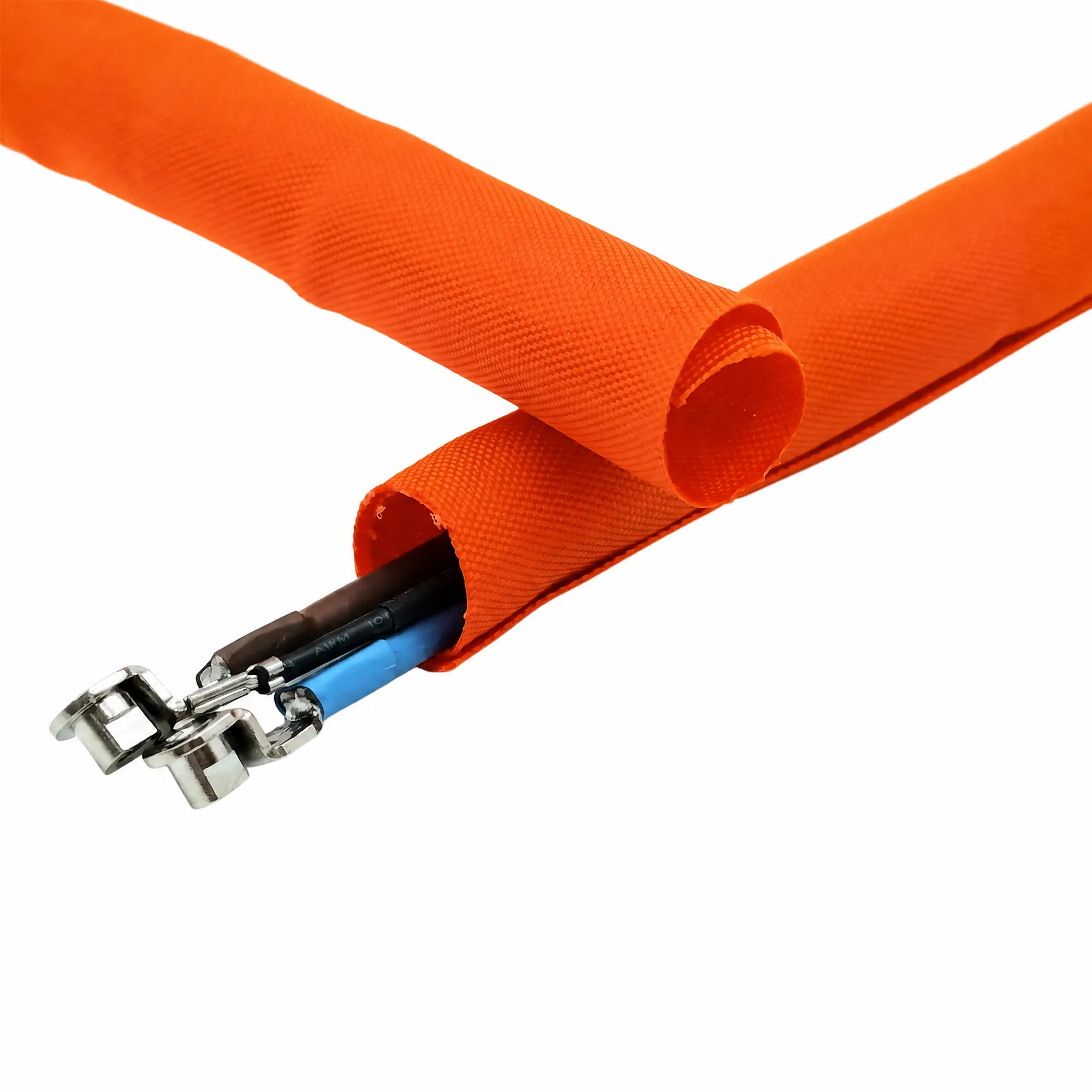
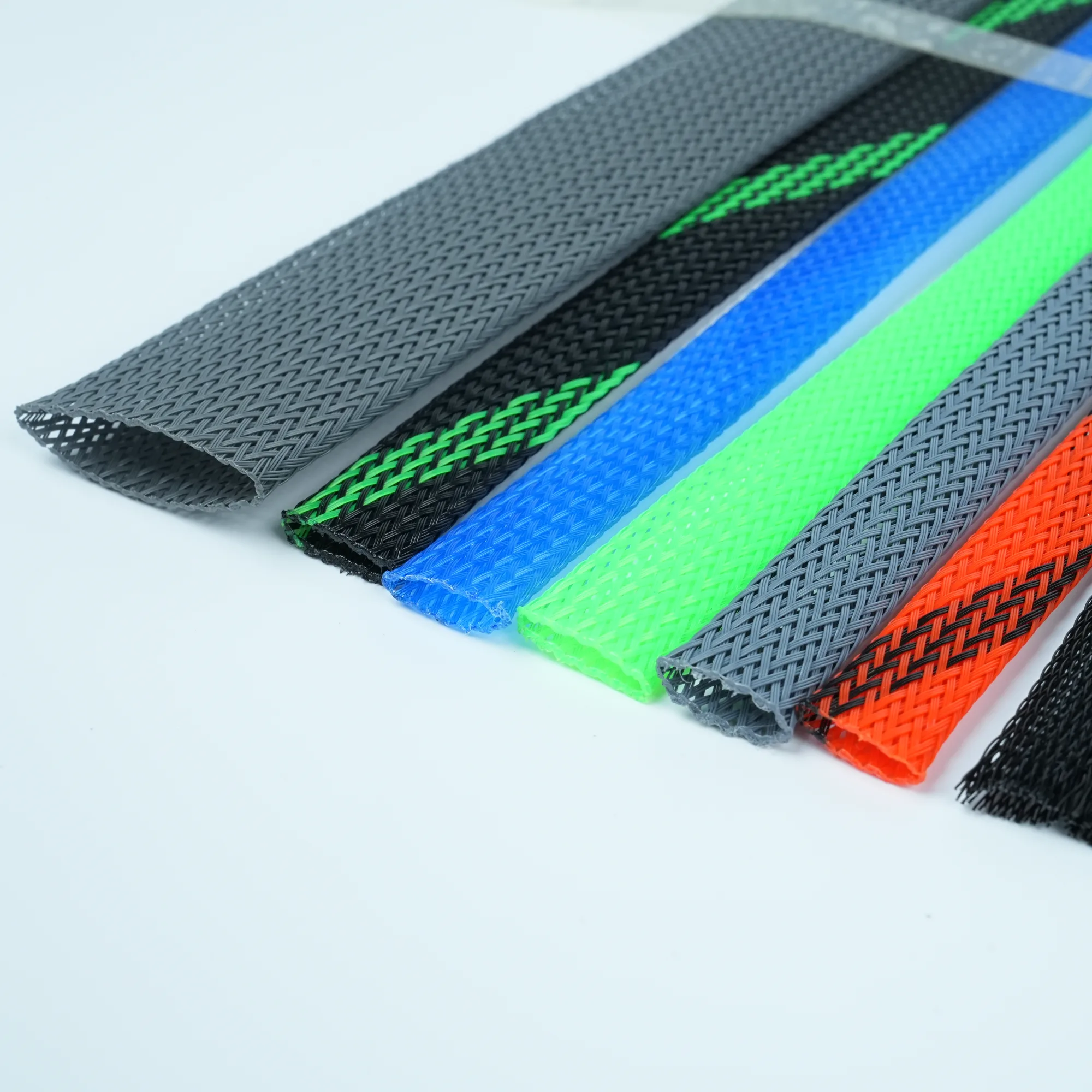
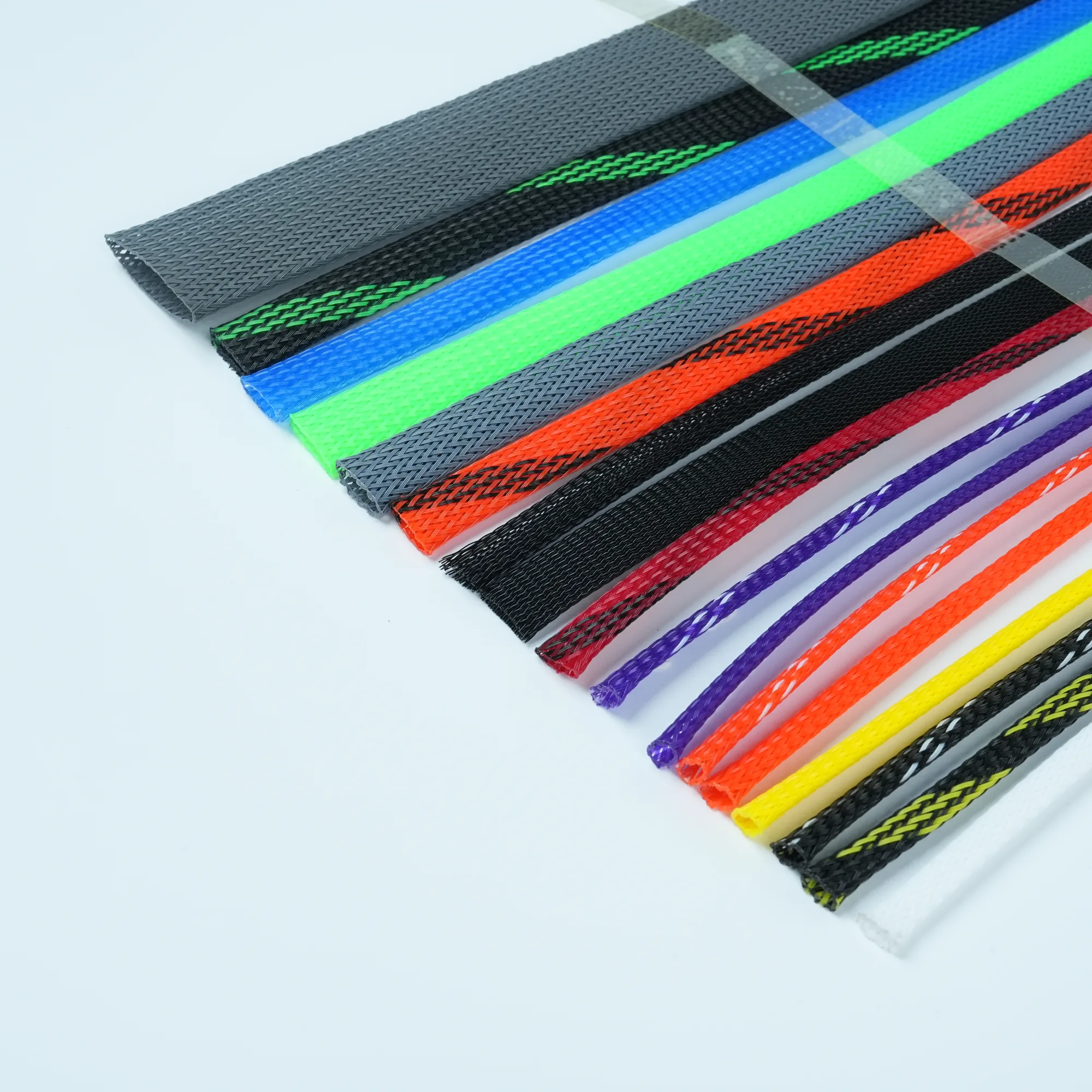
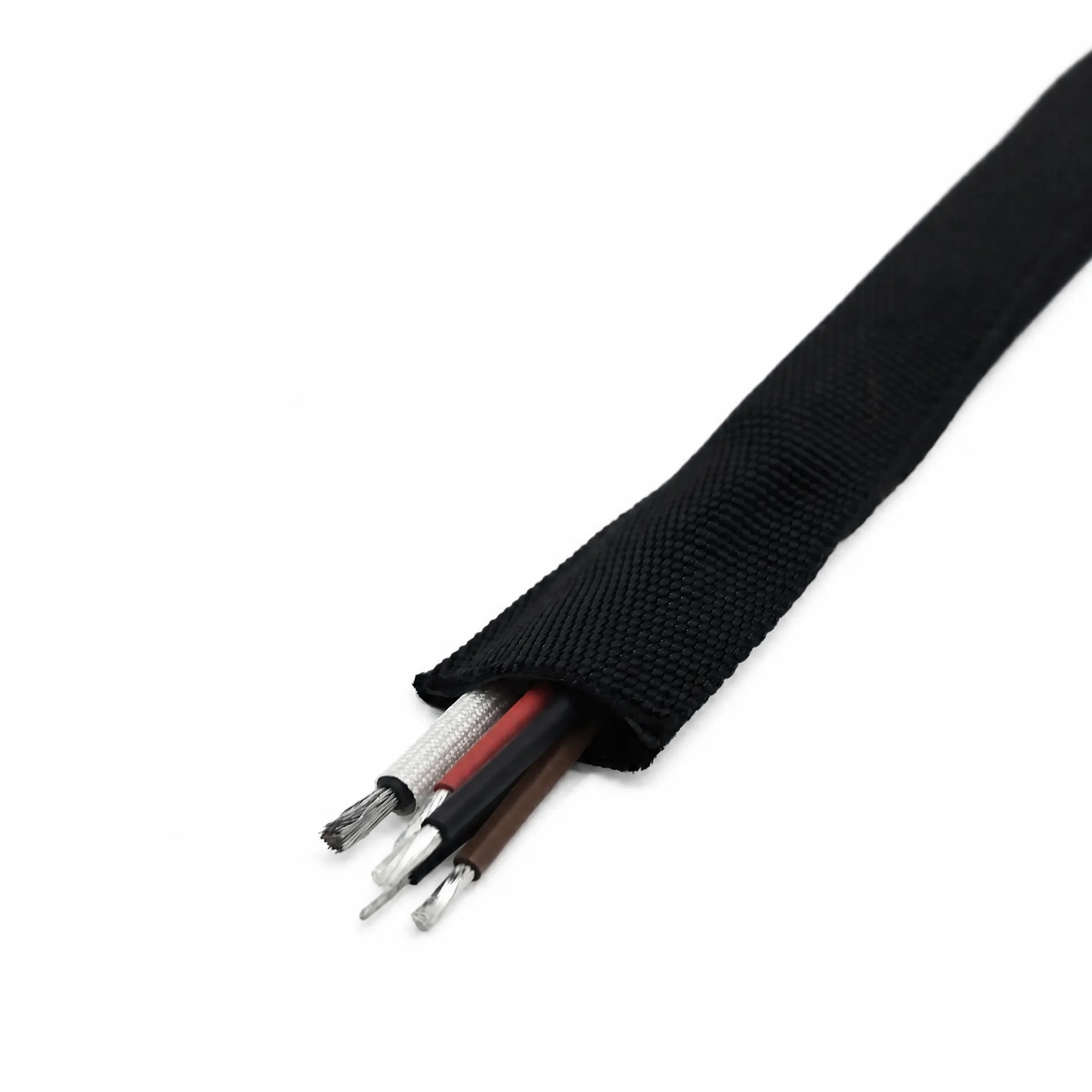
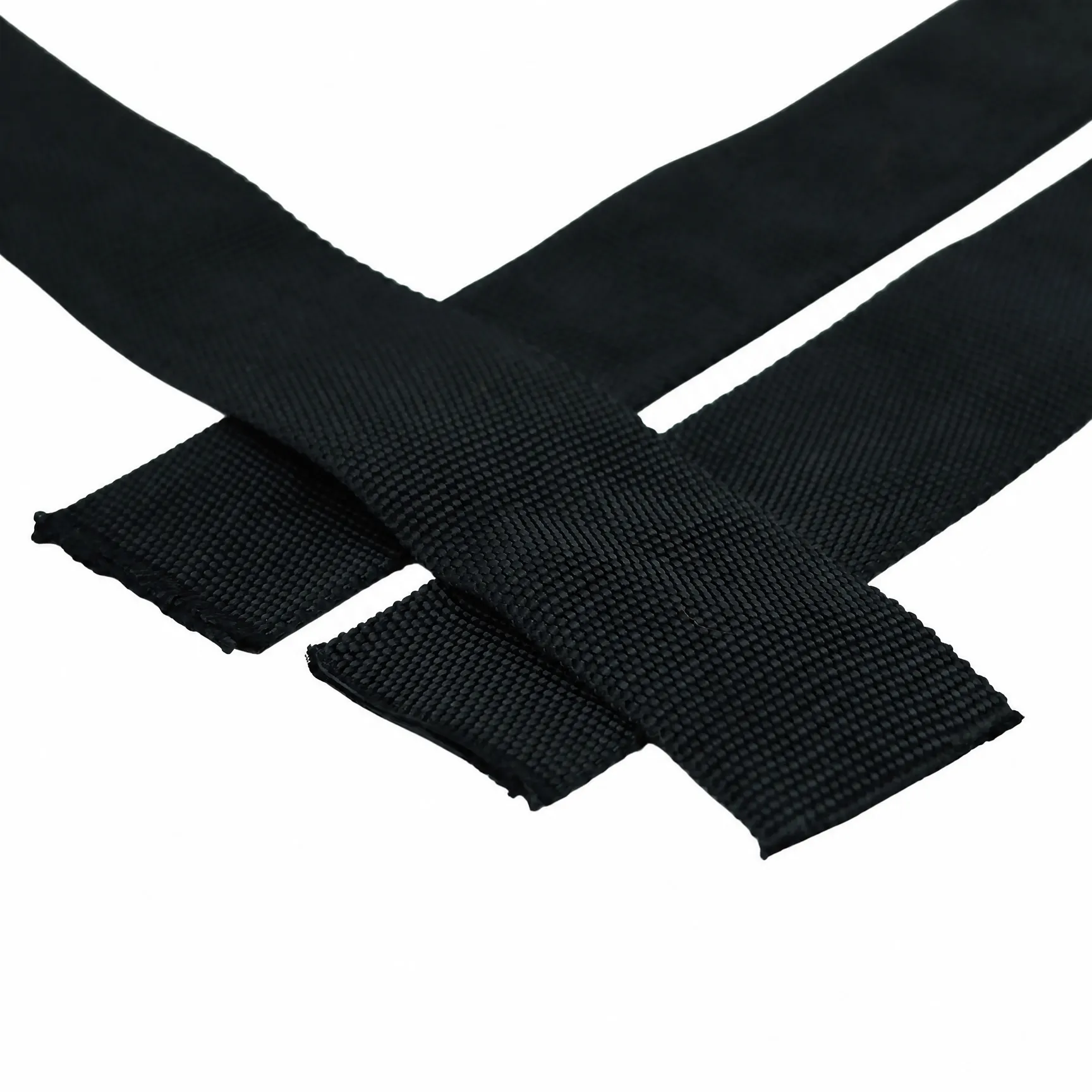
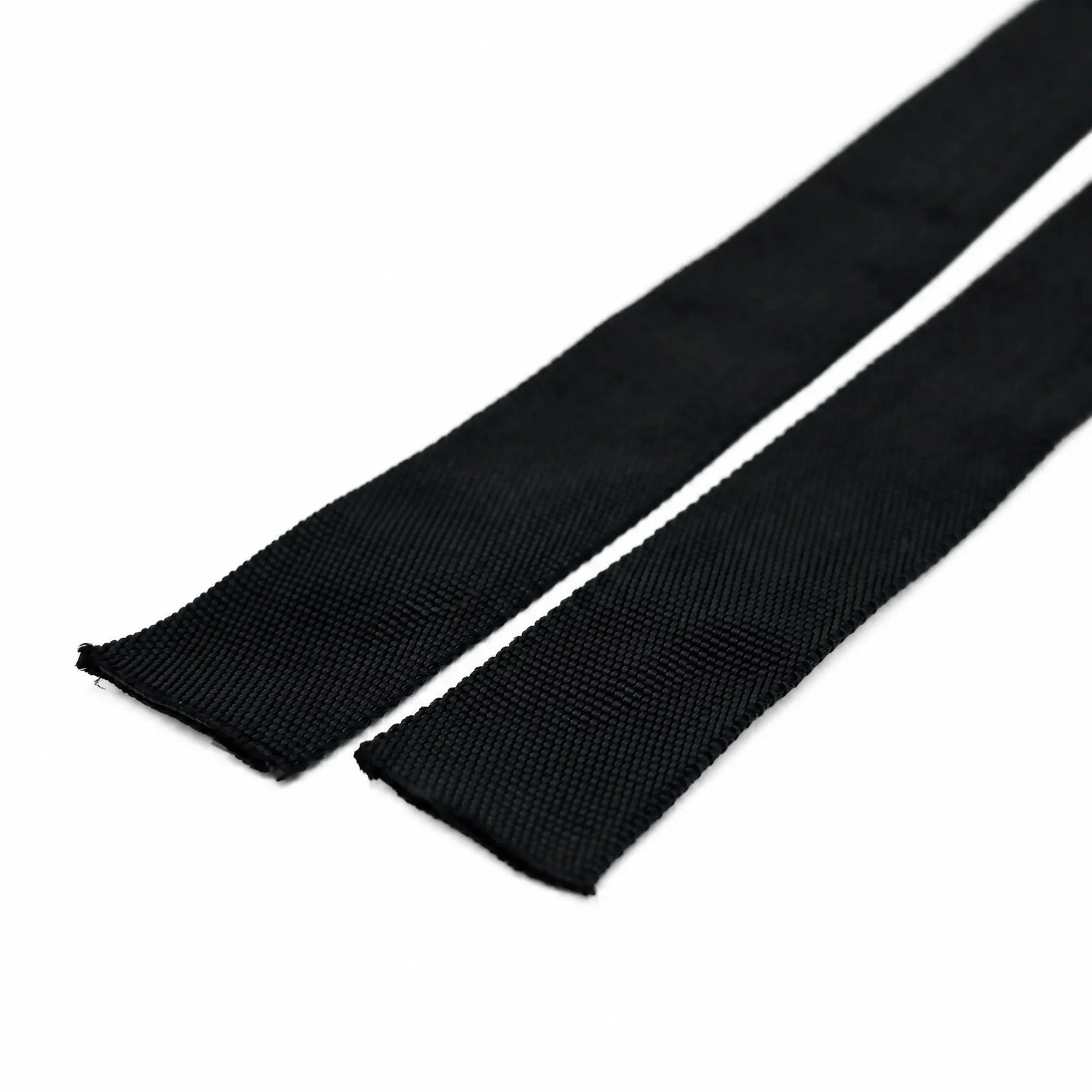
PA Textile Sleeving-CR-BS-2004 is a braided protective sleeve made from high-fiber nylon compound multifilaments. It is intended to add an outer protective layer around rubber hoses, wiring harnesses, and cable assemblies where contact, vibration, and temperature exposure are part of the working environment. The braided construction gives PA Textile Sleeving-CR-BS-2004 a flexible form while helping distribute rubbing contact across the textile surface. For an engineering team, the practical question is not simply whether a sleeve can be installed over an assembly; it is whether the selected protection matches the routing, movement, temperature, and inspection requirements of that assembly.
PA Textile Sleeving-CR-BS-2004 is supplied for industrial and automotive-oriented protection tasks. Its stated service temperature range is -40°C to +150°C. The supplied performance data also identifies heat aging at 150°C for 240 hours as passing and scrape abrasion to ISO 6722:2013 Class 7 at more than 140,000 cycles. These values are useful selection references, but the full assembly still needs to be assessed against its own operating conditions.
Key Features
-
High abrasion resistance: PA Textile Sleeving-CR-BS-2004 is listed as ISO 6722:2013 Class 7 for scrape abrasion, exceeding 140,000 cycles in the supplied data.
-
Wide temperature reference: PA Textile Sleeving-CR-BS-2004 is specified from -40°C to +150°C, with a 150°C, 240-hour heat-aging result noted as pass.
-
Braided nylon construction: High-fiber nylon compound multifilaments provide the textile structure for hose and cable protection.
-
Mechanical protection support: The sleeve is described for tensile strength, blast resistance, abrasion protection, corrosion resistance, and noise reduction.
-
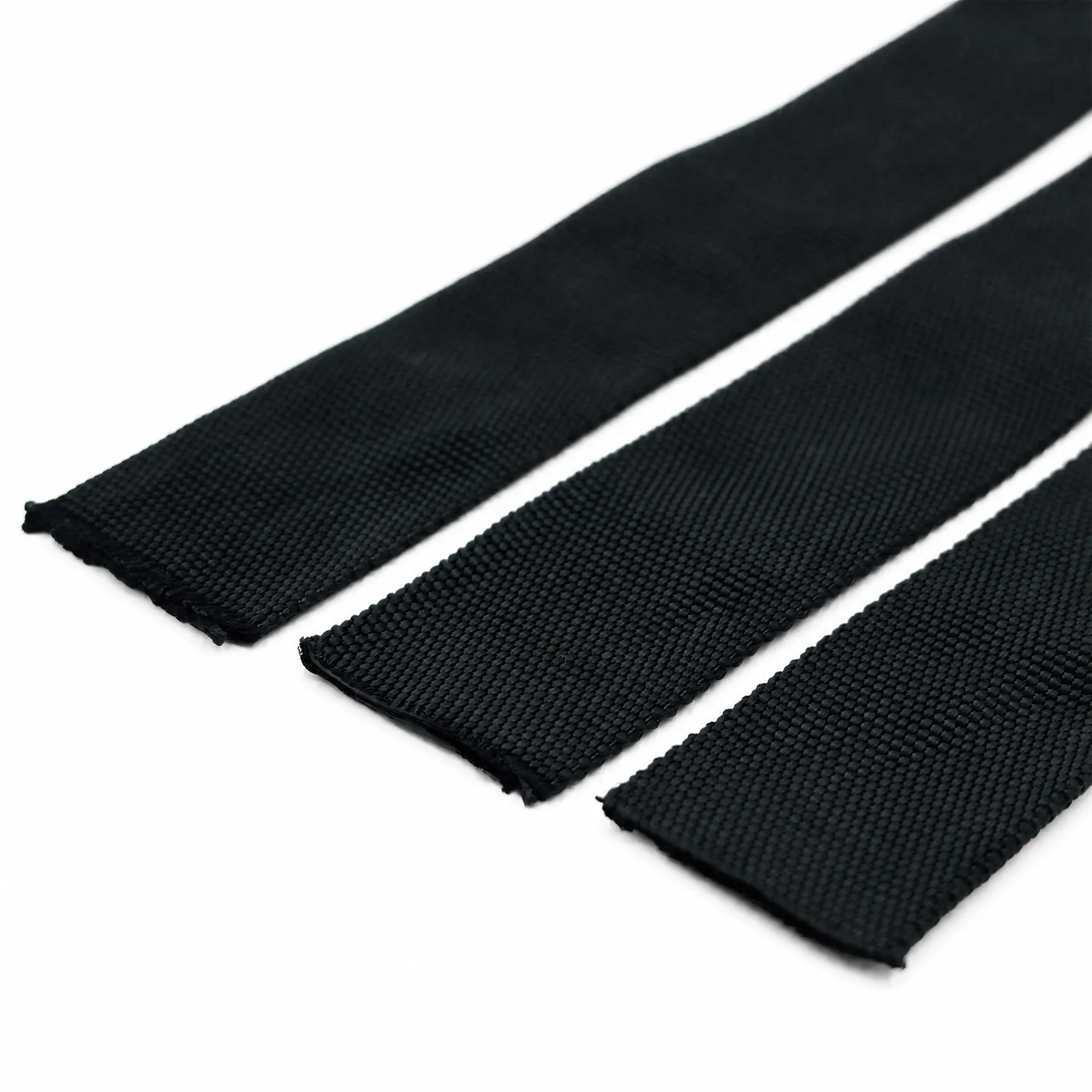
Multiple standard sizes: PA Textile Sleeving-CR-BS-2004 is available in nominal I.D. sizes from 10 mm through 74 mm, with custom sizes and cut lengths available on request.
In a moving installation, abrasion often concentrates where a hose or harness turns around a bracket, passes another line, or has limited clearance. the sleeve can be considered as a sacrificial textile layer at these contact zones. Think of the braid as an outer buffer rather than as a substitute for correct routing: the sleeve can reduce direct rubbing, while clamp placement, bend radius, and clearance still determine how the system behaves in service.
Verified Performance References
| Test item |
Method or condition |
Reported result |
| Heat aging |
150°C, 240 h |
Pass |
| Scrape abrasion |
ISO 6722:2013 |
Class 7, 140,000 cycles |
the sleeve should be selected with the distinction between a material-level result and an application-level qualification in mind. For example, a high temperature wire cover requirement may involve electrical, flame, chemical, or enclosure requirements that are not established by the supplied abrasion data alone. Where an application has a voltage class, special fluid exposure, or mandatory certification requirement, request the relevant product-specific documentation and validate the finished assembly.
Applications and Selection Context
Industrial hose routing
the sleeve is suited to hose assemblies in machinery, equipment enclosures, conveyor systems, and hydraulic routing where vibration and repeated surface contact can wear an unprotected hose. The stated blast-resistance benefit can be relevant when a design requires a textile outer layer around a hose, but it should not be interpreted as a complete system safety rating without application-specific confirmation. Choose the nominal I.D. from the outside diameter of the protected assembly and leave enough room for installation without opening the braid excessively.
Wire harness and cable management
For wiring harnesses, the sleeve can bundle and protect grouped conductors while helping limit chafing between adjacent runs. It is an option for machine wiring, automotive harness routing, and cable assemblies where a flexible textile exterior is preferred. A high temperature wire cover must be evaluated against the full heat profile, electrical requirement, and routing geometry; the sleeve supplies the listed temperature and abrasion references rather than a blanket claim for every electrical application.
Low-temperature and outdoor installation planning
The -40°C lower temperature reference makes the sleeve relevant to projects where cold-weather flexibility is a selection concern. In practice, check the installation temperature as well as the operating temperature. A sleeve that is appropriate at normal plant temperature may be harder to handle when installed in cold conditions. Confirm actual bundle diameter, local bend radius, clamp spacing, and the possibility of rubbing at tight turns before finalizing the size.
Standard Size Range
The available nominal I.D. range is 10 to 74 mm. Reported thickness is 1.1 ± 0.2 mm, layflat width ranges from 20 ± 2 mm to 120 ± 3 mm, and standard reel length is 50 m. Corresponding article numbers run from NC-010 through NC-074.
the sleeve should fit closely enough to maintain coverage but not so tightly that installation stretches the braid and reduces protective density. Larger outside diameter does not automatically mean better protection. Material performance, braid coverage, movement, and the contact path must be considered together. This is especially important in complex cable paths or hose bundles where the largest section may not be the location with the highest abrasion exposure.
Why Use the sleeve
the sleeve combines a braided nylon protective format with reported high abrasion performance and a broad stated temperature range. Compared with an uncovered hose or harness, it adds a flexible contact layer without turning the assembly into a rigid conduit. The product is also described as non-toxic and corrosion resistant. For procurement and engineering review, the most useful next step is to compare the available size range, test references, and installation conditions with the actual assembly drawing.
If your project needs documentation for supplier qualification, request product-specific test reports and confirm the applicable standards. The manufacturing facility for this product line is described as holding ISO 9001, IATF 16949, ISO 14001, ISO 45001, and GJB9001C certifications. Those facility certifications should be reviewed against your own supplier and product approval requirements. the sleeve provides a practical, textile-based protection option when abrasion, temperature exposure, vibration, and flexible routing need to be considered together.
 EN

 Download Product Manual: