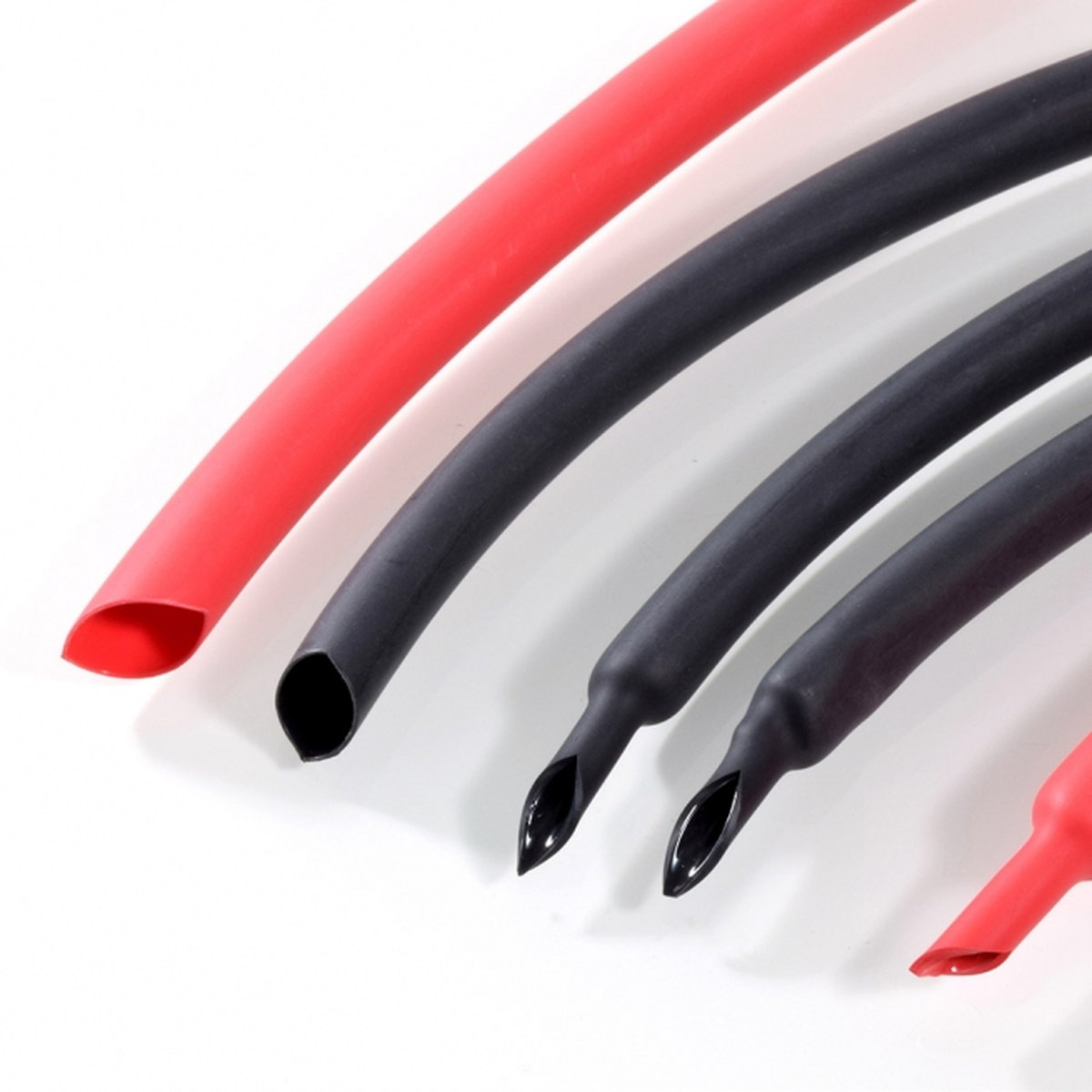
The finished fit of a heat shrinkable tube after shrinking is determined by multiple interconnected factors that directly influence how effectively it protects cables, connectors, and electrical components. Understanding these determinants is essential for engineers, maintenance professionals, and procurement teams who rely on heat shrink tubing for long-term cable protection and electrical insulation. The final fit quality affects not only the aesthetic appearance but also the functional performance, durability, and reliability of the entire cable assembly.
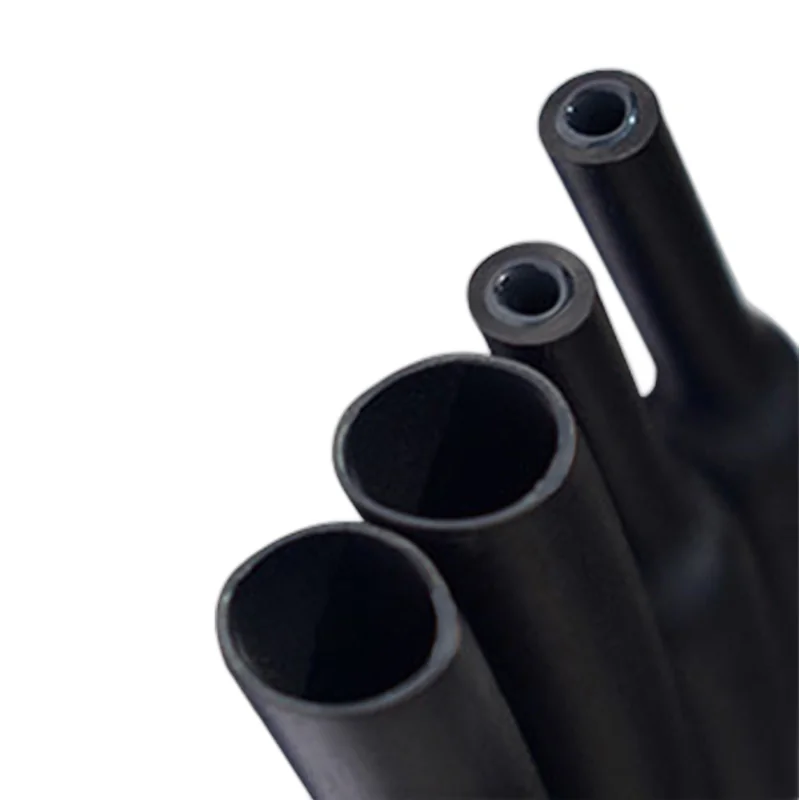
A properly fitted heat shrink tubing application ensures consistent electrical insulation, seals out moisture and contaminants, and maintains structural integrity under thermal and mechanical stress. The finished fit depends on how the material contracts during the heating process, which is governed by its physical composition, the application method, the heat source intensity, and the geometry of the component being protected. Poor fit can result in gaps, wrinkles, inadequate sealing, or permanent deformation that compromises cable protection and shortens service life.
Material Composition and Shrink Ratio
Polymer Type and Elasticity
The base polymer used in heat shrink tubing directly controls how it responds to thermal stimulus. Most commercial heat shrink tubing is manufactured from cross-linked polyolefin, fluoropolymer, silicone rubber, or other engineered elastomers. Each material exhibits different elasticity, recovery speed, and residual stress characteristics after shrinking. Cross-linked polyolefin, for example, offers excellent electrical insulation properties and consistent shrink performance, while fluoropolymers provide superior chemical and temperature resistance for demanding applications.
Shrink Ratio and Initial Diameter
The shrink ratio of heat shrink tubing—typically ranging from 2:1 to 6:1—determines how much the diameter reduces during heating. A 3:1 shrink ratio heat shrinkable tube can reduce from an initial diameter of 12 millimeters to approximately 4 millimeters when fully heated. The chosen shrink ratio must match the cable or component diameter to ensure proper finished fit. If the shrink ratio is too aggressive, the heat shrink tubing may apply excessive hoop stress and create permanent wrinkles or distortion. If the ratio is too conservative, gaps and loose fit can occur, allowing moisture ingress and reducing electrical insulation effectiveness.
Heat Application Method and Temperature Control
Heat Source Selection
The method used to apply heat—whether a heat gun, hot air oven, thermal bonding machine, or immersion in hot water—significantly affects the uniformity and speed of the shrinking process. Heat guns provide targeted, localized heating and are common in field applications and repair work, but require operator skill to maintain consistent temperature and prevent localized overheating. Industrial heat shrink tubing applications often employ convection ovens or specialized thermal machines that distribute heat evenly across the entire component, producing more uniform finished fit and higher repeatability.
Temperature Ramp and Dwell Time
The rate at which temperature increases during heating affects how smoothly the heat shrinkable tube contracts around the substrate. Rapid temperature increases can cause uneven shrinkage, trapping air pockets and creating wrinkles in the finished surface. Gradual, controlled heating allows the material to contract uniformly and conform precisely to the underlying geometry. Dwell time—the duration the material remains at peak temperature—allows internal stresses to relax and ensures complete shrinkage. Industrial specifications often define specific temperature profiles, such as reaching 120 degrees Celsius and maintaining it for 10 to 20 seconds, to achieve consistent finished fit quality.
Cable Geometry and Surface Preparation
Substrate Shape and Smoothness
The shape and surface condition of the cable or component being protected directly influence how well the heat shrink tubing conforms during shrinking. Smooth, cylindrical cables allow the heat shrinkable tube to contract uniformly with minimal wrinkles. Irregular shapes, such as connector assemblies, solder joints, or stepped diameters, create mechanical constraints that can result in loose areas, bunching, or uneven tension in the finished fit. Pre-cleaning the cable surface to remove dust, oils, or corrosion improves adhesion and prevents the heat shrink tubing from slipping during thermal contraction.
Use of Adhesive-Lined Tubing for Enhanced Fit
Adhesive-lined heat shrink tubing incorporates a thermally activated adhesive layer that melts during heating, creating a permanent bond with the underlying surface. This design dramatically improves the finished fit, especially on irregular geometries or moving components. The adhesive fills micro-gaps, prevents slippage, and creates a hermetic seal for superior electrical insulation and environmental protection. Adhesive-lined heat shrinkable tube is widely specified in aerospace, automotive, and marine industries where cable protection must withstand vibration, thermal cycling, and harsh environmental conditions. The adhesive layer also prevents wrinkles and ensures tight conformance to the substrate, even when cooling.
Quality Control and Performance Verification
Visual Inspection and Dimensional Verification
Finished fit quality is initially assessed through visual inspection for uniformity, absence of wrinkles, and proper coverage of the underlying component. Dimensional checks using calipers or gauges confirm that the final outer diameter matches specification and that wall thickness remains consistent. For critical applications in electrical insulation, functional testing such as dielectric strength testing, continuity checks, and thermal cycling validation ensures that the heat shrink tubing provides the intended protection and meets regulatory compliance standards.
Thermal and Environmental Testing
The durability of the finished fit is verified through accelerated thermal cycling, moisture exposure, and chemical resistance testing. Heat shrink tubing subjected to repeated temperature extremes must maintain its seal and adhesion without cracking, delamination, or loss of electrical insulation. Salt spray tests and humidity exposure protocols confirm that cable protection remains effective in corrosive environments. These validation protocols ensure that the heat shrinkable tube will deliver long-term performance throughout the intended service life of the cable assembly.
FAQ
What shrink ratio heat shrink tubing should I choose for optimal finished fit?
Select a shrink ratio that matches your cable diameter with a small margin for safety. A 3:1 or 4:1 heat shrink tubing shrink ratio works well for most industrial applications, reducing from initial to final diameter with minimal excess stress. Always consult application guidelines and verify final dimensions after shrinking to confirm proper finished fit for electrical insulation performance.
How does adhesive-lined heat shrink tubing improve the finished fit compared to standard tubing?
Adhesive-lined heat shrink tubing creates a chemical bond during heating, preventing slippage and filling surface irregularities for tighter, more uniform finished fit. This is especially valuable on irregular component geometries, stepped connectors, or cables subject to vibration. The adhesive layer also enhances sealing capability for superior cable protection.
What is the ideal temperature profile for achieving consistent heat shrinkable tube finished fit?
Most industrial applications specify gradual heating to 120–150 degrees Celsius, depending on the material, with a dwell time of 10–20 seconds to allow complete thermal contraction and stress relaxation. Avoid rapid temperature spikes that cause uneven shrinkage and wrinkles. Always follow the manufacturer's recommendations for the specific heat shrinkable tube product being used.
 EN