Fiberglass sleeving represents a fundamental component in modern electrical insulation systems, serving as a protective barrier that safeguards conductors and sensitive components from thermal damage, mechanical abrasion, and environmental hazards. Understanding what fiberglass sleeving is and recognizing its diverse applications across industries enables engineers, technicians, and procurement professionals to make informed decisions about material selection and system design.
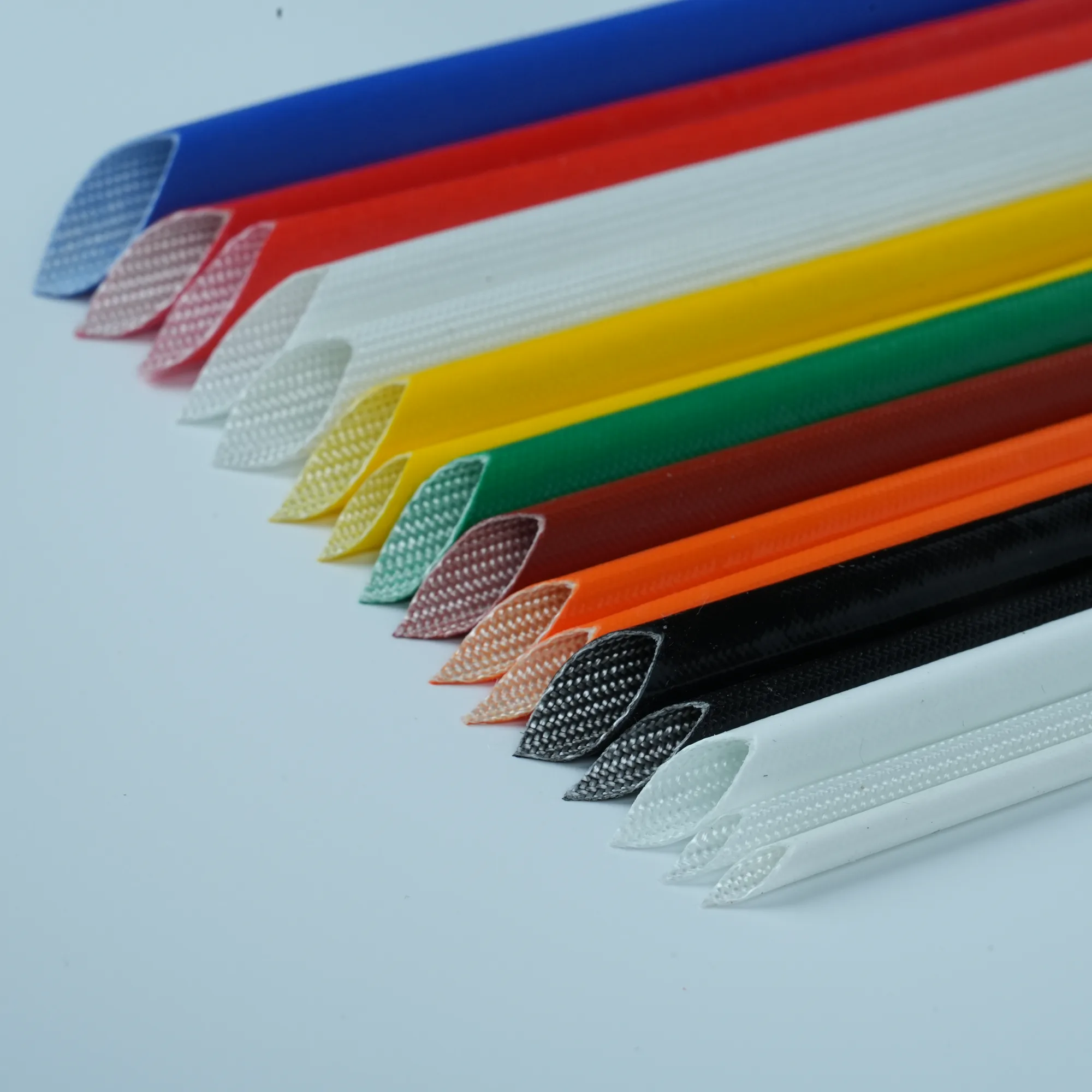
This guide explores the composition, properties, and practical implementations of fiberglass sleeving in electrical insulation applications. Whether you work in manufacturing, maintenance, design engineering, or quality assurance, this article provides the technical knowledge needed to evaluate and specify the right cable sleeving solutions for your operations.
Understanding Fiberglass Sleeving and Its Material Properties
Definition and Core Composition
Fiberglass sleeving is a tubular protective covering woven from continuous glass filaments and typically coated or impregnated with a resin matrix or elastomer. The glass fibers provide exceptional mechanical strength and dimensional stability, while the binder system—whether silicone, epoxy, or polyester—delivers thermal resistance and electrical insulation characteristics. This combination creates a material that excels in demanding environments where electrical insulation must withstand both electrical stress and mechanical challenges.
The manufacturing process involves wrapping glass yarn around a mandrel and curing it with the chosen resin system. The result is a lightweight, flexible tube that can be easily threaded over cables, wires, and component leads. Different weave densities and resin systems allow manufacturers to tailor sleeving products for specific temperature ranges, voltage levels, and mechanical load conditions.
Key Performance Characteristics
Fiberglass sleeving offers dielectric strength that meets or exceeds the requirements of international standards such as IEC 61084-1 and UL standards for cable sleeving. The material maintains its electrical insulation properties across a wide temperature range, typically from minus 40°C to plus 200°C or higher, depending on the resin system used. This thermal stability makes fiberglass sleeving invaluable for applications involving high-temperature environments such as automotive engine compartments and industrial processing equipment.
The mechanical properties are equally impressive. Fiberglass sleeving resists abrasion from adjacent components, vibration-induced degradation, and compression forces that could compromise electrical insulation. Additionally, the material exhibits low moisture absorption and excellent chemical resistance, protecting conductors from exposure to oils, coolants, and harsh atmospheres commonly found in manufacturing and transportation sectors.
Applications in Electrical Insulation and Industrial Systems
Electrical Insulation in Motor and Control Systems
In electrical insulation systems, fiberglass sleeving serves as a critical secondary barrier protecting individual conductors, coil leads, and component interconnections. Motors, transformers, and switchgear all rely on layers of cable sleeving to maintain phase separation and prevent accidental electrical contact between energized elements. Industrial control cabinets frequently use fiberglass sleeving on high-voltage connections to ensure worker safety and prevent costly equipment failures.
The use of fiberglass-based cable sleeving in these environments reduces the risk of arc-over events and short circuits that could damage expensive equipment or create dangerous working conditions. By providing a reliable, long-lasting electrical insulation layer, fiberglass sleeving contributes directly to system reliability and operational safety.
Automotive Wiring and Engine Compartment Protection
Automotive wiring applications represent one of the largest markets for fiberglass sleeving in modern vehicles. Engine compartments expose wiring harnesses to extreme temperatures, oil mist, and mechanical stress from vibration and thermal cycling. Silicone-coated fiberglass sleeving provides exceptional thermal protection for engine bay wiring, especially in hybrid and electric vehicles where battery management and high-voltage systems demand superior electrical insulation properties.
Automotive wiring standards require that cable sleeving maintain dielectric strength and mechanical integrity throughout the vehicle's service life. Fiberglass sleeving meets these demanding requirements while remaining lightweight and flexible enough to fit within the compact routing spaces typical of modern engine compartments. Original equipment manufacturers and tier-one suppliers specify fiberglass sleeving for mission-critical circuits where insulation failure could result in vehicle malfunction or safety hazards.
Industrial and Renewable Energy Applications
Beyond automotive systems, fiberglass sleeving finds extensive use in renewable energy installations, including solar inverters, wind turbine electronics, and battery energy storage systems. The cable sleeving in these applications must withstand outdoor exposure, thermal fluctuations, and potentially corrosive atmospheric conditions. Fiberglass sleeving delivers the required durability and electrical insulation characteristics needed for these long-lifecycle installations.
Industrial manufacturing equipment, particularly CNC machines, welding systems, and high-speed automation, also relies heavily on fiberglass sleeving to protect critical wiring from coolant splash, welding sparks, and mechanical abrasion. The material's flame-retardant properties, often enhanced by the resin system, add an additional safety layer in environments where combustible materials or processes are present.
Selection Criteria and Implementation Best Practices
Choosing the Right Fiberglass Sleeving Specification
Selecting appropriate cable sleeving requires careful evaluation of operating temperature, voltage levels, mechanical stress, and environmental exposure. Temperature ratings must exceed the maximum continuous operating temperature of the application, with margin for transient spikes. Electrical insulation ratings should be verified against system voltage and relevant safety standards applicable in your market or end-use sector.
Diameter sizing is equally critical. The sleeving must fit snugly over the conductor or bundle without excessive slack, yet allow for easy installation and removal during maintenance. Fiberglass sleeving is available in sizes ranging from 2 mm to over 50 mm inner diameter, with wall thickness options that affect both electrical insulation performance and mechanical robustness. Working with suppliers who understand your specific requirements ensures that the selected sleeving meets all performance expectations.
Installation and Quality Assurance Considerations
Proper installation of fiberglass sleeving involves cutting tubes to appropriate lengths, ensuring clean wire ends to prevent fraying, and applying sleeving smoothly without twists or wrinkles that could compromise electrical insulation coverage. For applications requiring enhanced durability, some users combine fiberglass sleeving with additional outer protective sleeves or spiral wraps for maximum mechanical protection.
Quality assurance protocols should verify dielectric strength through high-pot testing, confirm dimensional accuracy, and assess surface condition for any defects that could compromise electrical insulation or mechanical properties. Batch testing to international standards ensures that incoming materials meet specification before integration into finished products or systems.
FAQ
What temperature range can fiberglass sleeving withstand?
Most fiberglass sleeving products operate continuously from minus 40°C to plus 150°C, with high-performance silicone-based variants extending to 200°C or beyond. The specific rating depends on the resin system used in the electrical insulation layer. Always verify the temperature specification with your supplier to ensure the selected cable sleeving meets your application requirements.
Can fiberglass sleeving be used in high-voltage electrical insulation systems?
Yes, fiberglass sleeving is widely used in electrical insulation for medium and high-voltage applications. The material offers dielectric breakdown voltages typically ranging from 5 kV to 25 kV depending on wall thickness and resin composition. Always reference the specific product datasheet and relevant standards such as IEC or UL to confirm suitability for your exact voltage and cable sleeving requirements.
How does fiberglass sleeving compare to other cable insulation materials?
Fiberglass sleeving offers superior thermal stability and mechanical strength compared to PVC or polyester alternatives, making it ideal for harsh automotive wiring and industrial environments. While slightly more expensive than basic plastic cable sleeving, the extended lifespan, reliability, and superior electrical insulation properties justify the investment in demanding applications where material failure poses significant operational or safety risks.
 EN







