Snagging during fiberglass sleeving installation is one of the most frustrating challenges technicians face when protecting automotive wiring in high-temperature environments. The fragile nature of fiberglass materials, combined with the complexity of engine compartments and tight routing paths, creates numerous opportunities for the material to catch, tear, or fray during installation. Understanding the root causes of snagging and implementing preventative strategies can dramatically improve installation efficiency, reduce material waste, and ensure your automotive wiring receives the protection it needs.
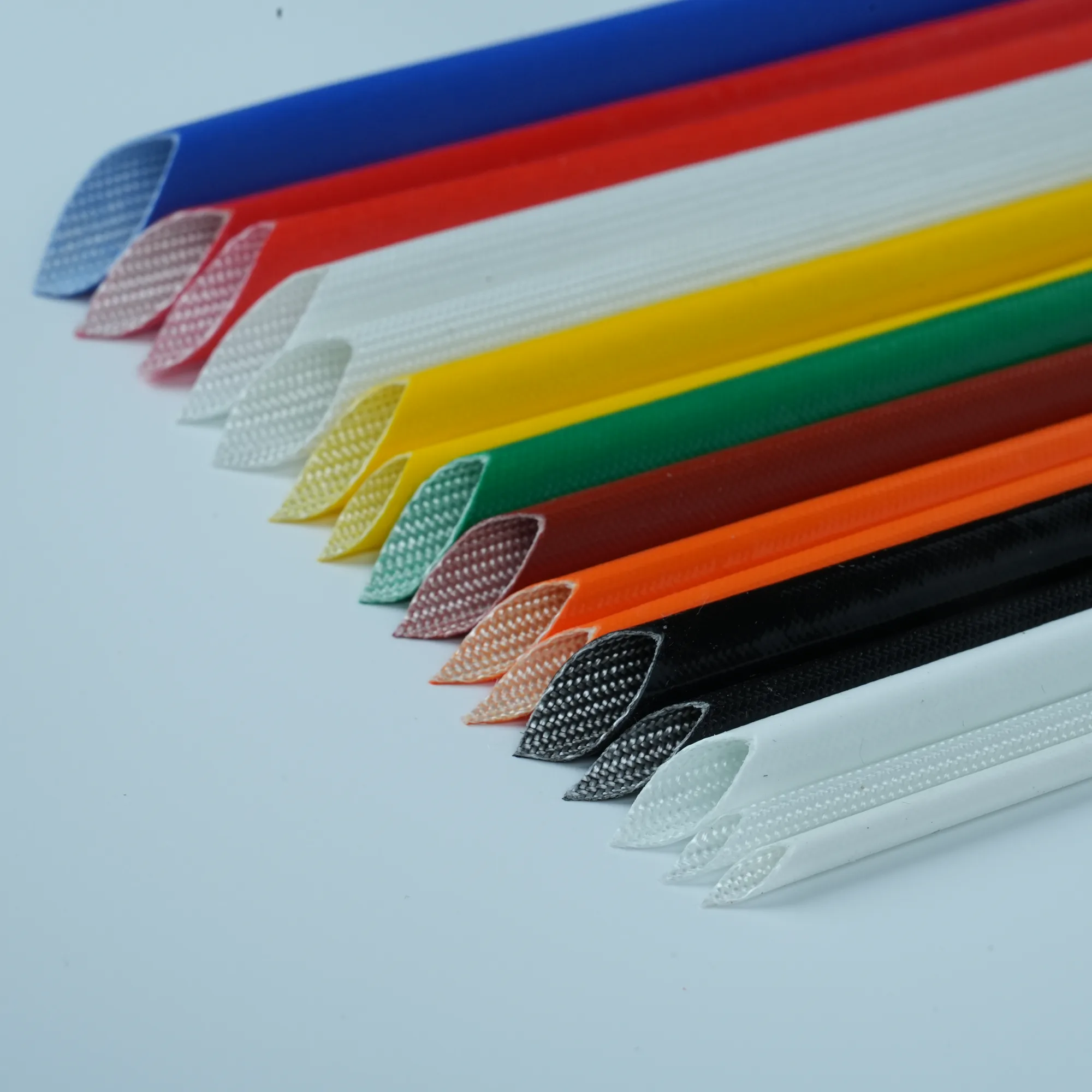
Whether you're working in automotive manufacturing, engine rebuilding, or custom harness design, mastering fiberglass sleeving installation techniques is essential for delivering reliable results. This guide explores comprehensive strategies to prevent snagging, protect your wiring investments, and maintain professional-quality standards throughout the installation process.
Understanding the Root Causes of Snagging
Material Brittleness and Edge Friction
Fiberglass sleeving contains fine glass fibers that, while providing excellent heat resistance and durability, can easily snag on sharp edges, rough surfaces, and irregular routing paths. When installing automotive wiring protection, even minor protrusions or burrs on connector housings, bracket edges, or firewall penetrations can catch the material. The crimped or cut edges of fiberglass sleeving are particularly vulnerable because they create exposed fiber ends that hook easily on obstacles.
The brittleness of certain fiberglass formulations means that excessive force during installation can fracture the material from the inside, creating weak points that later tear. High temperature insulation materials must balance flexibility with rigidity, and this inherent tension makes gentle handling absolutely critical during the sleeving process.
Routing Complexity and Installation Environment
Automotive engine compartments present extremely challenging installation environments for fiberglass sleeving. Wiring harnesses must navigate around moving components, navigate confined spaces, and route through multiple attachment points, all while avoiding contact with hot surfaces and sharp mechanical features. During installation, the technician must simultaneously manage the protective material, position the wiring correctly, and secure everything in place.
Automotive wiring often requires multiple direction changes and requires the sleeving to bend around tight corners, where fiberglass material experiences maximum stress. These installation pressure points are where snagging most frequently occurs, particularly when technicians rush the process or lack proper preparation of the routing path.
Pre-Installation Preparation Strategies
Inspecting and Preparing the Installation Path
The single most effective snagging prevention strategy begins long before you touch the fiberglass sleeving. Carefully inspect the entire routing path where automotive wiring will run, identifying all potential catching points, sharp edges, and rough surfaces. Use your hand to feel for burrs, rough casting marks, or exposed fastener edges that could snag the material during installation.
Smooth any identified rough spots using fine sandpaper or a deburring tool, creating a continuous pathway that allows fiberglass sleeving to move freely. Pay special attention to firewall penetrations, bracket mounting points, and connector housings, as these areas accumulate manufacturing imperfections. Wrap protective tape around sharp edges that cannot be smoothed, creating a buffer zone between the fiberglass and potential snag points. This preparation phase typically takes only minutes but prevents countless installation problems.
Proper sizing is fundamental to preventing snagging with fiberglass sleeving installations. Measure your automotive wiring bundle diameter accurately and select sleeving that fits snugly without being overly tight, which creates excess friction and catching hazards. Oversized sleeving bunches and wrinkles during installation, increasing snag points and reducing the material's ability to provide adequate heat resistance protection.
When cutting fiberglass sleeving, use a sharp utility knife and cut perpendicular to the material length to create clean edges. Ragged or angled cuts expose more glass fiber ends that catch easily. Consider slightly beveling the cut edges by gently sanding them at a shallow angle, which smooths the edge profile and dramatically reduces the likelihood of snagging during initial insertion into tight spaces.
Installation Techniques for Snag Prevention
Proper Threading and Controlled Movement
The threading process is where most snagging occurs during fiberglass sleeving installation. Rather than forcing the sleeving over the wiring bundle, use a slow, controlled feeding motion that allows the material to slide smoothly along the entire path. Lubrication is crucial: apply a thin layer of silicone-based lubricant or electrical-grade release agent to both the wiring bundle and the interior surface of the fiberglass sleeving.
This lubrication dramatically reduces friction and allows the sleeving to move freely, particularly important for automotive wiring that must navigate multiple direction changes. Avoid oil-based lubricants that can degrade fiberglass fibers or leave residue. Feed the sleeving incrementally, checking for resistance or catching sensations, and pause to verify smooth movement before continuing. This deliberate approach prevents the material from being forced over hidden snag points that would tear the fiberglass.
Managing Direction Changes and Bends
Direction changes represent critical vulnerability points during automotive wiring fiberglass sleeving installation. Rather than pulling the sleeving around tight corners, guide it gently through curves while supporting the material on both sides of the bend. Insert temporary support guides, such as foam tubing or protective sleeves, at sharp direction changes to prevent the fiberglass from crimping or catching on the wiring bundle itself.
For especially tight routing requirements, consider breaking the sleeving installation into shorter segments separated by small gaps. This approach eliminates the need to force fiberglass sleeving through impossible angles, reducing snagging risk and maintaining the heat resistance integrity of the installation. Always test the final routing path with a practice run using scrap material before committing to the actual installation.
High Temperature Insulation Considerations
High temperature insulation formulations of fiberglass sleeving often have reduced flexibility compared to standard materials, requiring even more careful handling during installation. These specialty materials provide superior heat resistance for engine bay automotive wiring but demand slower, more deliberate threading techniques. Some high temperature insulation products require specific thermal conditioning before installation to optimize flexibility and reduce material brittleness.
Check the manufacturer's specifications for your particular fiberglass sleeving product, as certain high temperature insulation materials benefit from brief warming to room temperature or slightly above before installation. This temporary conditioning makes the material more pliable without compromising its heat resistance properties, allowing smoother passage through complex routing paths with significantly reduced snagging incidents.
Post-Installation Verification and Protection
Securing and Protecting Exposed Edges
After successfully installing fiberglass sleeving around your automotive wiring, protect the cut edges from further fraying or catching. Seal both ends using silicone-based edge sealant or specialized fiberglass end caps designed for this purpose. This sealing prevents fiberglass fibers from separating during vehicle operation and protects the heat resistance properties of your installation. The sealed edges also provide a finished appearance that meets professional quality standards.
Bundle the sleeved wiring securely using adhesive-backed fastening tape or specialized cable ties, maintaining proper spacing and preventing the fiberglass from chafing against surrounding components. These final touches may seem minor but represent the difference between temporary installations and permanent, reliable protective systems for automotive wiring.
FAQ
What causes fiberglass sleeving to snag during installation?
Snagging occurs when sharp edges, rough surfaces, or poorly prepared routing paths catch the fine glass fiber ends of the sleeving material. Automotive engine compartments contain numerous potential snag points including burrs on castings, exposed fasteners, and sharp bracket edges. Inadequate preparation of the installation path, oversized fiberglass sleeving, improper cutting techniques, and rushing the threading process are primary contributing factors.
How does proper preparation reduce fiberglass sleeving snagging?
Thorough inspection and preparation of the routing path before installation is the most effective snagging prevention strategy. Smoothing rough edges, wrapping sharp protrusions, and verifying clear pathways ensure that fiberglass sleeving can move freely during installation. This preparation phase requires minimal time investment but prevents the majority of snagging incidents by eliminating the obstacles that catch and tear the material.
Does high temperature insulation fiberglass sleeving snag more easily?
High temperature insulation formulations typically have reduced flexibility compared to standard fiberglass sleeving, making them somewhat more susceptible to snagging if installation techniques remain identical. However, understanding the material's specific properties and using appropriate lubrication, slower threading speeds, and careful route planning allows successful installation. Many high temperature insulation products benefit from gentle warming before installation to improve pliability and reduce material brittleness without compromising heat resistance performance.
 EN







