Fiberglass sleeving has become an essential component in modern industrial applications where thermal protection and electrical insulation are critical requirements. This versatile material provides reliable safeguarding for wires, cables, and conductors exposed to extreme temperatures and harsh operational environments. Understanding which applications benefit most from fiberglass sleeving helps manufacturers and engineers select the right solution for their specific protection needs.
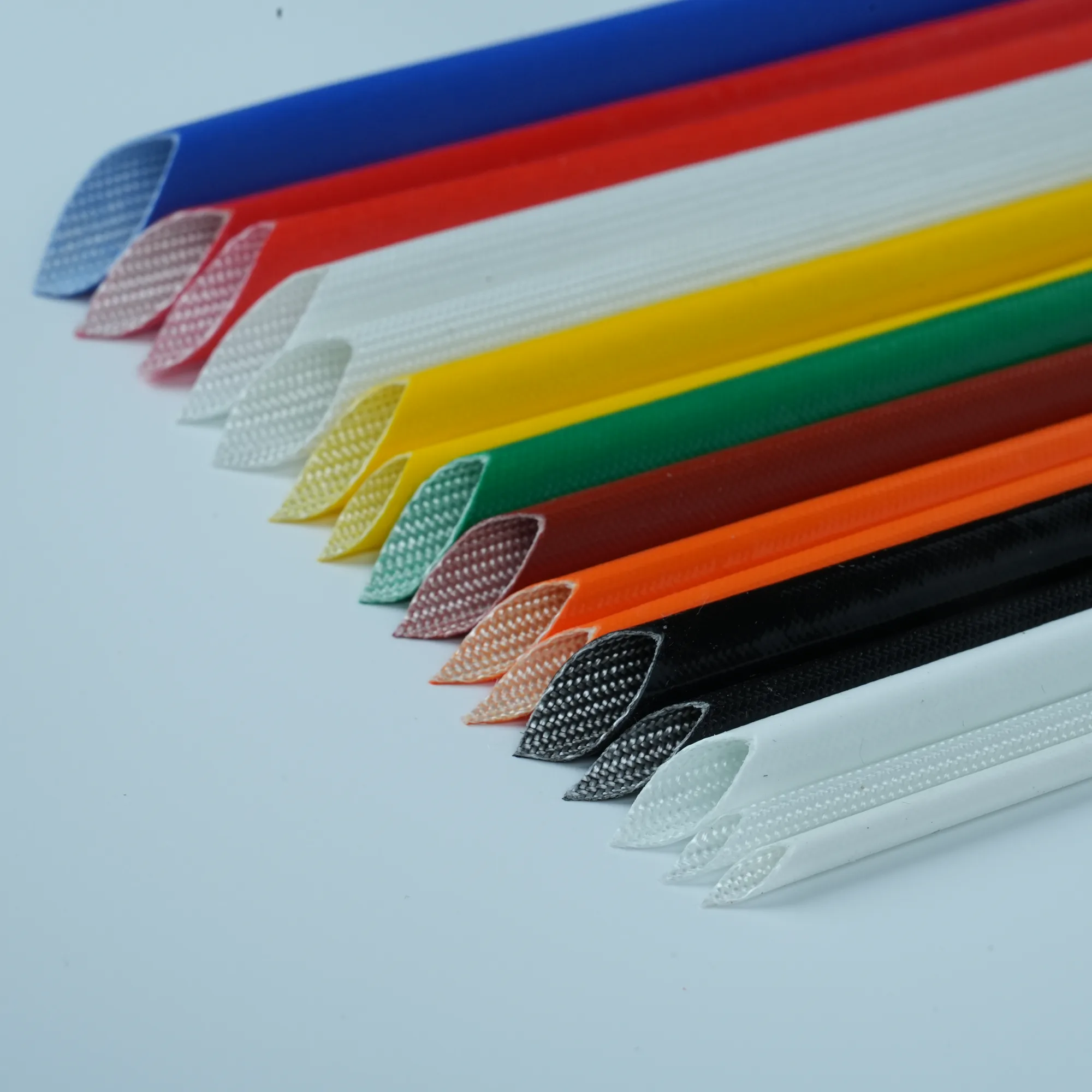
The demand for fiberglass sleeving continues to grow as industrial processes become more demanding and equipment operates at higher temperatures. Industries ranging from automotive manufacturing to aerospace engineering rely on quality fiberglass sleeving to maintain system integrity and safety standards. This guide explores the key applications where fiberglass sleeving delivers maximum performance and value.
Automotive and Engine Applications
Engine Bay Protection and Heat Management
The automotive industry represents one of the largest markets for fiberglass sleeving, particularly in engine compartments where heat resistance is paramount. Engine wiring harnesses face extreme temperatures as they route through areas near exhaust manifolds, turbochargers, and engine blocks. Fiberglass sleeving protects critical electrical connections from thermal degradation, preventing wire insulation breakdown that could lead to short circuits or vehicle failures.
Modern engine designs with higher performance specifications generate even more heat, making high temperature insulation solutions essential for reliability. Manufacturers use fiberglass sleeving to wrap fuel injector wires, ignition cables, and sensor leads that must withstand sustained temperatures exceeding 300 degrees Fahrenheit. This application directly impacts vehicle safety and longevity by maintaining electrical system integrity throughout the vehicle's operational life.
Transmission and Drivetrain Components
Beyond engine protection, fiberglass sleeving serves critical functions in transmission systems and drivetrain assemblies where heat and mechanical stress combine. Hydraulic line coverings, solenoid wiring, and shift control cables all benefit from the dual protection that fiberglass sleeving provides through its heat resistance and physical durability. The material's resistance to oils, fluids, and chemical exposure makes it ideal for these demanding underhood environments.
Wire protection in automotive applications extends beyond thermal considerations to include abrasion resistance and flame retardancy. Fiberglass sleeving prevents wires from rubbing against sharp edges, metal brackets, and moving components that could otherwise damage insulation during vehicle operation. This comprehensive protection reduces warranty claims and extends vehicle reliability across diverse operating conditions.
Industrial Equipment and Manufacturing
Welding and Metal Processing
Heavy industrial manufacturing, particularly welding operations and metal processing facilities, demands exceptional heat resistance from protective materials. Fiberglass sleeving withstands the intense thermal radiation and direct heat exposure found near welding arcs and molten metal handling zones. These environments routinely exceed 1000 degrees Fahrenheit in localized areas, making standard insulation materials inadequate for the application.
Welding cable protection represents a major use case where fiberglass sleeving prevents sparks and spatter from penetrating cable jackets and causing electrical faults. The high temperature insulation properties of fiberglass material allow welding operations to maintain electrical system safety while maintaining equipment accessibility and maneuverability. Industrial facilities recognize that investing in quality wire protection through fiberglass sleeving reduces downtime from electrical failures and improves overall operational efficiency.
Power Generation and Heating Systems
Power generation facilities, including coal-fired plants and industrial boiler systems, employ fiberglass sleeving extensively to protect instrumentation and control wiring in high-temperature zones. Temperature sensors, control cables, and power leads near furnaces and heat exchangers require robust insulation solutions that maintain functionality under continuous thermal stress. Fiberglass sleeving delivers the heat resistance necessary for these critical monitoring and safety applications.
HVAC systems, process heaters, and industrial dryers all incorporate fiberglass sleeving to protect electrical components from thermal damage. The material's low thermal conductivity reduces heat transfer to sensitive electronics while its fire-resistant properties enhance system safety. These applications demonstrate how fiberglass sleeving serves both protective and performance enhancement functions in industrial thermal management.
Aerospace and Specialized Industrial Applications
Aerospace Wiring and Avionics Protection
The aerospace industry demands the highest standards for high temperature insulation and wire protection, making fiberglass sleeving an essential component in aircraft systems. Engine compartments, auxiliary power units, and environmental control systems all utilize fiberglass sleeving to protect critical wiring that must maintain functionality in extreme temperature environments. Aerospace specifications require materials that maintain insulation properties and mechanical integrity across wide temperature ranges.
Aircraft manufacturing standards specify fiberglass sleeving for applications where weight, performance, and reliability must all meet stringent regulatory requirements. The material's combination of low weight, high temperature insulation capabilities, and proven reliability makes it preferable to heavier metal-based protective solutions. Aerospace applications validate that fiberglass sleeving performs consistently in the most demanding industrial environments.
Marine and Oil and Gas Operations
Offshore drilling platforms and subsea equipment face corrosive environments where wire protection must address both thermal and chemical challenges. Fiberglass sleeving resists saltwater corrosion, chemical exposure, and high-pressure environments while maintaining its heat resistance properties. Marine vessels and oil platforms depend on fiberglass sleeving to ensure electrical system reliability in hostile operating conditions where maintenance access and replacement opportunities are extremely limited.
Specialized marine applications including engine rooms, machinery spaces, and deck equipment all benefit from the comprehensive protection that fiberglass sleeving provides. The material's ability to withstand thermal cycling, moisture exposure, and mechanical stress makes it ideal for environments where traditional insulation materials would rapidly degrade. These demanding applications demonstrate the value of fiberglass sleeving for long-term system reliability in extreme industrial settings.
FAQ
What temperature ranges can fiberglass sleeving effectively protect wires?
Fiberglass sleeving typically maintains its protective properties across a wide temperature range from approximately minus 40 degrees Fahrenheit to over 500 degrees Fahrenheit, depending on the specific composition and any silicone coating applied. The heat resistance of fiberglass sleeving makes it suitable for both cryogenic applications and extreme high-temperature environments. For specific temperature requirements exceeding standard ranges, specialized fiberglass sleeving formulations with ceramic coatings or enhanced binders can extend performance capabilities further.
How does fiberglass sleeving compare to alternative wire protection materials?
Fiberglass sleeving offers superior heat resistance and high temperature insulation performance compared to standard PVC or rubber insulation, while remaining more cost-effective than metal braiding or ceramic-based alternatives. The material provides excellent wire protection through its combination of thermal insulation, mechanical strength, and chemical resistance without the weight penalties of metal solutions. For most industrial applications, fiberglass sleeving delivers the optimal balance of performance, durability, and economy.
Can fiberglass sleeving be used in applications with continuous exposure to moisture and humidity?
Standard fiberglass sleeving tolerates moisture exposure well, though silicone-coated variants provide enhanced water resistance for marine and outdoor applications requiring superior wire protection. The heat resistance and structural integrity of fiberglass material remain stable in wet environments, making it suitable for splash zones and high-humidity industrial settings. For critical applications in wet environments, selecting fiberglass sleeving with appropriate coatings ensures optimal protection and extended service life.
 EN







