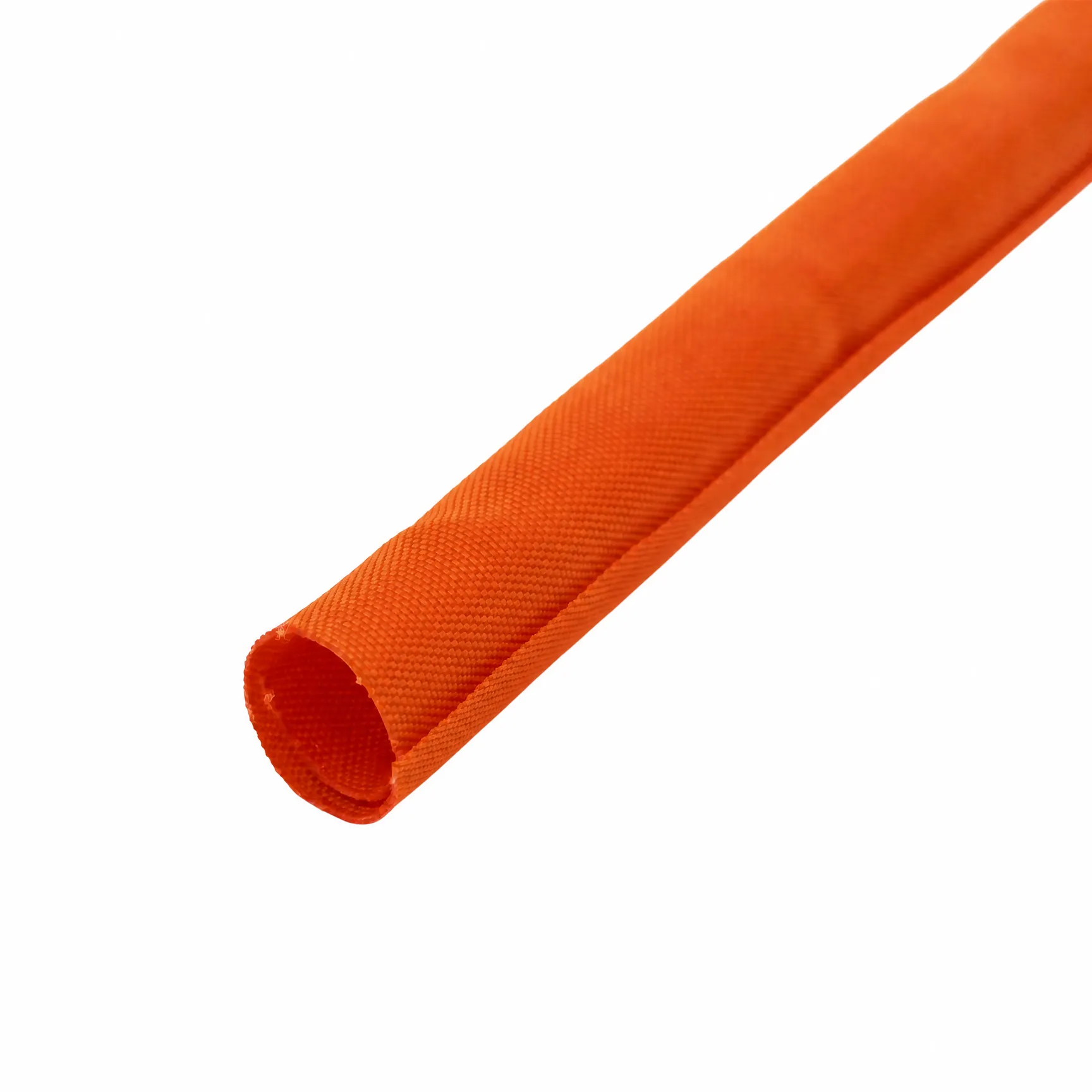
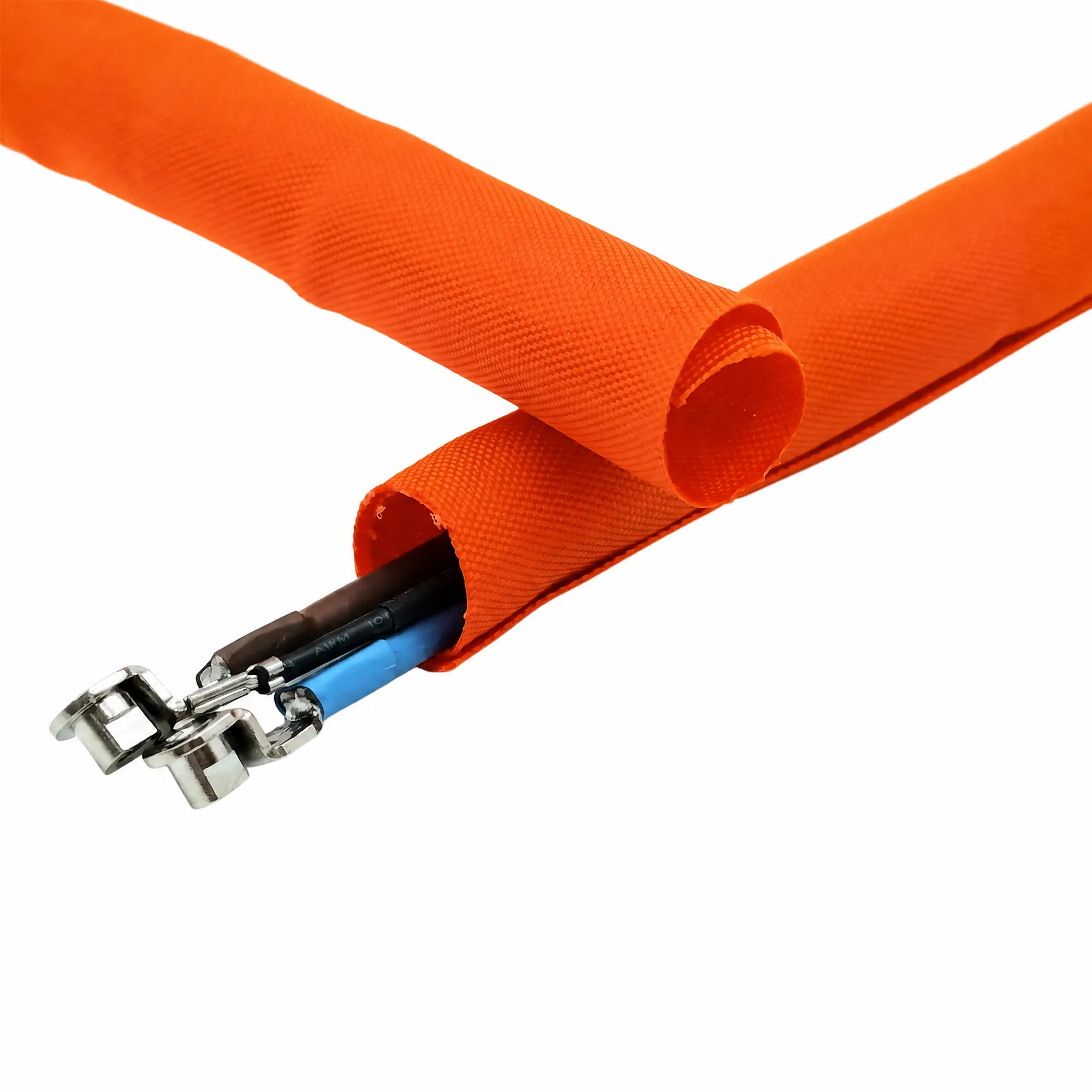
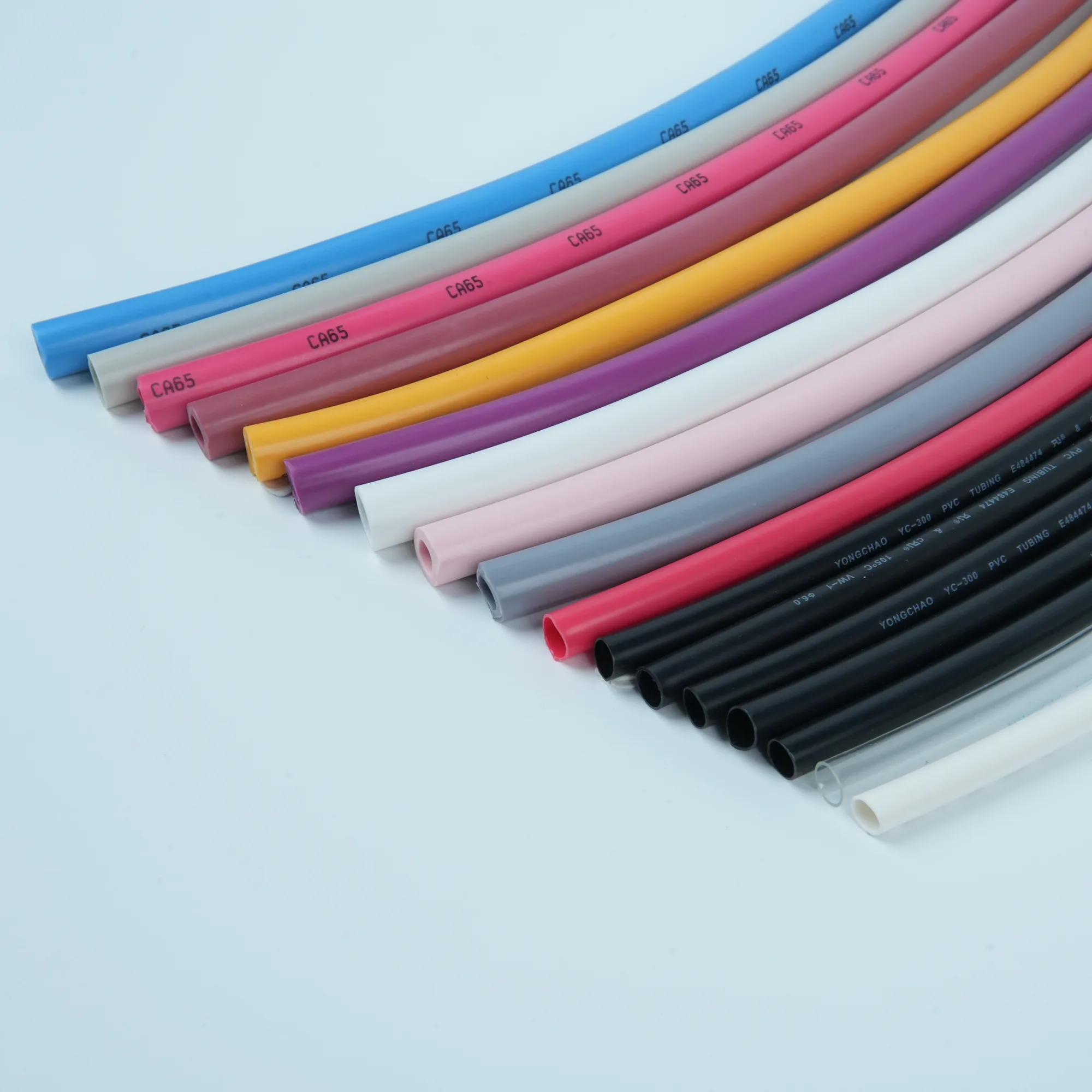
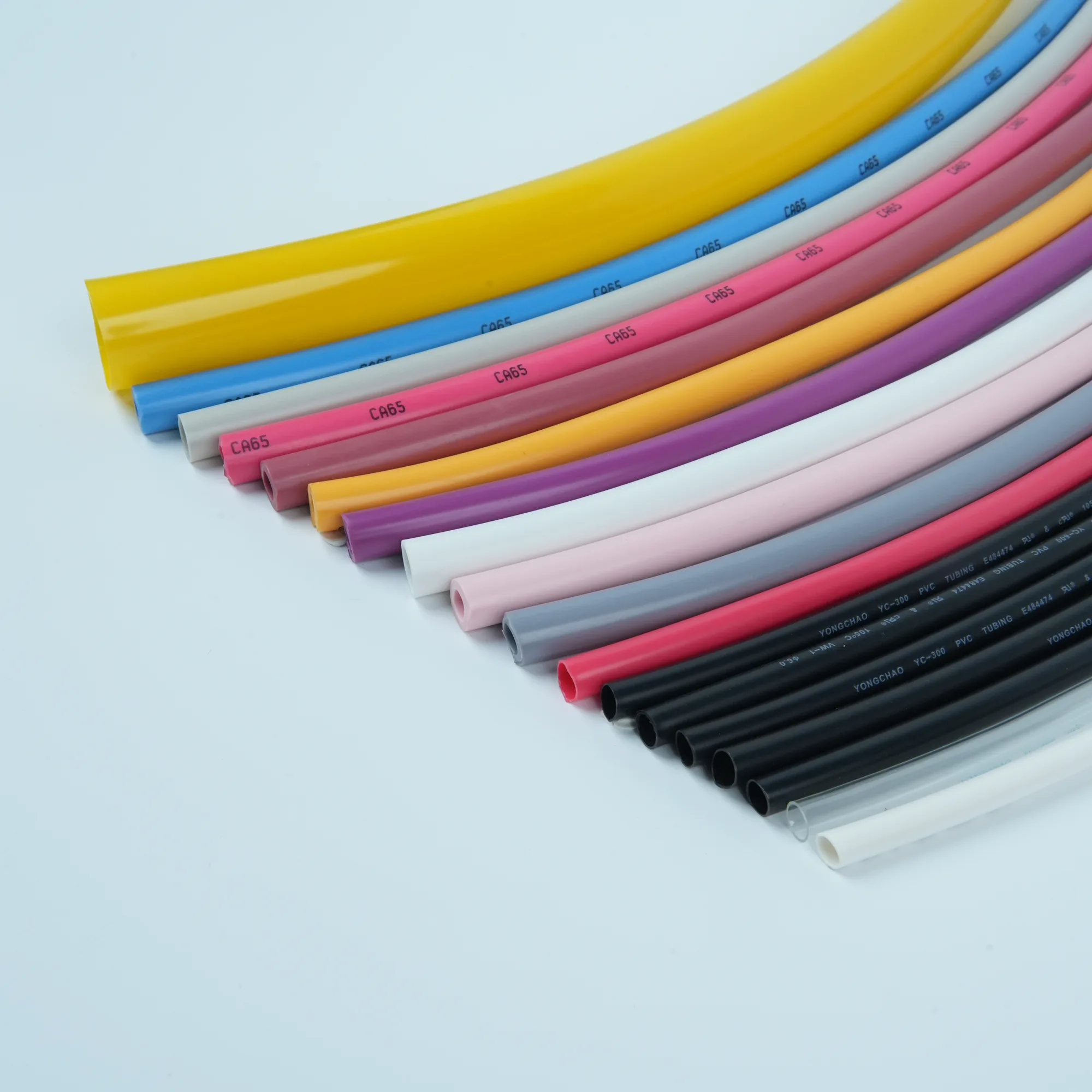
Adhesive-lined Dual Wall Heat Shrinkable Tubing
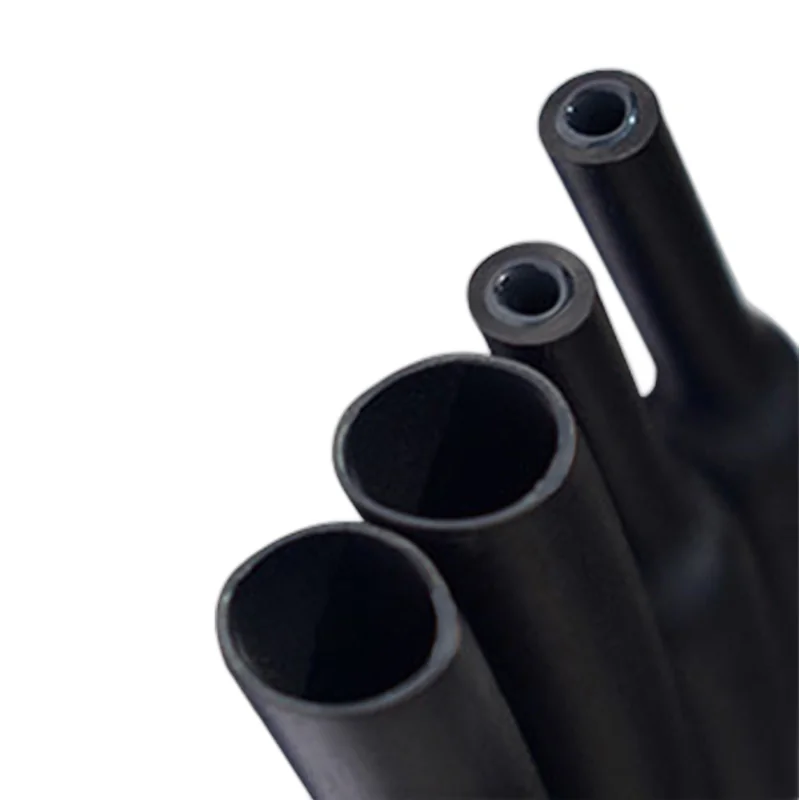
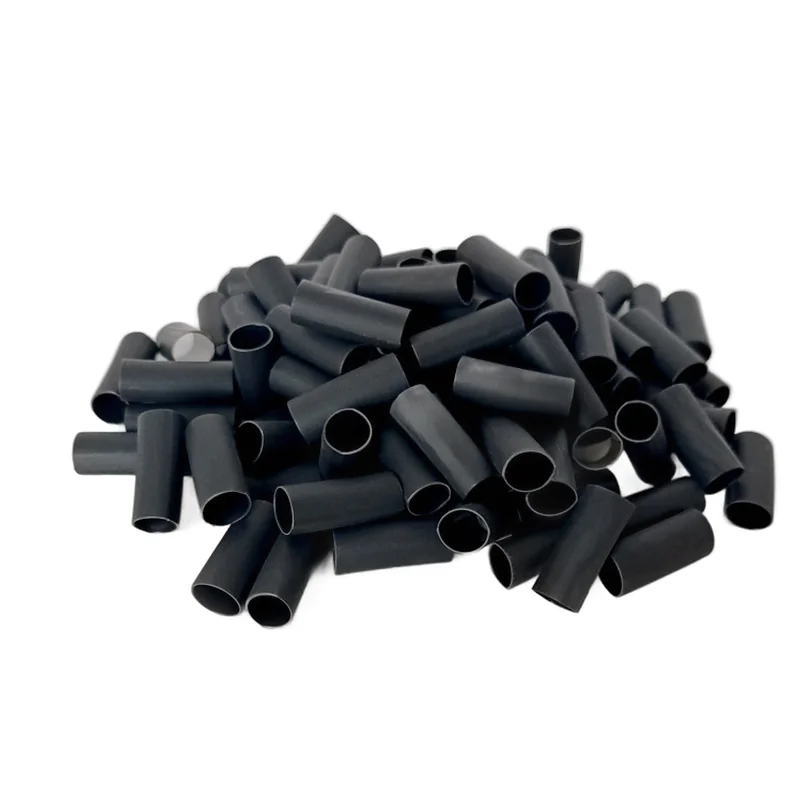
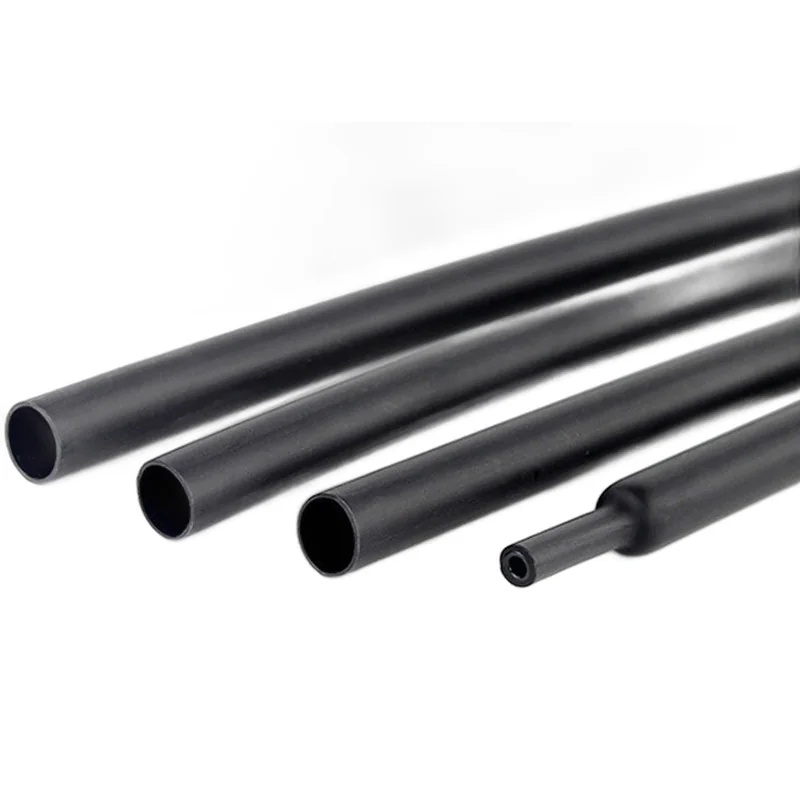
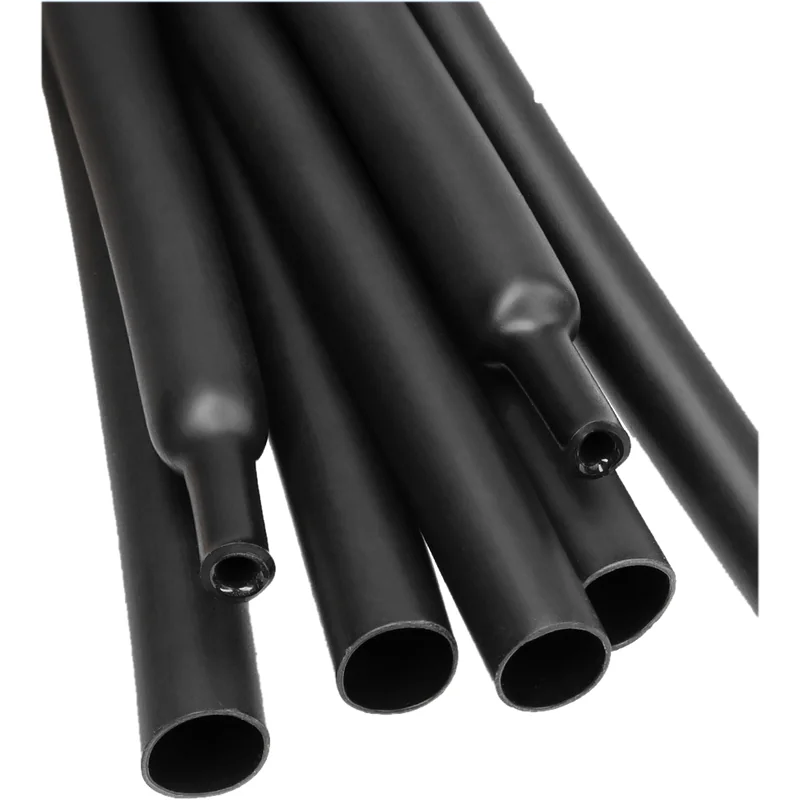
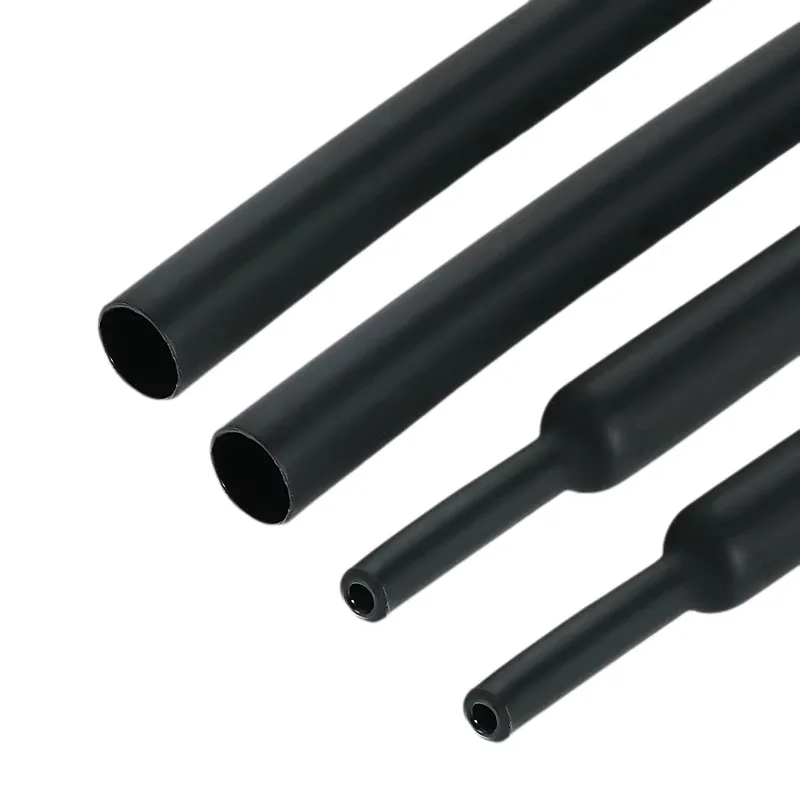
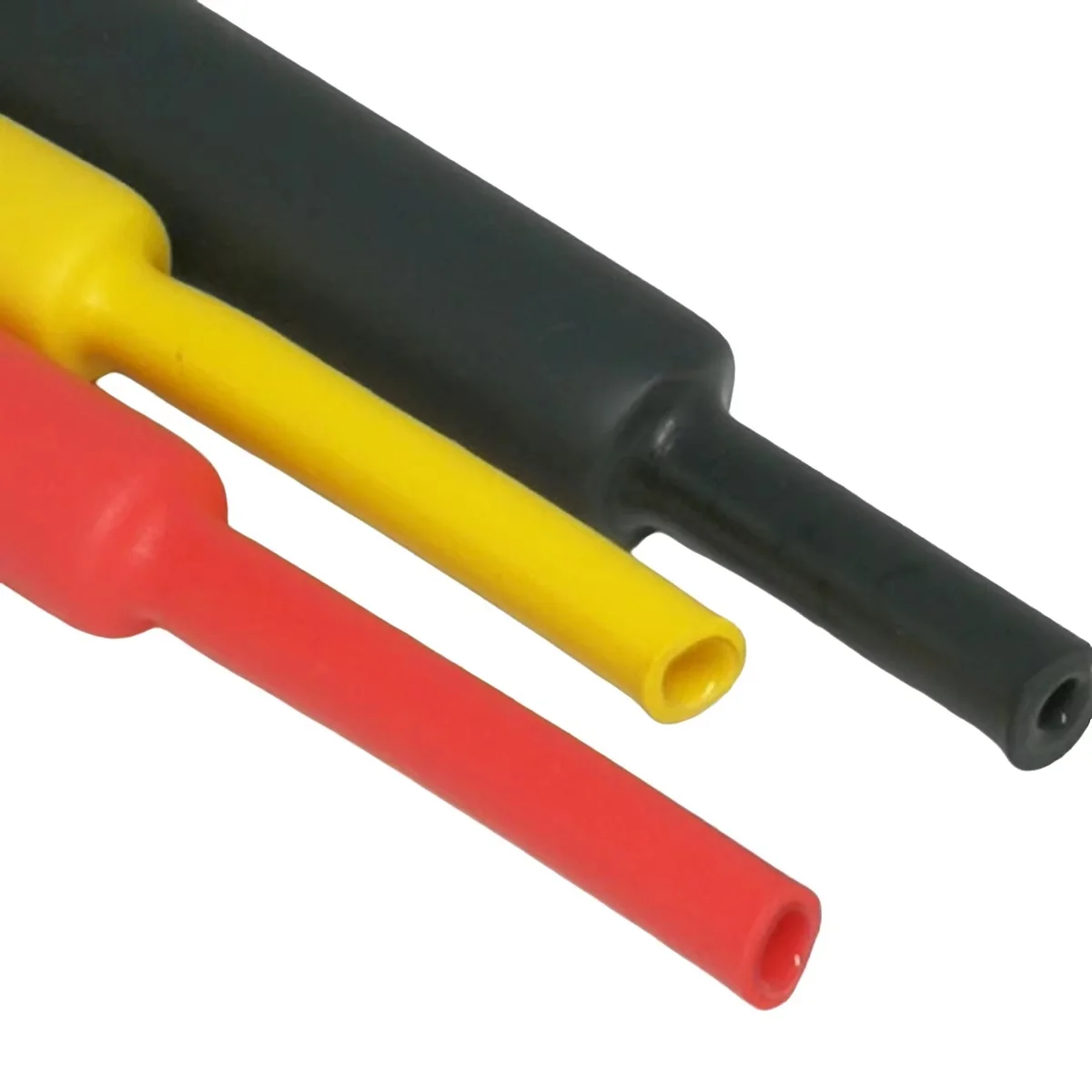
Adhesive-lined Dual Wall Heat Shrinkable Tubing is a dual-wall sleeve for wire, cable, splice, branch, and protected-component applications that need insulation, mechanical retention, and a sealed finish to work together. The outer wall is made from crosslinking modified polyolefin resin, while the inner layer uses hot-melt adhesive. During correct heating, the outer wall recovers around the covered component and the adhesive is intended to flow into practical gaps at the interface. This construction makes the product a more purposeful choice than a simple covering when the assembly needs close coverage around uneven shapes or transitions.
For a technical buyer, the first question is not only whether a tube will shrink. It is whether the starting diameter, recovered diameter, shrinkage ratio, heating process, finished wall, and joint geometry fit the installation. Adhesive-lined Dual Wall Heat Shrinkable Tubing is offered in 2:1, 3:1, and 4:1 shrinkage ratios. A higher ratio can help the sleeve pass over connectors, branches, or uneven profiles, but it should still recover closely enough on the smallest area that requires coverage. Product performance is one part of the result; component preparation, overlap, compatible materials, and heating practice are also part of the finished system.
Construction and Documented Performance
The dual-wall design combines an external heat-shrink layer with an internal hot-melt adhesive layer. With suitable heating, the construction is intended to form a close protective layer and support the waterproof and moisture-resistant performance described for this product. The supplied product information describes the tubing as flexible, flame-retardant, and environment-friendly. It also cites UL224 and VW-1 flame-retardance information. Those references can support technical review, but they do not replace the confirmation of current documents, target-market requirements, and assembly-level tests for a specific project.
| Item |
Documented characteristic |
| Minimum shrinkage temperature |
80°C |
| Listed shrinkage temperature |
110°C |
| Minimum complete shrinkage temperature |
125°C |
| Operating temperature |
-55°C to 125°C |
| Radial shrinkage rate |
≥50% |
| Longitudinal length change |
≤10% |
| Tensile strength |
≥10.4 MPa |
| Elongation at break |
≥200% |
| Volume resistivity |
≥1013 Ω·cm |
| Dielectric test |
2500V for 60 seconds, no breakdown |
| Flame retardance |
VW-1 |
| Water content |
≤0.4% |
| Softening point |
120°C ±5°C |
| Peel strength |
80N/25mm |
The supplied material also lists excellent solvent resistance and a hot-air aging test condition of 158.0°C ±1.0°C for 168 hours. After aging, the listed tensile strength is at least 7.3 MPa and elongation is at least 100%. These figures are useful comparison points for engineering and quality teams. They should not be treated as a substitute for validation on the actual conductor, connector, joint geometry, and heating procedure, especially when the finished assembly is safety-critical.
Features That Support Harness Protection
-
Adhesive-lined construction: the hot-melt inner layer is designed to support a sealed fit around covered components after recovery.
-
Multiple ratio options: 2:1, 3:1, and 4:1 options provide a selection path for different dimensional changes.
-
Flexible outer wall: the crosslinked modified polyolefin outer layer supports practical harness-protection tasks.
-
Technical reference data: electrical, mechanical, aging, flame-retardance, water-content, and peel-strength indicators are supplied for comparison.
-
Application-oriented selection: the sleeve can be evaluated by functional need, dimensions, ratio, and verification requirements rather than appearance alone.
A common misunderstanding is that any heat-shrink sleeve that looks smooth after heating has made a complete seal. In practice, a smooth surface does not by itself prove suitable adhesive coverage or process control. If the project requires a sealed interface, confirm cleanliness, sleeve length, overlap, compatible component materials, and the validated acceptance method. Likewise, a listed flame reference does not automatically confirm compliance for every final product or destination market. The relevant standard direction and the actual application requirement should be checked together.
How to Select Size and Shrinkage Ratio
Start with the largest feature the sleeve must pass over, then identify the smallest dimension that must be covered after recovery. Select a size and ratio that can accommodate both conditions. Allow sufficient sleeve length beyond the target joint or transition so the covered area remains protected after recovery. For a branch or irregular profile, also check whether a straight sleeve is appropriate or whether a purpose-designed breakout solution is needed. Choosing the highest available ratio is not always the best result; an oversized or unnecessarily heavy solution can add cost or create a poor fit in limited installation space.
For the 2:1 series, listed sizes range from 3/64 inch through 2 inches. Examples include 3/64 inch with a 1.2 mm minimum inner diameter and 0.60 mm maximum inner diameter, 1/4 inch with 6.4 mm and 3.20 mm, 1 inch with 25.4 mm and 12.70 mm, and 2 inches with 50.8 mm and 25.40 mm. For the 3:1 series, supplied examples include 1/8 inch at 3.2 mm and 1 mm, 1/2 inch at 12.7 mm and 4 mm, and 1-1/2 inches at 40 mm and 13.7 mm. The 4:1 series is listed from 4 mm to 1 mm through 32 mm to 8 mm. Consult the applicable datasheet when wall build or a particular dimensional tolerance is important.
Applications and Installation
Use the tubing for electronic equipment wiring, wire branches, splices, metallic pipeline protection, and protected components only after confirming the complete assembly requirements. Apply heat evenly with a validated method, and confirm conductor rating, coverage length, component heat tolerance, and acceptance criteria. For comparisons with a heat resistant glass tube or fiberglass high temperature sleeving, select according to the required construction and finished function rather than appearance alone. Dongguan Chengrun New Materials Co., Ltd. can support size confirmation when intended use, dimensions, market, and test criteria are provided.
 EN

 Download Product Manual: