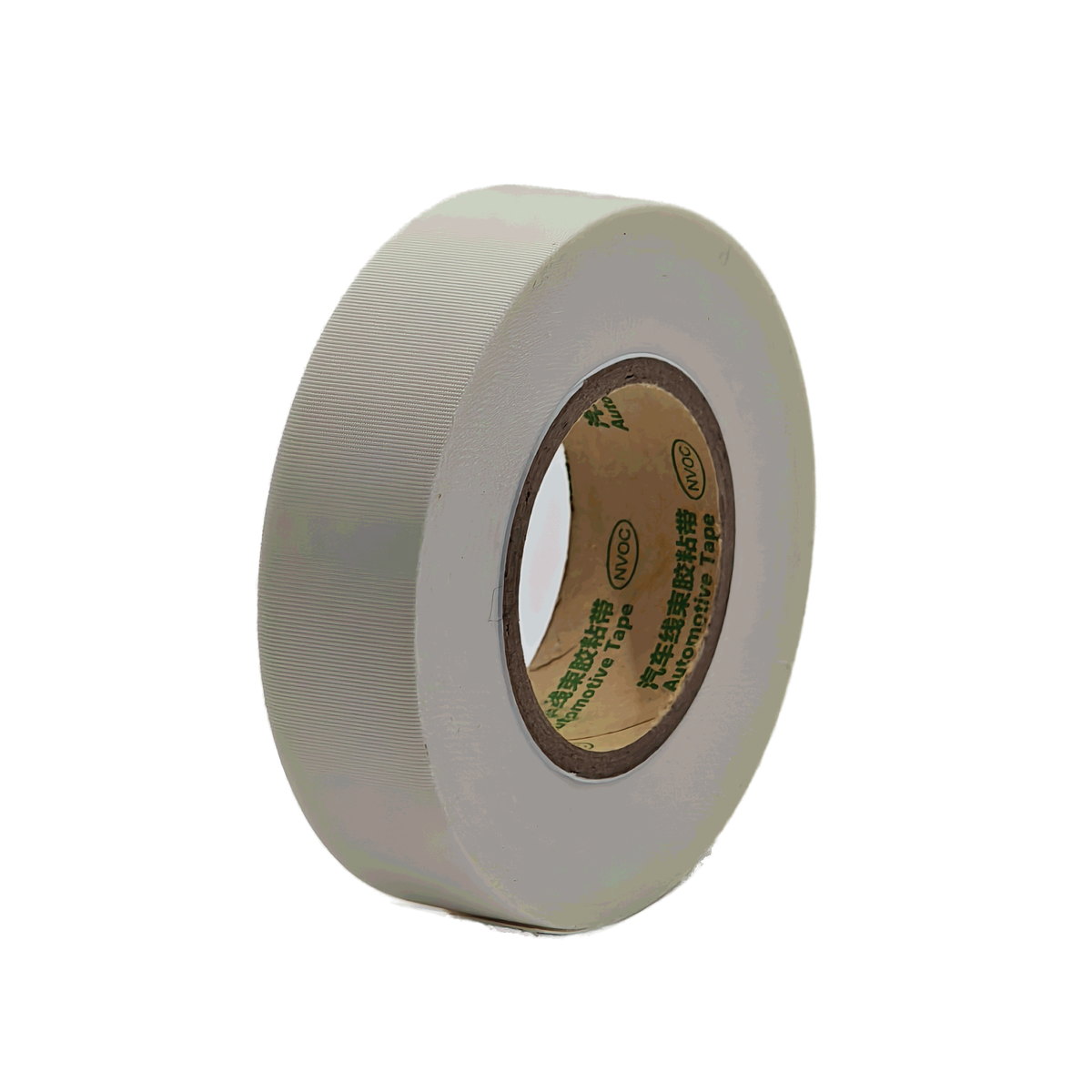
Quality control in production begins long before materials reach the assembly line. Checking roll consistency before using acetate cloth tape is a critical step that manufacturing teams often overlook, yet it directly impacts the reliability of automotive harness and wire harness applications. When acetate cloth tape fails to meet consistency standards, downstream defects emerge—poor adhesion, irregular width tolerances, and compromised insulation properties that compromise the entire harness assembly. This inspection process doesn't require specialized equipment; it demands attention, systematic checks, and understanding what constitutes acceptable roll quality.
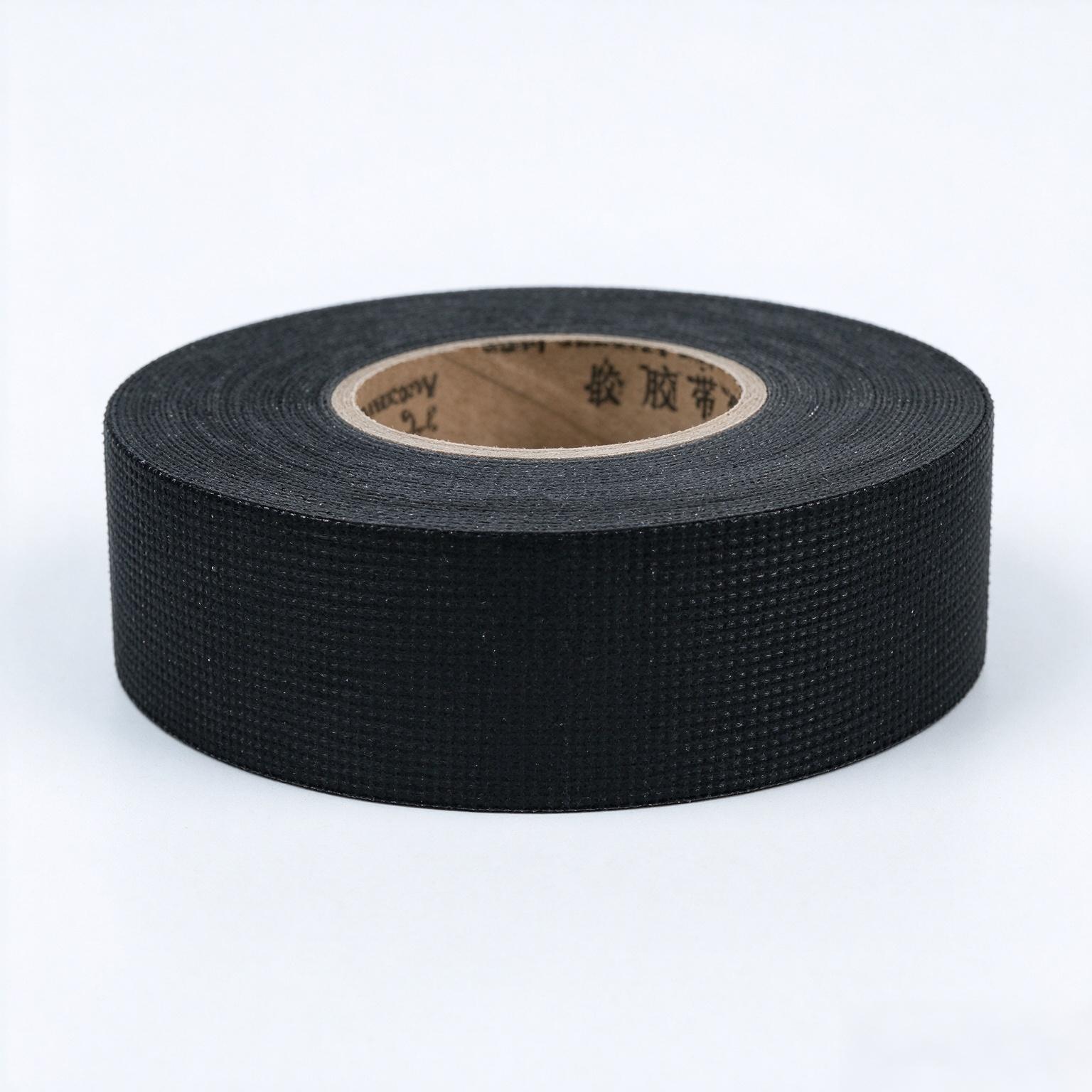
Before integrating acetate cloth tape into your production workflow, establishing a pre-use verification routine protects against material inconsistencies that waste time and increase scrap rates. The examination process focuses on physical properties, adhesive performance, and dimensional accuracy—three pillars that determine whether cloth tape will function properly in demanding automotive environments. Understanding these checks transforms quality assurance from a reactive troubleshooting exercise into a proactive safeguard.
Visual Inspection and Physical Properties
Assessing Roll Surface Quality
The first checkpoint involves a thorough visual examination of the acetate cloth tape roll itself. Place the roll on a flat surface and inspect the wound tape for obvious defects such as wrinkles, creases, or uneven tension patterns. A properly wound cloth tape roll should maintain consistent wrapping without gaps between layers. Look for any visible contamination—dust, fibers, or residue—that could transfer to the harness during application. The outer surface should feel uniform to the touch; any rough spots, sticky residue, or brittleness indicate potential manufacturing inconsistencies or storage problems that will cause adhesive or tensioning issues during production.
Checking Width and Edge Consistency
Wire harness tape must maintain precise width specifications across the entire roll length. Use a ruler or caliper to measure the tape width at multiple points—beginning, middle, and end of the roll. For automotive harness applications, tolerance typically falls within ±1mm depending on your specification requirements. Uneven width indicates improper slitting during manufacturing, which compromises the tape's ability to provide consistent coverage on the harness. Run your thumb along both edges; they should feel sharp and clean, not frayed or peeling. Any feathering or edge deterioration suggests the roll was damaged or improperly stored and should be rejected before it reaches production.
Adhesive Performance Validation
Conducting Tack and Release Testing
Acetate cloth tape adhesive must balance two opposing qualities: strong enough to maintain contact during assembly, yet removable without leaving residue. Begin with a simple tack test by cutting a 10cm sample and applying it to a clean glass surface or test panel. Press firmly for three seconds, then attempt to peel it away. The tape should adhere immediately without requiring excessive pressure, and removal should feel controlled—not so weak that it falls away, nor so strong that it tears or leaves adhesive residue. If the tape behaves inconsistently across different samples from the same roll, the adhesive was not applied uniformly during manufacturing. For wire harness applications, this inconsistency translates directly into assembly line delays and rework.
Temperature and Environmental Resistance
Automotive environments demand cloth tape that maintains adhesive properties across temperature extremes and humidity variations. Cut another 10cm sample and expose it to elevated temperature (approximately 60–70°C) for 30 minutes, then allow it to cool. The adhesive should remain stable without becoming overly tacky or hardening excessively. Similarly, expose a sample to moderate humidity or brief water contact to confirm the tape does not delaminate or lose adhesion. This quick environmental check prevents surprises when harness assemblies encounter real-world conditions. Wire harness tape that fails this validation indicates either improper adhesive formulation or degradation during storage, both scenarios requiring rejection of the entire roll.
Dimensional and Application Readiness Assessment
Measuring Roll Diameter and Usable Length
Production planning depends on accurate understanding of how much cloth tape each roll contains. Measure the outer diameter of the roll and cross-reference it against the manufacturer's specification sheet to confirm it matches expected dimensions. A roll that is noticeably smaller or larger indicates either under-winding or over-winding, both problematic for production scheduling. For automotive harness applications, knowing the exact length available ensures you order sufficient inventory and avoid mid-production shortages. Unwind a few meters and visually confirm that the tape thickness appears consistent; any variation suggests inconsistent calendering during manufacturing, which will cause tracking problems on automated applicators.
Testing Unwind Performance
Before committing the roll to production equipment, manually unwind approximately 1–2 meters to assess how the tape behaves. It should unwind smoothly without snagging, overlapping layers, or sudden resistance. If tension varies throughout the unwind, the roll was wound with inconsistent pressure and will cause feed problems on your applicator. Wire harness tape that binds or releases unevenly during unwind creates alignment problems when wrapping harness bundles. Check that the tape maintains its shape when unspooled; if it curls excessively, the roll may have been stored in improper conditions or the backing material was compromised. These unwind checks take only minutes but reveal critical information about whether the roll will perform reliably during high-speed production runs.
FAQ
Why should cloth tape consistency be checked before production rather than during?
Checking acetate cloth tape consistency before production prevents defective material from entering the assembly line, where discovery costs exponentially more. A bad roll discovered during setup catches the problem immediately; the same roll discovered mid-production after thousands of harnesses already wrapped causes expensive rework, potential customer shipment delays, and quality escapes. Pre-use inspection transforms material problems from production disasters into simple roll rejections.
What specific measurements should be recorded during the roll consistency check?
Document tape width (at beginning, middle, and end), roll outer diameter, visual surface quality observations, tack test results, temperature resistance findings, and unwind smoothness notes. For automotive harness operations, create a simple checklist that operators complete for each roll, building a quality record that links any downstream harness issues back to material characteristics. This traceability is essential for root-cause analysis and continuous improvement in wire harness tape selection.
Can cloth tape rolls that fail consistency checks ever be salvaged?
Minor issues such as slight width variation at one end or temporary adhesive softness from storage temperature exposure may sometimes be corrected through proper re-conditioning. However, for automotive harness applications where reliability is non-negotiable, failed consistency checks typically warrant full roll rejection. The cost of rework and potential quality escapes far exceeds the cost of replacing questionable cloth tape inventory. Always err on the side of rejection when acetate cloth tape fails to meet specifications.
 EN