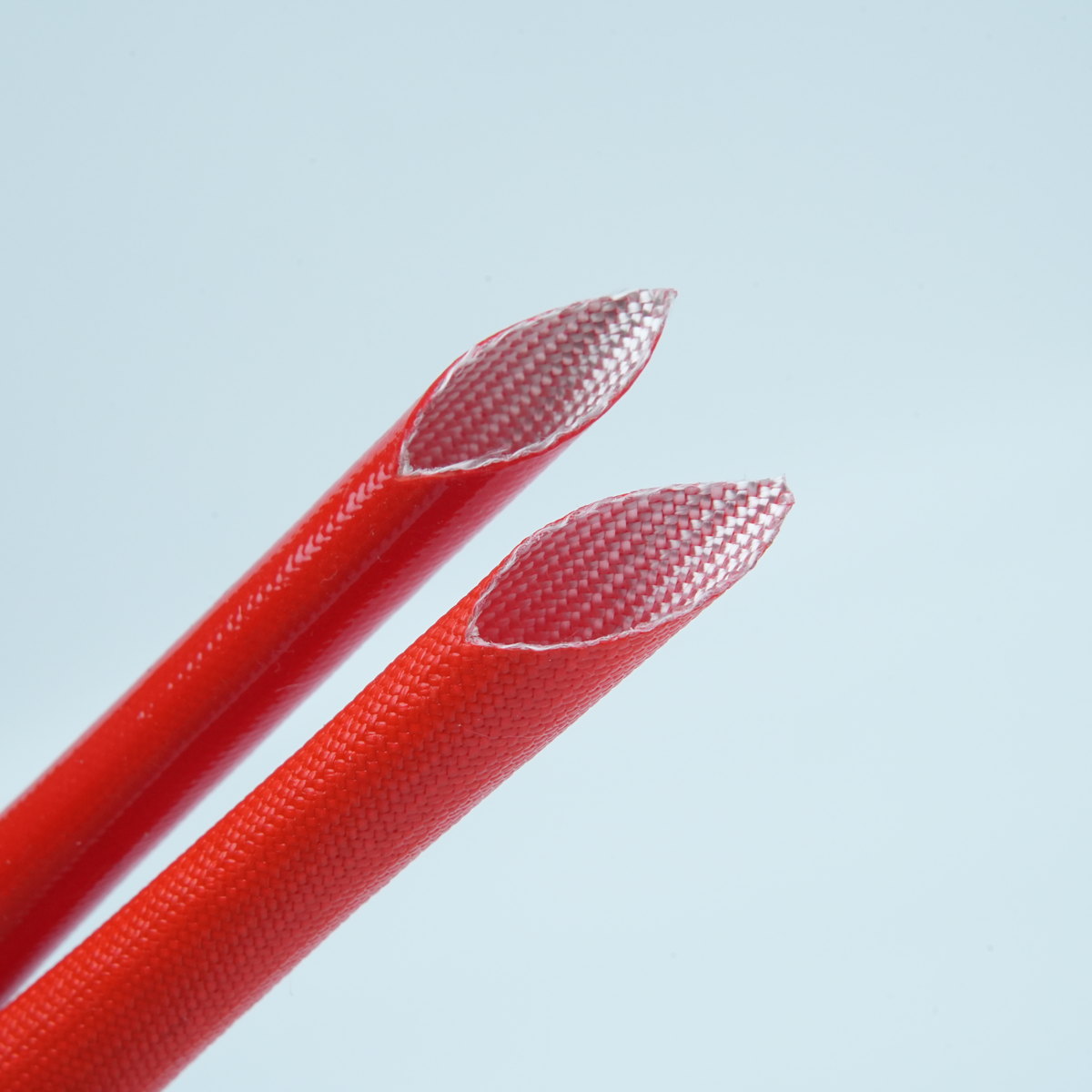
Planning fiberglass sleeving validation is critical before launching mass production of any electrical assembly. This process ensures that your wire protection and electrical insulation meet both industry standards and customer performance requirements. A comprehensive validation strategy reduces costly redesigns, supply chain delays, and field failures after production has begun.
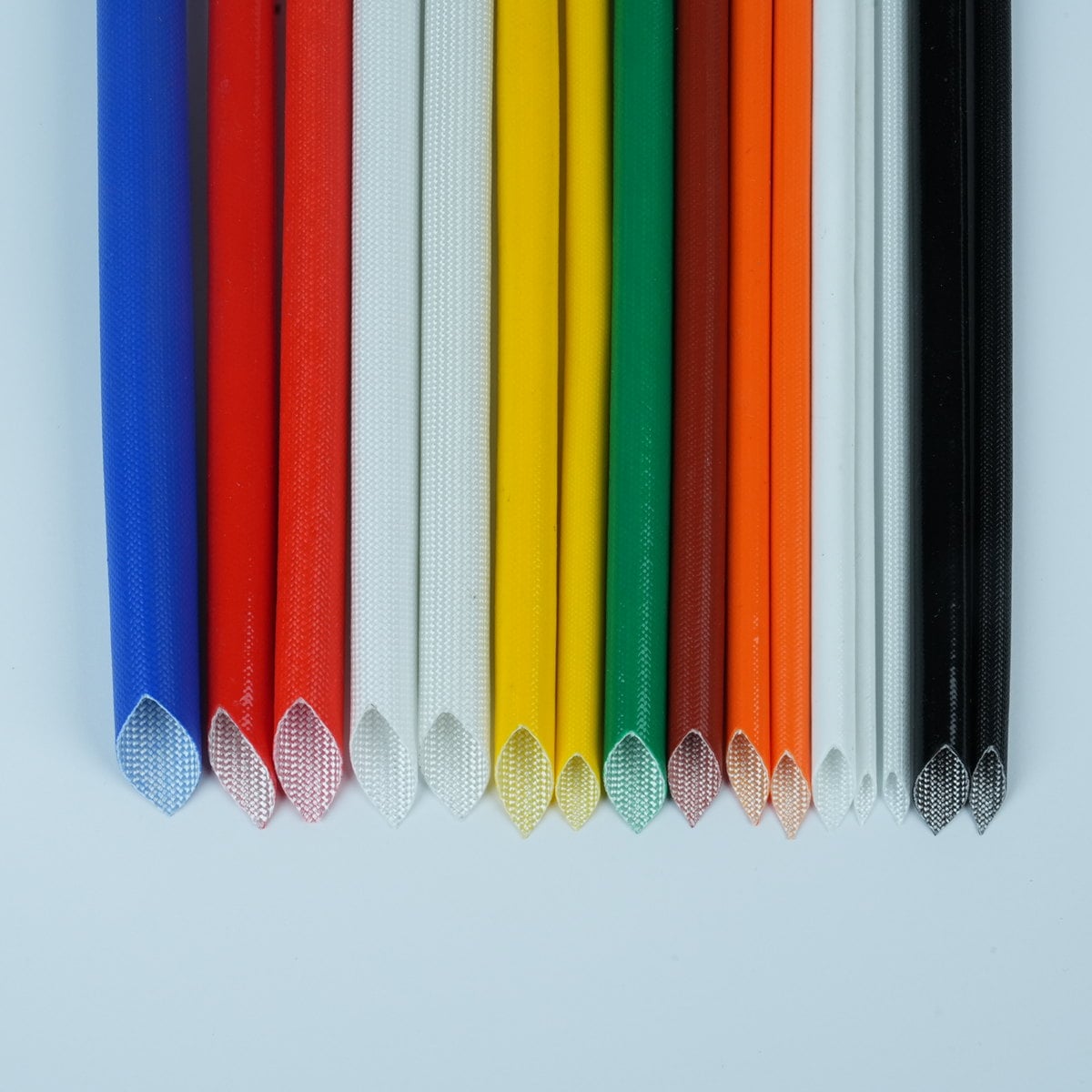
Effective validation planning requires a structured approach that addresses material specifications, thermal performance, mechanical durability, and regulatory compliance. By establishing clear validation criteria early, manufacturers can confidently transition from prototype to production without discovering critical issues at scale. This article outlines the key steps, testing protocols, and decision points necessary to validate cable sleeving solutions before full-volume manufacturing.
Core Material and Performance Criteria
Fiberglass sleeving serves as a primary barrier for wire protection in high-temperature and high-voltage applications. Your validation plan must first establish the baseline material specifications, including fiberglass denier, resin type, thickness, and coating composition. The electrical insulation properties depend on both the base fiberglass and any additional protective coatings, such as silicone or aluminum foil wrapping.
Start by documenting the intended operating environment: temperature range, chemical exposure, mechanical stress, and electrical voltage levels. These environmental parameters directly determine which cable sleeving grades and material combinations will perform adequately. For example, applications requiring temperatures above 200°C demand high-temperature resins and premium fiberglass constructions, whereas standard industrial wire protection may use simpler weaves.
Regulatory and Industry Standards
Different industries and regions impose strict compliance requirements on electrical insulation. Your validation checklist must reference applicable standards such as UL, IEC, or military specifications relevant to your product category. These standards define minimum performance metrics for electrical insulation, flame resistance, tensile strength, and flammability. Identifying which certifications and test methods apply before validation begins prevents rework and accelerates approval timelines.
Engage with your quality and compliance teams early to map which regulatory tests your cable sleeving must pass. This alignment ensures that your validation testing directly supports eventual certification submissions.
Designing the Validation Test Protocol
Thermal and Environmental Testing
Temperature cycling, thermal aging, and humidity exposure are foundational validation activities for fiberglass sleeving used in demanding environments. Thermal testing verifies that your wire protection maintains electrical insulation integrity and mechanical properties across the intended temperature range. Most validation protocols include continuous heat aging at maximum operating temperature for 1000 to 5000 hours, followed by post-aging electrical and mechanical testing.
Design your thermal protocol to include cool-down cycles if the application experiences temperature fluctuations. Rapid thermal cycling can cause internal stress cracking in resin-matrix materials. Cable sleeving validation should also incorporate humidity testing to confirm that moisture ingress does not degrade electrical insulation properties or promote corrosion on embedded wires.
Mechanical and Electrical Performance Testing
Mechanical durability directly affects long-term reliability of cable sleeving in production environments. Your validation plan must include tensile strength testing, abrasion resistance, flame propagation tests, and cut-through resistance. These mechanical tests establish whether the fiberglass sleeving can withstand installation stresses, vibration, and flexing during assembly and service life.
Electrical testing focuses on dielectric breakdown voltage, volume resistivity, and surface tracking under stress. These measurements confirm that your electrical insulation meets minimum safety thresholds and will not fail under fault conditions. Validation samples should be tested both in pristine condition and after thermal aging to demonstrate performance margins throughout the product lifecycle.
Establishing Sampling Strategy and Documentation
Sample Selection and Test Lot Diversity
A robust validation plan requires testing samples from multiple production lots and raw material sources to confirm process consistency. Wire protection and cable sleeving performance can vary based on supplier, manufacturing line, environmental conditions, and batch-to-batch resin properties. Your sampling strategy should include materials from different suppliers if you plan multi-source qualification, or from different production shifts if using a single supplier.
Establish minimum sample sizes based on statistical significance requirements and regulatory expectations. Most validation programs test minimum 10 to 30 samples per test condition to ensure reliable conclusions. Document the traceability of each sample, including material lot numbers, production dates, and any variations in processing parameters.
Test Data Recording and Acceptance Criteria
Create a detailed validation matrix that defines pass/fail criteria for every test method before testing begins. This matrix should reference specific numerical limits for electrical insulation breakdown voltage, tensile strength, flame rating, and any other performance metrics. Pre-defined acceptance criteria prevent subjective interpretation and provide clear evidence for certification audits.
Document all test results, including non-conformances, corrective actions, and retest outcomes. This comprehensive record demonstrates due diligence to regulatory authorities and provides a baseline for troubleshooting if field issues arise. Include photographs, test certificates from third-party labs, and any deviations from the original validation plan with clear justification.
Transition Planning and Risk Mitigation
Pilot Production and Scale-Up Validation
Before committing to full mass production, run a limited pilot build using production-scale tooling and processes. This pilot fiberglass sleeving run validates that your manufacturing process, supplier quality, and assembly procedures replicate the performance achieved during lab validation. Pilot production often reveals process variables that lab testing did not encounter, such as handling damage, assembly-line thermal profiles, or packaging stresses.
Sample materials from the pilot run and test them using the same protocol established during validation. If pilot results match laboratory baselines, you gain confidence that the validated design will perform reliably in full production. If pilot testing reveals discrepancies, investigate root causes and make corrective adjustments before ramping volume.
Post-Production Surveillance and Continuous Improvement
Validation does not end when mass production begins. Establish an ongoing surveillance program that includes periodic testing of production samples to confirm that wire protection and electrical insulation properties remain within validated ranges. This continuous monitoring catches process drift, supplier quality degradation, or environmental storage issues before they affect delivered products.
Create a feedback loop that links field performance data, customer complaints, and production sample testing results. If early production experiences higher-than-expected failure rates, initiate investigation and testing to identify the root cause. This proactive approach protects brand reputation and ensures that cable sleeving performance remains consistent throughout the product lifecycle.
FAQ
What is the typical timeline for fiberglass sleeving validation before production?
Comprehensive validation typically requires 3 to 6 months depending on complexity and regulatory requirements. Thermal aging alone can consume 2 to 3 months, and third-party certifications may add additional time. Starting validation early in the product development cycle prevents delays when production launch approaches.
How do I choose between different cable sleeving materials during validation?
Compare candidate materials side-by-side using identical test protocols covering your full operating range. Evaluate cost, performance margins, supplier availability, and future scalability. Often, validation reveals that higher-cost specialty materials provide no benefit over standard-grade options for your specific application, or conversely, that premium grades are necessary to meet safety margins.
What happens if validation testing reveals that wire protection does not meet requirements?
Investigate whether adjustments to material grade, coating thickness, resin type, or manufacturing process can resolve the shortfall. You may also reconsider design assumptions, such as operating temperature limits or electrical stress levels. Make changes, re-validate using the same protocol, and document the impact on timeline and cost before proceeding to production.
 EN