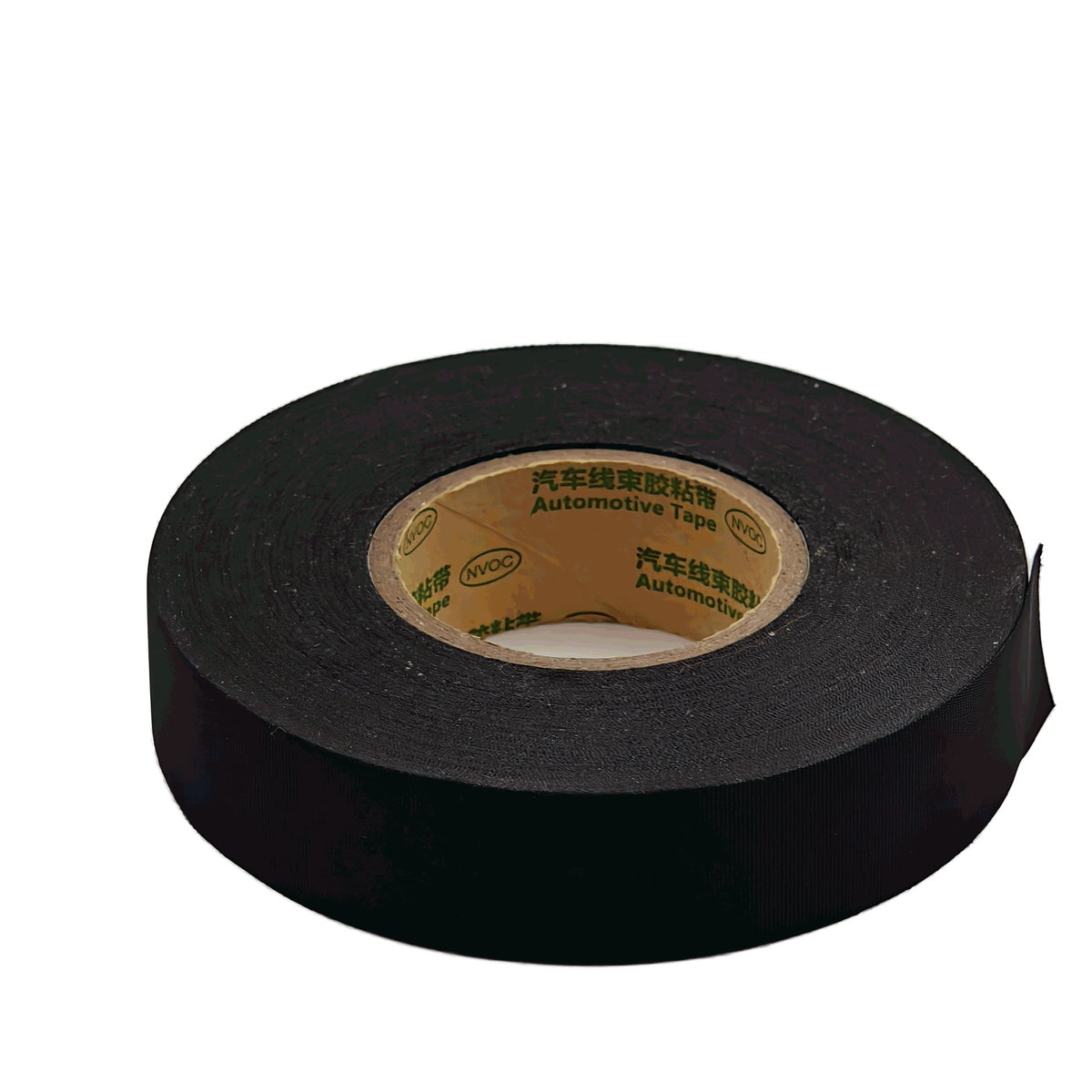
Selecting the right acetate cloth tape for your manufacturing process requires careful evaluation of sample materials before committing to full-scale production. Many manufacturers skip or rush the sampling phase, leading to quality issues, performance failures, and costly production delays. A structured evaluation process protects your product integrity and ensures the cloth tape you select meets your exact specifications, regulatory requirements, and long-term performance demands.
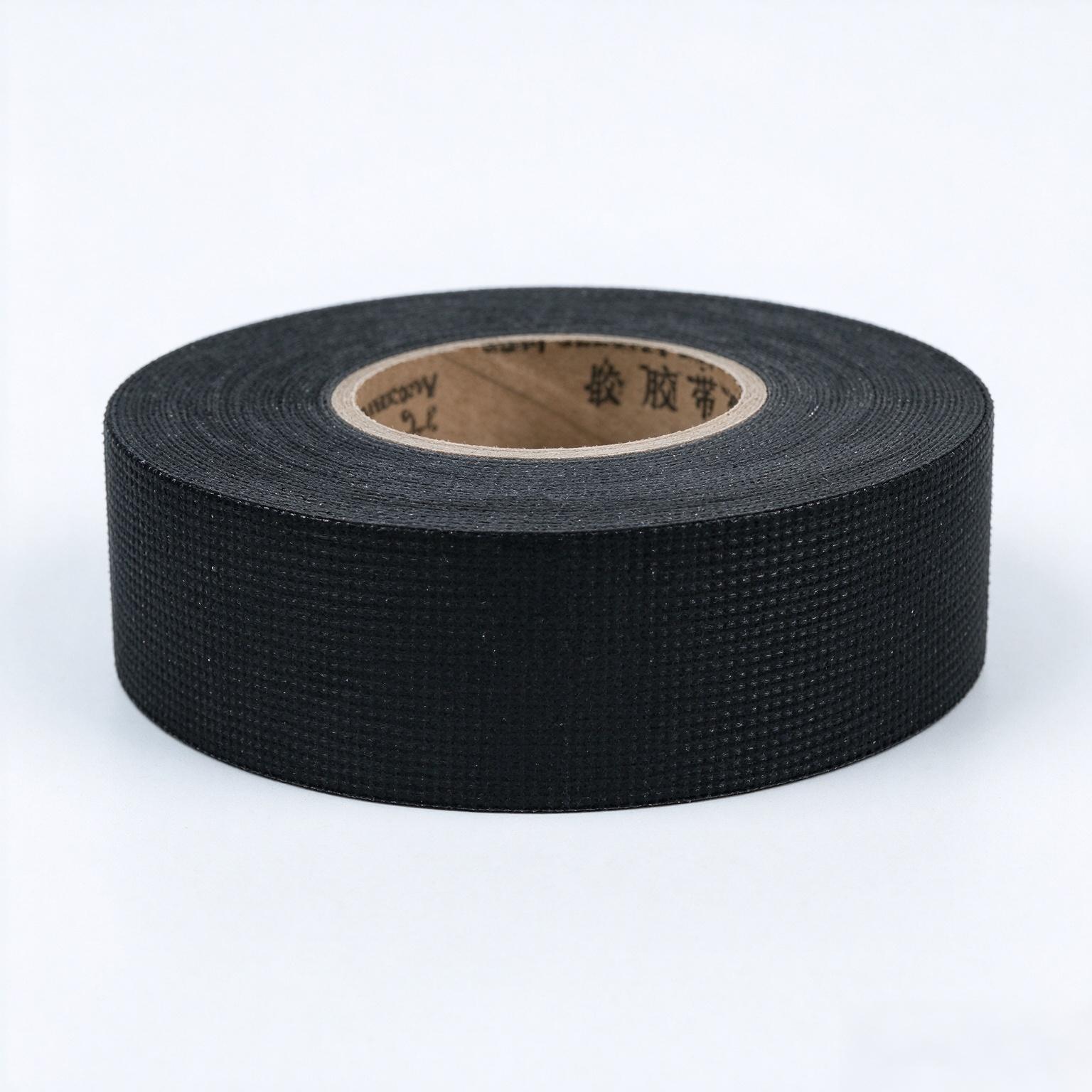
The evaluation of cloth tape samples is not merely a bureaucratic step—it directly impacts your production efficiency, product reliability, and customer satisfaction. Whether you are designing wire harness tape assemblies, planning electrical insulation applications, or developing specialized industrial components, understanding how to properly assess sample quality protects your entire supply chain. This guide walks you through the essential evaluation criteria, testing methodologies, and decision framework needed to confidently move from sampling to production.
Understanding Sample Evaluation Objectives
Why Sample Testing Matters Before Full Production
Sample evaluation serves multiple critical functions in manufacturing. It allows you to validate that cloth tape specifications match your technical requirements before placing large orders. By testing samples in controlled conditions, you identify potential compatibility issues with your adhesives, backing materials, or assembly processes early, before they cascade into production problems.
The wire harness tape and electrical insulation sectors demand exceptional reliability because failures directly affect safety, regulatory compliance, and end-user experience. A defective cloth tape can cause harness failures, insulation breakdown, or performance degradation under thermal stress. Sample evaluation reduces risk by creating a validation checkpoint between specification and production commitment.
Key Performance Indicators During Sample Assessment
Your evaluation framework must address adhesion performance, tensile strength, thermal resistance, and dimensional consistency. These four factors determine whether your acetate cloth tape will function correctly throughout its service life. Adhesion testing ensures the tape bonds securely to conductor bundles without slipping or delaminating. Tensile strength verification confirms the backing withstands tension during winding and application. Thermal resistance assessment guarantees the electrical insulation maintains integrity under operating temperatures. Dimensional consistency checks confirm that width, thickness, and roll tension remain uniform, enabling predictable production scheduling and material handling.
Practical Testing and Assessment Methods
Adhesive Bond Strength Testing
Begin by examining how your cloth tape adheres to the materials it will contact during production. Apply sample strips to test substrates that match your actual production environment—copper conductors, aluminum components, or synthetic backing materials. Allow adhesion to develop over 24 hours at room temperature, then apply controlled peel forces using a tensile testing machine. The peel test should be conducted at a 90-degree angle, pulling at a steady rate of 300 millimeters per minute. Record the force required to separate the tape from the substrate. This measurement directly predicts real-world performance when your wire harness tape experiences vibration, thermal cycling, or mechanical stress during assembly and operation.
Observe whether the tape tears cleanly or leaves residual adhesive on the substrate. Residual adhesive indicates the backing strength exceeds the adhesive performance—a sign that your electrical insulation may separate prematurely under stress. Conversely, if the backing tears before the adhesive releases, the cloth tape has sufficient adhesive strength for your application. This observation guides decisions about whether to request different adhesive formulations from your supplier or adjust your application process.
Tensile Strength and Elongation Testing
Cut multiple test specimens from your cloth tape samples in both the length and width directions. Mount each specimen in a tensile testing apparatus according to ASTM D1682 or equivalent standards. Apply consistent tension at a rate of 500 millimeters per minute until the tape breaks. Record both the maximum force required to rupture the tape and the percentage of elongation at break. Cloth tape used in wire harness applications typically requires minimum tensile strength of 10 kilograms-force per 25 millimeters of width, but your specific requirements may vary based on conductor bundle diameter and winding tension.
Testing in both directions reveals whether the backing material exhibits directional weakness. If the tape tears significantly more easily in one direction, it may slip or bunching during application, causing gaps in your electrical insulation coverage. Consistent strength across both directions ensures predictable performance and reduces the risk of assembly line disruptions.
Thermal Resistance and Aging Evaluation
Subject your acetate cloth tape samples to elevated temperature exposure to simulate long-term operating conditions. Condition samples at 120 degrees Celsius for 168 hours in an air circulation oven. After cooling, repeat your adhesion and tensile testing on the aged samples. Compare the results to unaged baseline measurements. Acceptable cloth tape will retain at least 80 percent of its original adhesive strength and tensile strength after thermal aging. Any greater degradation indicates the tape formulation may not survive the thermal demands of your electrical insulation application.
Dimensional Consistency and Production Readiness
Width, Thickness, and Roll Tension Verification
Measure the width and thickness of your cloth tape samples at multiple points across each roll using precision calipers or micrometer tools. Record measurements at the leading edge, trailing edge, and at least five points distributed across the roll width. Variation greater than ±0.5 millimeters indicates the manufacturing process lacks adequate quality control. Such dimensional inconsistency will cause feeding problems in your automated assembly equipment, leading to wrinkles, folds, or gaps in your wire harness tape coverage.
Unwind the cloth tape manually and assess roll tension consistency. The tape should unwind smoothly without sudden resistance or slack. Excessive tension can cause stretching and adhesive squeeze-out. Insufficient tension allows the tape to bunch and create wrinkles. Consistent, moderate tension indicates mature manufacturing processes and suggests your supplier can reliably deliver acetate cloth tape suitable for high-volume production.
Surface Texture and Cleanliness Assessment
Examine the surface texture of your cloth tape samples under magnification. The backing should display a uniform weave pattern without fuzzing, pilling, or raised fibers. Surface contamination, dust particles, or adhesive residue will interfere with application equipment and create adhesion inconsistencies. Run your fingers across the tape surface to assess tactile consistency. Rough or sticky spots indicate processing problems that could affect your electrical insulation performance. Clean, uniform texture confirms the supplier maintains adequate process controls for reliable production sourcing.
FAQ
What adhesive strength should acetate cloth tape achieve for wire harness applications?
Wire harness tape typically requires peel adhesion of 1.5 to 3.5 kilograms-force per 25 millimeters of width when tested against copper conductors. The specific requirement depends on your wire bundle diameter, conductor count, application speed, and thermal environment. Consult your assembly equipment specifications and end-use performance requirements to establish your minimum acceptable adhesion threshold. Always test against your actual production substrates rather than relying solely on supplier datasheets.
How long should sample evaluation take before committing to production orders?
A comprehensive evaluation of cloth tape samples typically requires 4 to 8 weeks, accounting for supplier sample delivery, baseline testing (2 weeks), thermal aging cycles (1 week), post-aging testing (1 week), and decision documentation (1 week). You can accelerate the process by conducting parallel testing, involving your equipment vendors early, and establishing clear evaluation criteria before samples arrive. The time invested in thorough assessment prevents far more costly production disruptions and material waste later.
What should happen if my cloth tape samples fail evaluation criteria?
If samples fail to meet your adhesion, tensile, or thermal requirements, request detailed failure analysis from your supplier before rejecting the material entirely. Sometimes adjusting application temperature, adhesive type, or backing composition resolves performance gaps without changing suppliers. If the supplier cannot meet your specifications after reasonable development effort, initiate evaluation with alternative sources while maintaining your evaluation timeline. Never compromise on sample performance requirements simply to meet procurement schedules—production failures cost far more than sampling delays.
 EN