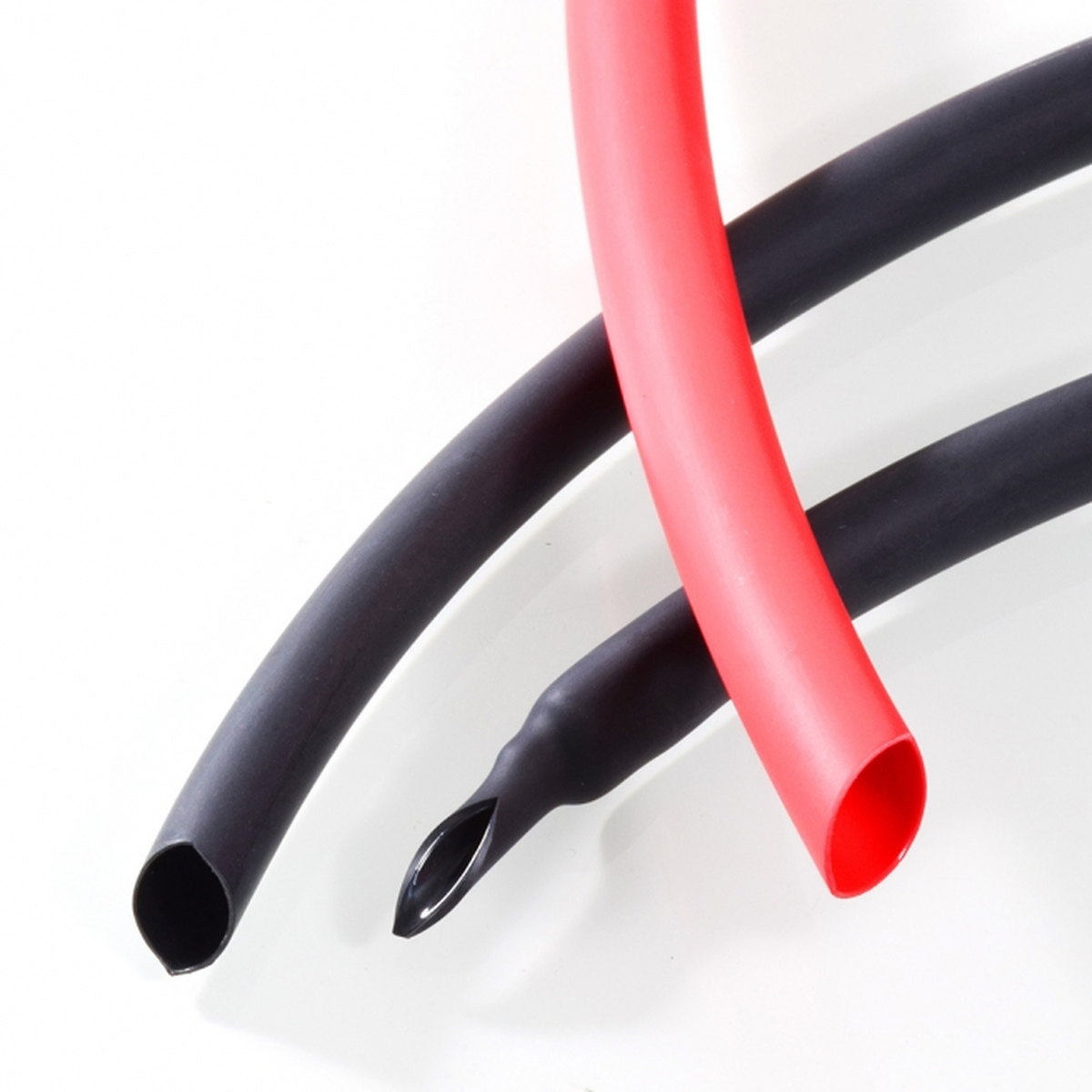
Heat shrinkable tube has become an indispensable component across numerous industrial sectors, offering reliable protection and organization for critical connections. From manufacturing facilities to telecommunications infrastructure, this versatile solution addresses specific challenges that standard insulation cannot. Understanding which applications benefit most from heat shrinkable tube empowers engineers and maintenance professionals to make informed decisions that enhance system reliability and longevity.
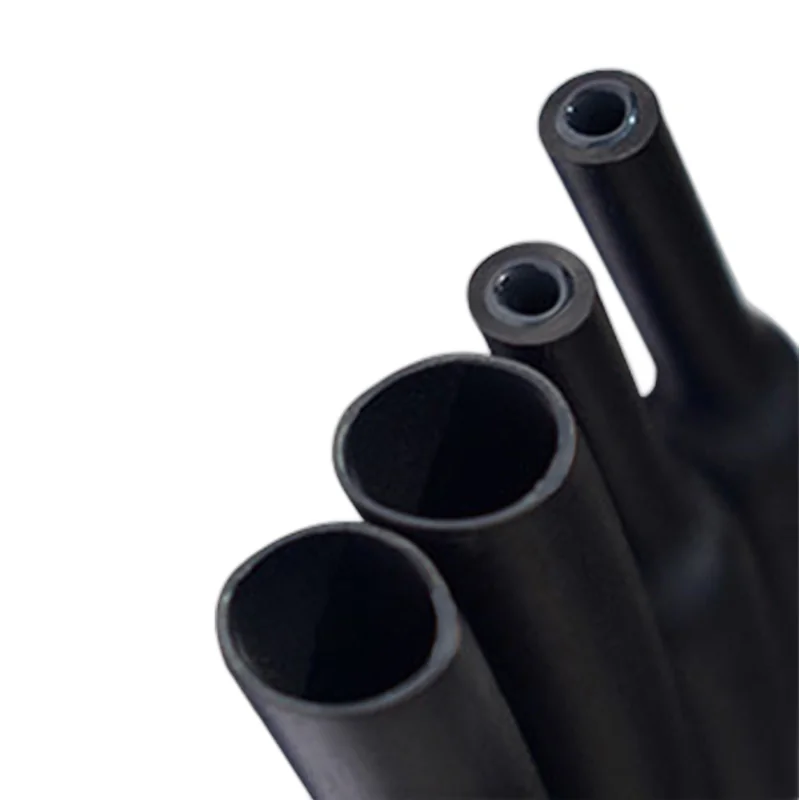
The selection of appropriate protective materials depends heavily on application-specific demands. Heat shrink tubing delivers superior sealing, strain relief, and environmental protection compared to traditional wrapping methods. This article explores the key industrial sectors and specific use cases where heat shrinkable tube provides the greatest operational and economic benefits.
Industrial Wiring and Electrical Systems
Automotive and Transportation Applications
The automotive industry represents one of the largest markets for heat shrinkable tube solutions. Vehicles require robust protection for wiring harnesses that endure extreme temperatures, vibration, and moisture exposure. Heat shrinkable tube consolidates multiple loose wires into organized bundles while simultaneously providing waterproof sealing at connection points. Engine compartments, battery terminals, and sensor connections all benefit from the reliable insulation and mechanical reinforcement that heat shrink tubing delivers. The automotive sector values this application because it reduces assembly time, minimizes corrosion-related failures, and improves the longevity of electrical systems operating in harsh underhood environments.
Power Distribution Networks
Utility companies and industrial power management systems depend on heat shrink tubing to protect exposed conductors and splice points in electrical distribution networks. High-voltage applications require exceptional dielectric strength and flame resistance. Heat shrinkable tube meets these critical safety requirements while providing superior mechanical protection against environmental degradation. Power distribution environments expose wiring to temperature fluctuations, UV radiation, and chemical contaminants that degrade standard insulation rapidly. The application of heat shrink tubing at transformer connections, switchgear terminals, and underground cable junctions significantly reduces maintenance costs and prevents catastrophic electrical failures that could affect entire industrial operations.
Telecommunications and Data Infrastructure
Cable Management and Signal Integrity
Telecommunications networks require precision protection for sensitive signal-carrying cables where even minor insulation degradation can compromise data transmission quality. Heat shrink tubing provides reliable bundling and segmentation of cable groups while maintaining the tight tolerances necessary for signal integrity. In data centers and network hubs, this application prevents cable cross-talk, reduces electromagnetic interference, and simplifies cable tracing during maintenance operations. Industrial wiring standards increasingly mandate heat shrinkable tube specifications to ensure consistent performance across distributed network infrastructure. The consistent application of heat shrink tubing enables telecommunications operators to maintain service reliability while reducing the physical space requirements for cable routing.
Outdoor Cable Protection
Outdoor telecommunications installations face continuous exposure to weather extremes, salt spray, ultraviolet radiation, and temperature cycling. Heat shrinkable tube withstands these environmental stressors far more effectively than traditional electrical insulation. Pole-mounted cable connections, external junction boxes, and aerial cable splices all require the superior moisture barrier and UV resistance that heat shrink tubing provides. This application prevents premature insulation failure that would otherwise necessitate frequent service calls and cable replacement. The durability advantage translates directly into reduced operational costs and improved service uptime for telecommunications providers managing large distributed networks.
Aerospace and Defense Applications
Military Equipment and Avionics Systems
Aerospace and defense sectors demand the highest standards for electrical insulation and connectivity reliability. Military aircraft, spacecraft, and ground-based defense systems operate under extreme conditions that test every component's durability. Heat shrinkable tube meets rigorous mil-spec standards and provides the consistent performance these applications absolutely require. Avionics wiring, radar system connections, and weapons system electronics all rely on heat shrink tubing to maintain operational integrity during high-altitude flight, extreme temperature variations, and intense vibration environments. The aerospace industry has standardized on heat shrinkable tube specifications because this application eliminates connectivity failures that could compromise mission success or endanger personnel.
Maintenance and Field Repair Operations
Military maintenance teams in the field often lack access to sophisticated repair facilities, making reliable protective solutions essential for temporary and permanent repairs. Heat shrink tubing enables field personnel to restore damaged insulation and reinforce weak connection points without specialized equipment. This application accelerates repair timelines and ensures that repaired connections meet the same performance standards as factory-assembled components. The portability and ease of application make heat shrinkable tube invaluable during emergency field repairs when equipment must return to operational status quickly. Defense logistics networks depend on this application to maintain equipment availability and reduce downtime in critical operational scenarios.
FAQ
What makes heat shrinkable tube superior to traditional electrical tape for industrial wiring protection?
Heat shrinkable tube provides superior sealing, moisture resistance, and mechanical strength compared to electrical tape. While tape offers temporary solutions, heat shrink tubing creates a permanent, airtight barrier that resists moisture penetration, maintains consistent dielectric properties over time, and protects against abrasion and chemical exposure. The permanent nature of heat shrinkable tube makes it the preferred choice for critical industrial wiring applications where reliability directly impacts safety and operational continuity.
Can heat shrink tubing be applied in outdoor environments where UV exposure is a concern?
Yes, specialized heat shrink tubing formulations provide UV resistance specifically engineered for outdoor applications. These variants contain additives that prevent ultraviolet radiation from degrading the tube material, extending service life in direct sunlight environments. UV-resistant heat shrinkable tube maintains its protective properties for decades in outdoor telecommunications, electrical distribution, and marine applications. Selecting the appropriate UV-rated heat shrink tubing variant ensures that outdoor cable connections remain protected throughout their operational lifespan.
How does electrical insulation quality change when using adhesive-lined heat shrinkable tube?
Adhesive-lined heat shrink tubing significantly enhances electrical insulation quality by creating a moisture-sealed bond between the tube and underlying conductor. The integrated adhesive melts during heating and forms a permanent seal that prevents moisture ingress, eliminates voids that could compromise dielectric strength, and improves mechanical adhesion to irregular surfaces. This application is particularly valuable in harsh environments where standard electrical insulation alone cannot provide adequate protection against moisture and environmental contamination. Adhesive-lined variants deliver superior performance in applications requiring the highest standards of electrical insulation reliability.
 EN