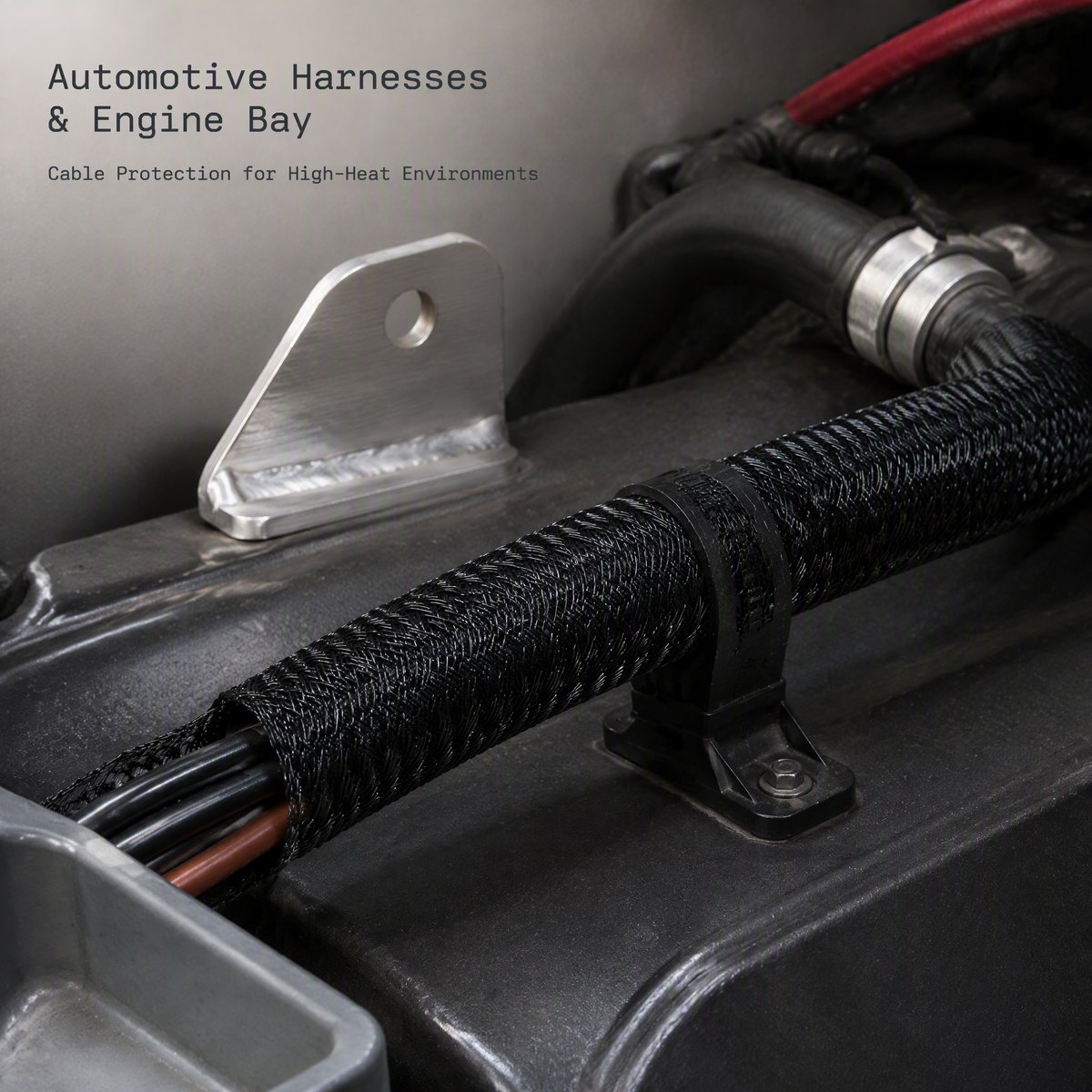
Battery cable protection is a critical concern in automotive, industrial, and renewable energy applications where electrical safety and longevity directly impact system reliability. One of the most effective solutions for protecting sensitive battery cables is the self closing wrap, which provides comprehensive shielding while maintaining easy service access for maintenance and repairs. Understanding when and where to deploy this technology can significantly reduce downtime, prevent costly failures, and extend the operational life of your battery systems.
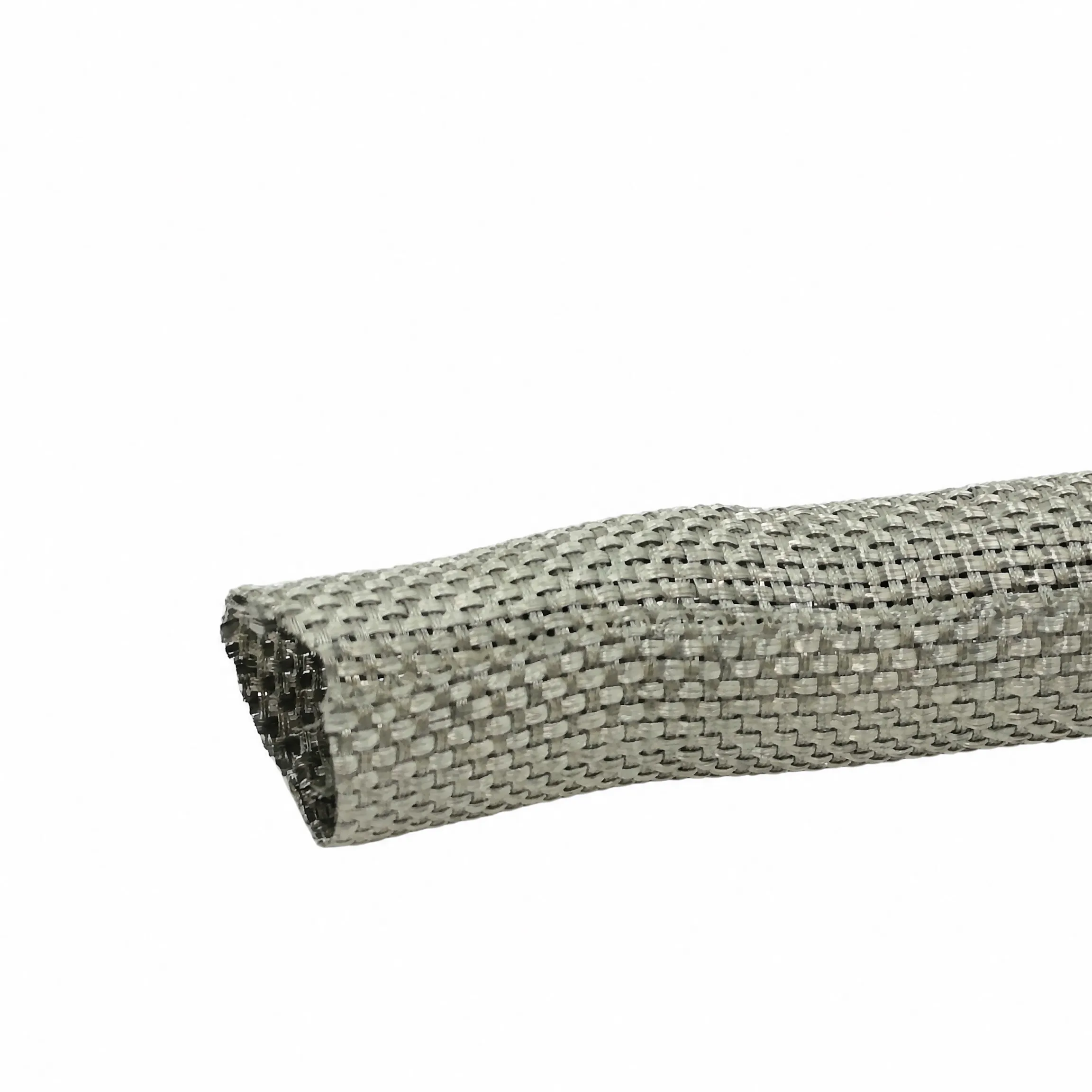
The decision to implement self closing wrap technology depends on specific environmental conditions, voltage requirements, and operational demands. Battery cables face exposure to moisture, temperature fluctuations, vibration, and potential physical damage that can compromise electrical performance and create safety hazards. Self closing wrap offers a versatile solution that adapts to these challenges while remaining accessible for troubleshooting and component replacement when service access becomes necessary.
Understanding Battery Cable Vulnerability and Protection Needs
The Role of Cable Shielding in Battery Systems
Battery cables operate in demanding environments where electromagnetic interference, thermal stress, and moisture ingress pose continuous threats to system integrity. Traditional rigid conduit solutions restrict service access and create installation challenges, particularly in retrofitting applications where space is limited. A self closing wrap provides flexible protection that conforms to the cable geometry while maintaining breathability and thermal management. This braided protection approach allows technicians to quickly access individual conductors for inspection, testing, or replacement without completely dismantling the cable assembly.
Wire harness applications benefit significantly from self closing wrap technology because modern battery systems often incorporate multiple parallel cables that require coordinated protection. The wrap's self-closing design ensures consistent coverage without manual binding or strapping, reducing assembly time and human error during manufacturing or field installation. When service access requirements demand rapid cable inspection, the wrap's design allows for quick opening and resealing without permanent damage.
Environmental Factors That Demand Enhanced Protection
High-voltage battery systems in electric vehicles, energy storage installations, and industrial equipment experience thermal cycling that degrades unprotected cables. Self closing wrap creates a thermal barrier that slows heat dissipation while preventing moisture accumulation that leads to corrosion. In marine environments, underground installations, or facilities with chemical exposure, braided protection becomes essential for maintaining cable insulation integrity. The wrap's metallic or copper-based construction provides additional electromagnetic shielding that prevents signal interference in sensitive control systems where precision is critical.
Ideal Application Scenarios for Self Closing Wrap
High-Traffic Service Areas Requiring Frequent Access
Battery systems that require regular monitoring, replacement of auxiliary components, or diagnostic testing benefit most from self closing wrap solutions. Service access becomes particularly valuable in industrial settings where preventive maintenance schedules demand quick cable inspection without permanent installation modifications. Automotive applications, especially hybrid and electric vehicles undergoing software updates or battery health assessments, depend on rapid access to battery connectors and cable terminals. When technicians need to measure voltage, test continuity, or replace components within the battery management system, the self closing wrap allows controlled opening while maintaining protection for remaining cable sections.
Renewable energy installations, including solar battery banks and wind turbine backup systems, often require unplanned maintenance when components fail. A wire harness protected with self closing wrap allows field technicians to quickly troubleshoot problems and swap damaged cables without deenergizing the entire system or removing all surrounding insulation layers. This capability reduces operational downtime and enables faster restoration of power flow.
Space-Constrained Installations and Retrofit Applications
Retrofit battery upgrades in existing equipment face geometric constraints where rigid conduit solutions cannot physically fit around existing structures or adjacent components. Self closing wrap conforms to irregular cable paths and adapts to confined spaces where traditional braided protection would require extensive rerouting or system redesign. Industrial modernization projects that add battery backup systems to legacy equipment benefit from this flexibility, as the wrap protects upgraded cables without requiring complete rewiring or structural modifications to accommodate larger diameter protective sleeves.
The braided protection offered by self closing wrap also addresses weight constraints in aerospace and transportation applications where every gram affects fuel efficiency and payload capacity. Lighter-weight protection materials that maintain equivalent shielding performance enable system designers to implement comprehensive cable protection without sacrificing vehicle performance or adding unnecessary mass.
Maintenance and Service Access Advantages
Simplifying Troubleshooting and Diagnostic Procedures
When electrical faults occur in battery systems, rapid identification of problem sources determines how quickly operations resume. Self closing wrap enables technicians to open the protective layer at suspect locations without removing the entire cable assembly from the system. This capability allows continuity testing, voltage measurements, and visual inspection of individual conductors while the cable remains partially in place. Wire harness configurations with multiple cables benefit particularly from this targeted access approach, as it allows specific conductors to be isolated and tested without affecting the protection status of other cables in the bundle.
Service access also extends to preventive maintenance inspections where technicians monitor cable condition before failures occur. Regular opening of self closing wrap sections allows visual assessment of insulation integrity, corrosion formation, and moisture accumulation without committing to permanent cable replacement. Early detection of degradation patterns enables proactive component swapping during scheduled maintenance windows rather than emergency repairs that disrupt production schedules.
Supporting Cable Component Upgrades and Replacements
Battery technology advances require periodic upgrades to connection terminals, capacity requirements, or voltage specifications. Self closing wrap facilitates these transitions by enabling old cable removal and new cable installation while preserving the structural integrity of adjacent cable runs. Technicians can carefully open the wrap, remove the damaged or obsolete cable segment, install upgraded conductors, and reseal the protection without rewrapping the entire harness assembly. This modular replacement approach minimizes labor costs and reduces the risk of accidentally damaging other cables during maintenance procedures.
The braided protection structure of quality self closing wrap maintains its protective function through multiple open-and-close cycles, ensuring that service access needs don't compromise long-term cable safety. This durability makes it suitable for applications requiring frequent maintenance or regular component updates throughout the system's operational life.
FAQ
What differentiates self closing wrap from traditional braided cable sleeves?
Self closing wrap features an overlapping design that automatically closes around the cable when removed, providing consistent coverage without separate binding components or adhesive application. Traditional braided protection requires manual adjustment and often needs auxiliary fastening methods to maintain closure, creating potential weak points where moisture or debris can penetrate. The self closing mechanism also allows partial opening for service access without requiring complete removal of the protective layer.
How does wire harness configuration affect self closing wrap installation?
Wire harness bundles containing multiple cables of varying diameters require careful wrap selection to ensure adequate coverage without excessive bulking. Self closing wrap adapts to diameter transitions and accommodates parallel conductor routing while maintaining consistent protection. For complex harnesses, staged wrapping of individual cable groups before final assembly often provides better service access control and easier maintenance procedures than attempting to wrap the entire bundle as a single unit.
Can self closing wrap be reused after opening for service access?
Quality self closing wrap materials retain their grip and closure reliability through multiple open-and-close cycles, though each opening creates minor wear on the overlapping edges. For temporary access during diagnosis or component testing, the wrap typically maintains full protective function for hundreds of service cycles. For permanent component replacement or significant cable repositioning, installing fresh wrap ensures optimal long-term performance and eliminates potential degradation from repeated handling.
 EN