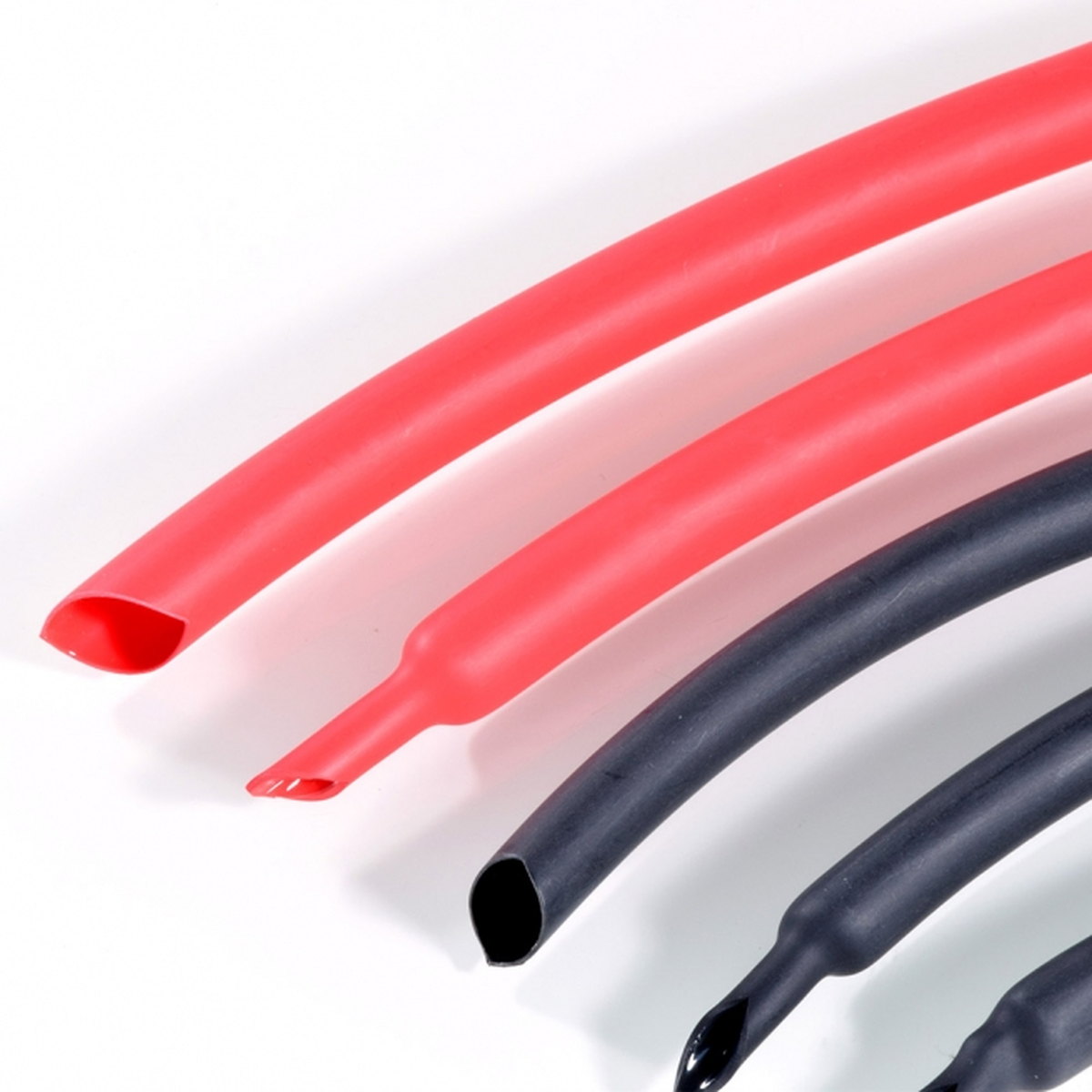
Choosing the right cable protection strategy requires understanding when a single solution suffices and when combining multiple methods delivers superior performance. A heat shrink sleeve is a fundamental component in many electrical systems, but its effectiveness increases significantly when integrated with complementary protection measures. The decision to layer protection methods depends on environmental factors, application requirements, and long-term reliability goals in industrial and commercial settings.
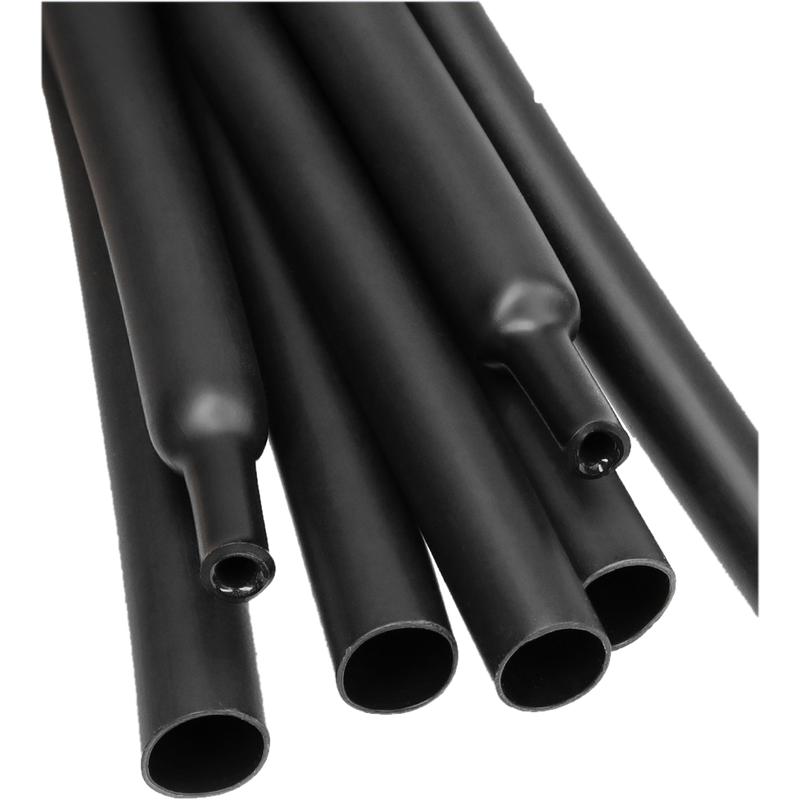
Understanding the synergy between heat shrink sleeve solutions and other cable protection technologies helps engineers and maintenance professionals design systems that withstand harsh conditions while maintaining safety and compliance. This comprehensive guide explores the specific scenarios where combined protection approaches become necessary, the integration mechanics between different protection layers, and practical implementation strategies that maximize cable longevity and system reliability.
Environmental Severity and Multi-Layer Protection Strategy
Extreme Temperature and Moisture Exposure
In environments where cables face simultaneous temperature extremes and moisture intrusion, relying solely on a heat shrink sleeve may leave vulnerabilities at termination points and splice zones. High-temperature applications often demand an adhesive lined solution that creates a hermetic seal, preventing moisture vapor transmission while maintaining electrical insulation properties. When chemical spray, salt air, or high-pressure water jets become part of the operational environment, heat shrink sleeve protection benefits from outer mechanical conduits or braided covers that absorb impact and shield against abrasion. The combination of an adhesive lined inner barrier with a heat shrink sleeve creates redundant sealing architecture, ensuring that moisture cannot penetrate through microscopic gaps or thermal cycling stress concentrations.
Chemical and Corrosive Atmospheric Conditions
Industrial facilities processing chemicals, automotive plants with aggressive cleaning protocols, and offshore installations face corrosive environments that attack cable insulation from the outside. A heat shrink sleeve alone provides thermal protection and basic electrical isolation, but chemical resistance requires additional barriers. Adhesive lined tubing with specialized compound formulations resists exposure to oils, solvents, and aggressive cleaning agents while maintaining flexibility and mechanical integrity. Combining heat shrink sleeve products with chemical-resistant outer jackets creates a dual-barrier system where the inner adhesive lined protection seals against moisture while the outer layer absorbs chemical attack. This layered approach extends cable service life dramatically compared to single-layer solutions.
Wire Termination and Splice Point Vulnerability Management
Solder Joint and Crimp Connector Protection
Wire termination creates inherent weak points in cable systems because the transition between conductor, connector, and insulation experiences mechanical stress concentration during thermal cycling and flexing. A heat shrink sleeve provides adequate mechanical support and insulation at these termination zones, but does not seal against moisture migration into the junction. Adding an adhesive lined component creates a moisture-blocking layer that prevents capillary action from wicking moisture into the solder joint interface. This combined approach is particularly critical in electronics, telecommunications, and power distribution applications where corrosion at the termination interface can cause intermittent failures and safety hazards. The adhesive material flows during heat application, filling microscopic voids and sealing gaps that rigid heat shrink sleeve materials cannot address.
Multi-Conductor Cable Bundle Management
When multiple conductors terminate together or when harness bundles require consolidated protection, wire termination complexity increases significantly. Each individual conductor needs proper electrical protection, but the bundle also requires structural integrity and unified mechanical support. Combining individual heat shrink sleeve coverage on each wire with an outer bundle-level adhesive lined wrap creates comprehensive protection. This strategy ensures that moisture cannot infiltrate between closely packed conductors while the outer layer maintains bundle cohesion and environmental sealing. Industrial applications like engine compartment wiring harnesses and subsea cable assemblies routinely employ this multi-layer termination approach to achieve both UL and international safety certification requirements.
Performance Integration and Selection Criteria
Thermal Performance and Material Compatibility
Selecting compatible materials becomes critical when layering heat shrink sleeve products with other protection methods. An adhesive lined heat shrink sleeve designed for high-temperature applications requires careful matching with outer protective layers to ensure uniform thermal expansion and contraction. Mismatched expansion coefficients create internal stress that can cause delamination or seal failure during thermal cycling. When combining solutions, verify that the inner heat shrink sleeve and outer protective layer have compatible shrink temperatures and share similar material softening profiles. This ensures that as temperature increases, both layers respond proportionally without creating gaps or compression points that compromise the protective seal. Material compatibility testing and thermal cycle validation become essential steps before deploying combined protection systems in critical applications.
Electrical Performance and Dielectric Strength
Electrical protection depends on maintaining consistent dielectric strength throughout the cable length and especially at transition zones where different materials meet. A heat shrink sleeve provides baseline insulation, but when combined with adhesive lined components or mechanical conduits, the electrical pathway becomes more complex. The adhesive lined material itself must maintain dielectric properties equivalent to or exceeding the base insulation rating. When selecting combined protection approaches, verify that the cumulative wall thickness and material dielectric constants meet or exceed the voltage rating for your application. Testing combined systems under actual operating voltage ensures that field performance matches design assumptions, particularly important in high-voltage environments where failure consequences are severe.
FAQ
When is a heat shrink sleeve alone insufficient for cable protection?
A heat shrink sleeve alone becomes insufficient when cables face combined environmental stressors including extreme temperatures, moisture infiltration, chemical exposure, or repeated mechanical stress. While heat shrink sleeve materials provide thermal insulation and basic moisture resistance, they cannot seal effectively at wire termination points where solder joints or crimp connectors create microscopic gaps. Additionally, high-vibration applications or installations requiring superior moisture barrier properties benefit from combining heat shrink sleeve with adhesive lined solutions or mechanical protection layers. Single-layer protection works adequately for indoor, controlled environments, but industrial and outdoor applications typically require multi-layer strategies for long-term reliability.
How does adhesive lined tubing improve protection when combined with heat shrink sleeve?
Adhesive lined tubing creates a permanent seal by flowing under heat application, filling voids and bonding to cable surfaces in ways that rigid heat shrink sleeve materials cannot achieve. The adhesive material prevents moisture capillary action at wire termination points while the outer heat shrink sleeve provides mechanical support and overall environmental barrier function. This combination ensures dual-layer moisture blocking, critical for preventing corrosion-induced failures at terminals and splices. The adhesive lined layer maintains its seal even when flexing or thermal cycling causes the outer heat shrink sleeve to experience minor stress concentration. In applications involving submerged cables or installations with continuous moisture exposure, the adhesive lined component dramatically extends cable service life compared to heat shrink sleeve-only approaches.
What electrical protection standards apply to combined cable protection systems?
Combined cable protection systems must satisfy the same electrical protection standards applicable to individual components, with additional requirements for material compatibility and cumulative dielectric performance. Regulations such as UL, IEC, and industry-specific standards require verification that when heat shrink sleeve is combined with adhesive lined or other protection layers, the total system maintains required voltage withstand capabilities and insulation resistance. Testing protocols must evaluate the combined assembly under worst-case environmental conditions including temperature extremes, moisture saturation, and mechanical stress. When wire termination involves multiple protection layers, electrical testing should include polarization index measurements and impulse voltage testing to confirm that the combined system provides reliable electrical isolation throughout the cable's expected service life.
 EN