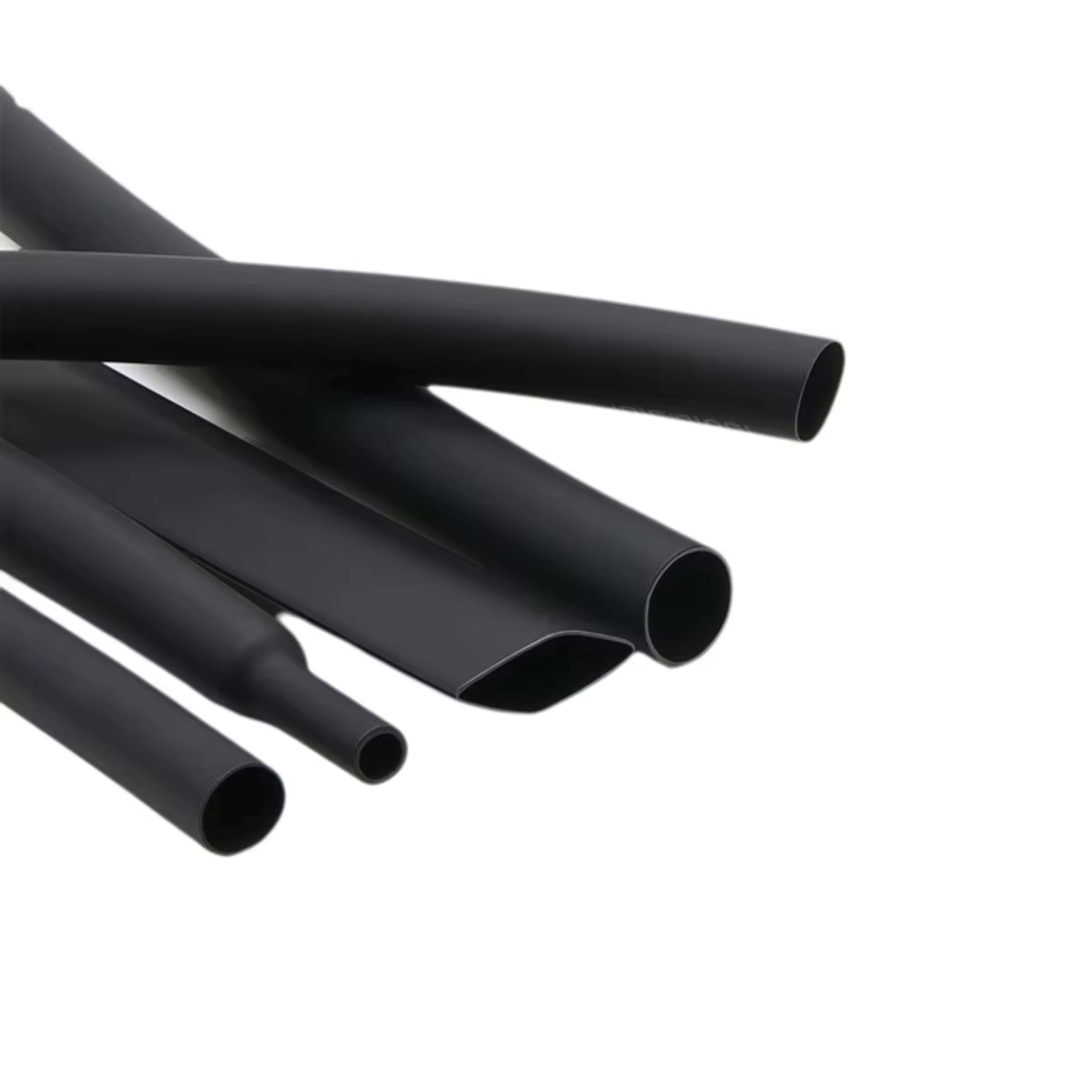
Selecting the right heat shrink sleeve for lighting assemblies requires more than visual inspection or basic material verification. Manufacturers and assembly technicians must understand which testing protocols genuinely matter to ensure reliability, safety, and long-term performance in critical electrical environments. The pressure to reduce costs and accelerate production timelines often leads decision-makers to skip essential quality checks, yet inadequate testing of heat shrink components can result in field failures, electrical hazards, and costly recalls.
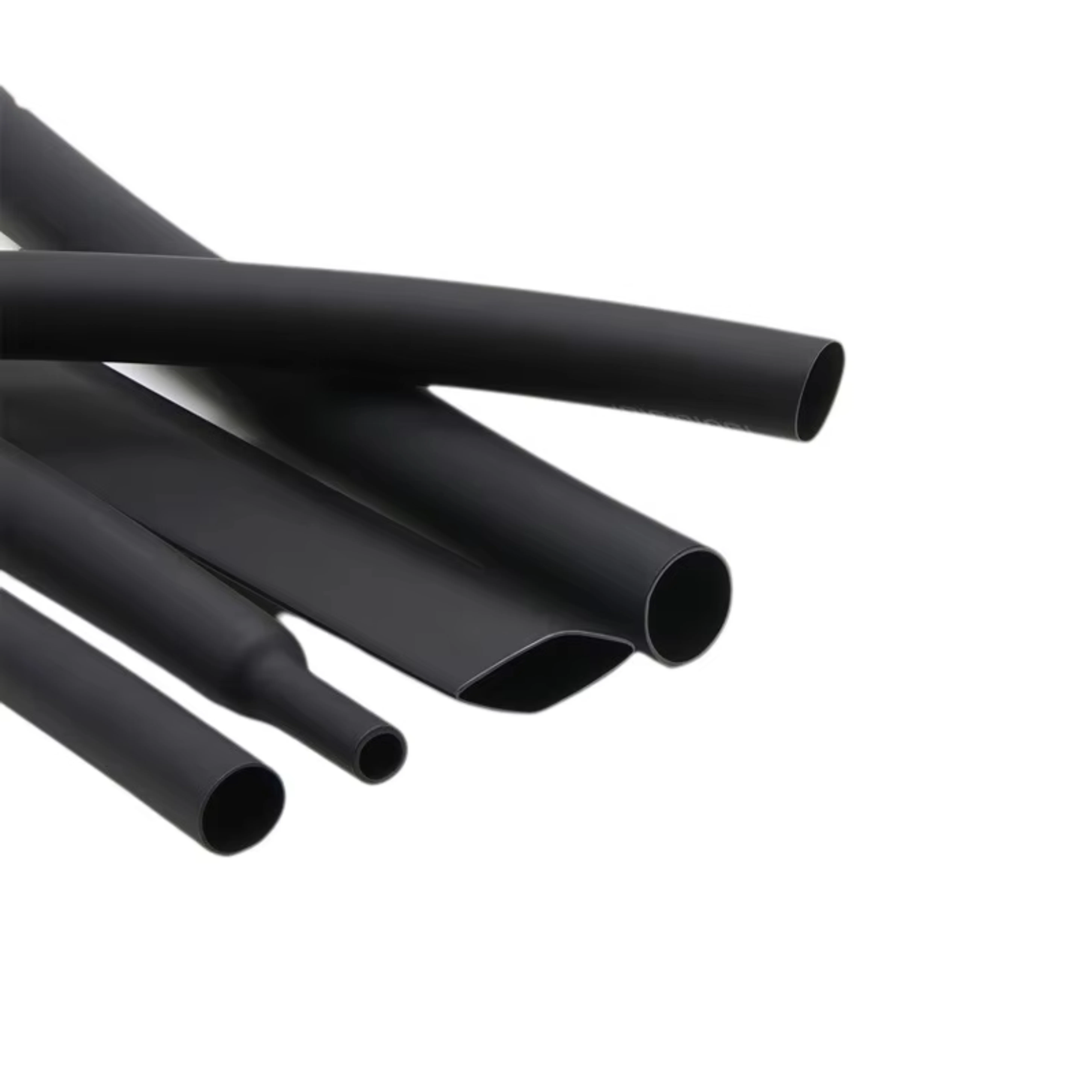
Understanding which tests are non-negotiable for heat shrink applications in lighting assemblies ensures your components meet industry standards while delivering genuine electrical protection. This guide explores the critical testing parameters, industry benchmarks, and practical validation approaches that distinguish robust designs from problematic installations. Whether you work in automotive wiring harnesses, decorative lighting systems, or industrial fixtures, mastering these testing requirements protects both your product integrity and your organization's reputation.
Understanding Heat Shrink Sleeve Testing Fundamentals
Why Testing Matters for Electrical Protection
Heat shrink sleeves protect lighting assemblies from moisture, abrasion, and short circuits. Testing confirms they retain this protection under heat, humidity, and vibration throughout the expected operating range.
Datasheets provide baseline values, but application performance also depends on shrink ratio, recovery force, flame resistance, and insulation compatibility. Testing verifies these properties under real operating conditions.
Regulatory and Industry Expectations
Automotive wiring and lighting systems typically operate under recognized standards including UL, VDE, or IEC specifications that mandate specific heat shrink performance criteria. These standards define minimum electrical protection levels, thermal stability ranges, and mechanical resilience requirements. Lighting assembly manufacturers must verify that their chosen heat shrink meets these regulatory thresholds through documented testing, not merely through supplier certification claims.
Critical Testing Parameters for Heat Shrink Sleeve Performance
Thermal Cycling and Temperature Stability Testing
Thermal cycling checks whether sleeves retain their dimensions, insulation, and grip as temperatures change. Lighting applications may require testing from -40°C to +130°C or beyond.
During cycling, inspect for lost recovery, brittleness, cracking, and adhesive failure. Performance after 500 or 1,000 cycles helps indicate whether the sleeve remains suitable for the application.
Dielectric Strength and Electrical Insulation Verification
Dielectric testing applies voltage stress, typically 1.5–2 times the maximum working voltage, for a defined period. The sleeve must resist breakdown and prevent unintended electrical paths between conductors or ground.
For automotive wiring applications, dielectric strength testing validates that the heat shrink won't compromise circuit protection or create safety hazards during normal operation or transient overvoltage events. Moisture absorption during environmental exposure can degrade dielectric properties, so testing samples that have undergone humidity conditioning provides a realistic stress scenario. A heat shrink sleeve that fails dielectric testing at acceptable voltage levels represents an unacceptable risk to your lighting assembly's electrical integrity.
Moisture and Humidity Resistance Assessment
Moisture testing simulates condensation, rain, and humid conditions. Samples are immersed in water or placed in humidity chambers, often at 85–95% relative humidity and elevated temperatures.
After exposure, compare dielectric strength, volume resistivity, and mechanical properties with baseline results. Significant degradation may rule out the material for outdoor or moisture-prone applications.
Mechanical and Material Quality Testing
Shrink Ratio Accuracy and Dimensional Consistency
A heat shrink sleeve's shrink ratio—typically 2:1, 3:1, or 4:1—must be consistently achievable within specified tolerances to ensure proper coverage of conductor bundles and connection points. Testing involves heating random samples from production batches and measuring actual shrinkage against specification ranges. Deviation beyond tolerance indicates manufacturing process drift that could result in incomplete coverage, leaving sections of automotive wiring or lighting connections exposed to moisture and mechanical damage.
Dimensional consistency testing also validates that the initial diameter and wall thickness are uniform across the entire sleeve length. Thin spots or diameter variations create weak points where the heat shrink cannot provide adequate electrical protection or mechanical grip. Batch testing at incoming inspection catches dimensional issues before components reach assembly lines, preventing costly rework or field failures in lighting systems.
Tensile Strength and Recovery Force Validation
Heat shrink sleeves must maintain sufficient mechanical grip on wire bundles and connector bodies throughout their service life. Tensile strength testing measures the force required to break the material, while recovery force testing evaluates the pressure the sleeve exerts on the conductor bundle as it cools after heating. Inadequate recovery force means the heat shrink won't maintain tight contact, allowing moisture and contaminants to penetrate beneath the sleeve surface.
Testing samples aged under accelerated conditions—heat, UV exposure, and chemical exposure—determine how tensile and recovery properties degrade over time. A heat shrink sleeve that loses 30% or more of its recovery force after accelerated aging may not maintain electrical protection or mechanical isolation in lighting assemblies subjected to thermal stress. Laboratory testing establishes safe operating windows and identifies material degradation patterns before field deployment.
Chemical Compatibility and Flame Resistance Screening
Lighting assembly conductors often use PVC, polyethylene, or cross-linked polyethylene insulation. The heat shrink sleeve must not chemically attack or degrade this insulation during processing, storage, or thermal cycling. Chemical compatibility testing involves placing the heat shrink in direct contact with conductor insulation samples under elevated temperature and humidity to detect any swelling, softening, or property degradation.
Flame resistance testing ensures the heat shrink does not propagate fire or produce excessive smoke if exposed to ignition sources, particularly critical for automotive wiring and indoor lighting fixtures. Standard flame tests like UL 94 V ratings confirm the material self-extinguishes after flame removal. A halogen-free heat shrink formulation provides additional environmental safety and regulatory compliance for modern lighting and automotive applications, reducing toxic gas generation during combustion scenarios.
Implementation and Quality Assurance Protocols
Incoming Inspection and Batch Testing Strategy
Establishing a systematic incoming inspection protocol ensures only compliant heat shrink sleeves enter your assembly process. Random sampling from each production batch—typically 5 to 10 samples per 1000 units—undergoes dimensional verification, visual inspection for defects, and basic functional testing like shrinkage behavior at your standard application temperature. Statistical process control charts track shrink ratio, dimensional tolerance, and other critical parameters over time to identify supplier process drift.
Batch testing reduces the risk of receiving out-of-specification material that could compromise lighting assembly quality or create automotive wiring safety issues. Documenting all test results and maintaining traceability links finished products to specific heat shrink sleeve batches, enabling rapid response if field issues emerge. This proactive quality approach prevents costly recalls and protects your organization's reputation in the lighting and automotive markets.
Environmental Stress Screening for Critical Applications
For lighting assemblies deployed in harsh environments—outdoor fixtures, automotive engine bay applications, or industrial contexts—environmental stress screening goes beyond standard incoming inspection. Samples undergo accelerated aging combining heat, moisture, and UV exposure to simulate several years of field service in compressed timescales. Post-stress testing measures dielectric strength, tensile properties, and shrinkage behavior to confirm the heat shrink maintains performance under extreme conditions.
This more rigorous approach requires investment in specialized testing equipment and longer evaluation timelines, but the cost is justified for mission-critical applications where field failure creates safety hazards or high replacement expenses. Environmental stress screening builds confidence that your lighting assembly will deliver reliable electrical protection throughout its designed service life, justifying the effort to your customers and regulatory bodies.
FAQ
How often should heat shrink sleeve testing occur during production?
Incoming inspection testing should occur on every supplier delivery, with random batch sampling from each production lot. In-process testing during assembly validates that applied heat shrink meets functional standards before final inspection. For lighting assemblies with high reliability requirements, final product validation testing of representative samples confirms electrical protection performance is achieved in the finished assembly context. Frequency depends on production volume and historical quality data, but quarterly full-suite testing maintains baseline verification across the product lifecycle.
What is the most critical test for electrical protection in automotive wiring applications?
Dielectric strength testing is paramount because it directly validates the heat shrink's ability to prevent electrical failure and safety hazards. This test confirms the material won't conduct electricity at voltages where it should insulate, protecting both personnel safety and circuit functionality. Combined with moisture conditioning prior to dielectric testing, this evaluation reveals how the heat shrink behaves in realistic automotive wiring environments where condensation and humidity are common factors affecting electrical properties.
Can a halogen-free heat shrink sleeve meet the same performance standards as traditional formulations?
Yes, modern halogen-free heat shrink sleeves achieve equivalent or superior performance compared to traditional formulations in most testing parameters. Halogen-free materials provide superior dielectric strength, better low-temperature flexibility, and excellent thermal cycling resilience while eliminating toxic gas generation during combustion. Environmental regulations and customer sustainability requirements increasingly mandate halogen-free materials, making them the standard for new lighting assembly designs. Supplier testing data and independent laboratory verification confirm that halogen-free options reliably deliver electrical protection and automotive wiring safety without performance compromise.
 EN