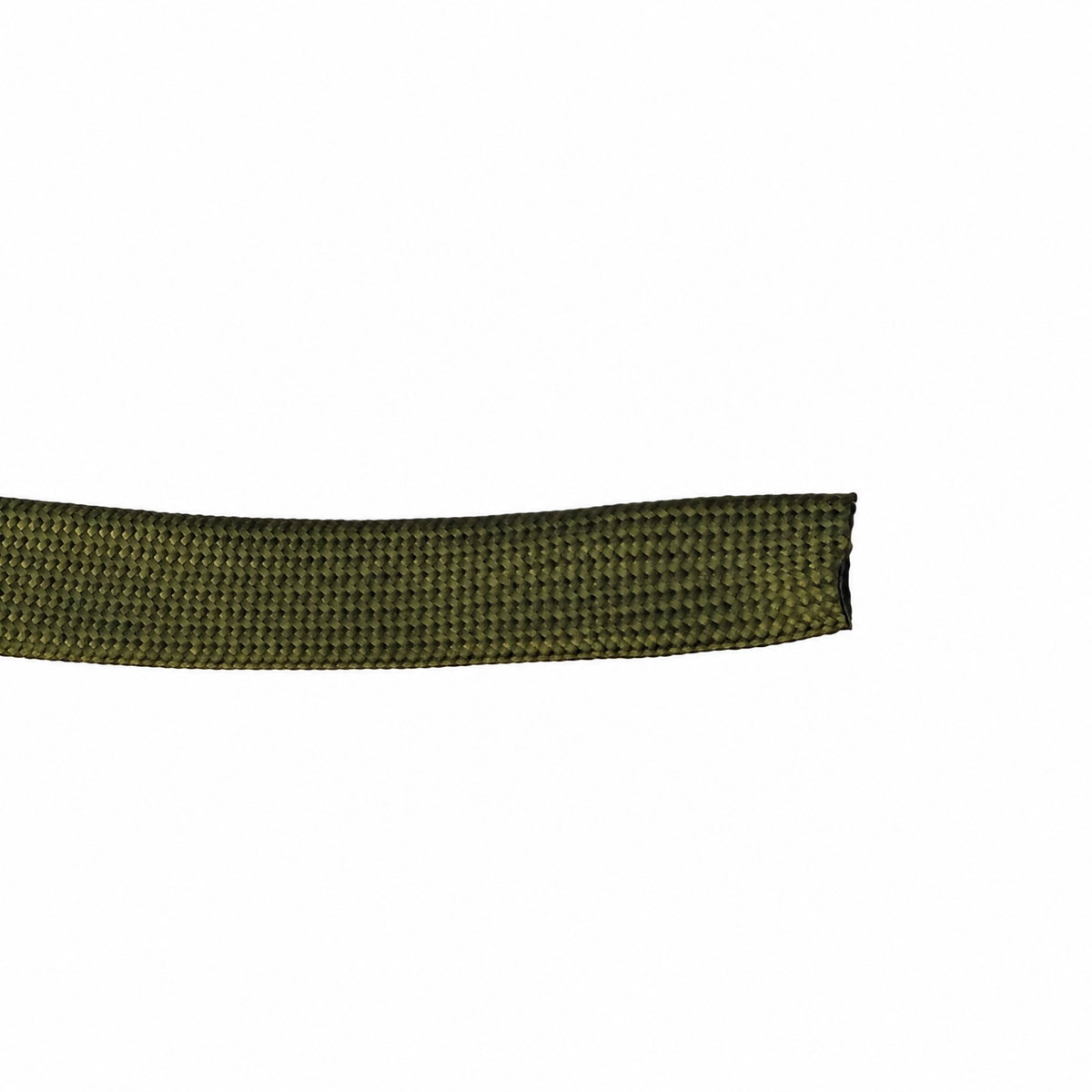
When designing consumer electronics, manufacturers face constant pressure to meet safety standards, manage thermal stress, and protect sensitive components from environmental damage. expandable sleeving plays a critical role in cable management, insulation, and flame protection across devices ranging from smartphones to power tools. However, not all sleeving materials perform equally under real-world conditions. Understanding which tests matter most for expandable sleeving helps engineers select materials that meet both regulatory requirements and operational demands in consumer electronics applications.
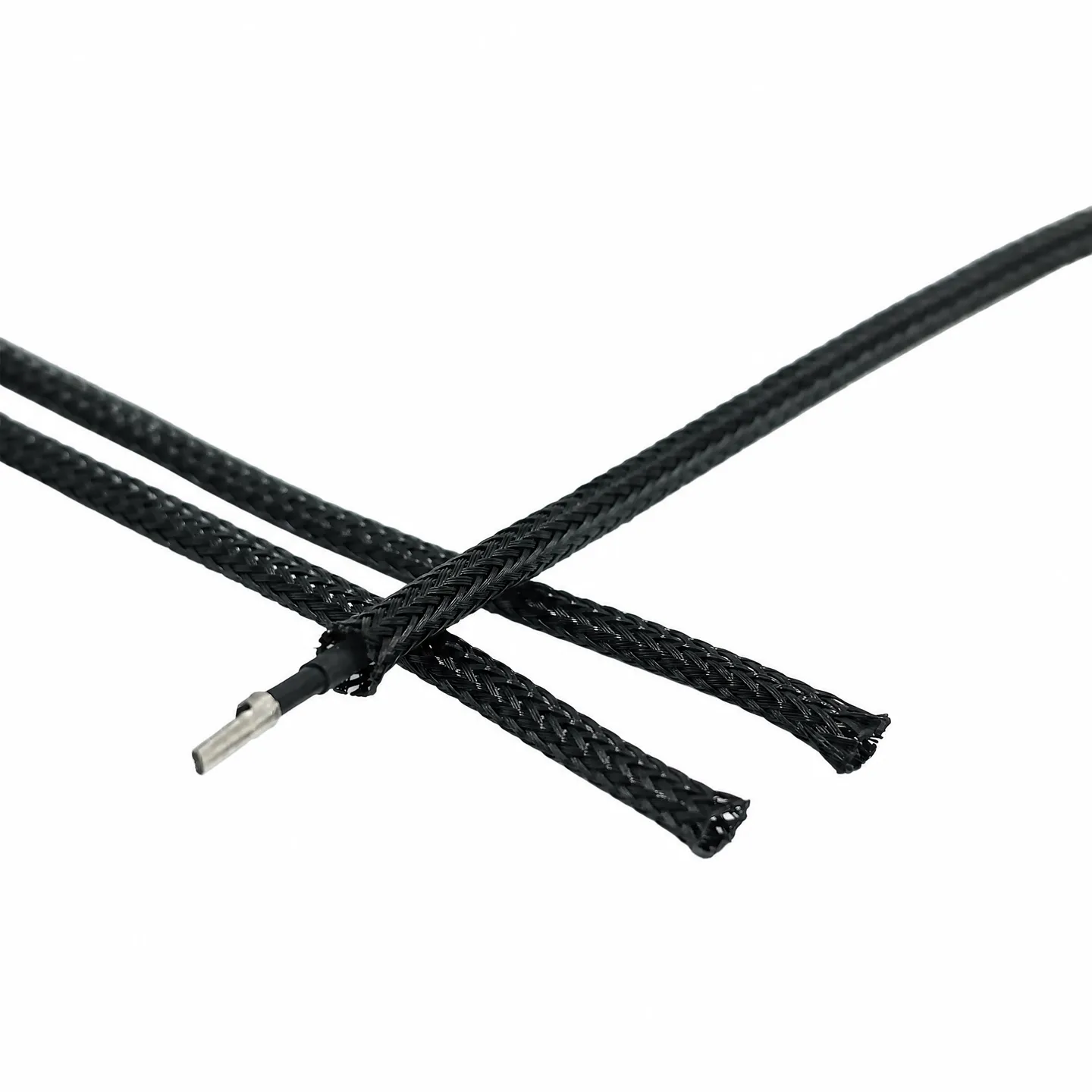
Testing expandable sleeving involves several evaluations to verify performance characteristics. Manufacturers and OEMs must balance compliance with international standards, cost efficiency, and practical durability. The testing landscape for braided sleeving and expandable braid materials includes mechanical properties, flame resistance, chemical compatibility, and environmental stress conditions. This comprehensive approach ensures that the sleeving selected protects components, meets certification requirements, and delivers consistent performance throughout the product lifecycle.
Flame Resistance and Safety Certification Testing
Flammability Standards for Consumer Protection
Flame resistance stands as one of the most critical testing requirements for expandable sleeving in consumer electronics. Industry standards such as UL 1581, IEC 60811, and similar regional certifications mandate specific burn behavior and char length limits. These tests expose pet sleeving samples to controlled flame sources and measure how quickly they ignite, how far flames propagate, and whether they produce excessive smoke or toxic fumes. Products used in high-current applications, charging circuits, or devices near flammable materials must demonstrate flame-retardant properties to prevent fire hazards and ensure consumer safety.
Vertical and horizontal flame tests measure burn propagation rates, afterflame time, and char development. A properly tested braided sleeving material should self-extinguish within seconds of flame removal and limit char length to prevent structural failure of the cable bundle. Consumer electronics manufacturers rely on these results to certify their products for retail markets and maintain liability protection. Testing also includes smoke density measurements, which are especially important for devices used in enclosed spaces where smoke buildup could pose additional safety risks.
Temperature Aging and Thermal Cycling
Beyond immediate flame exposure, expandable sleeving must survive prolonged thermal stress without degradation. Heat aging tests expose samples to elevated temperatures over extended periods, typically 70–1000 hours, while measuring retention of mechanical properties like tensile strength and elongation. Thermal cycling tests simulate real-world conditions where electronics experience repeated temperature fluctuations during operation and storage. Pet sleeving that becomes brittle or loses flexibility after thermal exposure fails to protect underlying cables and creates safety vulnerabilities in the field.
Mechanical Properties and Performance Under Stress
Tensile Strength and Elongation Testing
Expandable braid materials must maintain mechanical integrity when pulled, stretched, or bundled around irregularly shaped components. Tensile strength testing measures the maximum stress a sleeving sample can withstand before breaking, while elongation testing quantifies how much the material stretches before failure. These metrics directly affect whether the braided sleeving can be installed without tearing, survive vibration and movement during device operation, and protect cables from abrasion or cutting. Consumer electronics applications often involve tight cable routing in confined spaces, making mechanical performance essential for long-term reliability.
Tear resistance testing complements tensile evaluation by measuring how easily a small cut or nick propagates through the material under stress. Products designed for portable electronics, where cables bend repeatedly, require higher tear resistance to prevent unraveling or exposure of underlying insulation. Pet sleeving that performs poorly on these tests may fail prematurely in the field, leading to warranty claims, safety issues, and brand reputation damage. Engineers typically specify minimum threshold values for tensile strength and elongation based on the intended application and vibration environment.
Flexibility and Low-Temperature Performance
Many consumer electronics operate in varying climates and temperature ranges, requiring expandable sleeving to remain flexible even in cold conditions. Low-temperature impact and bend tests evaluate whether the material becomes brittle or stiff when exposed to freezing temperatures. A rigid sleeving can crack during installation or fail to conform around cable bundles, defeating its protective purpose. Flexibility metrics are especially important for portable devices that users might carry outdoors or for appliances stored in unheated environments. Testing at temperatures as low as minus 40 degrees Celsius ensures the expandable braid maintains protective properties across global markets and seasonal variations.
Chemical Resistance and Environmental Durability
Oil, Coolant, and Moisture Resistance
Consumer electronics may encounter oils from human skin, cleaning agents, or environmental contaminants that can degrade sleeving materials over time. Chemical resistance testing submerges expandable sleeving samples in various fluids such as mineral oil, isopropyl alcohol, and saltwater solutions, then measures changes in mechanical properties, color, and dimensional stability. Pet sleeving exposed to harsh chemicals may soften, swell, or lose color, compromising both aesthetics and functionality. For devices intended for kitchen appliances, automotive accessories, or outdoor use, chemical and moisture resistance becomes a fundamental safety and longevity requirement.
Hydrolysis resistance testing is particularly critical for braided sleeving materials prone to moisture absorption, as trapped water can promote mold growth, electrical leakage, or corrosion of underlying components. Long-term immersion tests lasting weeks or months reveal whether the expandable braid maintains dimensional stability and mechanical strength after prolonged water exposure. Consumer electronics designed for humid climates, bathrooms, or devices subject to splash or submersion require sleeving materials certified for superior moisture barrier properties. This testing ensures that protective sleeving does not inadvertently create pockets where moisture accumulates.
UV and Weathering Durability
Electronics exposed to sunlight, such as outdoor charging stations, garden equipment, or automotive accessories, demand expandable sleeving with strong UV resistance. Accelerated weathering tests simulate years of sun exposure in weeks, measuring color fade, brittleness, and loss of mechanical properties. Pet sleeving that degrades under UV radiation becomes ineffective as a protective layer and may appear visibly damaged, affecting product perception. This testing ensures that consumer electronics maintain both function and appearance throughout their intended operational life, regardless of outdoor exposure.
Dimensional Stability and Interoperability Testing
Shrinkage and Expansion Characteristics
Expandable braid must deliver consistent coverage and protection without excessive shrinkage or expansion that could compromise fit or leave gaps in protection. Testing measures the sleeving's ability to expand around various cable bundle diameters and remain stable without slipping or bunching. Heat-set testing verifies whether the braided sleeving maintains its expanded diameter after thermal exposure or whether it retracts unpredictably. Engineers design cable routing layouts based on sleeving performance data, so dimensional instability creates field failures and customer support issues. Testing expandable sleeving across a range of bundle sizes ensures it performs reliably across the product family.
Compatibility with cable insulation materials is equally important, as certain sleeving compounds can migrate into or react with underlying polymer layers. Accelerated compatibility testing compresses expandable sleeving against various cable jacket materials under elevated temperature and time, then examines whether surface changes, discoloration, or mechanical degradation occur. Pet sleeving that fails compatibility testing may cause cosmetic defects or even functional damage to the primary insulation, leading to electrical failures. Comprehensive material selection processes include cross-compatibility screening before production tooling is committed.
Regulatory Compliance and Documentation
Consumer electronics shipped internationally must meet multiple regional standards, each with specific testing requirements for braided sleeving and cable protection materials. Certifications from UL, CE, RoHS, REACH, and regional authorities confirm that expandable sleeving meets environmental, chemical, and safety thresholds. Documentation of test results becomes essential for regulatory submissions, third-party audits, and liability protection. Manufacturing partners who supply pet sleeving must maintain traceability and batch testing records to support customer compliance requirements. Testing data that is incomplete or from unaccredited labs can delay product launches or trigger field recalls if regulatory authorities discover gaps.
FAQ
What is the primary purpose of testing expandable sleeving in consumer electronics?
The primary purpose is to verify that expandable sleeving meets safety standards, maintains mechanical integrity under real-world stress, protects components from environmental damage, and complies with international regulatory requirements. Testing ensures that the braided sleeving performs reliably throughout the product lifecycle, prevents fire hazards, and protects consumers from electrical and thermal risks. Comprehensive testing reduces warranty claims, field failures, and brand reputation damage.
Which flame resistance standard applies to pet sleeving used in consumer electronics?
Common standards include UL 1581, IEC 60811, and regional certifications like CE marking in Europe. The specific standard depends on the product category, end market, and regional regulations where the consumer electronics will be sold. Manufacturers must identify the applicable standards early in the design phase and select expandable braid materials that demonstrate compliance through accredited third-party testing.
How does thermal aging testing differ from thermal cycling testing for expandable sleeving?
Thermal aging testing exposes expandable sleeving to constant elevated temperature for extended periods to measure long-term degradation of mechanical properties, while thermal cycling testing simulates repeated temperature fluctuations that occur during operation and storage. Both tests are important for consumer electronics, as some applications experience continuous heat while others cycle between warm and cold states. Together, they predict whether pet sleeving and braided sleeving materials will maintain protective performance across the full operational life of the device.
 EN