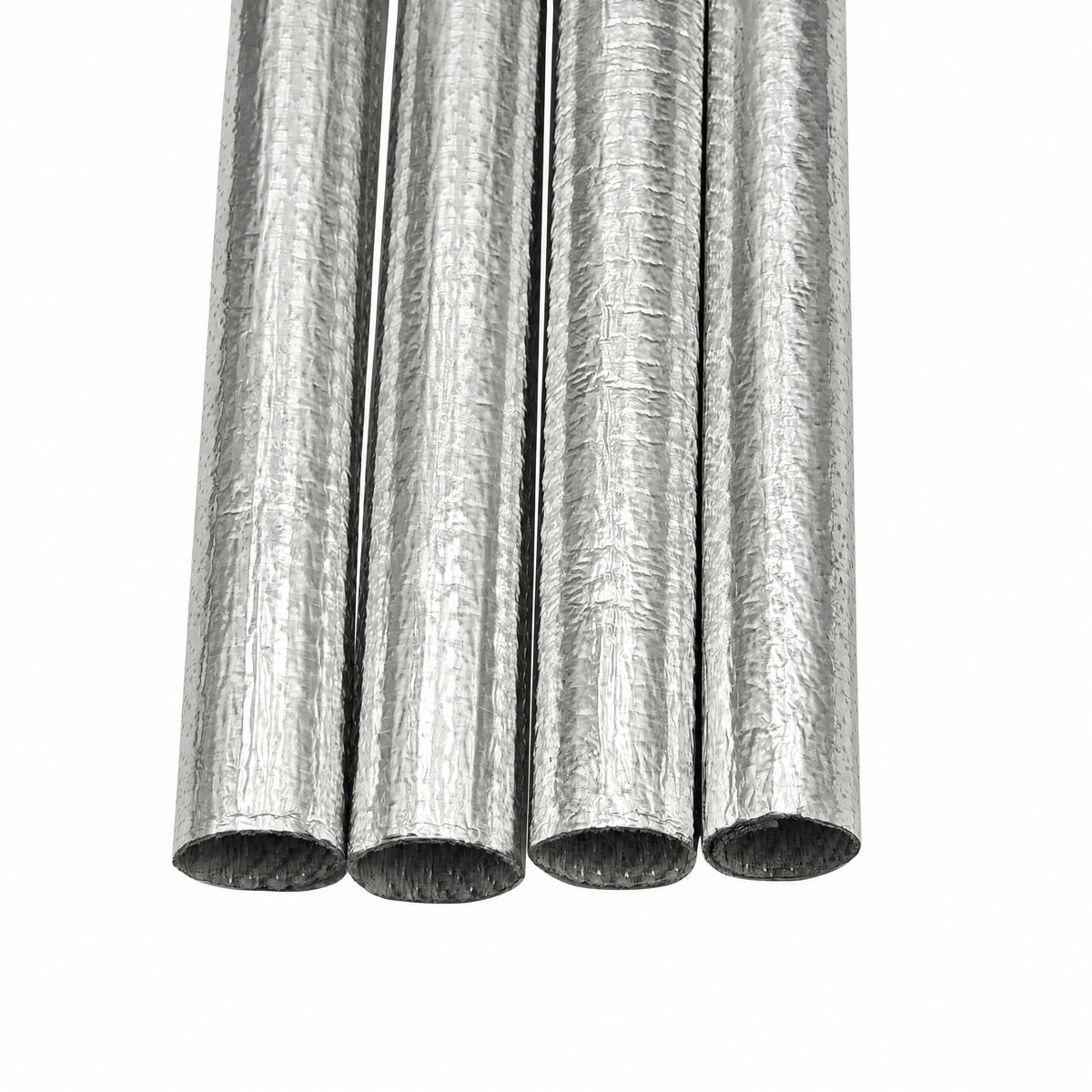
Procurement teams face significant decisions when selecting a wire harness sleeve solution for their manufacturing or assembly operations. The choice of wire sleeving impacts not only immediate production costs but also long-term equipment reliability, maintenance frequency, and regulatory compliance. Yet many procurement professionals approach this decision without asking the critical questions that distinguish adequate protection from optimal harness protection. Understanding what to ask before sourcing wire harness solutions ensures your team selects materials that truly meet operational demands rather than settling for generic alternatives.
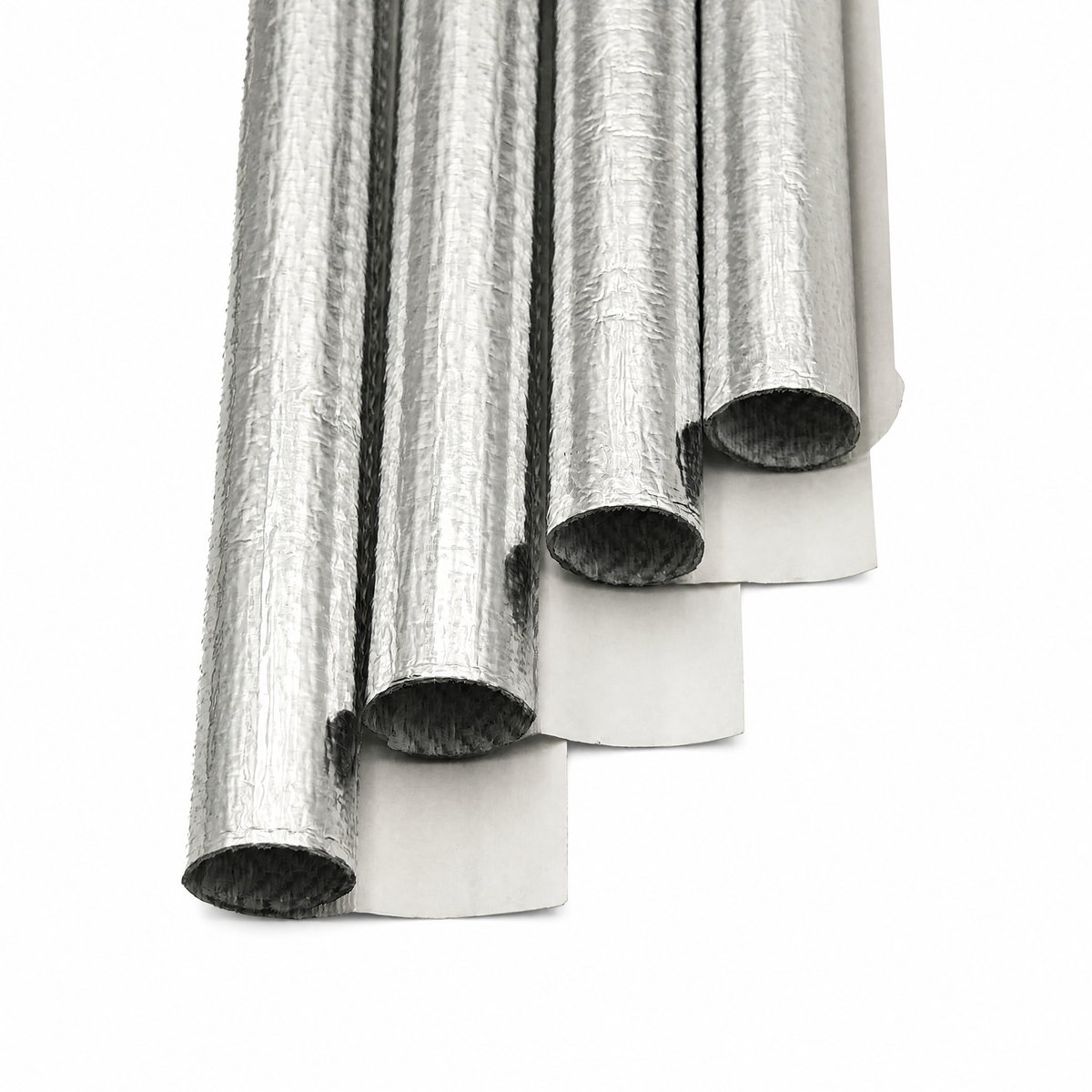
The procurement process for wire harness materials requires both technical knowledge and strategic thinking. Before engaging suppliers, your team must understand your specific application requirements, environmental conditions, and performance expectations. This foundation determines which wire sleeving specifications make sense for your situation and prevents costly mistakes that emerge after implementation. The following framework helps procurement teams ask the right questions and evaluate supplier responses with confidence.
Defining Your Operational Requirements
What Environmental Conditions Will the Wire Harness Endure
Environmental exposure represents one of the most critical factors when sourcing wire harness sleeve materials. Temperature extremes, moisture, chemicals, oils, and mechanical abrasion all affect sleeve performance differently. Ask suppliers directly: what temperature range does this wire sleeving handle without degradation? For automotive, aerospace, or industrial applications, extreme temperatures often determine material selection more than cost considerations. Chemical resistance becomes essential in manufacturing environments where solvents, hydraulic fluids, or coolants contact the harness. Understanding your specific environment prevents selecting sleeves that fail prematurely, forcing costly replacement and operational downtime.
What Mechanical Stresses Will the Wire Harness Experience
Mechanical demands on wire harness protection vary dramatically across applications. High-vibration environments like automotive powertrains require different harness protection than stationary industrial equipment. Ask suppliers: how does this wire sleeving perform under continuous flex cycles? Does it maintain integrity when twisted, bent, or subjected to pressure? Testing data from suppliers demonstrates real performance rather than marketing claims. The weight of the harness itself, combined with installation stresses and operational movement, determines whether standard wire sleeving will provide adequate protection or whether reinforced options are necessary.
Evaluating Material Specifications and Standards
What Material Composition Meets Your Compliance Requirements
Different industries require specific material standards and certifications for wire harness components. Automotive applications may require flame resistance to meet UL or FMVSS standards. Aerospace demands compliance with military specifications. Food processing or pharmaceutical industries need materials that won't contaminate products. When sourcing wire sleeving, ask suppliers: what certifications does this material hold? Which regulatory bodies have tested and approved it? Request documentation that proves compliance rather than accepting verbal assurances. Material composition directly impacts whether your harness protection meets legal requirements, and non-compliance creates liability risks far exceeding material cost savings.
What Performance Data Supports the Specification
Reputable suppliers provide testing data that validates wire sleeving performance claims. Ask for tensile strength, elongation at break, tear resistance, and chemical resistance documentation. Does the supplier provide third-party test results, or only internal data? Temperature performance curves show how the material behaves across your expected range. Abrasion resistance testing demonstrates durability in applications with friction. Requesting this data helps procurement teams distinguish between premium materials and budget alternatives that may fail under stress. Performance data becomes particularly important when the harness protection directly impacts safety, product quality, or compliance with customer specifications.
Understanding Cost and Supply Chain Considerations
How Does Total Cost of Ownership Factor Into Pricing
Wire harness sleeve pricing often reflects material quality, manufacturing consistency, and supply reliability rather than just raw material costs. Lower-priced wire sleeving may require more frequent replacement, generate higher waste rates during installation, or fail prematurely in the field. Ask suppliers: what is your defect rate, and how do you handle quality issues? Does your pricing include waste allowance, or do you quote optimistic usage rates? Understand whether cheaper material reflects genuine efficiency or simply lower quality and higher hidden costs. Total cost of ownership includes installation labor, potential rework, replacement cycles, and downtime—factors that often exceed the material purchase price over time.
What Supply Chain Reliability and Lead Times Apply
Production schedules depend on consistent material availability and predictable lead times. When sourcing wire harness materials, ask suppliers: what is your typical lead time, and how do you handle rush orders? Does the supplier maintain inventory, or does every order require manufacturing? What happens if you need expedited delivery for urgent production? Supplier capacity and consistency matter as much as material specifications. Procurement teams must evaluate whether a low-cost wire sleeving source with unreliable delivery actually serves operations better than a slightly higher-cost supplier with guaranteed availability and documented on-time performance.
FAQ
What Questions Should Procurement Ask About Wire Sleeving Durability
Procurement teams should ask suppliers for durability testing data specific to their application environment. Request information about the wire harness sleeve's performance under the exact temperature, chemical, and mechanical conditions your operation uses. Ask whether the material maintains flexibility after years of use, whether it resists cracking or brittleness, and what warranty period the supplier offers. Understanding expected service life helps procurement evaluate whether replacement cycles are planned obsolescence or genuine material limitations. Durability questions directly impact long-term operating costs and help identify which wire sleeving solutions offer genuine value.
How Should Procurement Evaluate Supplier Technical Support
Strong technical support separates premium wire harness sleeve suppliers from commodity providers. When sourcing materials, ask whether the supplier offers application engineering assistance, material selection guidance, or custom specification development. Can they recommend specific wire sleeving for your exact use case, or do they push all customers toward standard products? Do they provide installation guidance, troubleshooting support, or field assistance if issues arise? Procurement teams benefit from suppliers who understand harness protection requirements deeply enough to prevent costly application mistakes. Superior technical support reduces the procurement burden and often pays for itself through smoother implementation and fewer field failures.
What Should Procurement Know About Custom Wire Harness Sleeve Options
Standard wire sleeving solves many applications, but specialized requirements often demand custom solutions. Ask suppliers: do you offer non-standard sizes, colors, or material blends for specific harness protection needs? Can you develop custom wire sleeving formulations that meet unique specification requirements? What is the minimum order quantity for custom materials, and what lead time applies? Custom options may cost more per unit but deliver superior performance and reduce overall project risk when standard wire harness materials cannot adequately address application demands. Procurement teams should understand the full range of available solutions before settling on standard alternatives.
 EN