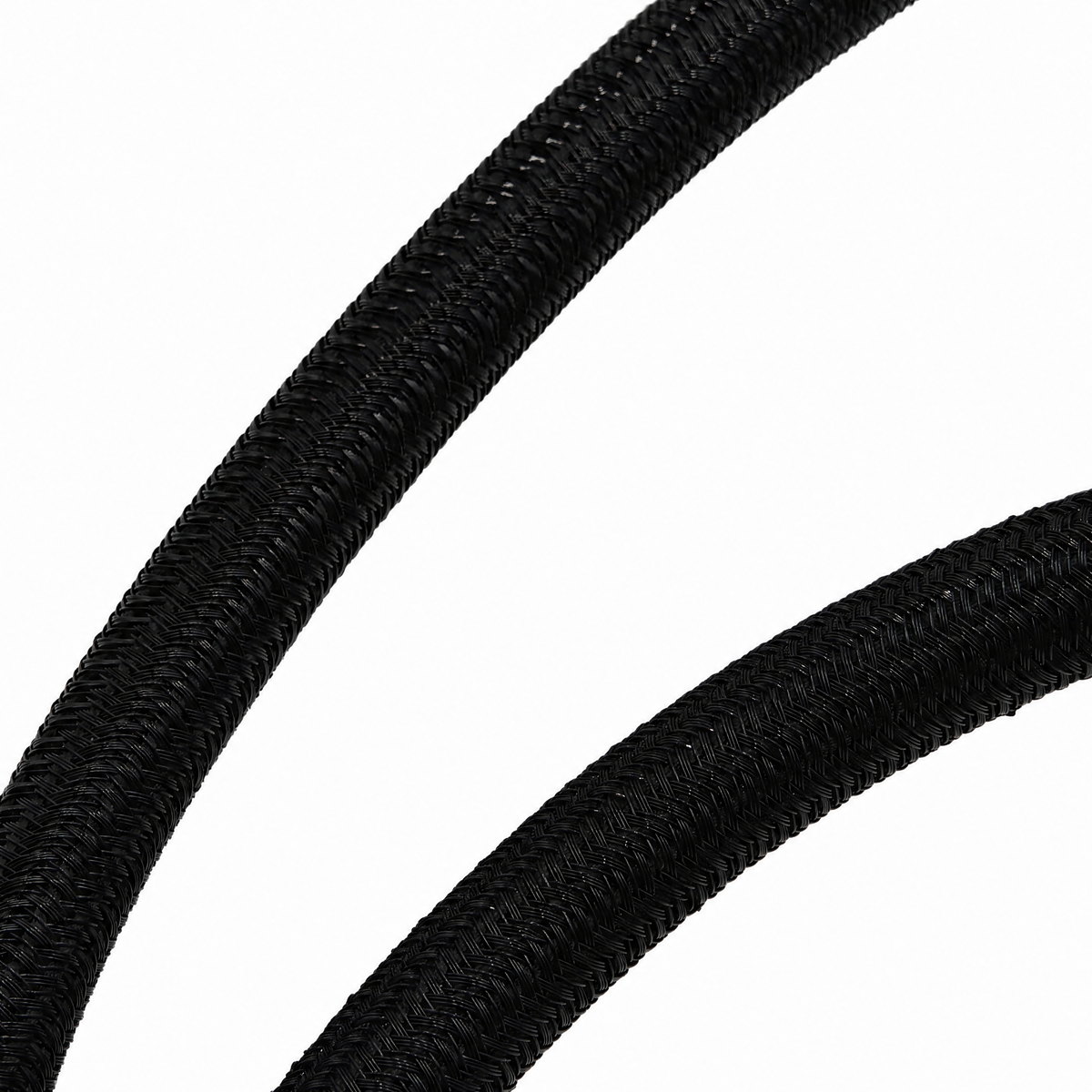
Procurement teams evaluating protective solutions for cable management face numerous technical and commercial decisions. When considering a self closing wrap, the sourcing process demands careful vetting beyond price and delivery timelines. The right cable wrap choice directly impacts installation efficiency, system longevity, and total cost of ownership across industrial applications. Understanding what to ask suppliers before committing to a self closing wrap purchase ensures your team selects a solution that truly matches operational requirements.
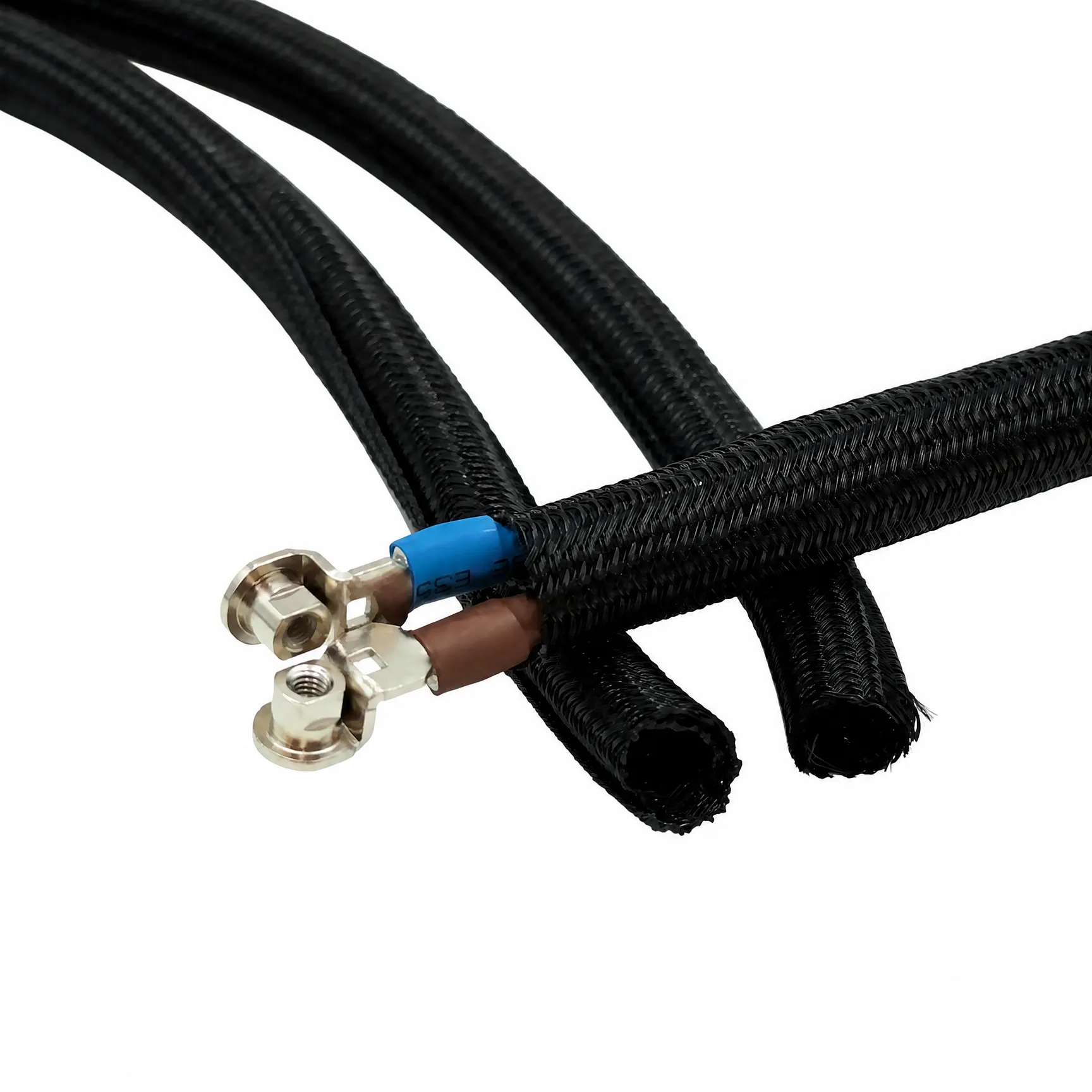
Self closing wrap technology represents an important advancement in cable protection, combining braided split sleeving functionality with integrated closure mechanisms. Unlike traditional cable wrap solutions requiring manual securing or secondary fastening materials, self closing wrap systems simplify installation while maintaining consistent protection. Procurement teams must investigate material composition, closure reliability, environmental resistance, and compatibility with existing infrastructure before making sourcing decisions that affect multiple operational workflows.
Understanding Material Composition and Performance Standards
What Material Specifications Define Quality Self Closing Wrap
The foundation of any self closing wrap evaluation begins with material selection and certified performance standards. Ask suppliers whether their cable wrap meets industry specifications for flame resistance, temperature tolerance, and chemical compatibility. Polyester-based split sleeving materials offer different fire ratings than acrylic or nylon alternatives, directly influencing installation environments. Request documentation confirming compliance with UL standards, RoHS directives, or relevant safety certifications for your application sector.
Material durability determines long-term value in self closing wrap selections. Inquire about tensile strength, abrasion resistance, and UV stability ratings, particularly for outdoor or exposed cable applications. High-quality self closing wrap maintains structural integrity through temperature cycling, humidity exposure, and mechanical stress without degradation. Understanding the specific resin type, fiber diameter, and weave density helps procurement teams predict service life and replacement intervals accurately.
Closure Mechanism Reliability and Design
The closure system distinguishes self closing wrap from conventional split sleeving products. Ask suppliers to demonstrate the specific mechanism—whether hook-and-loop fastening, interlocking strands, or self-adhesive technology—and confirm its retention strength under operational conditions. Request failure rate data, cycle testing results, and environmental impact assessments showing closure performance across temperature ranges and humidity levels. Service access requirements demand closure systems that maintain integrity without accidental reopening during installation, maintenance, or vibration exposure.
Assessing Compatibility and Installation Implications
Cable Wrap Compatibility with Existing Infrastructure
Self closing wrap must integrate seamlessly with current cable management systems, connectors, and bundling practices. Inquire about diameter range compatibility—the minimum and maximum cable sizes the self closing wrap accommodates without compromising closure function or protection coverage. Ask whether the cable wrap works effectively with existing split sleeving infrastructure or requires parallel transition strategies. Service access considerations demand confirmation that the self closing wrap allows technicians to inspect, replace, or reroute individual cables without complete system disassembly.
Installation methodology affects deployment speed and long-term performance of self closing wrap solutions. Request detailed application instructions, including recommended tools, required training, and environmental conditions for optimal installation. Clarify whether self closing wrap requires pre-existing cable bundling or functions as a standalone solution. Ask about compatibility with thermal management requirements—does the cable wrap material restrict airflow in ways affecting heat dissipation for power or signal cables?
Environmental Suitability and Operating Conditions
Operating environment fundamentally influences self closing wrap performance selection. Communicate specific temperature ranges, humidity exposure, chemical environments, and mechanical stress conditions to potential suppliers. Ask whether their cable wrap maintains closure integrity under vibration, thermal cycling, or exposure to industrial fluids and solvents. For outdoor installations, inquire about UV degradation timelines and whether the self closing wrap requires additional weatherproofing coatings or accelerated replacement schedules compared to indoor applications.
Evaluating Cost Structure and Supply Relationship Factors
Total Cost of Ownership Beyond Unit Pricing
Self closing wrap procurement decisions extend beyond initial material costs to encompass installation labor, training, logistics, and replacement cycles. Request pricing breakdowns separating product cost, minimum order quantities, volume discount structures, and lead time commitments. Ask whether suppliers offer split sleeving or cable wrap bundle options that reduce overall system costs through coordinated sourcing. Understanding total cost implications helps procurement teams identify hidden expenses—premium closure mechanisms, compatibility adapters, or accelerated replacement cycles—that inflate long-term ownership expenses.
Service and support quality directly impacts self closing wrap implementation success and operational continuity. Inquire about technical support availability, installation consultation services, and warranty coverage for closure failures or material defects. Ask whether suppliers maintain local inventory buffers or require extended lead times affecting emergency service access requirements. Clarify return and restocking policies—does the self closing wrap come with satisfaction guarantees, or are defective batches charged to your organization?
Supply Chain Stability and Vendor Reliability
Long-term self closing wrap availability ensures operational continuity and predictable cost management. Ask suppliers about manufacturing capacity, production timelines, and inventory levels relative to your forecasted demand. Inquire whether they maintain strategic stock for emergency orders or can accommodate rush delivery at premium rates. Understanding supply chain complexity—whether the cable wrap is manufactured domestically or imported, subject to tariff changes, or dependent on specialized materials—helps procurement teams plan budget allocations and develop backup sourcing strategies.
FAQ
What questions should procurement teams prioritize when evaluating self closing wrap suppliers?
Priority questions focus on material certifications, closure mechanism reliability, cable wrap compatibility, environmental performance, and total cost of ownership. Start by confirming compliance with industry safety standards and requesting technical documentation supporting closure durability claims. Ask about service access capabilities and installation requirements that directly affect your operational workflows. Finally, clarify supply chain stability and support services ensuring long-term partnership viability.
How does split sleeving differ from self closing wrap in procurement evaluation?
Traditional split sleeving requires manual securing mechanisms—zip ties, tape, or adhesive—adding installation steps and labor costs. Self closing wrap integrates fastening functionality directly into the product, reducing installation time and improving consistency. During procurement evaluation, ask suppliers how their cable wrap products simplify workflows compared to conventional split sleeving alternatives and whether performance or durability tradeoffs exist for that convenience factor.
What service access considerations should drive self closing wrap sourcing decisions?
Service access requirements determine whether self closing wrap closure systems must be reusable, whether technicians can work with bundled cables without removing the cable wrap, and how quickly field maintenance can be performed. Ask suppliers whether their self closing wrap accommodates partial opening for cable inspection or requires complete removal for service procedures. Clarify whether closure mechanisms degrade with repeated opening cycles or maintain integrity through multiple maintenance interventions throughout the product lifecycle.
 EN