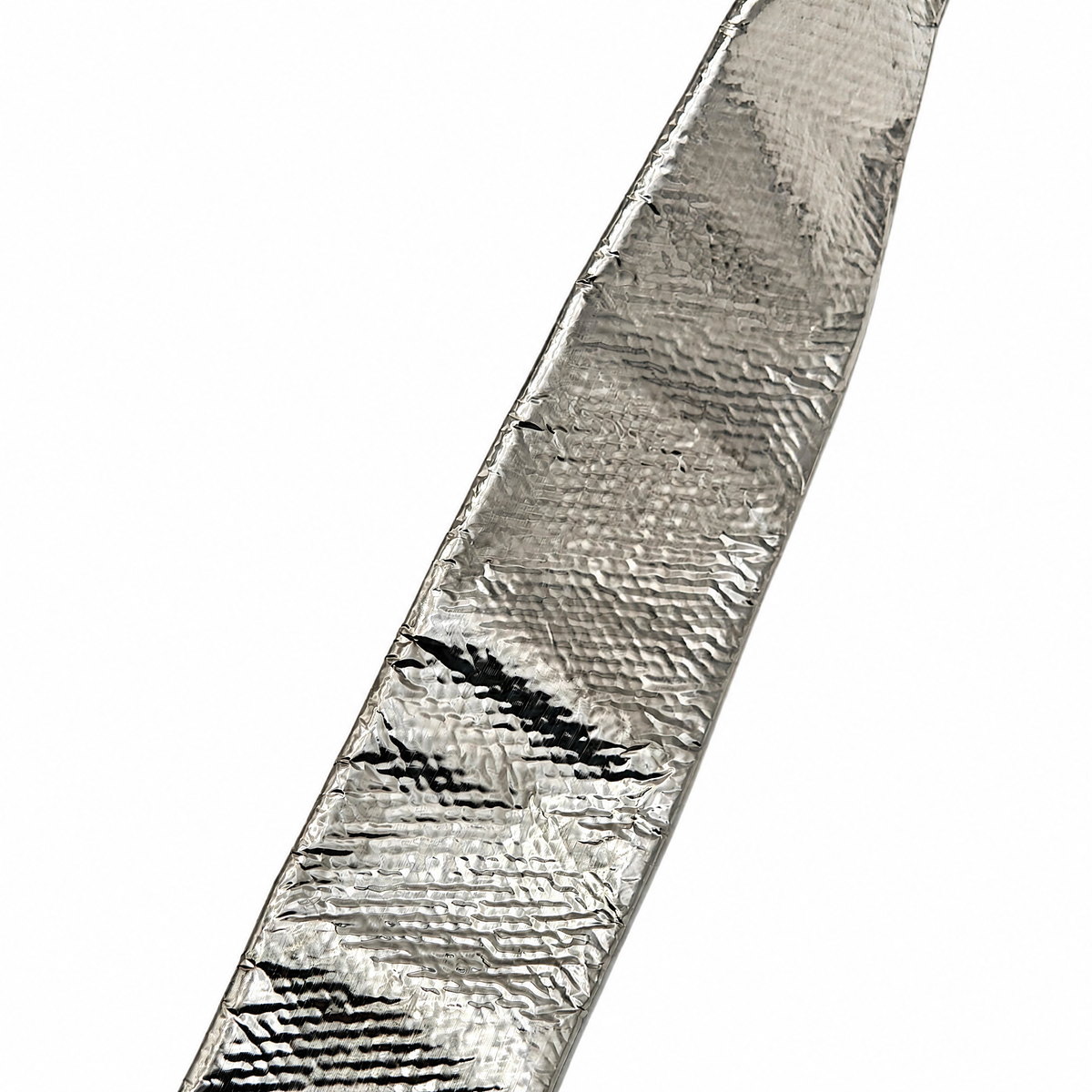
A wire harness sleeve plays a critical role in protecting electrical bundles from environmental damage, abrasion, and thermal stress. However, choosing a sleeve system that balances protection with ease of installation and maintenance can significantly impact your operational efficiency. Modern wire sleeving solutions are engineered specifically to reduce assembly time, lower maintenance costs, and extend the lifespan of your entire harness system.
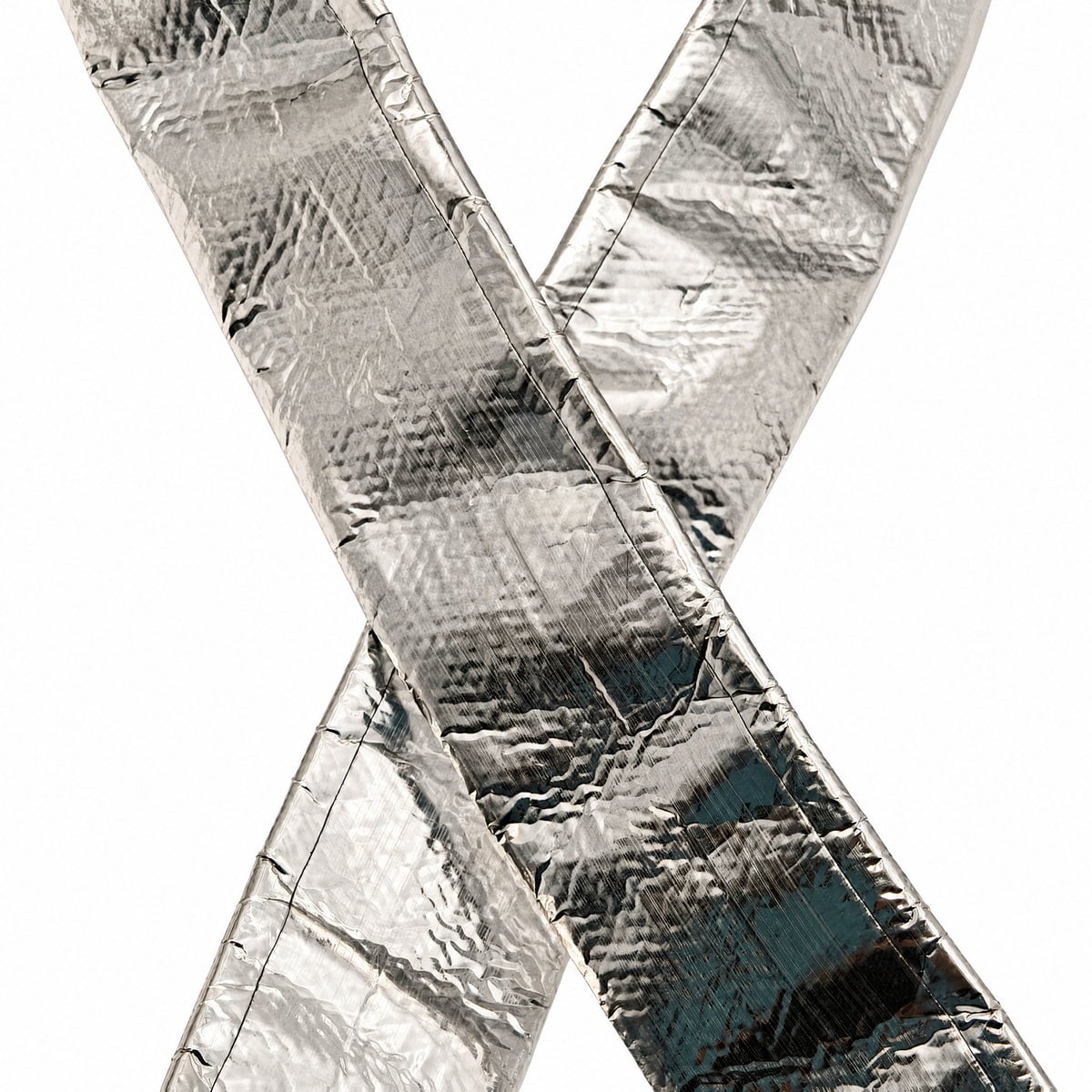
The ease of installing and maintaining a wire harness directly correlates to the design features of the sleeve itself. Advanced harness protection materials now enable technicians to work faster, with fewer errors, and with reduced need for rework. Understanding what makes certain wire sleeving solutions superior for installation and maintenance will help you select systems that deliver both immediate time savings and long-term reliability benefits.
Design Features That Simplify Installation
Pre-Sized and Flexible Construction
One of the most important factors in installation ease is how well a wire harness sleeve fits onto cable bundles without requiring custom cutting or tooling. Modern wire sleeving solutions often come in pre-sized diameters that accommodate common harness configurations, eliminating guesswork during assembly. Flexible sleeve materials can stretch slightly during installation, allowing faster threading over connector blocks and routing points while maintaining a snug fit once positioned. This elasticity reduces installation time by 20 to 40 percent compared to rigid protective solutions.
Quick-Release Fastening Systems
Many contemporary harness protection systems now incorporate quick-release fasteners, split designs, or snap-fit connectors that eliminate the need for complex wrapping, taping, or adhesive application. Technicians can position the wire sleeving around the harness, engage the fastener, and move to the next installation point within seconds. This streamlined approach to harness protection reduces labor intensity and training requirements, making it accessible to less-experienced assembly staff while maintaining consistent quality.
Maintenance Advantages and Durability
Easy Access for Inspection and Repair
A well-designed wire harness sleeve should not create barriers to inspection and troubleshooting. Split-sleeve designs and modular wire sleeving configurations allow technicians to open the protective layer, examine individual wires, identify faults, and perform repairs without removing the entire harness from service. This access capability significantly reduces mean time to repair and extends the interval between complete harness replacement. Additionally, modular harness protection minimizes collateral damage during maintenance, keeping your systems operational longer.
Reusability and Cost Efficiency
Premium wire harness sleeve materials, such as heat-shrink textile sleeving, resist degradation from moisture, chemicals, and UV exposure, ensuring long service life in demanding industrial environments. When maintenance becomes necessary, many modern sleeving solutions can be partially or fully removed and reused, reducing lifecycle costs by eliminating unnecessary material waste. This reusability aspect is particularly valuable in aerospace, automotive, and heavy equipment manufacturing where harness assemblies undergo regular service intervals. Investing in durable wire sleeving initially results in lower total cost of ownership over five to ten years of operation.
Environmental and Performance Benefits
Superior Temperature and Abrasion Resistance
Wire sleeving engineered for demanding environments provides consistent harness protection across extreme temperature ranges and high-vibration applications. Textile-based and composite wire harness sleeve materials can withstand continuous exposure to temperatures exceeding 150 degrees Celsius while resisting mechanical abrasion from sharp edges, moving machinery, and repetitive flexing. This durability directly translates to fewer emergency maintenance calls, reduced field failures, and improved system reliability. Choosing high-performance harness protection upfront eliminates costly unplanned downtime and warranty claims.
Compliance and Standardization
Modern wire sleeving solutions that meet international standards like IEC 61440 and MIL-DTL-18480 ensure consistent protection quality across production batches and simplify procurement processes. Standardized wire harness sleeve specifications reduce design complexity, enable faster supplier qualification, and streamline inventory management. Compliance-certified harness protection also mitigates liability risks and ensures your assemblies meet customer specifications without costly revalidation cycles. When maintenance teams work with standardized components, training becomes more efficient and troubleshooting protocols are more predictable.
FAQ
What is the typical installation time reduction when using modern wire harness sleeve systems?
Modern wire sleeving systems with pre-sizing and quick-release features can reduce installation time by 20 to 40 percent compared to traditional wrapped or taped harness protection. The exact time savings depend on harness complexity, bundle diameter, and the specific wire harness sleeve design chosen. Automotive assembly lines report particularly high efficiency gains when transitioning to split-sleeve or snap-fit wire sleeving configurations.
Can wire harness sleeve materials be reused after removal during maintenance?
Many high-quality wire sleeving materials, especially heat-shrink textile and elastomer-based designs, retain their protective properties after removal and can be reused in subsequent maintenance cycles. However, the reusability depends on whether the harness protection was damaged during service or removal. Suppliers typically recommend assessing the condition of wire harness sleeve material before reapplication to ensure continued protection and reliability.
Which wire sleeving option is best for applications requiring frequent maintenance access?
Split-sleeve or modular wire harness sleeve designs are ideal for applications requiring frequent inspection and repair because they allow technicians to open the protection layer without complete removal. These harness protection configurations are common in aerospace, marine, and industrial control systems where accessibility is critical. Modular wire sleeving also minimizes disruption to adjacent components during maintenance activities.
 EN