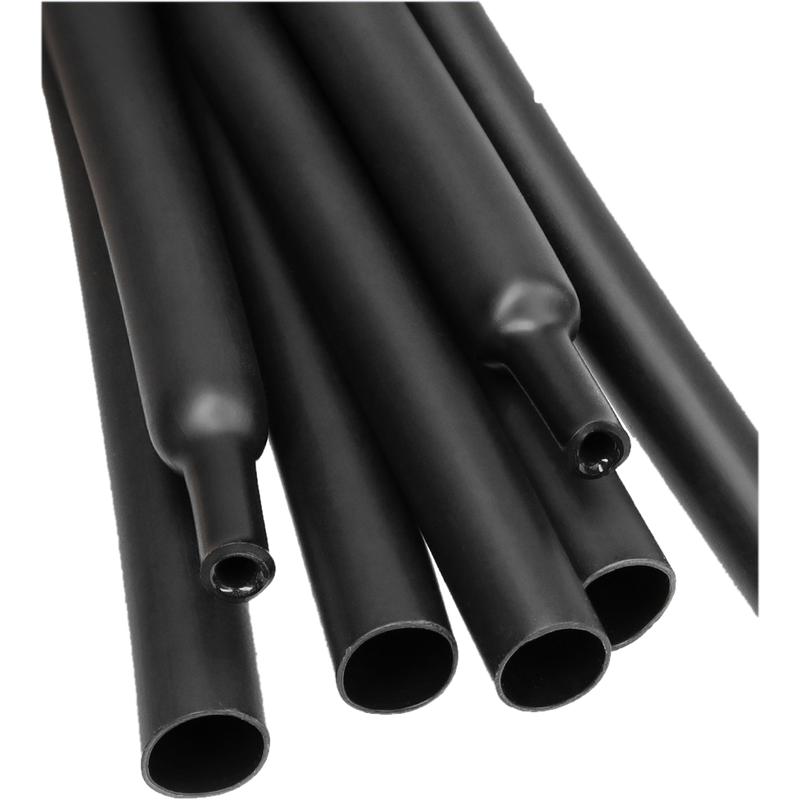
Industrial environments demand reliable solutions for protecting cables and electrical connections from moisture, contamination, and mechanical stress. The choice of cable protection material directly influences system longevity, safety compliance, and operational efficiency. A heat shrinkable tube has emerged as a critical component in modern industrial applications because it provides superior electrical insulation, durable wire termination, and consistent cable protection across diverse environments.
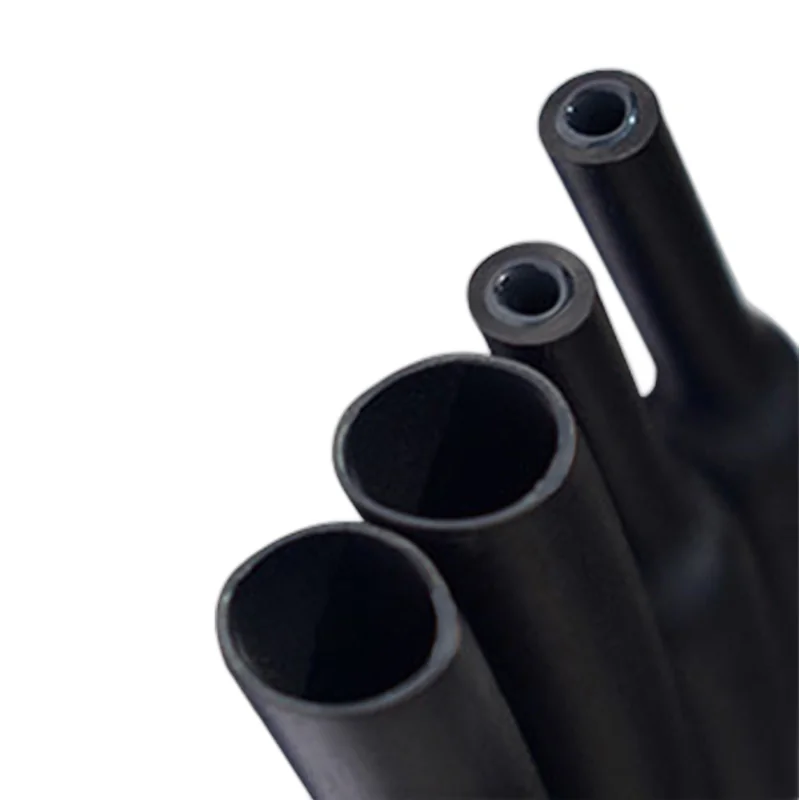
The suitability of a heat shrinkable tube for any specific cable environment depends on several interconnected factors including temperature extremes, chemical exposure, mechanical demands, and moisture infiltration risks. Understanding these performance drivers enables engineers and maintenance professionals to select the optimal tubing variant for their exact application requirements. This knowledge prevents costly failures, reduces downtime, and ensures compliance with industry standards across telecommunications, automotive, aerospace, marine, and manufacturing sectors.
Understanding Cable Environment Requirements
Temperature Range and Thermal Performance
Cable environments vary dramatically in their thermal characteristics. Some applications require electrical insulation in cryogenic conditions below negative 40 degrees Celsius, while others operate continuously above 150 degrees Celsius in furnace rooms or engine compartments. A heat shrinkable tube must maintain its mechanical properties and electrical insulation integrity across the full operational temperature range. Tubing formulated from polyolefin or fluoropolymer materials responds differently to thermal stress, which makes material selection critical for environment-specific deployment.
The shrinking temperature itself becomes a deployment consideration. Standard polyolefin tubing typically activates at 90 to 120 degrees Celsius, making it suitable for manual heat gun application. However, specialty formulations shrink at lower temperatures for sensitive electronic assemblies or at higher temperatures for environments where accidental thermal activation could compromise cable protection. This thermal precision ensures that wire termination procedures remain consistent and reliable across manufacturing, field installation, and repair scenarios.
Moisture and Chemical Exposure
Outdoor and subsurface cable environments present extreme moisture challenges. A standard heat shrinkable tube offers basic cable protection through physical barriers, but adhesive-lined dual-wall variants provide superior electrical insulation by preventing water ingress into connection points where corrosion and electrical failures initiate. Chemical exposure from saltwater spray, industrial solvents, ozone generation, or UV radiation requires specialized tube compositions that resist degradation and maintain long-term cable protection performance.
Marine applications exemplify these demands. Cables exposed to saltwater environments demand heat shrinkable tube formulations incorporating corrosion inhibitors and hydrophobic adhesive layers. Electrical insulation standards in maritime regulations specify minimum chemical resistance thresholds that basic tubing cannot meet. Similarly, automotive underbody applications require cable protection materials resistant to road salt, diesel fuel splash, and sustained humidity without compromising adhesive bonding or mechanical strength during wire termination procedures.
Material Composition and Performance Matching
Polyolefin, Cross-Linked, and Fluoropolymer Options
Heat shrinkable tube construction spans three primary material families, each delivering distinct performance profiles suited to specific cable environments. Standard polyolefin remains the most economical choice for general-purpose electrical insulation and basic wire termination in benign indoor environments. Cross-linked polyolefin variants offer improved temperature retention, chemical resistance, and compression set recovery compared to standard formulations, making them suitable for automotive and appliance manufacturing where thermal cycling and mechanical stress are routine.
Fluoropolymer-based heat shrinkable tube commands premium pricing but delivers exceptional performance in extreme environments. These materials maintain electrical insulation and cable protection properties across wider temperature ranges, resist aggressive chemicals, and demonstrate superior flame resistance for aerospace, petrochemical, and high-temperature industrial applications. The selection between material families hinges on balancing cost constraints against environmental severity and reliability criticality in the specific cable protection scenario.
Adhesive-Lined Construction for Enhanced Performance
Dual-wall tubing featuring internal adhesive layers transforms a heat shrinkable tube from simple mechanical covering into integrated electrical insulation and moisture-sealing solution. The adhesive melts during heating, creating waterproof bonds between the tubing and underlying cable or connector surfaces. This construction eliminates gaps where moisture could accumulate, extends cable protection longevity in humid environments, and reduces wire termination labor by eliminating separate potting or sealant application steps.
Hot-melt adhesive formulations must balance viscosity, adhesion strength, and flow characteristics to ensure complete coverage during shrinking without creating voids or drips. Quality-engineered adhesive systems remain stable across temperature extremes and maintain bonding integrity during mechanical flexing or vibration exposure common in transportation and machinery applications. The adhesive composition also determines chemical compatibility, so cable protection in solvent-heavy environments requires specialized formulations that resist penetration and delamination.
Application-Specific Selection Criteria
Mechanical Stress and Abrasion Resistance
Mechanical stress severity dramatically affects heat shrinkable tube suitability for specific cable environments. Fixed installations in conduit systems experience minimal mechanical abuse, allowing thinner-walled tubing and basic material grades to provide adequate electrical insulation and cable protection. Conversely, mobile equipment, robotics, manufacturing assembly lines, and vibration-intensive environments generate continuous flexing, abrasion against sharp edges, and repetitive compression cycles that degrade tubing durability rapidly. These cable environments demand thicker, more resilient tubes with superior tear strength and abrasion-resistant surface treatments.
Wire termination points experience concentrated stress from vibration amplification and connector insertion forces. Heat shrinkable tube thickness and wall construction directly influence stress dissipation. Thinner variants crack and perforate under cyclic stress, compromising electrical insulation within months. Dual-wall construction with reinforced outer layers provides superior mechanical durability while the adhesive inner layer maintains electrical insulation and cable protection seal integrity even if surface microfractures develop.
Regulatory Compliance and Industry Standards
Cable protection standards vary significantly across industries and geographies, mandating specific heat shrinkable tube properties for safety and reliability certification. Aerospace applications require tubing meeting MIL-DTL-23053 or equivalent specifications detailing flammability ratings, electrical insulation breakdown thresholds, and thermal cycling performance. Automotive cable environments mandate compliance with SAE J2030 standards covering shrink temperature, recovery force, and chemical resistance. Marine applications reference IEC 61076 electrical connector standards that include cable protection material requirements.
Medical device applications impose additional electrical insulation and biocompatibility constraints on heat shrinkable tube materials. Food processing environments require FDA-compliant tubing resistant to sanitizing chemicals and temperature extremes during cleaning cycles. Navigating these regulatory frameworks ensures wire termination installations meet applicable standards and maintain cable protection performance validity across the product lifecycle. Non-compliance risks safety failures, regulatory penalties, and liability exposure that far exceed material cost savings from using unsuitable tubing variants.
FAQ
How does heat shrinkable tube thickness affect electrical insulation performance in wet environments?
Thicker tubing walls provide superior electrical insulation and moisture barrier properties by increasing material density and reducing permeability to water vapor infiltration. In wet cable environments, adhesive-lined dual-wall tubing with combined wall thickness of 0.5 mm to 1.5 mm delivers optimal cable protection balance between sealing effectiveness and installation workability. Thinner tubing permits gradual moisture penetration that degrades electrical insulation properties over months or years, particularly around wire termination joints where initial seal integrity proves critical.
Can standard polyolefin heat shrinkable tube substitute for specialized cross-linked formulations in automotive applications?
Standard polyolefin heat shrinkable tube may function temporarily in some automotive cable environments but typically fails prematurely compared to cross-linked variants. Automotive underbody temperatures cycle repeatedly between freezing and elevated heat, creating compression set failure where the tubing permanently deforms and loses electrical insulation sealing capability. Cross-linked polyolefin maintains dimensional stability and adhesive integrity through 500+ thermal cycles, providing cable protection reliability that standard tubing cannot match. Wire termination applications in modern vehicles increasingly mandate cross-linked formulations to meet warranty and durability expectations.
What determines whether adhesive-lined heat shrinkable tube is necessary for specific cable protection scenarios?
Adhesive-lined tubing becomes essential whenever cable environments involve moisture, chemical exposure, or critical electrical insulation requirements. Dry indoor installations at controlled temperatures may require only basic electrical insulation provided by standard tubing. However, outdoors, underground, subsea, or chemically aggressive cable environments justify adhesive-lined investment because the prevention of single moisture-ingress failure delivers far greater value than tubing material cost differences. Wire termination quality standards in aerospace, marine, and telecommunications industries virtually mandate adhesive-lined construction to meet stringent cable protection specifications and reliability certifications.
 EN