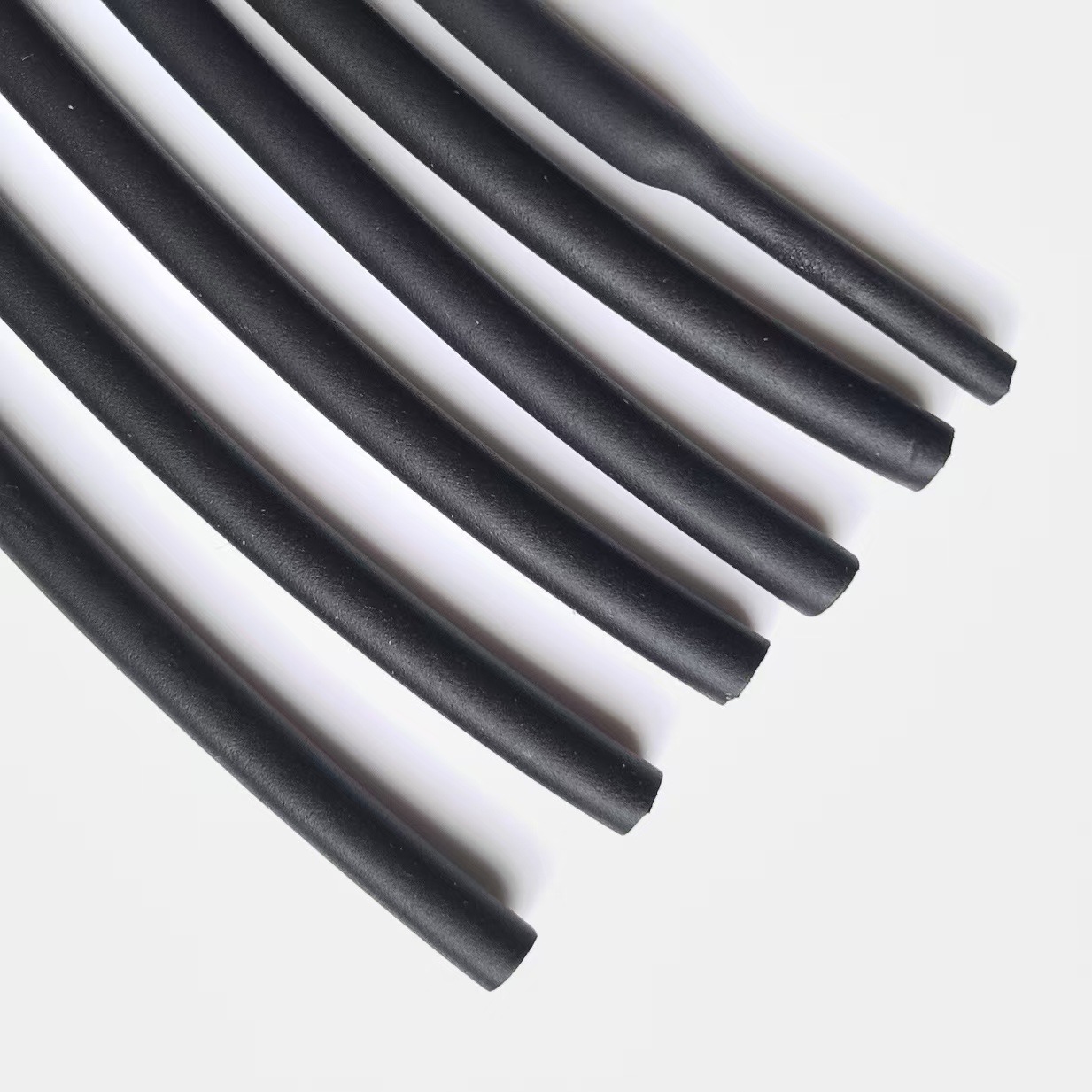
Installing and maintaining electrical connections requires precision, reliability, and durability. One solution that stands out for its ease of use and long-term performance is heat shrinkable tube. This versatile material has become the industry standard for electrical insulation, cable protection, and wire termination across countless applications. Unlike traditional wrapping methods or rigid conduits, heat shrinkable tube offers a straightforward installation process that saves time and reduces errors, while its robust construction ensures minimal maintenance requirements over its operational life.
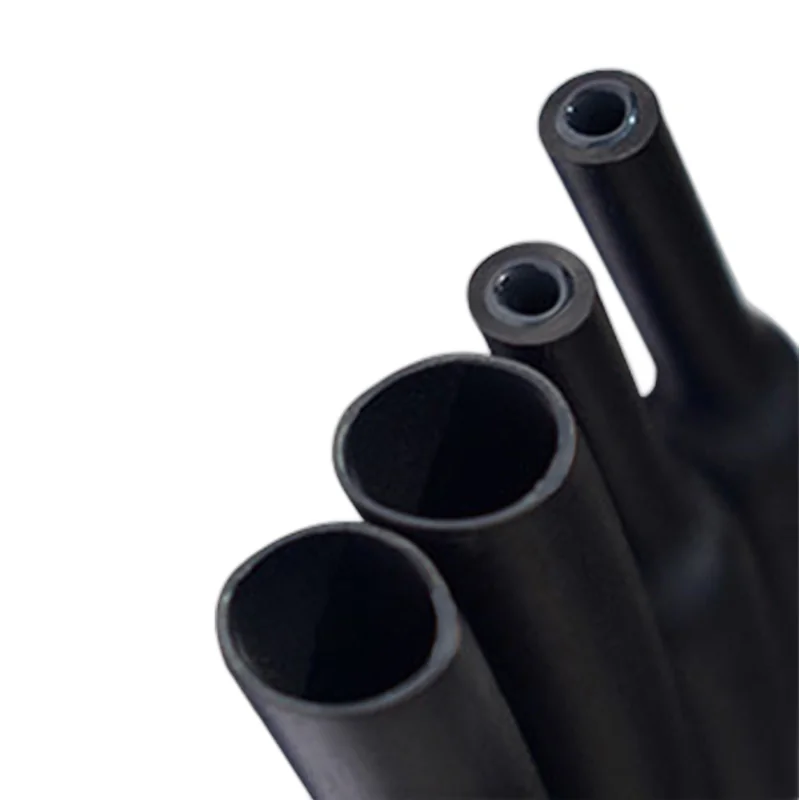
The advantages of heat shrinkable tube extend beyond simple convenience. When technicians select the right cable protection solution, they reduce downtime, improve safety compliance, and extend equipment lifespan. This article explores the specific design features that make heat shrinkable tube easier to work with, the installation methods that deliver consistent results, and the maintenance practices that keep electrical systems protected year after year.
Design Features That Simplify Installation
Uniform Fit and Automatic Conformity
Heat shrinkable tube is engineered to provide uniform fit around irregular shapes and varying diameters. Once heat is applied, the material shrinks uniformly in all directions, automatically conforming to the wire termination or cable bundle beneath it. This automatic conformity eliminates the need for precise pre-sizing calculations that plague traditional insulation methods. Technicians simply choose a tube with a nominal inside diameter slightly larger than the component being protected, slide it into position, and apply controlled heat. The electrical insulation bonds tightly without gaps or loose sections.
Built-In Adhesive Options for Enhanced Performance
Many modern heat shrinkable tube products include an adhesive-lined interior that melts slightly during the shrinking process. This adhesive layer creates a waterproof seal and mechanical bond that strengthens cable protection against moisture, chemicals, and environmental contaminants. During installation, technicians benefit from this added layer of functionality without any extra steps. The adhesive-lined variant is particularly useful for marine, automotive, and industrial environments where wire termination must withstand harsh conditions. This feature simplifies the workflow by combining two operations—shrinking and sealing—into a single thermal application.
Installation Process and Practical Advantages
Streamlined Workflow and Time Savings
Traditional electrical insulation methods often require wrapping, layering, or mechanical fastening that consumes labor hours and introduces variability. Heat shrinkable tube streamlines this process into three simple steps: cut to length, position, and apply heat. Most installations complete in seconds. The speed advantage multiplies across large projects—a technician applying cable protection to fifty connections might save two to three hours compared to alternative methods. This time efficiency directly reduces project costs and accelerates system deployment, making heat shrinkable tube the practical choice for commercial installations where schedule matters.
Consistency and Error Reduction
Because heat shrinkable tube shrinks automatically when temperature thresholds are reached, the result is consistent regardless of operator technique variation. Unlike manual wrapping where tension and overlap depend on technician skill, thermal shrinking delivers uniform compression every time. This consistency is critical for wire termination quality. Loose or unevenly applied insulation creates weak points where moisture or mechanical stress can compromise performance. Heat shrinkable tube eliminates these variables by relying on predictable material behavior rather than human judgment. Quality assurance becomes simpler, and rework rates drop significantly.
Maintenance Advantages and Long-Term Performance
Durability Across Environmental Extremes
Heat shrinkable tube maintains its integrity across wide temperature ranges, ultraviolet exposure, and chemical contact. Once installed, it requires virtually no ongoing maintenance. Unlike fabric tape or spiral wrapping that can unravel or degrade over time, the fused structure of shrunk tubing remains intact indefinitely. For cable protection in outdoor installations, manufacturing facilities, or underground applications, this durability translates to fewer replacement cycles and reduced total cost of ownership. Electrical insulation that maintains its protective properties decade after decade represents a significant operational advantage compared to materials requiring periodic inspection or replacement.
Visual Inspection and Identification Benefits
Heat shrinkable tube comes in numerous colors, allowing technicians to use color coding for wire termination identification. A red shrink tube might indicate high-voltage circuits, while blue marks low-voltage signal lines. This color-coding capability aids troubleshooting and maintenance planning. Technicians can visually inspect the tube's condition—checking for cracks, discoloration, or separation—without disassembly. If damage is visible, replacement is straightforward: gently heat the tube to make it pliable again, slide it off, and install a new section. The cable protection remains accessible and easy to service throughout the equipment's lifetime.
FAQ
What temperature should be applied when installing heat shrinkable tube?
Most heat shrinkable tube products activate between 80–120°C (176–248°F), depending on the material composition. Heat guns with adjustable temperature settings are the standard application tool. Technicians should follow the manufacturer's specifications for their specific cable protection product to achieve optimal shrinking and adhesive activation without damaging the underlying wires or electrical insulation.
Can heat shrinkable tube be reused if removed?
Once heat shrinkable tube has been heated and shrunk around a wire termination, it cannot be reliably reused. The material loses its elastic recovery properties after the first thermal cycle. However, the removal process is non-destructive—the tube simply becomes loose and can be slid off. Always install fresh heat shrinkable tube for new applications or replacements to ensure proper electrical insulation and cable protection performance.
Is heat shrinkable tube suitable for high-voltage applications?
Yes, heat shrinkable tube is widely used in high-voltage wire termination and electrical insulation applications. Many formulations are rated for several kilovolts and comply with electrical safety standards. When selecting a product for high-voltage use, verify that the specific heat shrinkable tube meets or exceeds your voltage requirements and any applicable electrical codes. Adhesive-lined variants provide additional dielectric strength and are often preferred for demanding electrical insulation tasks in power distribution systems.
 EN