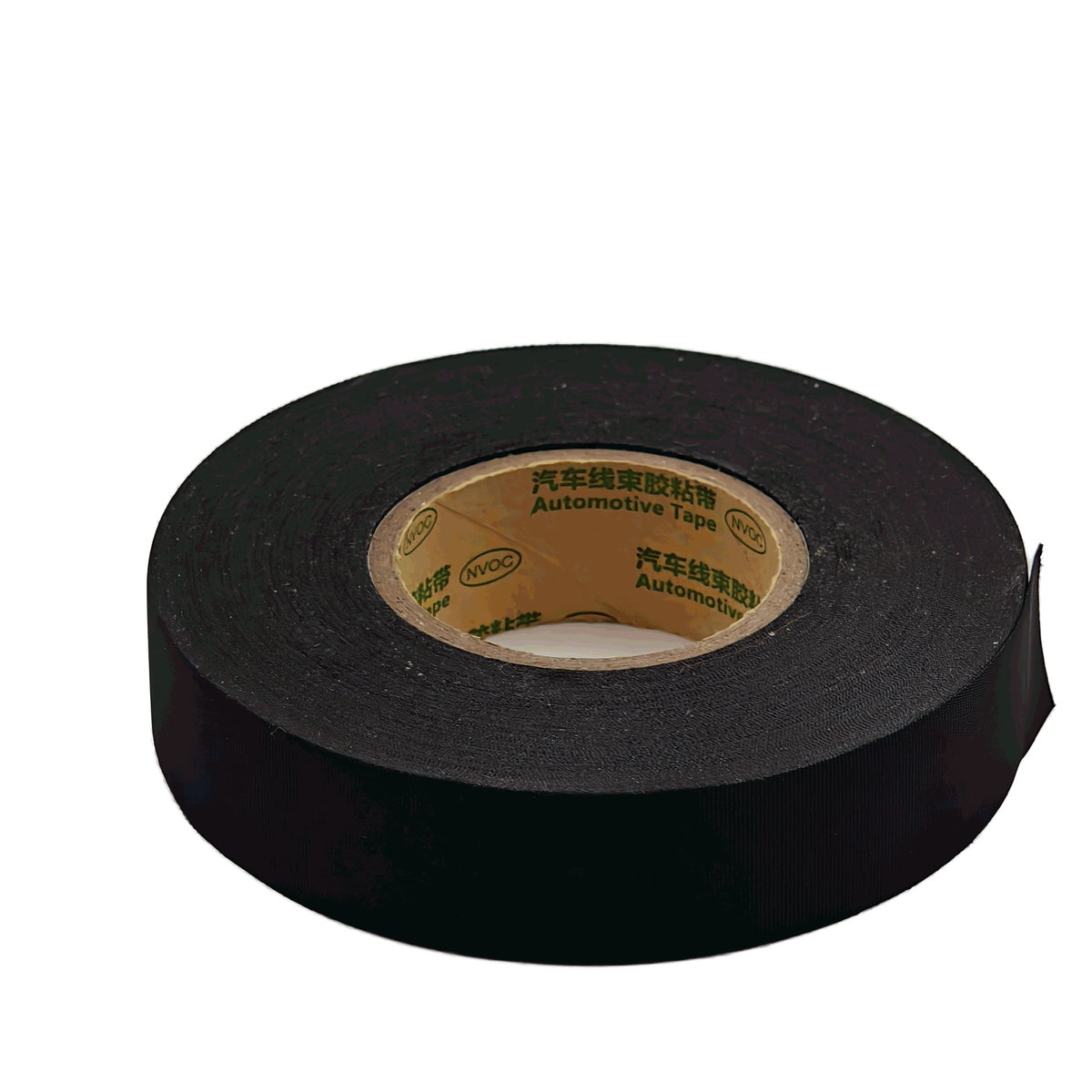
The cost of custom-converted acetate cloth tape varies significantly based on multiple interconnected factors that manufacturers and procurement teams must understand. Understanding these cost drivers helps businesses make informed purchasing decisions and optimize their material budgets. The pricing structure for acetate cloth tape reflects raw material expenses, manufacturing complexity, volume commitments, and specialized finishing processes. Whether your application involves cable wrapping, heat resistant tape requirements, or automotive harness protection, the final cost depends on configuration choices and production parameters.
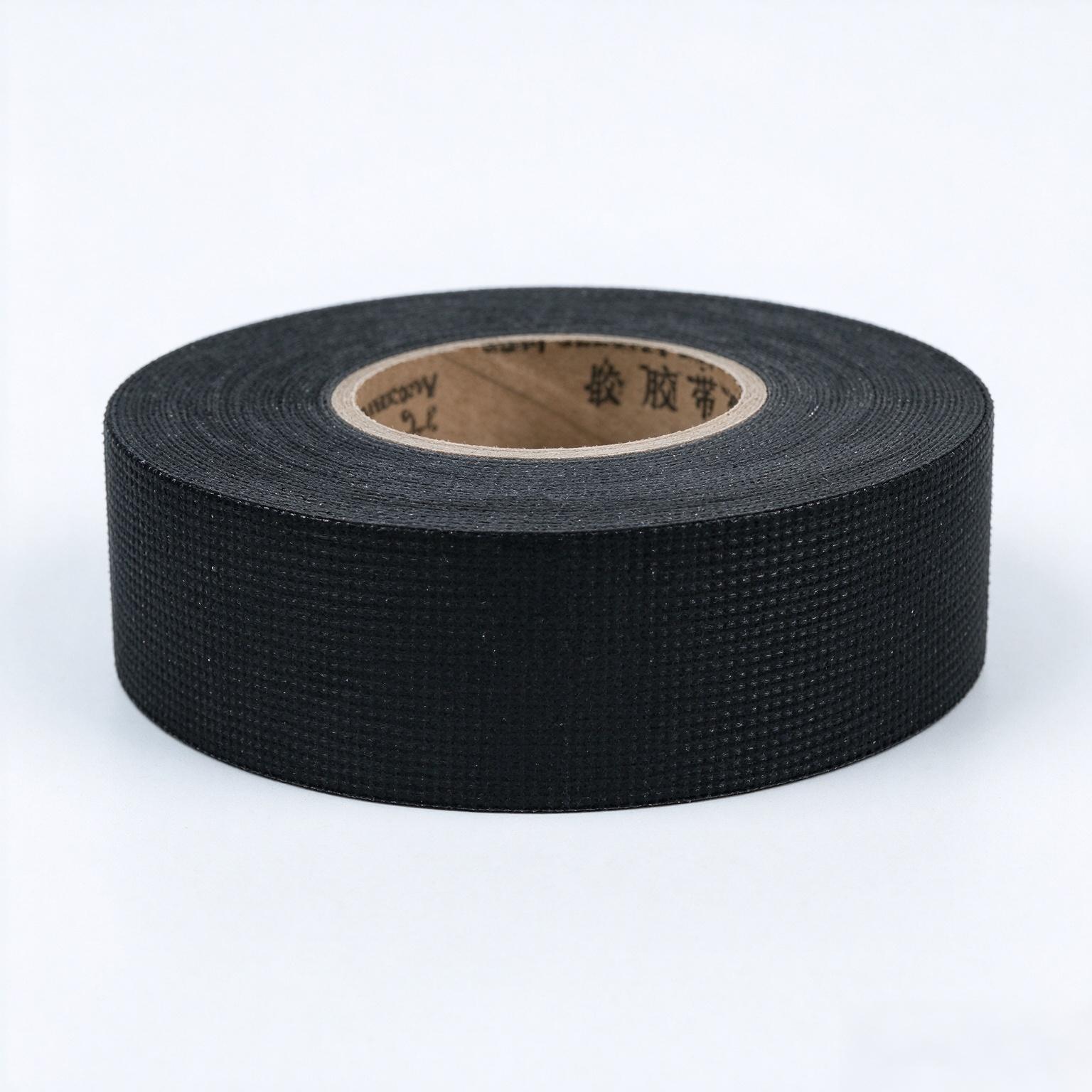
Custom conversion adds substantial value to acetate cloth tape products by enabling tailored widths, thicknesses, adhesive formulations, and surface treatments. Each conversion step introduces labor, equipment setup, and quality control expenses. Understanding the relationship between customization level and pricing allows purchasing managers to balance performance requirements against budget constraints. The automotive harness sector particularly benefits from custom conversions, where precise specifications ensure compliance and reliability.
Raw Material Quality and Composition
Grade and Thickness Selection
The base acetate cloth material quality directly influences final product pricing. Premium-grade acetate cloth substrates cost more than standard options but provide superior tensile strength and dimensional stability. Thickness variations ranging from 0.10mm to 0.25mm affect both material cost and processing time. Thicker materials require more raw material per unit, increasing the baseline cost structure. Heat resistant tape applications often demand thicker specifications to ensure adequate thermal protection, thereby raising conversion expenses.
Adhesive System Complexity
The adhesive applied during tape conversion significantly impacts total cost. Standard acrylic adhesives cost less than specialized formulations designed for high-temperature performance or chemical resistance. Automotive harness applications frequently require premium adhesive systems that maintain performance across temperature extremes and resist vibration-induced slippage. Custom adhesive blends, whether for cable wrapping or specialized bonding, involve formulation costs, testing expenses, and production line adjustments that directly translate to higher prices.
Production Volume and Setup Efficiency
Order Quantity Economics
Custom-converted acetate cloth tape pricing scales inversely with order volume. Small batch orders require proportionally higher setup costs, material waste allocation, and quality control expenses. Large volume commitments allow manufacturers to amortize fixed costs across more units, reducing per-unit prices. Cable wrapping and automotive harness manufacturers often benefit from volume discounts when consolidating annual requirements into fewer, larger orders. Understanding your volume trajectory helps negotiate better pricing structures with suppliers.
Production Line Configuration
Custom conversion processes require specific line configurations for coating, slitting, and finishing operations. Setting up equipment for narrow-width heat resistant tape involves different parameters than standard-width products. Each configuration change introduces downtime and labor expenses. Manufacturers must reconfigure lines when switching between width specifications, adhesive types, or surface treatments. These changeover costs factor directly into pricing calculations, especially for smaller orders requiring dedicated setups.
Customization Scope and Technical Requirements
Width and Length Specifications
Custom widths for acetate cloth tape range from narrow cable wrapping dimensions to wider automotive harness protection formats. Standard widths cost less because they utilize industry-standard equipment and minimize material waste. Non-standard widths require equipment adjustment and produce more scrap material, increasing costs. Precision tolerance requirements for critical applications add further expense through additional quality inspection and potential rework cycles.
Surface Treatment and Finishing Options
Advanced finishing processes significantly influence heat resistant tape pricing. Silicone coating applications for high-temperature performance require specialized equipment and careful process control. Release agent application for easy-unwind characteristics adds processing steps. Embossing or texturing for improved grip increases conversion complexity. Surface treatments for cable wrapping applications that enhance grip or reduce slippage involve additional manufacturing stages. Each finishing option adds tangible cost through labor, materials, and equipment operation time.
Supply Chain and Market Factors
Raw Material Sourcing and Volatility
Acetate cloth tape costs fluctuate with global petroleum markets, as adhesive compounds and base materials tie to crude oil pricing. Supply chain disruptions affecting acetate cloth availability increase material costs and extend lead times. Specialty adhesive components for heat resistant tape applications face supply constraints during high-demand periods. Manufacturers facing raw material cost increases typically pass portions of these increases to customers within contract terms.
Manufacturing Location and Labor Costs
Conversion facilities located in different regions have varying labor and operational expense structures. Automotive harness suppliers in high-cost regions typically pay premium wages for skilled tape conversion operators. Energy expenses for heating and cooling conversion lines vary by location and season. Logistics costs for shipping custom acetate cloth tape to customers reflect regional transportation networks. These geographical factors create price variation across different suppliers and regions.
FAQ
How does adhesive type affect acetate cloth tape cost?
Adhesive selection represents one of the largest cost variables in heat resistant tape pricing. Standard acrylic adhesives cost significantly less than specialized formulations like solvent-resistant or cryogenic-grade adhesives. Automotive harness applications requiring extreme temperature performance demand premium adhesives that increase tape cost by fifteen to thirty percent. Custom adhesive blends tailored to specific performance requirements involve development and testing expenses beyond standard inventory adhesives.
What is the relationship between order volume and cable wrapping tape pricing?
Order volume directly impacts unit pricing for custom-converted acetate cloth tape through manufacturing efficiency. Small orders under one thousand units incur proportionally higher setup costs, while orders exceeding fifty thousand units achieve substantial per-unit discounts. Volume commitments allow manufacturers to pre-stage equipment, optimize material flow, and reduce waste allocation. Customers consolidating annual cable wrapping requirements into quarterly or semi-annual orders typically receive better pricing than those placing frequent small orders.
Why does custom width increase the cost of automotive harness protection tape?
Custom widths for automotive harness applications require equipment adjustment and generate additional material waste compared to standard sizes. Slitting machinery must be reconfigured for each width change, creating setup costs and downtime. Non-standard widths typically result in higher scrap rates during both production and edge-trimming phases. Quality control for custom dimensions requires additional inspection procedures, further raising conversion costs for heat resistant tape specifications.
 EN