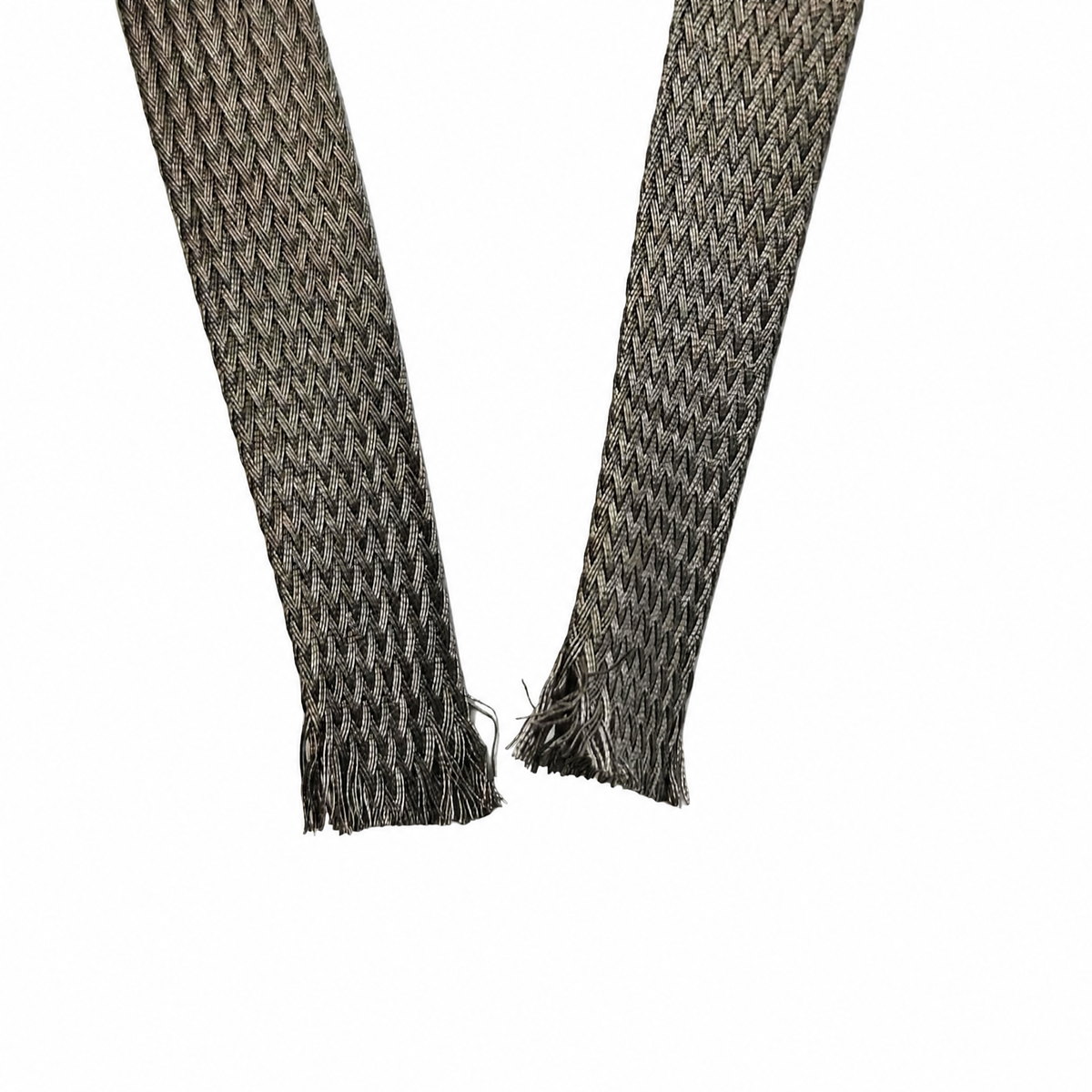
Selecting the right wire harness sleeve requires careful evaluation of technical documentation that governs performance, durability, and safety. Buyers across automotive, industrial, and electrical sectors face complex procurement decisions where incomplete or overlooked documentation can lead to performance failures, warranty complications, and operational downtime. Understanding which documents to review before purchase ensures that your wire sleeving solution meets both regulatory requirements and practical application demands.
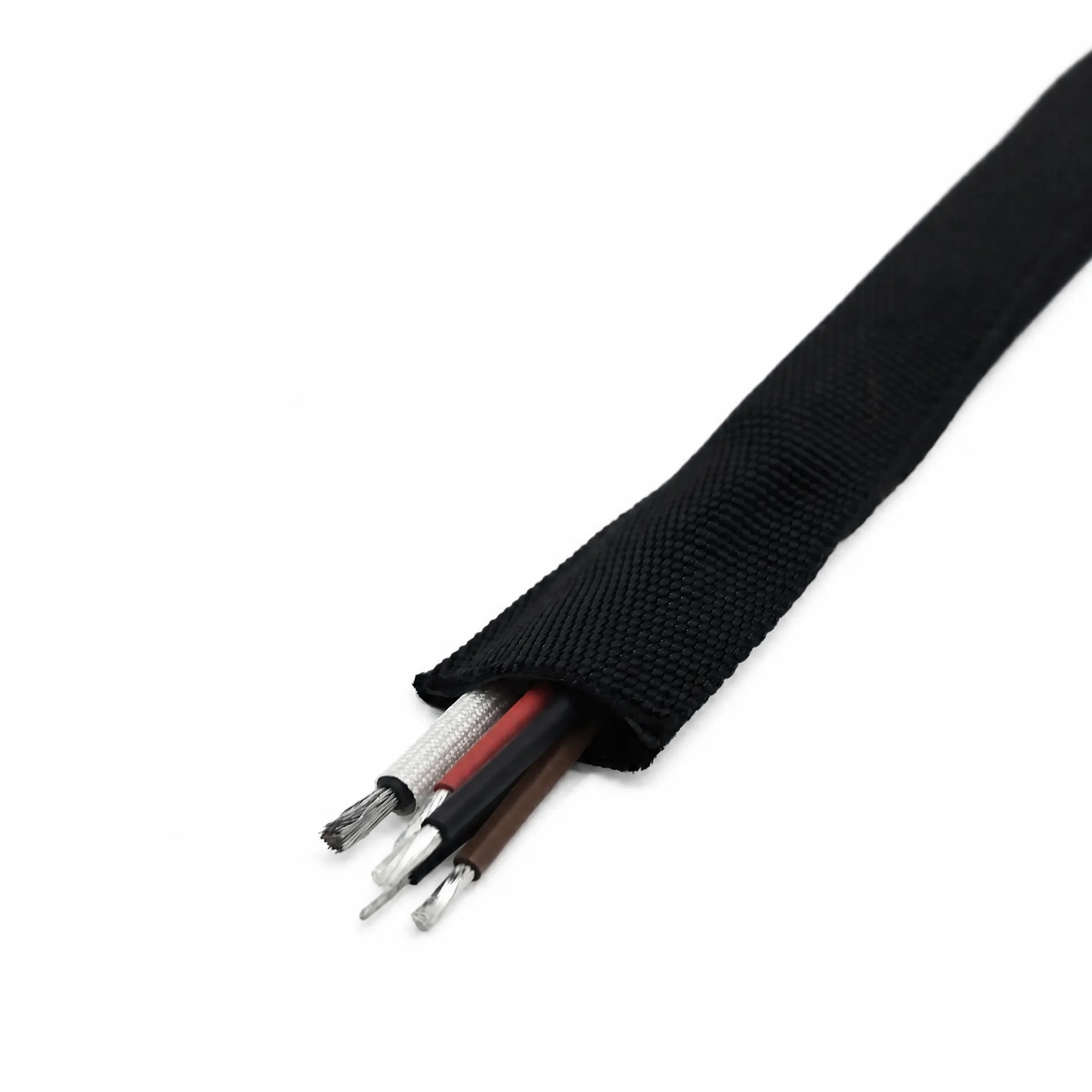
The documentation landscape for wire sleeving encompasses material specifications, performance certifications, compatibility matrices, and application guidelines. Each document serves a distinct purpose in validating that a wire harness sleeve will perform reliably in its intended environment. Buyers who approach procurement systematically by reviewing key documentation categories reduce risk, avoid costly substitutions, and make informed decisions that align with engineering and compliance requirements.
Technical Specification Documents
Material Composition and Properties
Material specifications form the foundation of wire sleeving selection and directly impact abrasion resistance, thermal stability, and longevity. Technical data sheets should clearly identify the primary material composition—whether polyester, polypropylene, fiberglass, or specialty polymers—and list key mechanical properties including tensile strength, flexibility, and flame resistance ratings. When reviewing automotive wiring applications, material documentation must confirm compatibility with engine compartment temperatures, exposure to oils and solvents, and vibration environments common in vehicle designs.
Abrasion resistance specifications deserve particular attention because this property directly determines how long wire sleeving will protect underlying conductors in high-friction environments. Technical documentation should provide standardized abrasion test results, typically measured according to industry methods, along with comparative data showing performance under different surface contact scenarios. Buyers should verify that abrasion resistance ratings match the severity of their application—light-duty stationary installations require different standards than heavy-duty mobile or industrial environments.
Dimensional and Functional Tolerances
Precise dimensional documentation ensures that wire sleeving fits properly around the wire bundle and integrates seamlessly with connector systems and routing hardware. Specification sheets must include inner diameter ranges, wall thickness, and length tolerances, along with information about expansion characteristics when heated or under load. For automotive wiring harnesses, dimensional accuracy is critical because tight routing constraints leave little margin for oversized sleeving, while undersized products fail to provide adequate protection against chafing and environmental contamination.
Functional tolerance documentation should also address color consistency, surface finish characteristics, and any shrinkage behavior under thermal stress. Wire sleeving that shrinks excessively during installation or operation can compromise conductor access points and create binding forces that damage underlying insulation. Buyers should request test data showing dimensional stability across the operating temperature range relevant to their application.
Regulatory and Certification Documentation
Industry Standards and Compliance Certifications
Compliance documentation verifies that wire sleeving meets recognized industry standards for the intended market and application sector. For automotive wiring applications, documentation should confirm adherence to standards such as SAE specifications, ISO requirements, and OEM-specific performance criteria. Certification documents from recognized testing laboratories provide objective verification that the product has undergone independent evaluation and meets established performance thresholds for flame resistance, thermal stability, and mechanical properties.
Regulatory certifications become increasingly important when wire sleeving will be used in safety-critical systems, aerospace applications, or regions with strict environmental compliance mandates. Buyers should request certificates of conformance that explicitly list the standards evaluated, test methods employed, and performance results achieved. Incomplete or generic certification statements that lack specific reference to testing standards raise questions about the actual level of verification performed.
Fire and Thermal Performance Documentation
Fire resistance and thermal performance documentation is essential for applications where wire harness sleeve might be exposed to high temperatures, open flame, or flammable environments. Specification sheets should detail flame spread ratings, smoke development characteristics, and the temperature range over which the material maintains structural integrity and electrical insulation properties. Automotive wiring harnesses in engine compartments face particular thermal stress, making thermal performance documentation a non-negotiable review item.
Temperature rating documentation should specify both continuous operating limits and short-term excursion tolerances, distinguishing between ambient conditions and localized hot-spot exposure. Wire sleeving that experiences unexpected thermal degradation can lose abrasion resistance properties and create reliability issues that develop gradually during field service. Comprehensive thermal documentation prevents these failures by establishing clear performance boundaries before installation.
Application and Compatibility Documentation
Chemical and Environmental Resistance Data
Chemical compatibility documentation identifies which fluids, solvents, and environmental contaminants the wire sleeving can tolerate without degradation. Automotive wiring harnesses frequently encounter motor oil, coolant, transmission fluid, and salt-based de-icing compounds, each presenting different chemical challenges. Specification sheets should reference compatibility test results showing how the material responds to immersion or extended contact with relevant fluids, with documentation indicating whether minor swelling or discoloration occurs or whether material properties degrade.
Environmental resistance data extends beyond chemical exposure to include UV degradation characteristics, moisture absorption behavior, and performance when exposed to temperature cycling or humidity extremes. Wire sleeving used in outdoor automotive applications or in marine environments requires documentation confirming UV stability and moisture resistance that prevents water ingress or mold growth. Buyers should review accelerated aging test results that simulate years of environmental exposure, validating that the sleeving will maintain protective integrity throughout the intended product lifecycle.
Installation and Integration Guidelines
Application documentation should provide clear guidance on proper installation methods, including recommended installation temperatures, handling techniques, and any tools or equipment required for correct application. Automotive wiring harness installation often involves threading sleeving over conductor bundles in confined spaces where improper technique can damage underlying insulation or create installation defects. Detailed guidelines prevent costly rework and ensure that field technicians can achieve reliable installations consistently.
Documentation should also address compatibility with downstream assembly operations, including information about connector compatibility, solder joint isolation, and interaction with adhesive or sealing materials commonly used in automotive harness assembly. Wire sleeving that conflicts with connector designs or adhesive systems can compromise electrical performance or create assembly delays. Integration documentation prevents these conflicts by establishing clear compatibility parameters before manufacturing begins.
FAQ
What information should be prioritized when reviewing wire sleeving specifications?
Prioritize material composition, abrasion resistance ratings, thermal performance limits, and regulatory certifications relevant to your specific application. For automotive wiring harnesses, also emphasize chemical compatibility data and compatibility with your connector systems. These documents provide the foundation for assessing whether the wire harness sleeve will deliver required protection throughout the intended service life.
How does abrasion resistance documentation impact wire sleeving selection?
Abrasion resistance documentation shows how well the wire sleeving protects conductors against mechanical wear during installation and operation. Test results indicate performance under different surface contact conditions, helping buyers select wire sleeving that matches the friction severity in their specific routing paths. Applications with high vibration or tight routing constraints require higher abrasion resistance ratings than stationary installations.
Why is thermal performance documentation critical for automotive wiring harnesses?
Automotive wiring applications experience significant temperature variations from cold-start conditions to engine compartment peaks, making thermal stability essential for long-term reliability. Documentation specifying continuous operating temperature limits and short-term excursion tolerance prevents thermal degradation that could compromise the protective properties of the wire harness sleeve. Incomplete thermal documentation leaves uncertainty about whether the material will maintain performance across real-world operating conditions.
 EN