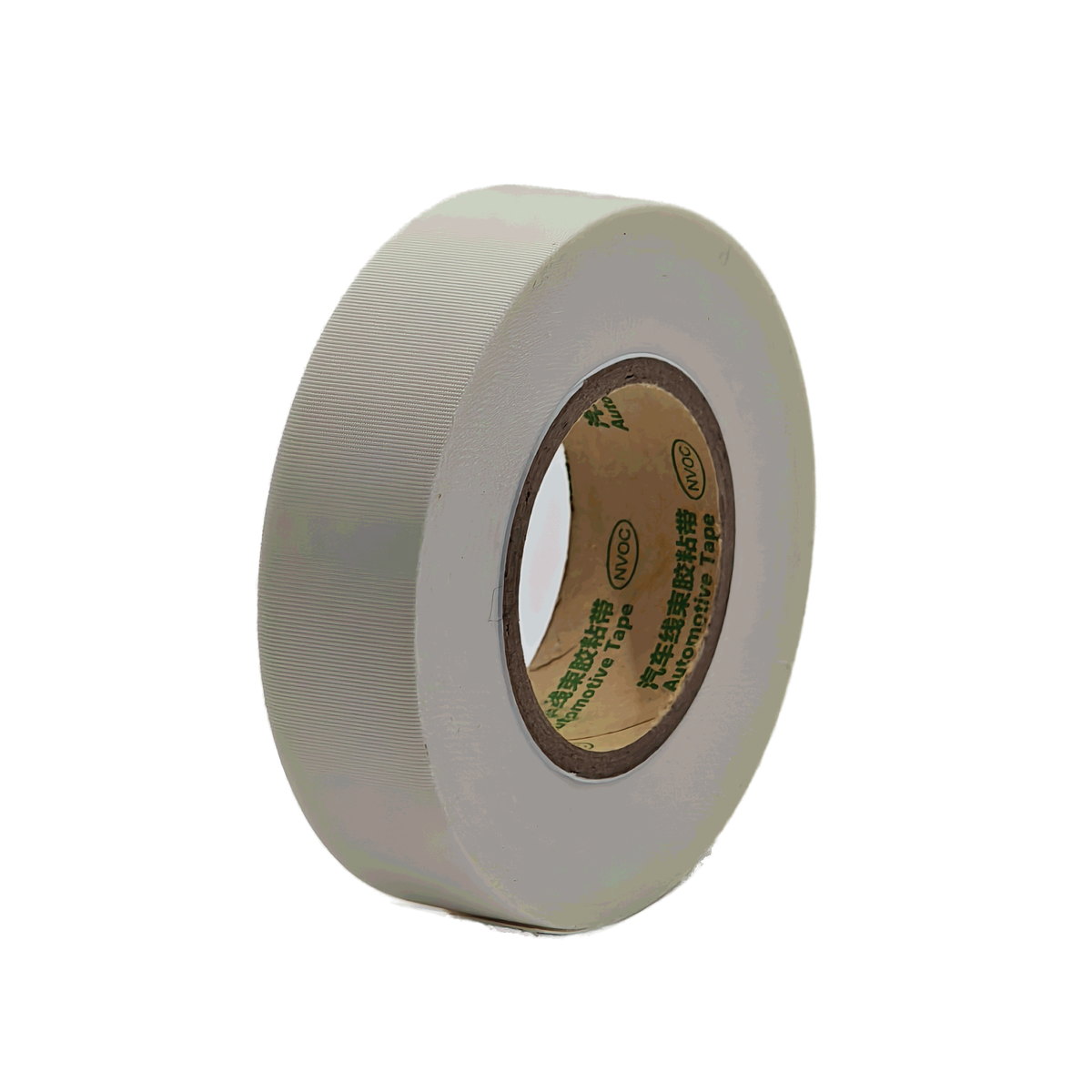
Selecting the right acetate cloth tape for your cable assembly projects requires more than just choosing a product off the shelf. The adhesion performance of acetate cloth tape on different cable jacket surfaces directly impacts the durability, reliability, and longevity of your electrical systems. Whether you work in aerospace, automotive, industrial manufacturing, or telecommunications, understanding how to properly evaluate tape adhesion ensures that your wire harness tape selections meet performance specifications and withstand real-world operating conditions.
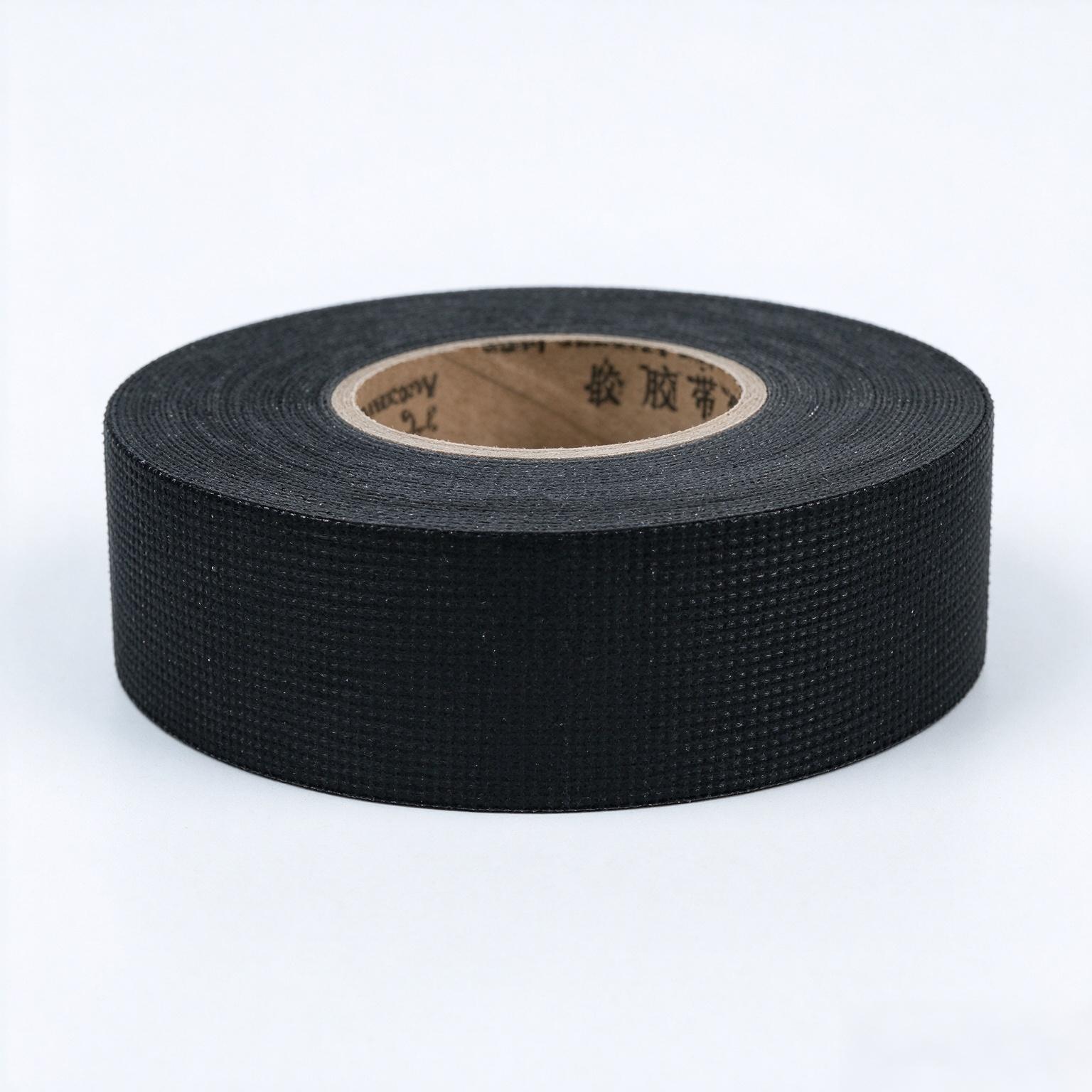
Cable jacket materials vary significantly in composition and surface characteristics, creating unique adhesion challenges for electrical insulation applications. PVC, polyimide, silicone rubber, and fluoropolymer jackets each present different surface energies and roughness profiles that affect how adhesive bonds form and hold over time. Proper evaluation methods ensure that your cable wrapping solutions maintain consistent performance across diverse environmental conditions, temperature ranges, and mechanical stresses.
Understanding Cable Jacket Surface Properties
Surface Energy and Material Compatibility
Cable jacket materials exhibit varying levels of surface energy, which directly influences adhesive bonding strength. PVC jackets typically offer moderate surface energy and provide reliable adhesion points for most wire harness tape formulations. Polyimide jacketed cables present higher surface energy, allowing excellent adhesion performance but requiring careful selection of compatible electrical insulation products. Silicone rubber and fluoropolymer jackets, conversely, exhibit lower surface energy characteristics that demand specialized acetate cloth tape formulations designed specifically for low-energy surfaces.
Surface Contamination and Preparation
The condition of the cable jacket surface before tape application directly affects adhesion quality. Industrial environments expose cables to dust, oils, moisture, and residual manufacturing compounds that create barriers between the tape adhesive and the jacket surface. Proper surface preparation through cleaning, wiping, or gentle abrasion removes these contaminants and significantly improves adhesion performance. Understanding baseline surface conditions helps you establish realistic performance expectations and identify whether adhesion failures result from tape limitations or inadequate surface preparation protocols.
Adhesion Testing Methods and Evaluation Criteria
Peel Adhesion and Shear Strength Testing
Standard adhesion testing protocols measure how effectively acetate cloth tape bonds to different cable jacket surfaces under controlled conditions. Peel adhesion tests apply a constant force at a specific angle to determine the force required to separate the tape from the jacket material. Shear strength tests evaluate the tape's resistance to lateral stress, simulating real-world conditions where cable movement or vibration creates directional forces. Wire harness tape performance specifications typically define minimum adhesion values for each supported cable jacket material, ensuring that your selected tape meets or exceeds industry standards.
Environmental and Aging Considerations
Adhesion performance must remain stable across temperature extremes, humidity variations, and extended storage periods. Cable wrapping applications in harsh environments demand tape formulations that maintain adhesive properties during thermal cycling, ultraviolet exposure, and chemical exposure. Time-dependent adhesion changes, including adhesive plasticization or substrate swelling, require evaluation protocols that measure tape performance after aging in defined environmental chambers. Comparing initial adhesion values against post-aged measurements reveals the tape's long-term reliability and helps identify potential field failure risks before deployment.
Practical Evaluation Workflow for Industrial Applications
Sample Testing and Comparative Assessment
Before committing to large-scale cable harness projects, establish a controlled evaluation process using production-representative cable samples. Apply acetate cloth tape to sample jackets of each material type in your assembly specifications, then conduct adhesion testing under identical conditions across all samples. This comparative approach reveals performance variations between tape formulations and identifies optimal products for your specific cable jacket combinations. Document results systematically, including surface preparation methods, ambient conditions, and test parameters, to establish repeatable evaluation baselines.
Field Validation and Performance Monitoring
Laboratory testing provides essential baseline data, but real-world deployment conditions often introduce variables that laboratory environments cannot fully replicate. Pilot production runs using selected electrical insulation tape products on representative assemblies allow monitoring of adhesion performance during actual manufacturing, handling, and early service conditions. Track any adhesion failures, edge lifting, or delamination patterns during quality inspections and field service reports. This feedback loop validates laboratory results and identifies whether additional environmental factors or mechanical stresses require adjustments to tape selection or application procedures for optimal cable wrapping performance.
FAQ
What factors cause acetate cloth tape to fail adhesion on cable jackets?
Adhesion failures typically result from surface contamination, incompatible material combinations, inadequate surface energy, temperature extremes, or improper application technique. PVC and polyimide cables usually achieve reliable adhesion with standard wire harness tape, while silicone and fluoropolymer jackets require specialized formulations. Environmental aging, thermal cycling, and chemical exposure can degrade adhesive performance over time, particularly if the electrical insulation tape lacks sufficient temperature and solvent resistance for your application environment.
How can I improve acetate cloth tape adhesion on low-energy cable surfaces?
For cable wrapping on low-energy surfaces like silicone rubber, select tape products specifically formulated for challenging substrates with modified adhesive chemistry. Surface preparation becomes critical—clean the cable jacket thoroughly and consider light mechanical abrasion to increase surface roughness and expose higher-energy substrate layers. Apply the tape with firm, consistent pressure to maximize contact between the adhesive and jacket surface. Allow adequate dwell time before exposing the assembly to thermal or mechanical stress, ensuring that the adhesive reaches full bond strength.
How long should adhesion remain stable after cable tape application?
Quality acetate cloth tape and electrical insulation products maintain stable adhesion throughout the service life of the cable assembly, typically spanning years or decades depending on storage and operating conditions. Industry standards require tape adhesion to remain within acceptable ranges after thermal aging at elevated temperatures and after extended storage at ambient conditions. Select wire harness tape that meets or exceeds specification requirements for your application's anticipated service duration and environmental exposure, ensuring that adhesive performance degradation remains minimal over time.
 EN