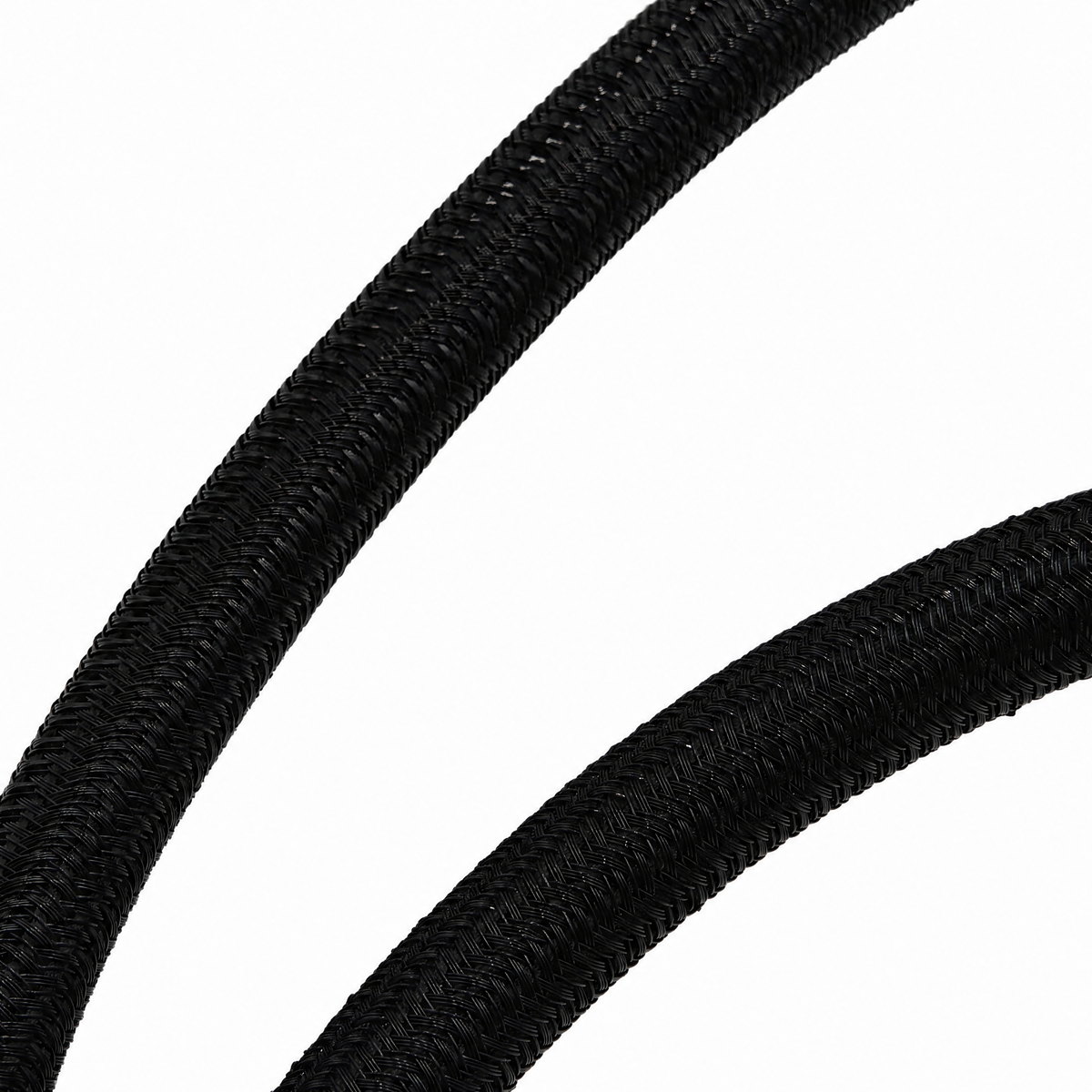
When managing cable organization and protection in industrial environments, the choice between a self closing wrap and split loom conduit fundamentally affects installation efficiency, maintenance accessibility, and long-term protection. While both solutions address cable management challenges, their distinct characteristics make them suited to different operational contexts. Understanding these differences ensures you select the right tool for your specific application rather than defaulting to whatever option is most familiar.
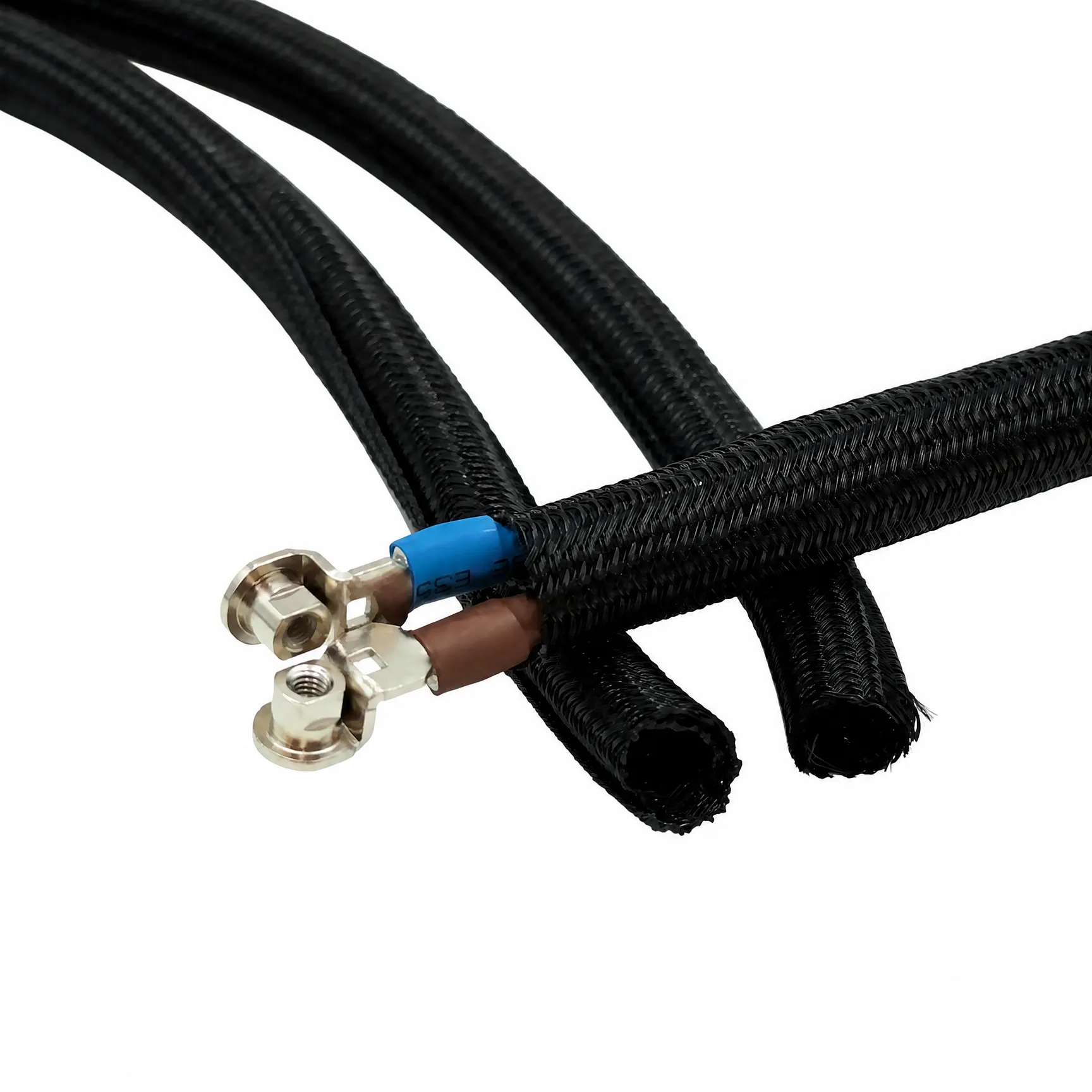
The cable wrap market has evolved to offer increasingly specialized solutions. A self closing wrap provides unique advantages in scenarios where service access and repeated maintenance are anticipated. Split loom conduit, by contrast, serves applications where protection takes priority over accessibility. Recognizing when each solution delivers superior value requires understanding their mechanical properties, installation workflows, and real-world performance trade-offs across different wire harness environments.
Core Differences in Cable Wrap Design and Installation
Self-Closing Wrap Mechanism and Advantages
A self closing wrap uses overlapping seams or interlocking tabs that secure the cable wrap around the wire harness without additional fasteners or adhesives. This mechanical closure system allows the cable wrap to open and close repeatedly, making it ideal for applications requiring frequent service access. The material typically features a braided or knitted construction that provides flexibility while maintaining protective integrity throughout the cable wrap's lifespan.
The self closing wrap design eliminates dependency on hook-and-loop fasteners, adhesive strips, or spiral ties that degrade over time. In industrial settings where temperature fluctuations, chemical exposure, or vibration create harsh conditions, this independent closure mechanism proves more reliable. Technicians can open and reseal the cable wrap multiple times without losing protective function, which directly supports service access requirements in manufacturing plants, automotive facilities, and aerospace applications.
Split Loom Conduit Construction and Performance
Split loom conduit consists of a single-wall or dual-wall plastic tube with a lengthwise slit that allows one-time installation over existing wire harness bundles. Once positioned, the split loom remains in place permanently, offering continuous protection but requiring complete replacement if future service access becomes necessary. The material composition typically includes extruded polyethylene, polypropylene, or reinforced nylon designed to resist abrasion and environmental exposure.
Split loom conduit provides robust protection against physical damage, UV radiation, and chemical contact. However, the trade-off is that accessing wires within the conduit requires cutting or removing the entire cable wrap segment. This permanent installation approach suits applications where wires remain static and maintenance interventions are infrequent or unlikely after initial deployment.
Service Access and Maintenance Implications
When Service Access Demands Self-Closing Solutions
Applications requiring regular inspection, component replacement, or wire-level diagnostics benefit substantially from self closing wrap technology. In automotive engine compartments, technicians routinely access individual circuits for testing or modification without replacing the entire cable wrap. Manufacturing equipment also demands frequent service access as production processes evolve and troubleshooting becomes necessary during equipment downtime.
Medical device assembly, telecommunications infrastructure, and industrial control systems similarly prioritize service access because modifications and repairs occur throughout equipment operation. A self closing wrap reduces service labor time and cost by allowing technicians to open protective coverage, inspect underlying wires, and reseal without material waste. The wire harness remains protected between service intervals, and the self closing wrap system maintains integrity across countless open-close cycles.
Service Access Limitations in Split Loom Scenarios
Split loom conduit installation in fixed applications eliminates service access concerns because maintenance never requires opening the cable wrap. Long-distance runs in building infrastructure, permanent industrial piping protection, or sealed marine environments exemplify scenarios where cable wrap serves its entire lifespan without reopening. The irreversible installation approach actually provides confidence in protection consistency since the conduit cannot accidentally open or shift once deployed.
However, applications experiencing design changes, component upgrades, or troubleshooting procedures face substantial costs when split loom requires complete replacement for service access. This limitation drives selection toward self closing wrap in dynamic environments where wire-level access remains unpredictable across the product lifecycle.
Wire Harness Protection Standards and Environmental Factors
Material Durability Across Operating Conditions
Both self closing wrap and cable wrap solutions must resist environmental attack from temperature extremes, chemical exposure, mechanical stress, and electromagnetic interference. Self-closing wrap materials, typically braided nylon, polyester, or specialty polymers, offer excellent abrasion resistance and flame retardancy suitable for industrial wire harness applications. The interlocking closure system does not compromise environmental protection since the overlapping design covers the cable wrap throughout its operational span.
Split loom conduit similarly provides reliable environmental barrier properties. However, the slit design creates a potential entry point for moisture and contaminants if sealing compounds are not applied at installation. Some applications specify split loom with adhesive backing specifically to eliminate this vulnerability in high-moisture or chemical spray environments where cable wrap exposure threatens wire integrity.
Temperature and Chemical Resilience
Self closing wrap performance in extreme temperatures depends on material selection. High-temperature applications require Teflon-based or glass-reinforced polymer wraps that maintain closure integrity at elevated temperatures while preserving the cable wrap's protective function. Conversely, self closing wrap materials excel in cryogenic environments where split loom can become brittle and lose flexibility needed for repeated expansion and contraction cycles.
Chemical resistance in both solutions reflects material composition. Polyester self closing wrap resists oils and mild solvents found in manufacturing environments. Specialized halogen-free or UV-stabilized formulations extend cable wrap service life in demanding chemical or outdoor applications. Split loom similarly requires material specification that matches environmental exposure profiles, though the permanent installation means chemical attack occurs without opportunity for protective renewal through service access.
FAQ
What is the primary advantage of self closing wrap over split loom conduit?
The primary advantage is repeated service access without replacing the entire cable wrap. Self closing wrap can be opened and resealed multiple times, allowing technicians to inspect, test, or modify wire harnesses without cutting protective covering. Split loom requires complete removal and replacement for any service access, making self closing wrap substantially more cost-effective in applications requiring frequent wire-level maintenance or troubleshooting throughout equipment operation.
Can self closing wrap provide equivalent environmental protection as split loom conduit?
Yes, self closing wrap can match split loom environmental protection when material selection and closure design align with application requirements. Modern braided self closing wrap materials offer abrasion resistance, flame retardancy, and chemical resistance comparable to split loom. The overlapping interlocking tabs provide continuous coverage that prevents environmental intrusion. However, material thickness and closure mechanism design determine protective performance, so application-specific material selection is essential for both solutions.
When should you choose split loom conduit instead of self closing wrap?
Choose split loom conduit when wires remain static after installation and service access is never required during the product lifecycle. Fixed infrastructure, sealed marine applications, and long-distance cable runs benefit from split loom's permanent protection without the operational complexity of managing a closure system. Split loom also offers slightly lower material cost in high-volume applications and may be specified when cable wrap aesthetics or installation speed take priority over future service access flexibility.
 EN