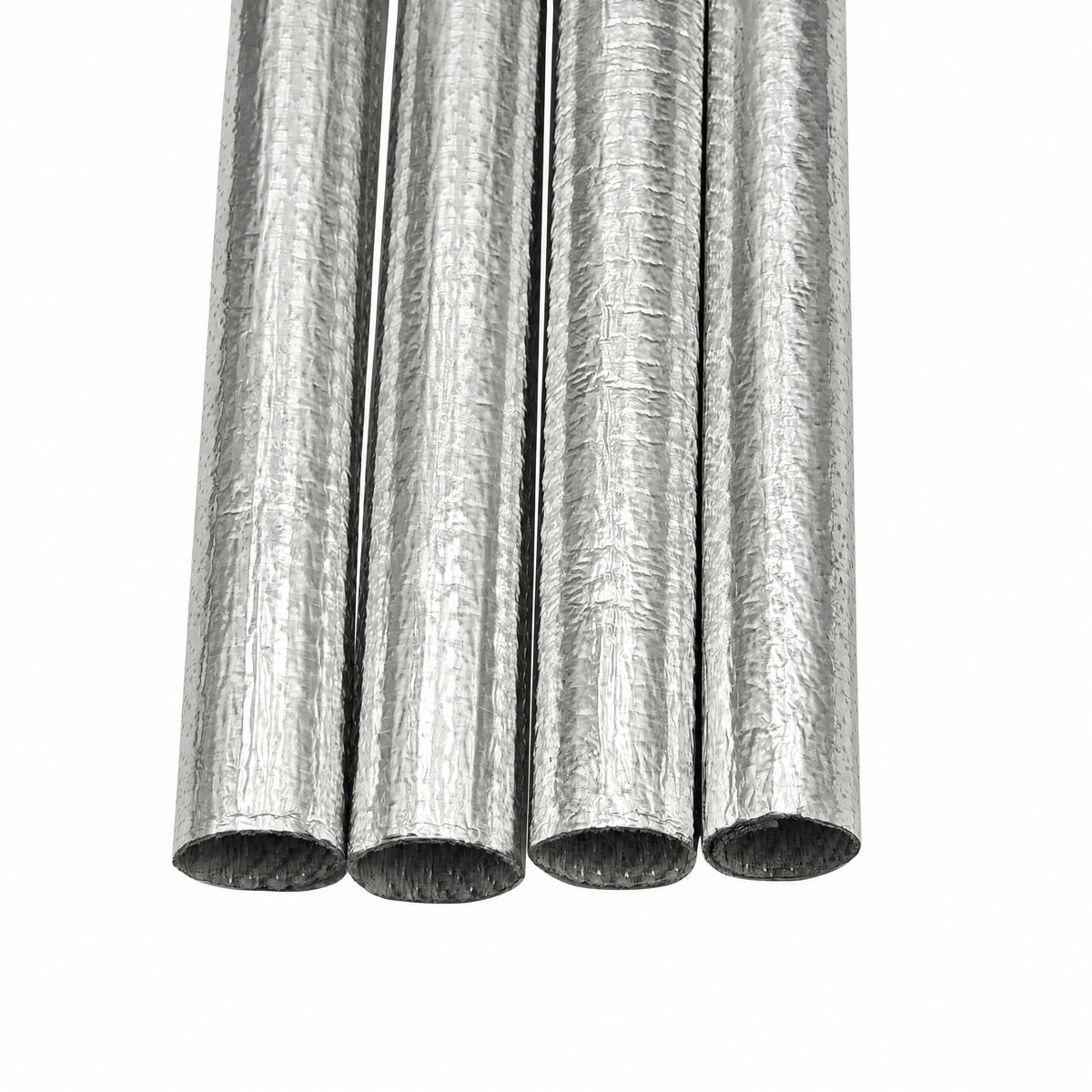
A wire harness sleeve is a critical protective component in cable assemblies, designed to shield wiring bundles from abrasion, heat, chemicals, and environmental degradation. In automotive, industrial, and marine applications, proper selection and installation of a wire harness sleeve directly impacts system reliability, safety, and longevity. Without adequate cable protection, exposed conductors face premature failure, costly downtime, and potential safety hazards. Understanding sizing principles and installation best practices ensures your cable assemblies perform optimally throughout their operational lifecycle.
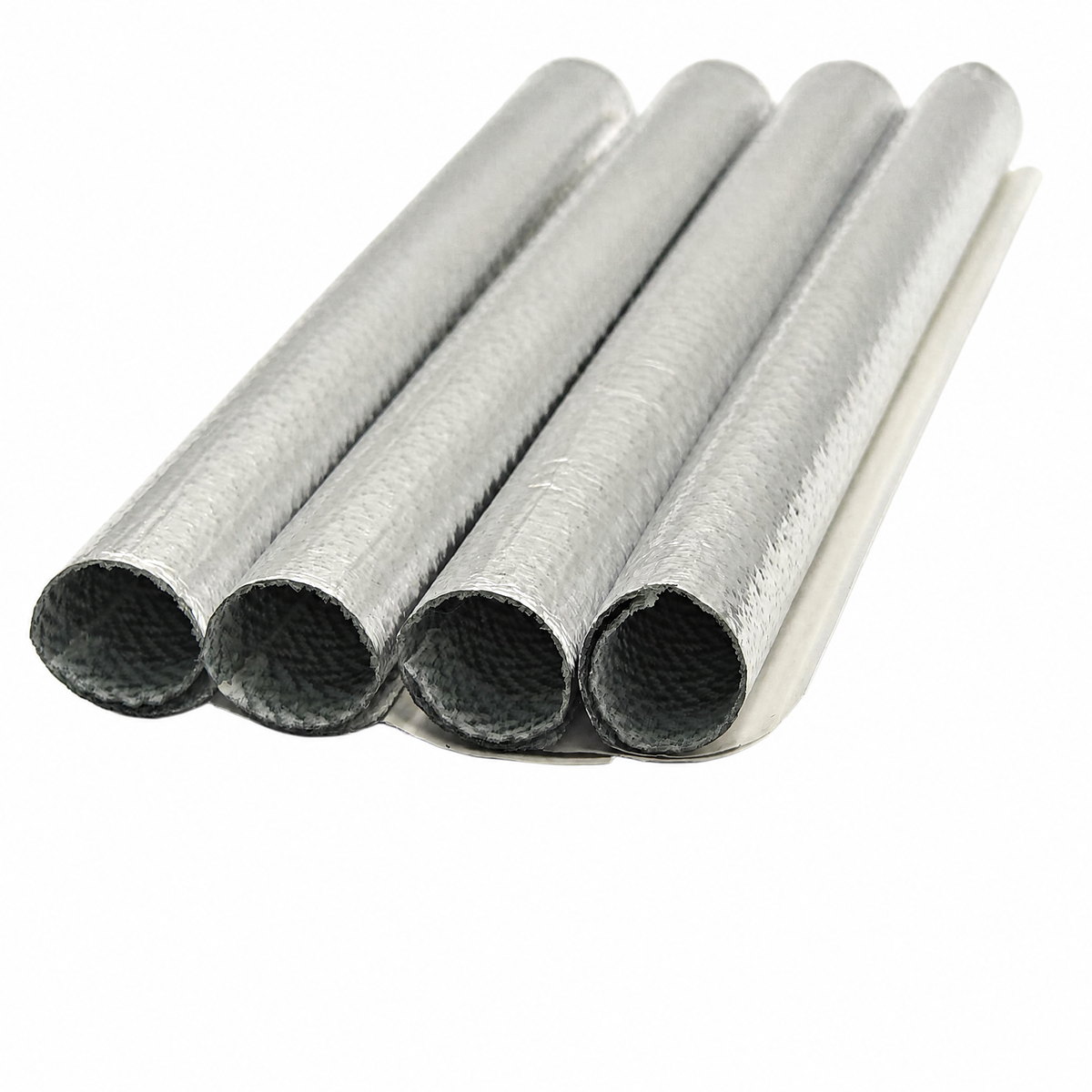
Selecting the right wire harness for your application requires careful attention to material composition, sleeve diameter, thickness, and environmental factors. The automotive wiring industry relies heavily on braided and spiral-wrapped sleeve solutions to manage complex harnesses under demanding conditions. Whether your cable assemblies operate in engine compartments, underbody locations, or controlled indoor environments, a properly sized wire harness sleeve minimizes maintenance costs and extends asset lifespan. This comprehensive checklist guides engineers, technicians, and procurement teams through measurement, material selection, and installation protocols.
Understanding Wire Harness Sleeve Materials and Specifications
Material Selection for Cable Protection
Wire harness sleeves come in diverse material compositions, each offering distinct protective advantages for cable protection in specific environments. Polyester-based braided sleeves provide excellent abrasion resistance and cost-effectiveness for general industrial applications. Nylon variants deliver superior tensile strength and flexibility, making them ideal for high-vibration automotive environments. Silicone and polyimide sleeves withstand extreme temperatures, critical for engine bay installations where automotive wiring faces continuous thermal stress. Conductive and flame-retardant options address specialized electromagnetic shielding and fire safety requirements. Understanding your wire harness application's thermal range, chemical exposure, and mechanical stress profile is essential before finalizing material specifications.
Measuring Bundle Diameter and Determining Sleeve Size
Accurate bundle diameter measurement is the foundation of proper wire harness sleeve sizing. Wrap a flexible measuring tape around the cable assembly at its widest point, ensuring consistent compression without deformation. Record measurements at multiple locations along the harness length, as bundling variations may occur. Industry standards recommend selecting a sleeve inner diameter approximately 10 to 15 percent larger than the measured bundle diameter to allow for thermal expansion and easy routing during installation. A sleeve that is too tight restricts conductor movement, increases friction, and may crack under vibration; conversely, an oversized sleeve fails to provide adequate cable protection and may permit internal shifting. Reference manufacturer specification sheets for sleeve diameter ranges, as each automotive wiring system has unique requirements based on conductor gauge, bundle count, and environmental factors.
Pre-Installation Assessment and Material Compatibility
Environmental and Chemical Compatibility Checks
Before commencing installation, conduct a thorough audit of your operating environment to ensure cable protection material compatibility. In automotive applications, wire harnesses frequently encounter oils, coolants, solvents, and UV exposure, requiring sleeves with documented chemical resistance. Cross-reference material datasheets against your specific fluid and temperature exposure profiles. Test small sample sections if uncertainty exists regarding long-term material performance in unusual chemical environments. Pay particular attention to potential interactions between the sleeve material and adjacent components, such as connectors, grommets, or protective tubing. Documentation of environmental conditions ensures that your cable assemblies receive appropriate protective specifications and helps prevent premature material degradation or failure.
Routing Path Analysis and Installation Planning
Map the complete routing path for your wire harness before sleeve installation begins. Identify sharp edges, abrasion points, thermal zones, and potential mechanical stress locations along the assembly route. High-stress areas may benefit from reinforced cable protection features, such as extra-thick braiding or protective wrapping at bend points. Ensure your sleeve routing strategy minimizes stress concentrations, maintains adequate bend radius consistency, and avoids sharp corners that could compromise the protective barrier. In automotive environments, plan around engine components, fasteners, and moving parts that might contact or damage the wire harness during vehicle operation or maintenance. Pre-installation planning significantly reduces installation errors and extends the service life of your cable assemblies by optimizing protective coverage.
Installation Procedures and Quality Verification
Step-by-Step Sleeve Installation Technique
Begin installation by ensuring the cable assembly is properly supported and accessible along its entire length. If using braided or spiral-wrapped wire harness sleeves, gently feed the bundle through the protective covering, maintaining consistent alignment and avoiding twisting. Apply steady, even pressure while sliding the sleeve into position, pausing periodically to verify that internal conductors remain properly oriented and undamaged. Secure the sleeve at entry and exit points using appropriate fasteners, adhesive strips, or cable ties designed for your specific application. Ensure all securing mechanisms remain below the outer sleeve surface to prevent protruding edges that could cause abrasion or safety hazards. For adhesive-backed sleeves, allow adequate cure time before subjecting the cable assemblies to mechanical stress or thermal cycling, as specified in the manufacturer's adhesive guidelines.
Final Inspection and Installation Checklist
Upon completing sleeve installation, perform a comprehensive quality verification covering all cable protection and wire harness specifications. Visually inspect the entire length for wrinkles, bunching, or misalignment that could compromise the protective function. Verify that the sleeve provides complete coverage at all critical stress points and does not restrict normal conductor movement or routing flexibility. Measure sleeve positioning at key intervals to confirm consistent placement and proper alignment with the underlying cable assembly. Test connector fit and function to ensure that protective sleeving does not interfere with mating surfaces or create sharp edges near connection points. Document installation completion with photographs and inspection records, establishing a baseline for future maintenance evaluation and warranty compliance. Proper automotive wiring installation verification protects against premature failure and ensures regulatory compliance across your cable assemblies.
FAQ
What is the recommended bundle diameter tolerance for wire harness sleeve selection?
Industry best practices recommend selecting a wire harness sleeve with an inner diameter 10 to 15 percent larger than your measured cable bundle diameter. This allowance accommodates thermal expansion, facilitates easier installation, and reduces friction-induced stress on conductors during thermal cycling. Verify this tolerance against your specific manufacturer recommendations, as some automotive applications may require tighter or looser specifications based on bundle composition and operating environment.
How does cable protection material choice affect long-term wire harness reliability?
Material selection directly impacts wire harness longevity by determining resistance to abrasion, thermal cycling, chemical exposure, and UV degradation. Polyester offers cost-effective general protection, while nylon provides superior flexibility for vibration environments, and silicone handles extreme temperatures. Mismatched materials in automotive wiring applications accelerate degradation, increase failure rates, and create safety risks. Always verify material compatibility with your specific operating environment and thermal profile before finalizing cable protection specifications.
Can wire harness sleeves be reused after initial installation?
Most braided and spiral wire harness sleeves cannot be reliably reused after removal, as the initial installation process compresses fibers and may introduce microscopic damage that reduces protective effectiveness. Attempting to reinstall used cable protection may create gaps, bunching, or misalignment that compromises the protective barrier. For maintenance or repair work on automotive wiring systems, replace the protective sleeve with new material to ensure continued reliability and maintain warranty compliance throughout your cable assembly service life.
 EN