A battery pack is the most demanding electrical environment in industry. Cells sit centimetres from busbars carrying hundreds of amps. A thermal event in one module must not spread. And the whole assembly has to pass vibration, salt spray and thermal-shock testing before a single unit ships. Insulation is a safety system, not an accessory — and it is where Chengrun focuses its materials engineering.
Where energy storage fails
Most field failures trace back to three causes: a cable rubs through its jacket against a sharp edge; a busbar joint overheats because the insulation trapped heat instead of managing it; or a wrap degrades under sustained high temperature and loses its dielectric strength. Each one is a material-selection problem, and each has a documented answer.
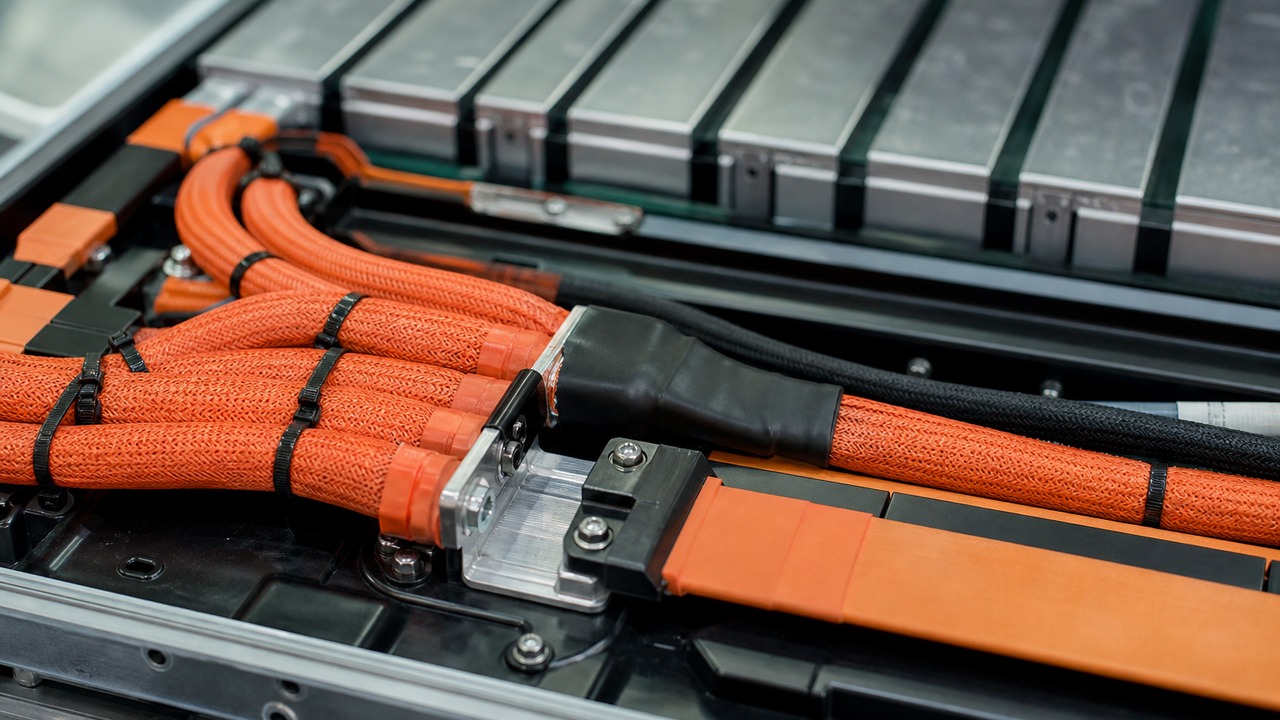
Battery pack wiring
Inside a pack, flexibility and dielectric strength matter more than abrasion. Orange PET textile self-closing wrap installs over pre-made cables and marks high-voltage circuits, while PET flame-retardant braided sleeve adds a self-extinguishing, halogen-free layer that keeps smoke density low if a cell vents. For leads that run close to the module, silicone coated fiberglass sleeving provides a 200°C-capable barrier that will not melt onto a terminal.
Busbars, connectors and high-voltage joints
Busbar insulation has to do two jobs at once — electrical isolation and thermal management. Aluminium busbar wrap covers the bar, and heat shrink textile sleeving closes over a joint with a low profile that fits inside crowded enclosures. On connectors, adhesive lined dual wall heat shrinkable tubing forms an environmental seal that resists moisture ingress across thousands of cycles.
PV, inverters and EV charging
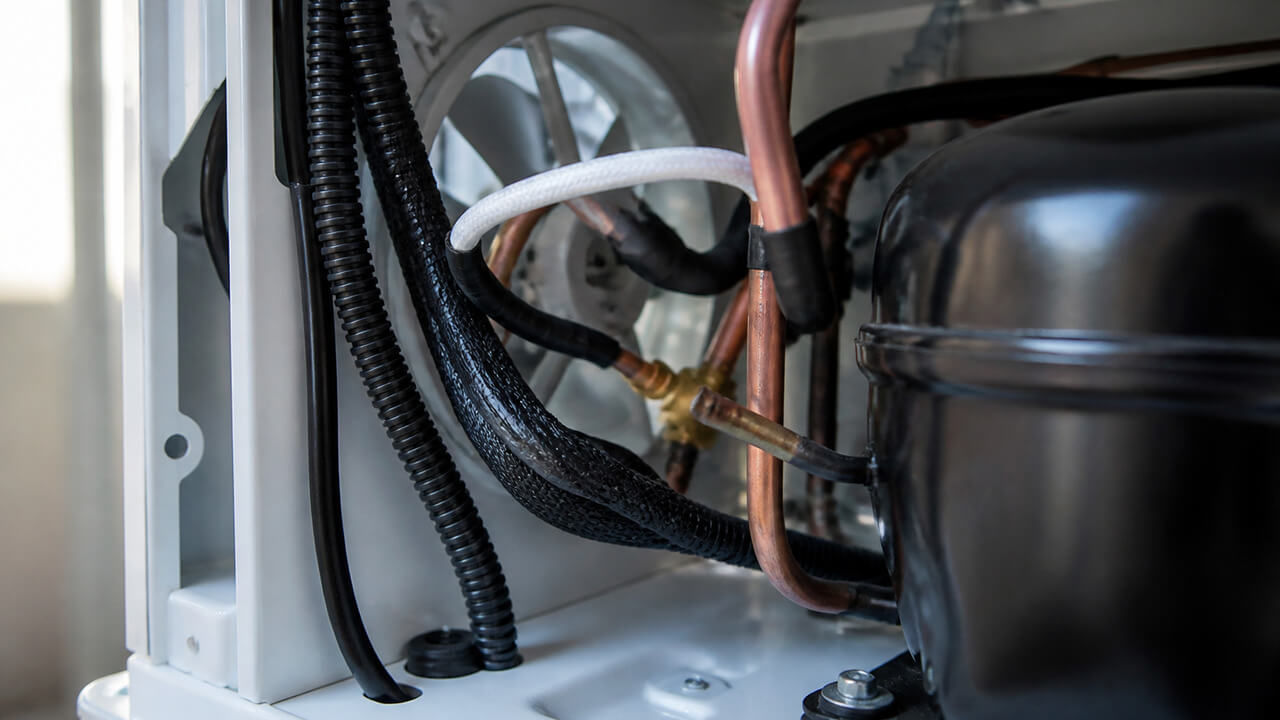
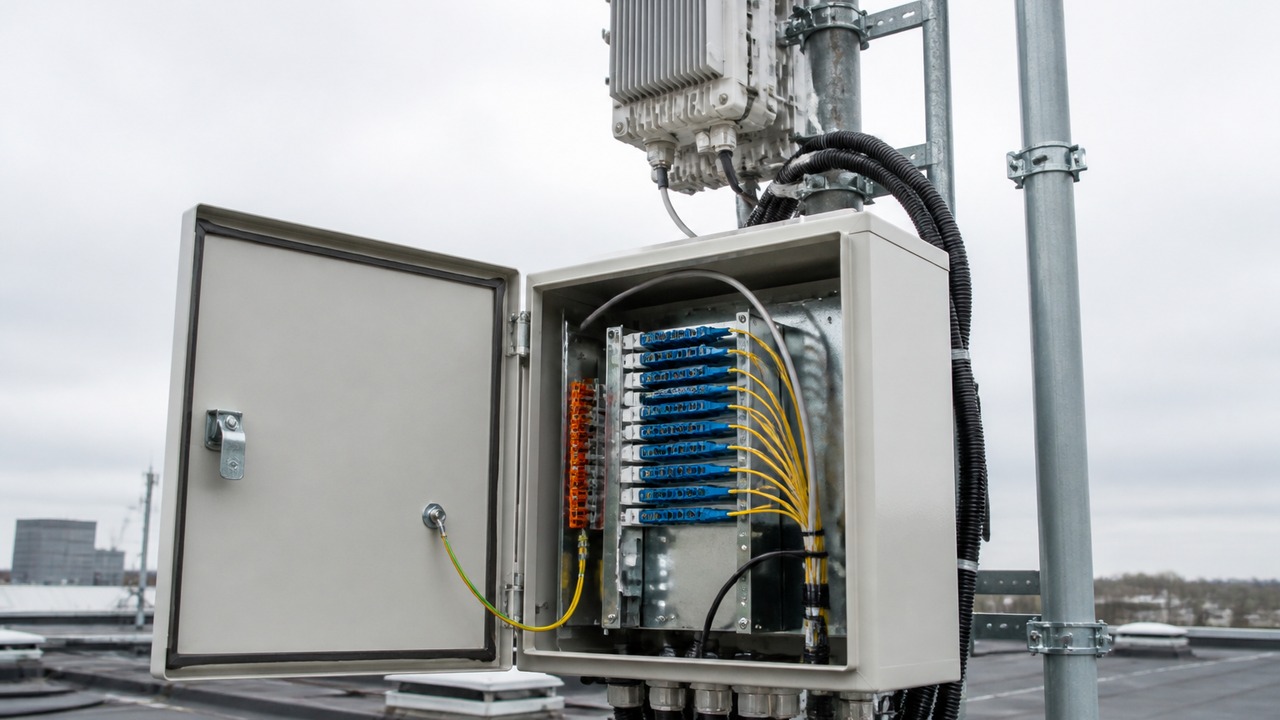
Solar and charging hardware lives outdoors for two decades. Corrugated tube in PA and PP protects DC strings and inverter cabling against UV, rodents and impact, and nylon conduit tubing provides a flexible, flame-retardant raceway where cable must move. PP flame-retardant corrugated tube gives a lighter, halogen-free alternative for high-volume runs.
Thermal runaway containment
When a cell goes into thermal runaway, the materials around it decide how far the damage spreads. Silicone fiberglass fire-proof tube is built for exactly this: a thickened, iron-oxide-red silicone coating over an alkali-free fibreglass braid, engineered to block short-term thermal spikes that would destroy standard sleeving. Aluminum foil fiberglass wrap reflects radiant heat away from sensitive signal lines, and PET tinned copper braided sleeving adds EMI screening so the BMS reads clean data even next to switching inverters.
What to specify
Need |
Material |
Cell-to-module lead insulation |
Silicone coated fibreglass sleeving |
HV marking and add-on protection |
Orange flame-retardant self-closing wrap |
Busbar isolation |
Aluminium busbar wrap |
Sealed HV joints |
Adhesive-lined dual-wall heat shrink |
Outdoor PV / charging conduit |
PA or PP corrugated tube |
Thermal-runaway barrier |
Silicone fibreglass fire-proof tube (SFT1500) |
EMI screening near inverters |
PET tinned copper braided sleeving |
Compliance you can hand to a safety team
Chengrun products are documented per model with UL and CSA listings, RoHS 2.0 and REACH SVHC declarations, and Prop 65 statements where applicable. Flame performance is tested to UL VW-1 on the relevant families, and halogen-free grades are available where smoke and toxicity limits apply.
A supplier that scales with the programme
Validation your pack team will ask for
Battery and storage programmes test materials before they approve them, and the questions are predictable: does the insulation keep its dielectric strength after thermal cycling; does it stay flexible after ageing; what happens to smoke density if a cell vents; and does the adhesive on a sealed joint still hold after vibration? Chengrun supplies the material data behind each answer — temperature class, dielectric strength, flammability rating and halogen content — so a validation plan can be written against real numbers rather than assumptions. Where a pack must meet a specific flammability or smoke limit, we will confirm which grade applies before a sample is sent.
Locking the specification early
Energy-storage programmes move from a pilot pack to volume output quickly, and insulation supply has to follow without a specification change. The materials that protect one module usually protect a full rack, so the sensible route is to freeze the specification early, then scale quantity and cut lengths rather than re-qualify a material mid-programme. Custom widths, pre-cut lengths and die-cut or punched parts all come from the same factory, which keeps one lot number and one quality record behind the whole build.
A note on temperature and derating
Insulation ratings assume a clean, still environment. Inside a sealed pack the same material sees a hotter ambient and almost no airflow, so a rating that looks generous on paper can be marginal in service. Treat the pack's internal ambient, not the datasheet headline figure, as the design number — and tell us if a cable runs alongside a cell that is expected to vent, because that changes the barrier requirement entirely.
Pilot packs become gigawatt programmes fast, and insulation supply has to keep up without a spec change. Chengrun runs braiding, silicone coating, extrusion and die-cutting in house, so a custom width or a pre-cut length is a production change, not a new supplier. Talk to our engineers about your pack architecture and target standards — we will recommend materials, supply datasheets and quote within 24 hours.
 EN