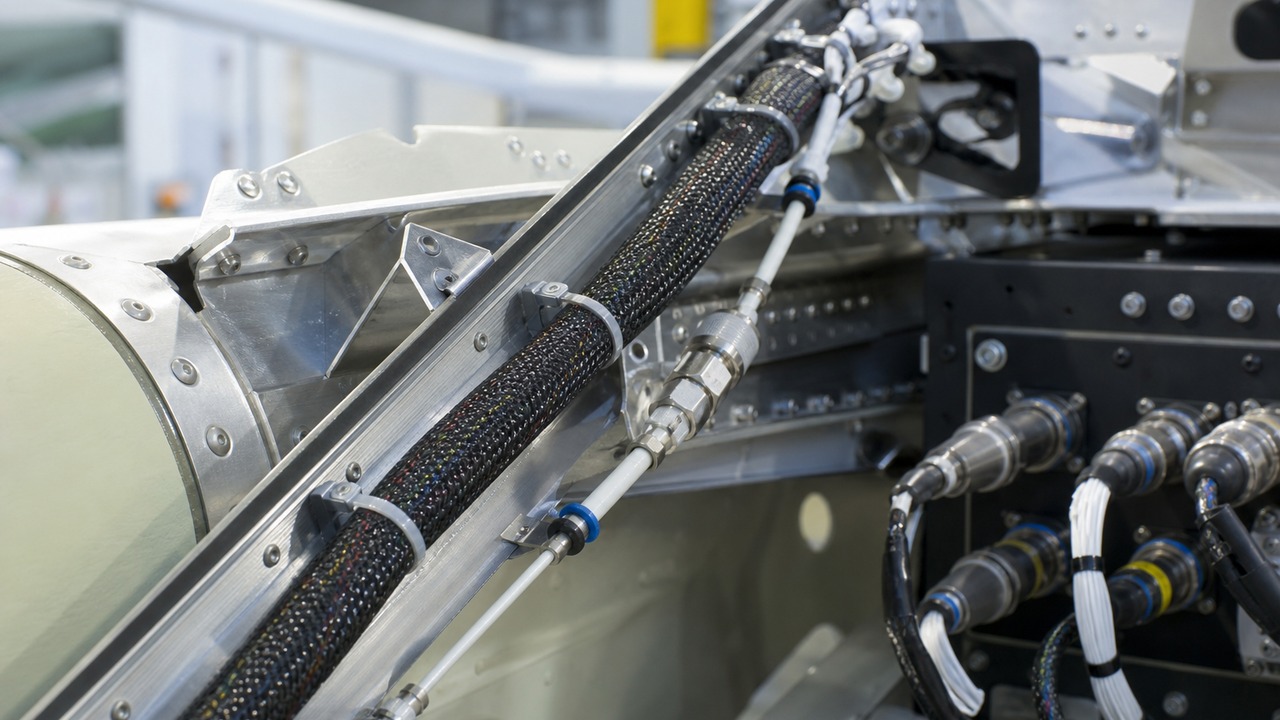
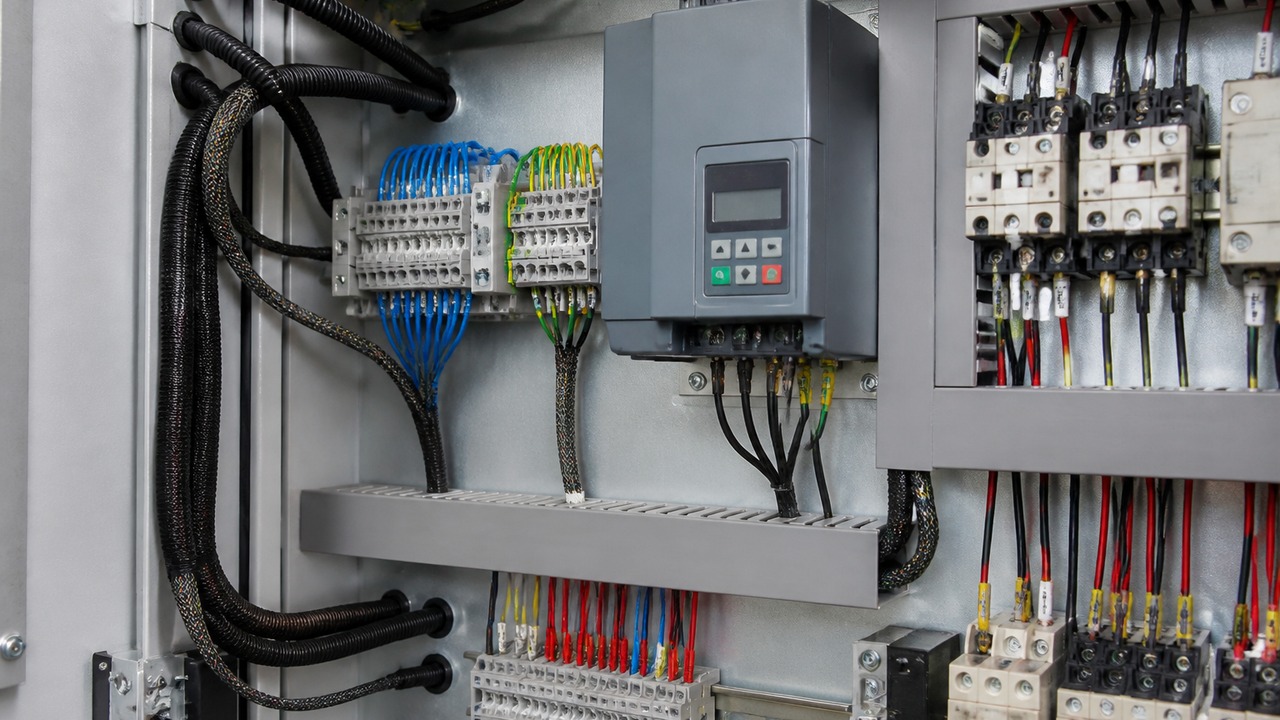
Medical cable has to be safe twice over: electrically, and biologically. A cable on a diagnostic device or a patient monitor must not crack after a thousand autoclave cycles, must not shed particles into a clean environment, and must pass the biocompatibility and flammability checks a regulator will ask for. Chengrun supplies flexible sleeving, heat-shrink tubing and PTFE products for medical wiring, with documentation that supports a device submission.
What makes medical different
Hospital equipment compresses a lifetime of wear into a few years. Cables are coiled, wiped with aggressive disinfectants and sterilised by heat or chemicals, often several times a day. Three requirements follow. Flexibility: a cable that stiffens becomes a handling problem for clinical staff. Chemical resistance: alcohol, peroxide and quaternary disinfectants attack ordinary plastics. And documentation: a device maker needs material data it can put into a technical file.
Patient monitoring, diagnostics and imaging
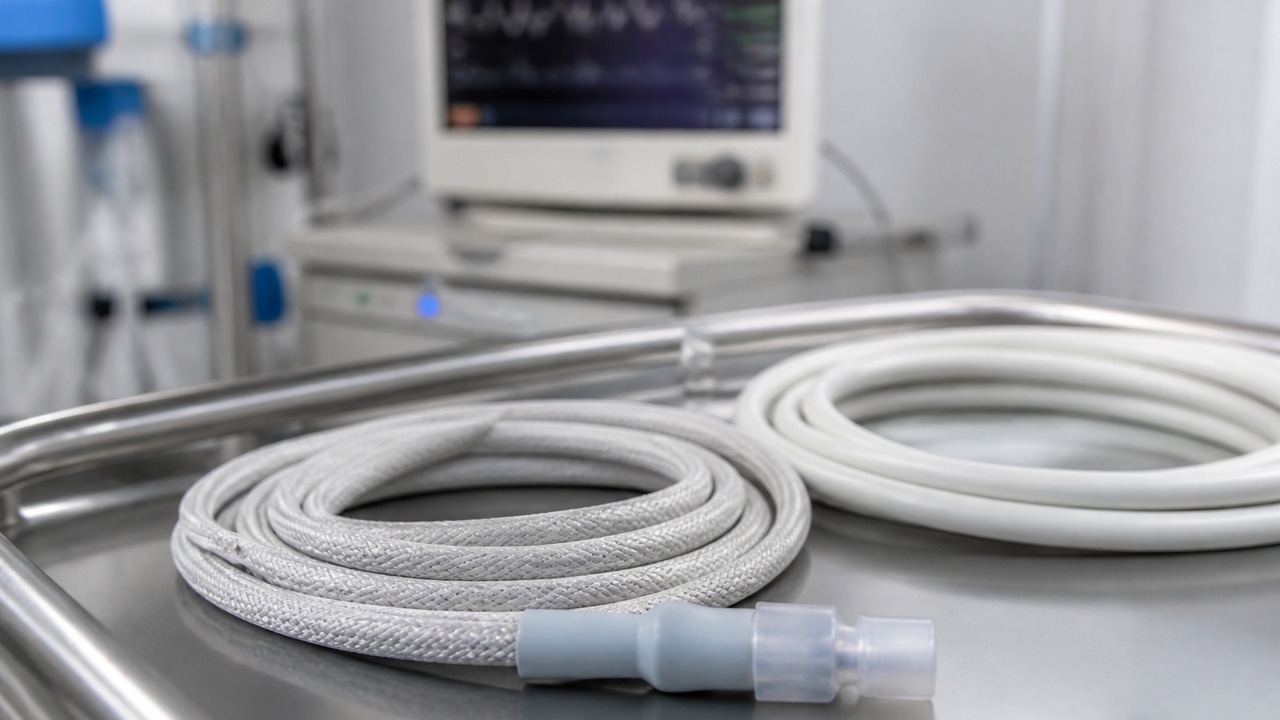
Patient leads and monitor cables are flexed continuously, so a soft, durable insulation matters more than maximum temperature. PET textile sleeving gives a flexible, braided cover that resists chafe and keeps a bundle tidy, and PET monofilament braided sleeving adds abrasion resistance for cables that see heavy handling. For connectors that must stay clean and sealed, adhesive lined dual wall heat shrinkable tubing forms a smooth, wipe-clean environmental seal.
Sterilisation, temperature and chemicals
Repeated autoclaving destroys many polymers. Silicone coated fiberglass sleeving tolerates steam and 200°C continuous service while staying flexible, and extruded silicone fire resistant tube offers a smooth silicone surface that resists repeated disinfection. Where chemical resistance is the limiting factor — reagent lines, steriliser sensors, laboratory analysers — PTFE heat shrinkable teflon tubing provides near-universal chemical resistance and one of the widest temperature windows of any flexible material.
Cleanroom, low-particle and low-outgassing needs
In a cleanroom or a sterile field, a material that sheds or outgasses is a contamination risk. PI high temperature tape and teflon tape hold at high temperature without adhesive failure, and PTFE's low friction and non-stick surface keeps particles from accumulating. Where a screen is needed, PET tinned copper braided sleeving adds EMI protection for sensitive diagnostic electronics.
Equipment, carts and hospital infrastructure
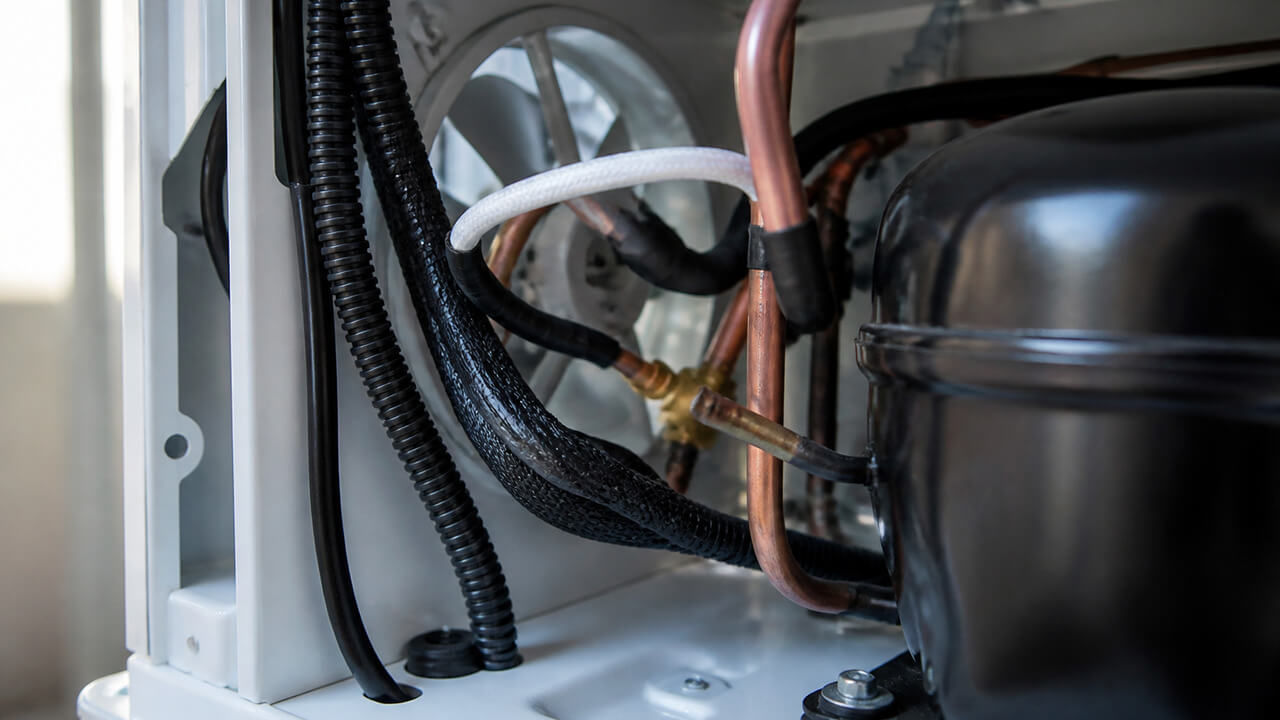
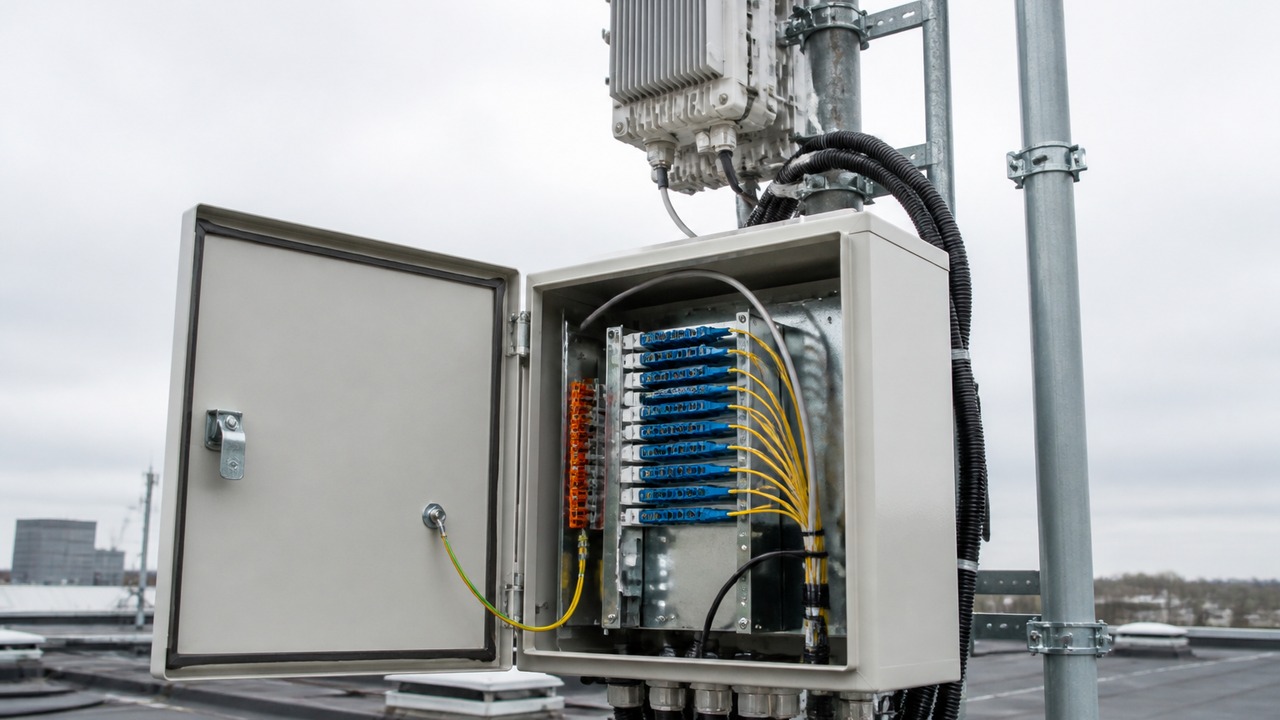
Not every medical cable meets a patient. Equipment carts, beds, imaging gantries and IT backbones need rugged, cost-effective protection. Corrugated tube in PA or PP handles cart and gantry wiring, and nylon conduit tubing manages tight routing inside a device chassis. Acetate cloth tape and PVC tape finish internal harnesses.
Selection guide
Need |
Material |
Flexible patient / monitor cable |
PET textile sleeving |
Handle-flexed abrasion |
PET monofilament braided sleeving |
Autoclave and steam |
Silicone coated fibreglass sleeving |
Disinfectant-resistant surface |
Extruded silicone fire-resistant tube |
Reagent / chemical lines |
PTFE heat shrinkable tubing |
High-temp, low-outgassing |
PI high temperature tape, teflon tape |
Sealed connector |
Adhesive-lined dual-wall heat shrink |
Equipment cart and chassis |
PA/PP corrugated tube |
Documentation for a device technical file
Chengrun supports medical customers with per-model documentation: UL and CSA listings, RoHS 2.0 and REACH SVHC declarations and Prop 65 statements where applicable, plus material datasheets covering temperature class, dielectric strength, flammability and surface finish. The Dongguan factory operates an ISO 9001 and IATF 16949 quality management system, and lot traceability runs from incoming fibre to finished roll. Where a customer needs biocompatibility testing, we can supply the material data to support their own evaluation.
Custom parts, not just stock tubing
Cleaning and sterilisation cycles
A hospital cable does not fail from one extreme event; it fails after a thousand routine ones. Alcohol wipes, peroxide and quaternary disinfectants attack plasticisers and adhesives, and repeated autoclaving attacks almost everything else. The practical rule is to choose the material against the cleaning method actually used on that device, not the harshest method in the catalogue — over-specifying adds cost and stiffness, under-specifying returns a device to service early. Tell us the disinfectant and the cycle count, and the choice narrows quickly.
Small parts carry the same requirements
Much of the risk in a medical cable sits in the smallest components: a boot, a strain relief, a splice sleeve. These are the parts most often bought to a price, and the ones most likely to fail a cleaning cycle. Specifying them to the same material standard as the cable jacket — rather than treating them as consumables — removes a recurring field complaint and simplifies the evidence in the technical file.
Consistency across production lots
A device that passed its validation build has to pass again two years later, on a different lot, without a change note. That puts the emphasis on process control rather than on one good sample: the same fibre, the same coating weight, the same cure, documented lot by lot. Chengrun keeps that traceability from incoming material to finished roll, and the factory works to an ISO 9001 and IATF 16949 quality management system, so a supplier audit has an answer before it is asked.
Medical devices rarely use a stock size. Chengrun's in-house braiding, silicone coating, PTFE extrusion and precision die-cutting let a device maker specify a wall thickness, an inner diameter, a cut length or a formed part that drops straight into an assembly. Send your drawing, the sterilisation method and the chemical exposure, and an engineer will recommend a material and supply the datasheet within 24 hours.
 EN