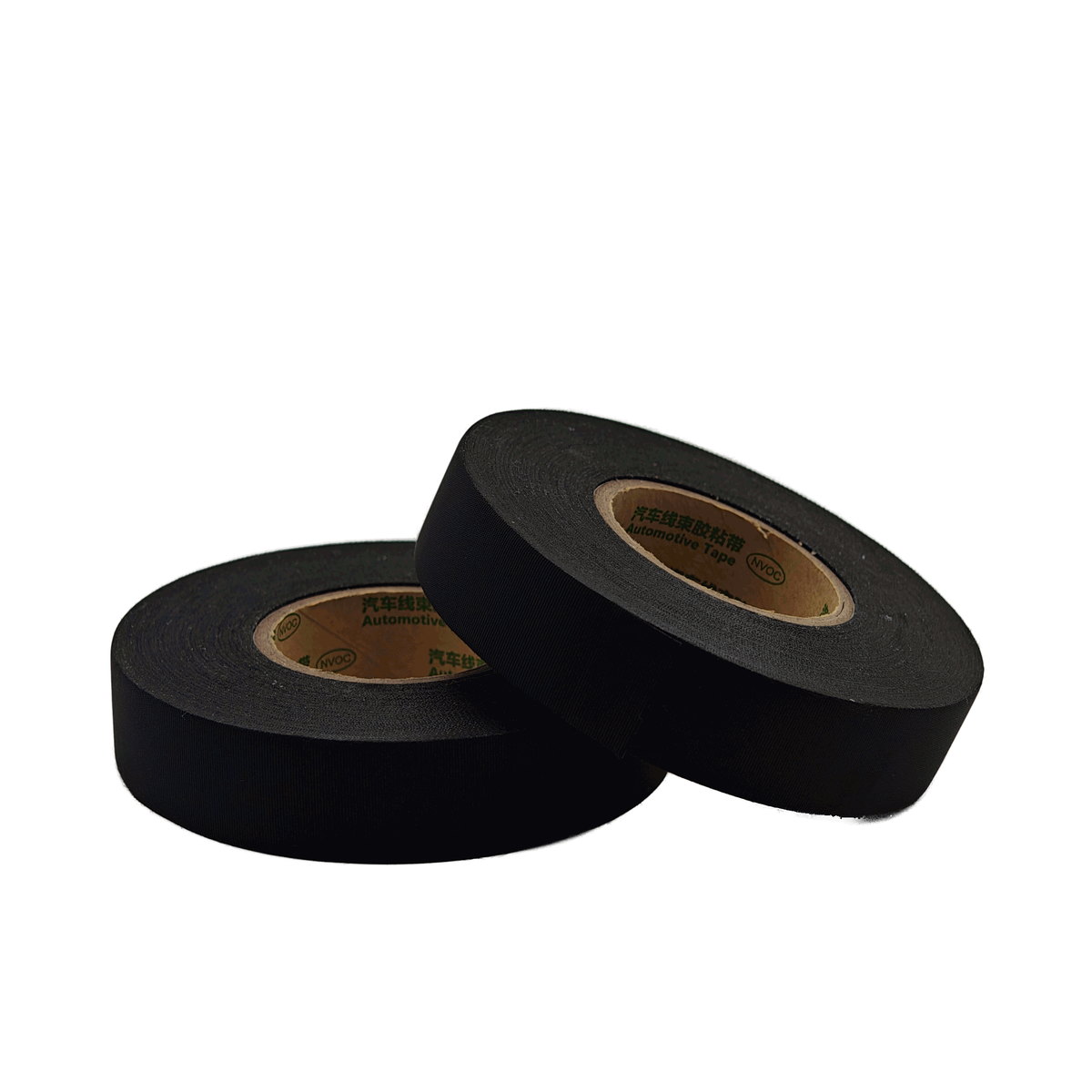
The performance of acetate cloth tape depends significantly on its underlying material construction. Unlike generic adhesive tapes, acetate cloth tape combines specific fabric weaves, resin formulations, and backing layers that directly influence how the tape performs under thermal stress, mechanical tension, and environmental exposure. Understanding these material variables helps engineers select the right tape for wire harness tape applications where reliability and durability are non-negotiable.
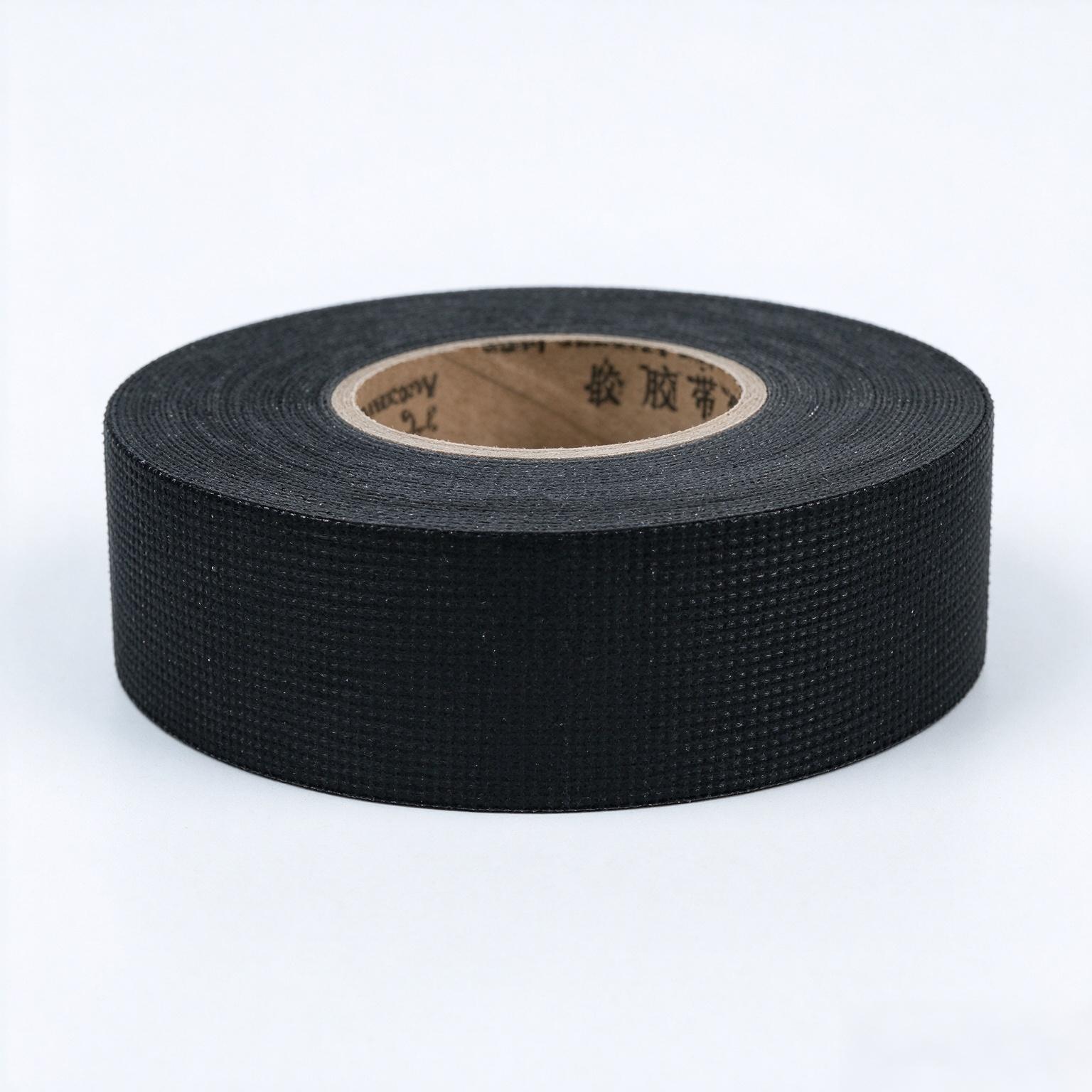
Material construction fundamentally shapes tape behavior across temperature ranges, adhesion strength, and resistance to moisture and chemicals. The weave density, fiber type, resin saturation level, and adhesive chemistry all interact to determine how acetate cloth tape will perform in demanding industrial environments. This article explores how each material component contributes to overall tape functionality and helps you make informed sourcing decisions.
Fabric Weave and Fiber Composition
Weave Density Impact on Tear Resistance
The fabric weave of acetate cloth tape determines its mechanical strength and tear propagation behavior. A tighter, more densely woven structure resists tearing during unwinding and application, particularly important when wrapping irregular cable geometry. Looser weaves offer greater flexibility but sacrifice tear resistance, making them less suitable for high-vibration environments where wire harness tape must withstand repeated stress cycles. The thread count per inch directly correlates with how well the tape maintains structural integrity during installation and throughout its service life.
Fiber Type Selection
Acetate cloth tape typically uses cotton or synthetic fibers, each offering distinct advantages. Cotton fibers provide excellent electrical insulation properties and moderate thermal tolerance but absorb moisture more readily. Synthetic fibers like polyester improve dimensional stability and moisture resistance while supporting higher operational temperatures. The fiber blend ratio determines the final tape's balance between cost, performance, and environmental resilience. Cable wrapping applications in aerospace and automotive industries often specify higher synthetic content to ensure consistent electrical insulation under varying humidity conditions.
Resin Saturation and Thermal Properties
Resin Treatment Effects on Temperature Performance
The resin applied to the fabric backbone fundamentally alters acetate cloth tape's thermal characteristics. Phenol formaldehyde resins, commonly used in industrial-grade tape, provide excellent electrical insulation and maintain structural stability at elevated temperatures up to 120°C or beyond. The saturation level—how thoroughly resin penetrates the fabric—controls both rigidity and flexibility. Over-saturation makes the tape brittle and prone to cracking; under-saturation leaves voids that compromise electrical insulation integrity. Precision saturation ensures the tape balances mechanical resilience with thermal stability required for wire harness tape in engine compartments and control panels.
Thermal Expansion and Dimensional Stability
Material construction directly influences how acetate cloth tape responds to temperature fluctuations. Well-engineered resin-fabric combinations resist thermal expansion, preventing tape from lifting or peeling during thermal cycling. This dimensional stability is critical in electrical insulation applications where tape gaps create electrical hazards. The coefficient of thermal expansion for both the fabric and resin must be carefully matched to prevent delamination. Industrial environments with frequent temperature transitions—from freezing dawn operations to heat-stressed afternoon peaks—demand tape with carefully engineered material construction to maintain consistent electrical insulation performance.
Adhesive Chemistry and Environmental Resistance
Adhesive Type and Bond Permanence
The adhesive layer bonded to the fabric substrate determines initial grab strength and long-term adhesion reliability. Rubber-based adhesives offer quick tack and excellent initial bond but may degrade under prolonged heat exposure. Synthetic adhesives provide superior temperature resistance and maintain adhesion stability across wider environmental ranges. The adhesive formulation must balance immediate stickiness with permanent holding power, especially critical in cable wrapping where tape failure leads to electrical hazards. Acetate cloth tape engineered for industrial electrical insulation typically uses adhesive systems that resist both high-temperature degradation and moisture-induced bond loss.
Chemical and Moisture Resistance
Material construction determines how well acetate cloth tape withstands exposure to oils, solvents, and moisture—common hazards in manufacturing and field environments. The resin backbone and fabric treatment prevent chemical penetration that would weaken the adhesive or compromise electrical insulation properties. Wire harness tape exposed to engine fluids, hydraulic systems, or humid coastal air requires material construction that actively resists these environmental stressors. Premium acetate cloth tape incorporates moisture barriers and solvent-resistant resin systems that maintain electrical insulation performance even after years of environmental exposure. This resilience directly reduces cable maintenance costs and extends equipment operational life.
FAQ
How does material construction affect the cost of acetate cloth tape?
Higher-quality material construction—tighter weaves, synthetic fibers, precision resin saturation, and advanced adhesive chemistry—increases manufacturing complexity and raw material costs. However, superior acetate cloth tape typically delivers better performance consistency, longer service life, and reduced failure rates that offset higher initial purchase prices. Industrial electrical insulation applications often justify premium material construction through reduced rework, fewer cable failures, and lower long-term maintenance expenses.
What material construction specifications should I verify when sourcing wire harness tape?
Request specifications for fabric weave density (threads per inch), fiber composition percentage, resin type and saturation level, adhesive formulation, temperature rating, and moisture absorption limits. Verify that the material construction meets applicable industry standards such as UL, VDE, or automotive specifications relevant to your cable wrapping applications. Independent testing data confirms that actual acetate cloth tape material properties match claimed specifications and electrical insulation performance requirements.
Does material construction affect how acetate cloth tape stores over time?
Yes, material construction directly influences storage stability. Well-designed resin formulations and adhesive chemistry resist aging, preventing tacky degradation or brittleness during shelf storage. Acetate cloth tape with superior material construction maintains consistent performance characteristics for extended periods when stored in cool, dry conditions. Poor material construction may lead to adhesive drying or resin embrittlement that reduces cable wrapping effectiveness even before the tape is used in electrical insulation applications.
 EN