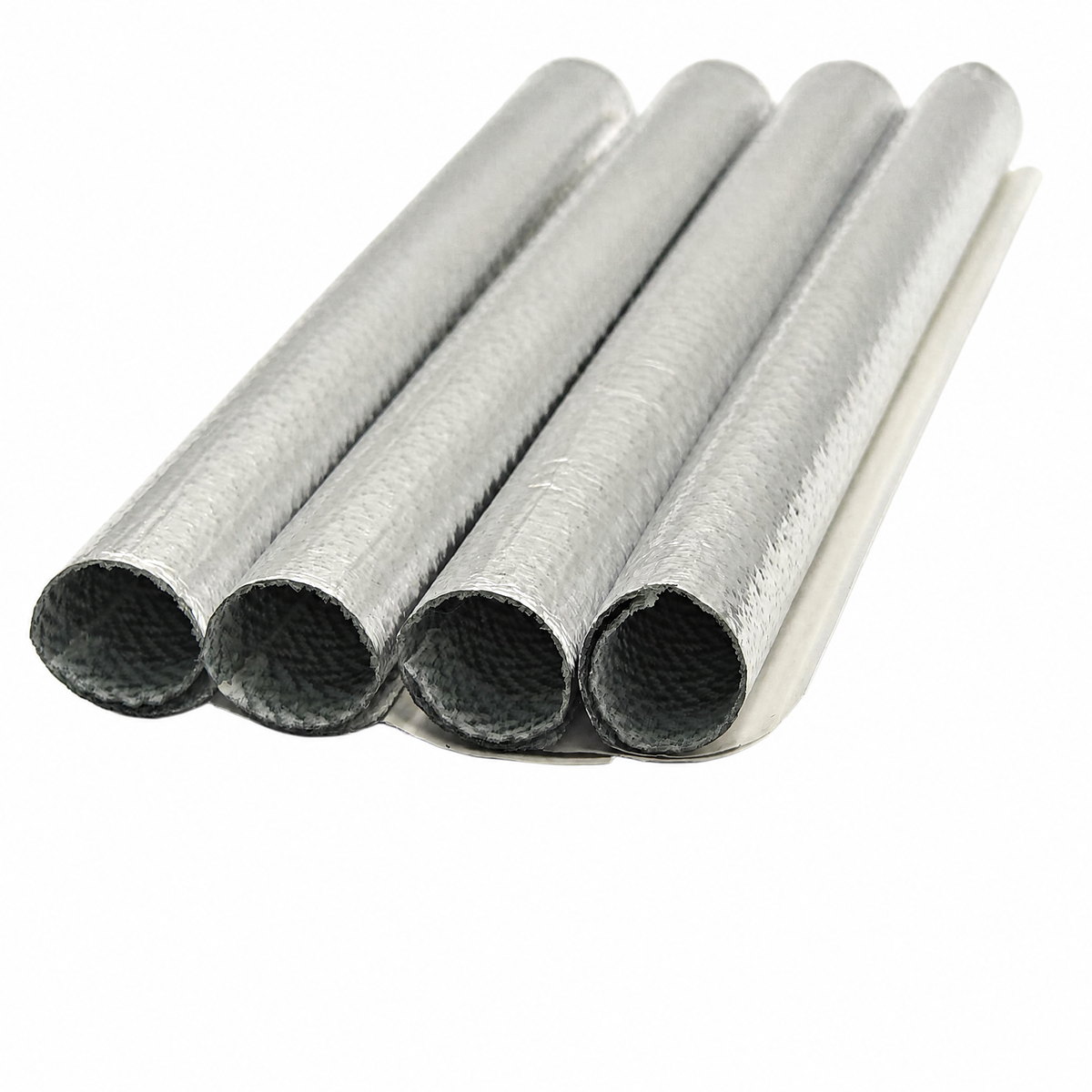
Protecting electrical connections in industrial equipment requires careful attention to detail and the right materials. A wire harness sleeve serves as a critical barrier against environmental damage, abrasion, and mechanical stress at connector points and termination areas. Understanding how to properly install and position wire sleeving around these vulnerable locations ensures your electrical systems maintain reliability and longevity in demanding operating conditions.
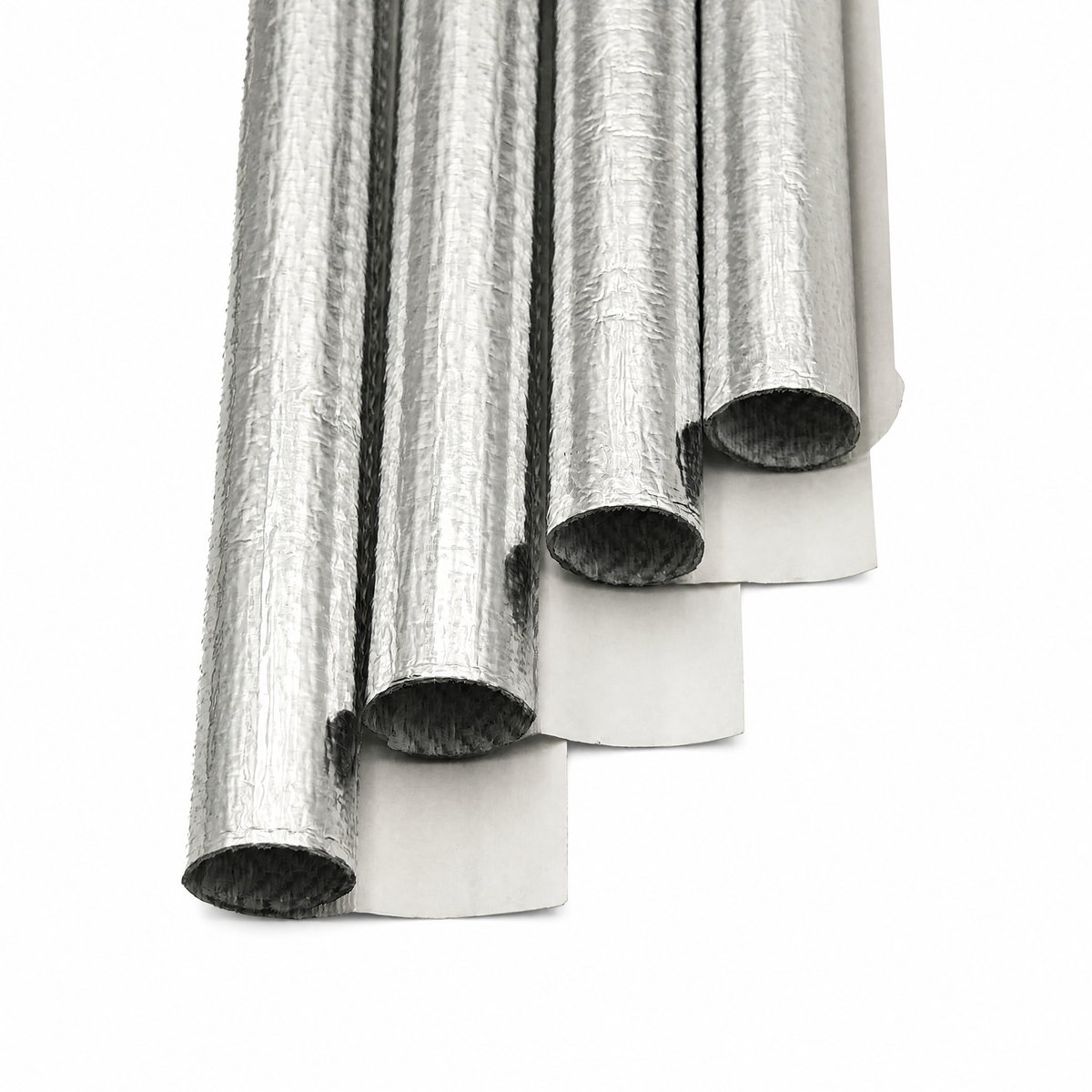
Wire sleeving technology has evolved significantly, offering manufacturers multiple options for harness protection across diverse industrial applications. Whether you work in automotive, telecommunications, aerospace, or general industrial assembly, proper application of protective sleeving prevents signal degradation, corrosion, and premature failure of costly electrical assemblies. This guide walks through essential installation practices that maximize both the protective value and operational lifespan of your wire harness sleeve systems.
Understanding Wire Harness Sleeve Fundamentals
Core Purpose of Protective Sleeving
Wire harness sleeve materials exist to shield connectors and termination points from harsh environmental exposure. Connectors and solder joints represent the most vulnerable points in any electrical assembly, making them prime targets for contamination, mechanical damage, and chemical exposure. When wire sleeving wraps around these areas with proper abrasion resistance, it creates a protective envelope that isolates vulnerable connections from dust, moisture, vibration, and direct contact damage. This protection directly extends equipment service life and reduces field failures that disrupt production schedules.
Material Selection for Optimal Harness Protection
The effectiveness of your wire harness sleeve installation depends heavily on material composition and performance characteristics. Braided polyester sleeving offers excellent abrasion resistance for general industrial use, while specialty materials like PPS or silicone provide superior heat tolerance for high-temperature environments. Wire sleeving density, thread count, and fiber type all influence how well the material resists cutting, stretching, and environmental chemical exposure. Selecting appropriate harness protection materials for your specific operating environment ensures the sleeve remains intact throughout the equipment's operational life, preventing compromise at critical termination points.
Proper Installation Techniques for Connectors
Preparation and Sizing Considerations
Before applying wire harness sleeve to any connector assembly, accurate measurement and preparation are essential. Measure the connector diameter and surrounding wire bundle dimensions to select the correct sleeve size, as undersized sleeving cannot fully contract around connections and oversized material offers inadequate contact protection. Strip away any existing damaged insulation near termination points and ensure connector surfaces are clean and free from sharp burrs that could puncture your wire sleeving. Pre-assembly planning prevents installation mistakes that could compromise harness protection when the equipment enters service.
Installation Method and Positioning
Proper positioning of wire harness sleeve begins with threading the sleeving material over wire leads before soldering or crimping operations. For post-assembly applications, carefully slide the pre-sized sleeve over connectors using steady, even pressure to prevent bunching or uneven coverage. Position the wire sleeving sleeve to overlap connector bodies by approximately half an inch on each side, ensuring all exposed metal surfaces and solder joints receive complete coverage. Heat-shrink options available in some wire sleeving products provide additional security by contracting tightly around connectors after installation, creating uniform compression that maximizes abrasion resistance at termination points.
Advanced Harness Protection Strategies
Managing Multiple Connector Points
Complex wire harness assemblies often include multiple connector locations requiring coordinated protection strategies. Rather than applying wire harness sleeve independently at each point, consider the overall routing path and potential friction areas where the harness contacts mounting brackets, cable trays, or equipment surfaces. Strategic placement of wire sleeving at high-stress transition zones between harness sections and connector heads provides superior abrasion resistance compared to random point application. This systematic approach to harness protection ensures consistent coverage quality and prevents overlooked vulnerable areas that could fail prematurely during field operation.
Environmental Durability and Maintenance
The long-term effectiveness of wire harness sleeve protection depends on selecting materials with proven performance in your specific operating environment. Industrial facilities with chemical exposure, extreme temperature fluctuations, or high vibration require wire sleeving with exceptional abrasion resistance and chemical stability. Periodic visual inspection of installed wire sleeving around connectors identifies early signs of degradation, allowing preventive maintenance before harness protection fails completely. Regular maintenance intervals that include checking sleeve integrity around termination points help maintain system reliability and prevent unexpected electrical failures that compromise production schedules or safety protocols.
FAQ
What is the correct overlap distance when applying wire harness sleeve around connectors?
Industry best practice recommends overlapping your wire harness sleeve approximately half an inch to three-quarters of an inch on each side of the connector body. This overlap ensures complete coverage of termination points, solder joints, and connector transition zones where mechanical stress concentrates. Insufficient overlap leaves exposed metal susceptible to oxidation and abrasion, while excessive overlap can impede connector mating or create bulky assembly profiles that complicate equipment packaging.
Can wire sleeving provide abrasion resistance if applied after soldering and crimping operations?
Yes, wire sleeving can be applied post-assembly to provide harness protection around already-completed connectors and termination points. However, pre-assembly threading of the wire harness sleeve over leads before soldering generally provides superior coverage and ensures the material doesn't shift during solder cooling cycles. Post-assembly application works well for retrofit situations and field repairs where disassembly isn't practical, though careful handling during installation prevents puncturing or tearing the protective sleeving material.
How does material type affect the performance of wire harness sleeve around high-temperature connectors?
Standard polyester wire sleeving typically withstands temperatures up to 80 to 100 degrees Celsius, making it suitable for most industrial environments. However, high-temperature applications require specialized wire sleeving materials like PPS or silicone blends that maintain flexibility and abrasion resistance at 200 degrees Celsius or higher. Selecting temperature-appropriate wire harness sleeve materials ensures the protective layer doesn't become brittle or shrink excessively around connector areas during equipment operation, maintaining consistent harness protection throughout the product's service life.
 EN