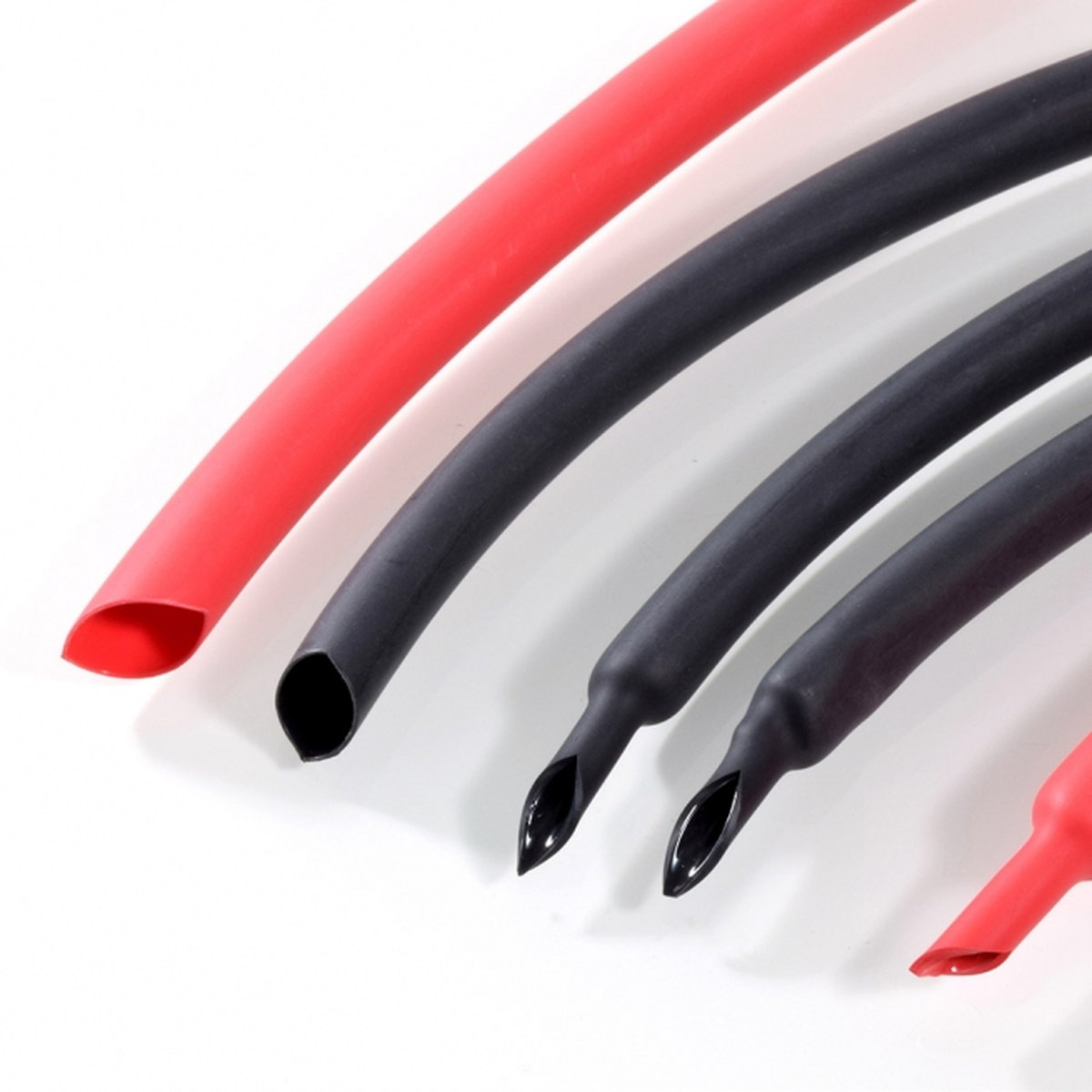
Electric vehicles and energy storage systems demand exceptional protection for their cable networks, making heat shrinkable tube one of the most critical components in modern electrical infrastructure. These specialized tubes provide crucial insulation, mechanical protection, and environmental sealing that standard wiring cannot achieve alone. Understanding how to properly deploy heat shrink tubing in EV and energy storage systems ensures reliability, safety, and long-term performance in demanding applications.
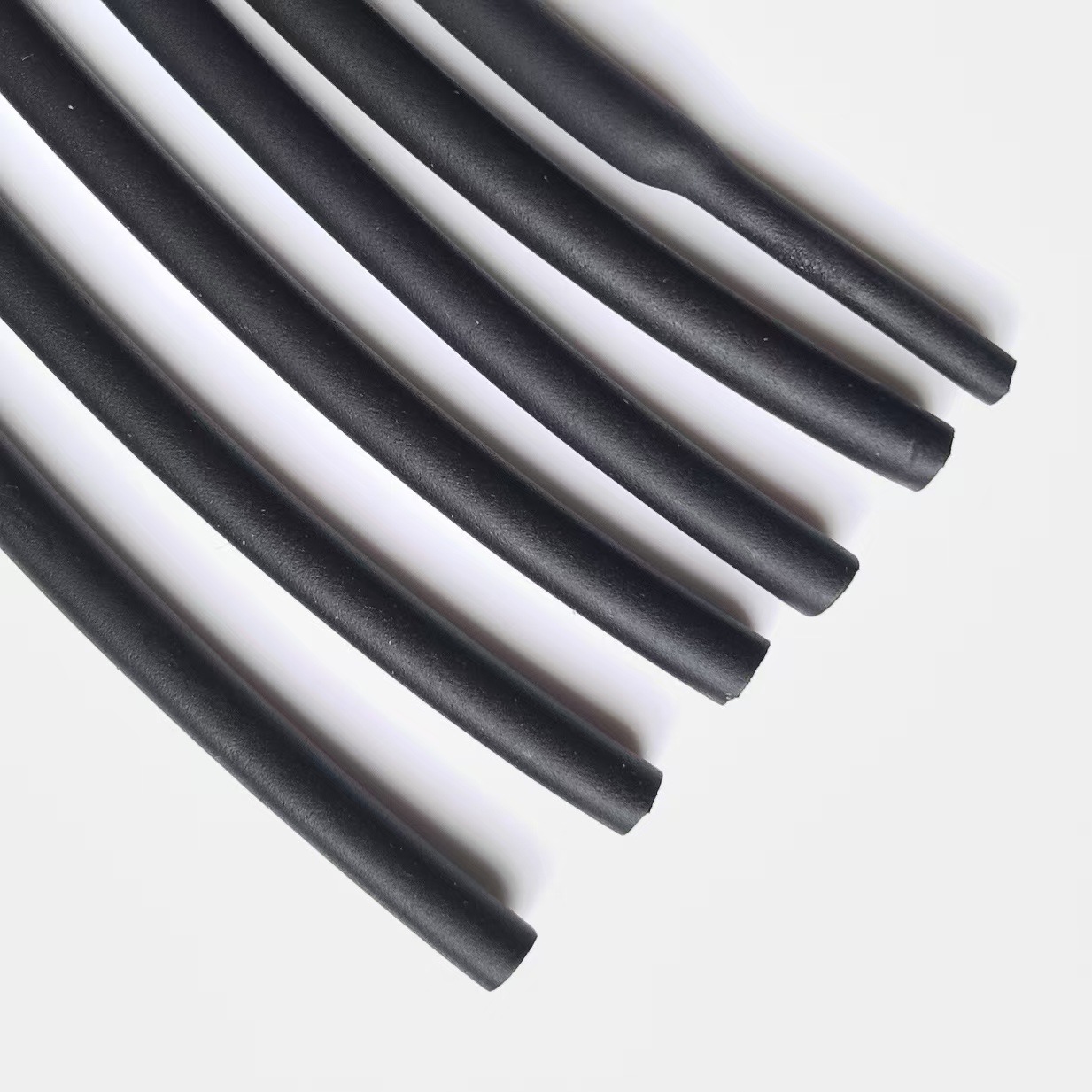
The automotive and energy storage industries have rapidly evolved, creating unprecedented demand for reliable electrical insulation solutions. Heat shrink tubing has become indispensable across industrial wiring applications, where temperature fluctuations, moisture exposure, and mechanical stress threaten cable integrity. For EV and energy storage systems specifically, proper heat shrinkable tube selection and application methods directly impact system efficiency, safety certifications, and operational lifespan.
Core Functions of Heat Shrink Tubing in EV Systems
Electrical Insulation and Safety Protection
Heat shrink tubing serves as a primary barrier against electrical faults and short circuits in EV cable assemblies. When properly applied over connection points and bare conductors, heat shrinkable tube creates a robust insulating layer that prevents unintended current pathways. The material maintains its dielectric properties across wide temperature ranges, critical for battery management systems that experience thermal cycling during charge and discharge cycles.
Modern electric vehicles operate under extreme conditions where electrical insulation failures pose significant safety risks. Heat shrink tubing protects against arc-tracking, cross-contamination between high-voltage conductors, and accidental contact with vehicle chassis. In energy storage applications, this level of protection becomes even more critical, as large battery packs concentrate substantial electrical energy that demands comprehensive containment strategies.
Environmental and Moisture Sealing
Beyond electrical insulation, heat shrinkable tube provides superior moisture barrier properties that industrial wiring applications require. The shrinking process creates a tight seal around cable terminations, preventing water ingress that would compromise both conductor integrity and surrounding components. Energy storage systems mounted outdoors or in harsh environments benefit particularly from this dual-protection approach that heat shrink tubing delivers.
Adhesive-lined heat shrink tubing represents an advanced solution that combines mechanical shrinkage with waterproof adhesive sealing. When heated, the adhesive layer melts and bonds to cable surfaces, eliminating microscopic gaps where moisture might accumulate. This enhanced performance makes adhesive-lined variants the preferred choice for high-reliability EV battery packs and grid-scale energy storage installations.
Installation Methods and Best Practices
Preparation and Sizing Procedures
Correct sizing of heat shrink tubing is fundamental to achieving reliable electrical insulation and mechanical protection. Professionals measure the outer diameter of conductors or cable assemblies to be covered, then select heat shrinkable tube with an internal diameter slightly larger than the measurement. Most heat shrinking applications use tubing that shrinks to approximately half its original diameter when properly heated, ensuring snug coverage without gaps.
Industrial wiring standards specify that heat shrink tubing should slide freely over the conductor before heating and fit firmly without wrinkles or loose areas after shrinkage. For multi-strand cables common in EV applications, professionals often pre-wrap conductors with electrical tape to create uniform geometry that prevents heat shrinkable tube from shifting during installation. This preparation step ensures consistent electrical insulation across the entire protected length.
Heating Application Techniques
Proper heating is essential to achieving the shrinking transformation that makes heat shrinkable tube effective. Heat guns designed for shrink tubing applications provide controlled temperature delivery, typically operating between 300 and 600 degrees Fahrenheit depending on material specifications. Technicians move the heat source along the tubing length in circular motions, ensuring uniform shrinkage and preventing localized overheating that could damage underlying conductors or degrade the tubing material itself.
For high-voltage EV battery systems, industrial wiring protocols often mandate temperature-controlled heating methods that prevent thermal damage. Some advanced heat shrinking equipment uses infrared heating or hot air tunnels that maintain precise temperature profiles throughout the shrinking cycle. These methods prove particularly valuable for adhesive-lined heat shrink tubing, where controlled heating activates the adhesive layer uniformly without overshooting into material degradation zones.
Quality Verification After Installation
Post-installation inspection determines whether heat shrink tubing has achieved proper electrical insulation coverage and secure mechanical attachment. Visual examination should confirm complete shrinkage without wrinkles, gaps, or areas where the original tubing diameter remains visible. The tubing should conform tightly to underlying conductors without loose sections that would compromise moisture protection in energy storage systems.
Electrical testing validates that heat shrinkable tube has restored proper insulation resistance at connection points. High-voltage EV systems typically require insulation resistance measurements exceeding specific megohm thresholds to certify installation quality. This verification step ensures that both the electrical insulation and environmental sealing functions have been achieved, critical for systems operating continuously in automotive or grid-storage environments.
Selection Criteria for EV and Energy Storage Applications
Material Composition and Temperature Ratings
Selecting appropriate heat shrink tubing materials determines how effectively electrical insulation and thermal performance requirements will be met. Polyolefin-based heat shrinkable tube offers excellent cost efficiency and suitable shrink ratios for most industrial wiring applications, while fluoropolymer variants provide superior chemical resistance and higher continuous temperature ratings for demanding automotive environments. Energy storage systems requiring operation across extreme temperature ranges often specify specialized materials designed to maintain flexibility and sealing integrity at temperatures from minus 40 to plus 150 degrees Celsius.
Adhesive-lined dual-wall heat shrink tubing represents the premium solution combining polyolefin base material with thermoplastic adhesive inner layers. This configuration delivers simultaneous electrical insulation, moisture sealing, and mechanical strain relief in a single application, reducing installation complexity and improving overall cable assembly reliability. Battery management systems and high-voltage EV interconnections frequently mandate this enhanced specification to achieve stringent safety and longevity standards.
Shrink Ratios and Diameter Coverage
Heat shrink tubing shrink ratios determine how much diameter reduction occurs during thermal transformation. Common ratios of 2:1 and 3:1 indicate that tubing shrinks to half or one-third its original diameter respectively. EV cable assemblies with varying conductor gauges often require multiple heat shrinkable tube sizes, while heat shrinking a bundle of conductors together demands careful selection to ensure complete electrical insulation without excessive compression that might damage underlying wires.
Energy storage systems benefit from strategic use of different shrink ratios at different connection points. Larger diameter heat shrinkable tube with 2:1 ratios typically covers main battery terminals and bus bars, while smaller diameter 3:1 tubing addresses individual cell interconnects. This graduated approach to electrical insulation maintains consistent protection while accommodating the diverse geometry of modern battery pack designs.
Certification and Compliance Standards
Automotive and energy storage industries impose rigorous certification requirements for heat shrinkable tube materials used in high-voltage systems. Most EV applications mandate heat shrink tubing compliance with UL 224, which specifies electrical insulation performance under thermal stress. Additional certifications may include VW-1 flammability ratings, RoHS compliance for hazardous substance restrictions, and specialized automotive standards governing material compatibility with battery electrolytes and thermal management fluids.
Selecting heat shrinkable tube that meets or exceeds these compliance benchmarks ensures that both electrical insulation and regulatory requirements are satisfied simultaneously. Energy storage system integrators rely on certified products to streamline safety approvals and reduce liability exposure when deploying large-scale battery installations. This compliance-first approach to heat shrink tubing selection has become standard practice across responsible EV and battery manufacturing operations.
FAQ
What is the main purpose of heat shrinkable tube in EV battery systems?
Heat shrinkable tube primarily provides electrical insulation and moisture sealing for battery connections and high-voltage wiring. When properly installed, heat shrink tubing prevents short circuits, protects against environmental contamination, and maintains the structural integrity of cable assemblies throughout the vehicle's operational lifetime. In energy storage systems, this protection becomes even more critical because battery packs operate continuously and must endure decades of thermal cycling without insulation failure.
How do you know if heat shrinkable tube has been applied correctly?
Properly applied heat shrink tubing should exhibit complete shrinkage with no visible wrinkles, gaps, or sections where original diameter remains exposed. The tubing must conform snugly to the conductor or cable assembly beneath it, and electrical insulation resistance testing should confirm dielectric integrity at connection points. For adhesive-lined variants, the adhesive layer should fully activate and bond to the underlying surface, creating a continuous moisture barrier that protects industrial wiring investments in automotive and energy storage environments.
Can heat shrinkable tube replace traditional electrical tape in EV systems?
While heat shrinkable tube offers superior protection compared to electrical tape, the two materials often serve complementary roles in comprehensive cable protection strategies. Heat shrink tubing provides permanent mechanical protection and moisture sealing that tape cannot achieve, making it the preferred choice for critical electrical insulation applications in EV and energy storage systems. However, electrical tape may still be used during intermediate assembly steps before heat shrink tubing installation, or in auxiliary applications where the enhanced performance of heat shrinkable tube is not operationally necessary.
 EN