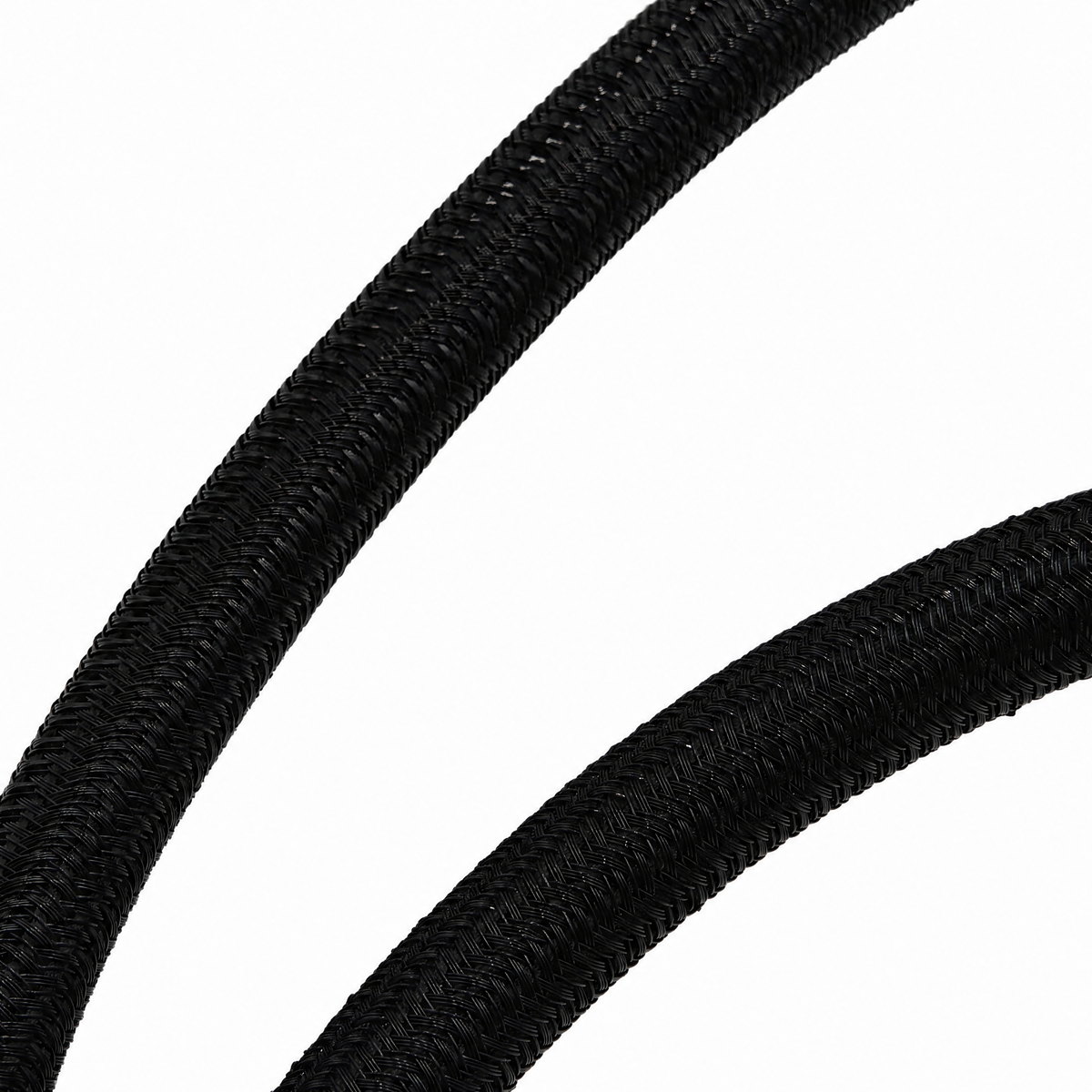
Installation and fit issues with self closing wrap can disrupt production schedules and compromise equipment protection. Whether you're managing cable management in industrial settings or organizing complex wire harness systems, understanding how to diagnose and resolve common self closing wrap problems is essential for maintaining operational efficiency. This guide walks you through practical troubleshooting steps that address the most frequent challenges encountered during installation and use.
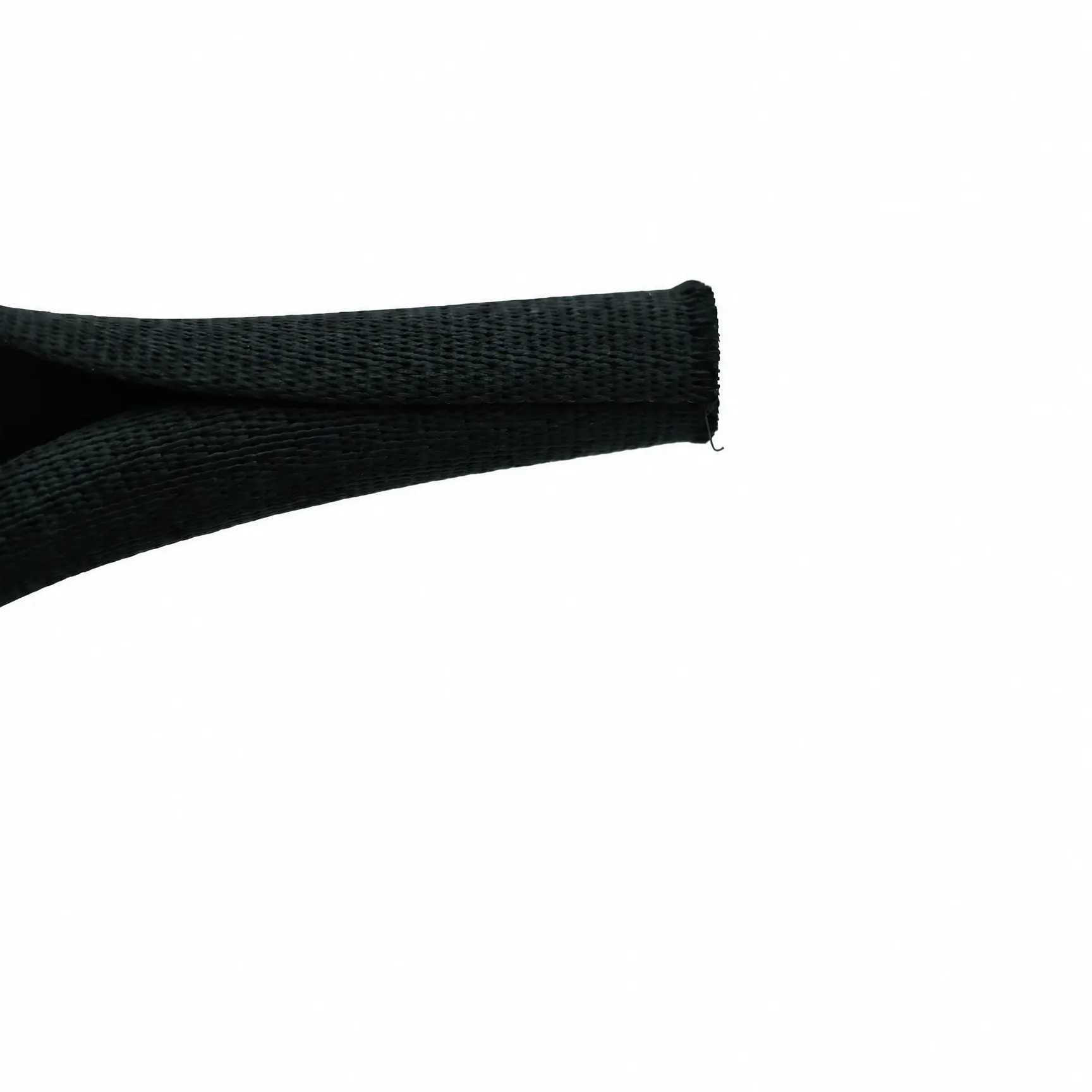
Proper cable wrap installation requires attention to material selection, sizing accuracy, and handling technique. Many troubleshooting issues stem from basic mistakes made during the initial setup phase. By understanding the root causes of fit problems and learning when service access modifications are needed, you can avoid costly rework and downtime while extending the lifespan of your wire harness protection.
Understanding Common Fit Problems
Incorrect Size Selection and Measurement
The most frequent cause of poor fit is selecting the wrong cable wrap diameter or width. Begin by measuring the overall diameter of your wire harness bundle using a calibrated caliper at multiple points along the cable run. Self closing wrap should snugly encircle the bundle without excessive compression or gap. If the wrap is too tight, it can restrict service access and damage sensitive conductors; if too loose, it fails to provide adequate protection and may shift during operation. Calculate the required wrap size by adding approximately 10 to 15 percent to your measured bundle diameter to account for the wrap material thickness and ensure a proper seal.
Material Temperature and Flexibility Issues
Temperature significantly affects how cable wrap performs during installation. Cold materials become stiff and difficult to manipulate, leading to bunching and uneven closure. Warm the wrap to room temperature before application, especially in cold environments. If you're working with wire harness bundles in industrial settings where temperature fluctuations occur, test the wrap's flexibility at the expected operating temperature. Some self closing wrap products lose elasticity in extreme cold, making service access adjustments problematic later. Allow wrapped bundles to acclimate for 30 minutes before final inspection to ensure the wrap maintains its intended fit.
Installation Technique and Proper Application
Starting Point and Spiral Direction
Begin your cable wrap application at the end closest to a fixed anchor point or connector. Start wrapping with an overlap of approximately half the wrap width and maintain a consistent spiral angle of 45 to 60 degrees along the bundle length. Uneven tension during spiral wrapping causes the wrap to bunch at certain points, creating gaps that compromise both protection and appearance. When applying wrap to a wire harness, pull gently but consistently with each spiral pass, allowing the self closing mechanism to engage naturally without forcing. If you notice the wrap bunching despite proper technique, the bundle diameter may be incorrect, or the wrap material might have lost some elasticity due to age or storage conditions.
Managing Overlaps and Closure Points
Where overlaps occur, ensure they don't exceed one-quarter of the wrap width to maintain consistent compression throughout the cable run. Excessive overlap restricts service access and creates visible seams that can catch and tear. The self closing mechanism should engage smoothly at these points without requiring excessive force. If you experience resistance or the closure fails to fully seal, stop and check for debris, twisted material, or bundle shifting. Some installations benefit from a slight overlap reduction tool or guide to maintain precise positioning. For wire harness systems requiring frequent service access, consider using self closing wrap products specifically designed for quick-release applications.
Addressing Service Access and Maintenance Challenges
Reopening Without Damage
Service access problems often arise when technicians must open and reopen the cable wrap multiple times during the equipment lifecycle. Repeated reopening can degrade the closure mechanism, leading to poor fit on subsequent wraps. To maintain service access capability, open the wrap carefully using a smooth, steady pull rather than tugging forcefully at one point. If you need frequent access to your wire harness, consider segmenting the cable wrap into shorter sections that can be individually removed and replaced. This approach preserves the closure mechanism on critical sections while allowing easy maintenance. Mark the wrap with durable labels indicating service intervals and any special handling requirements specific to your application.
Extending Wrap Lifespan and Reapplication
When wrapping the same cable bundle multiple times, the self closing mechanism may weaken after several open-and-close cycles. Plan to replace the wrap periodically rather than attempting infinite reuse. High-wear applications in industrial environments may require replacement every 12 to 24 months depending on climate exposure and service frequency. Before reapplying wrap to your wire harness, inspect the bundle for any damage that might affect sizing. Abrasion marks, accumulated dirt, or slight swelling of the bundle can alter the required cable wrap diameter. Clean the bundle thoroughly and allow any moisture to dry before measuring and applying fresh wrap to ensure proper fit from the start.
FAQ
Why is my self closing wrap too loose after installation?
Loose wrap typically results from selecting a size larger than your actual wire harness diameter or from insufficient wrapping tension during application. Measure your bundle diameter precisely and verify it falls within the wrap product's specified range. If measurements are correct, the wrap may have lost elasticity due to age or improper storage. Rewrap using fresh material, applying consistent spiral tension throughout the cable run to ensure the self closing mechanism engages properly and maintains the fit over time.
Can I reopen self closing wrap without damaging the closure mechanism?
Yes, you can reopen cable wrap safely by pulling steadily along the longitudinal seam rather than forcing it open at one concentrated point. Gentle, controlled opening preserves the closure mechanism for future use. However, repeated opening and closing cycles will eventually degrade performance, so plan for periodic replacement. For applications requiring frequent service access, consider using segmented wrapping or quick-release wrap variants designed specifically for maintenance-intensive installations.
How do I know if my wrap size is correct for my wire harness bundle?
Measure your bundle diameter at multiple points using a calibrated caliper and select wrap diameter that is 10 to 15 percent larger than your maximum bundle measurement. The wrap should encircle the cable bundle snugly without excessive compression that restricts service access or damage to conductors. If the wrap is too tight, it creates installation stress; if too loose, it shifts during operation and fails to provide adequate protection. When in doubt, consult the wrap manufacturer's sizing chart or select the next larger standard size to avoid fit problems.
 EN