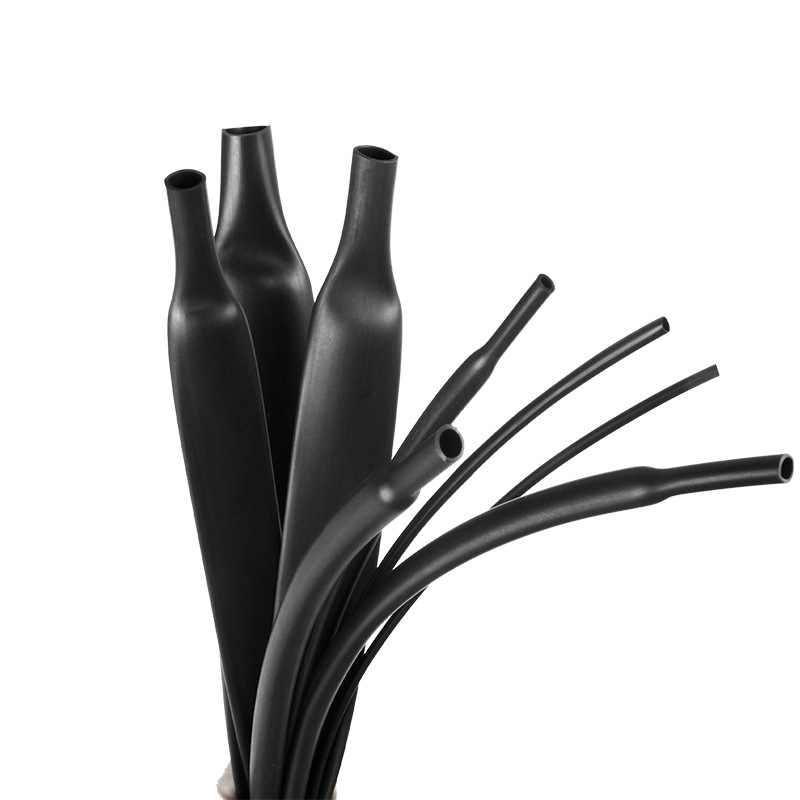
Selecting the right heat shrink sleeve for battery cable insulation is a critical decision that directly impacts electrical safety, durability, and long-term performance of your power systems. Battery cables face unique challenges including high current flow, temperature fluctuations, mechanical stress, and exposure to harsh environmental conditions. Without proper insulation through quality heat shrink sleeves, battery systems risk short circuits, corrosion, and catastrophic failures that can compromise both equipment and personnel safety.
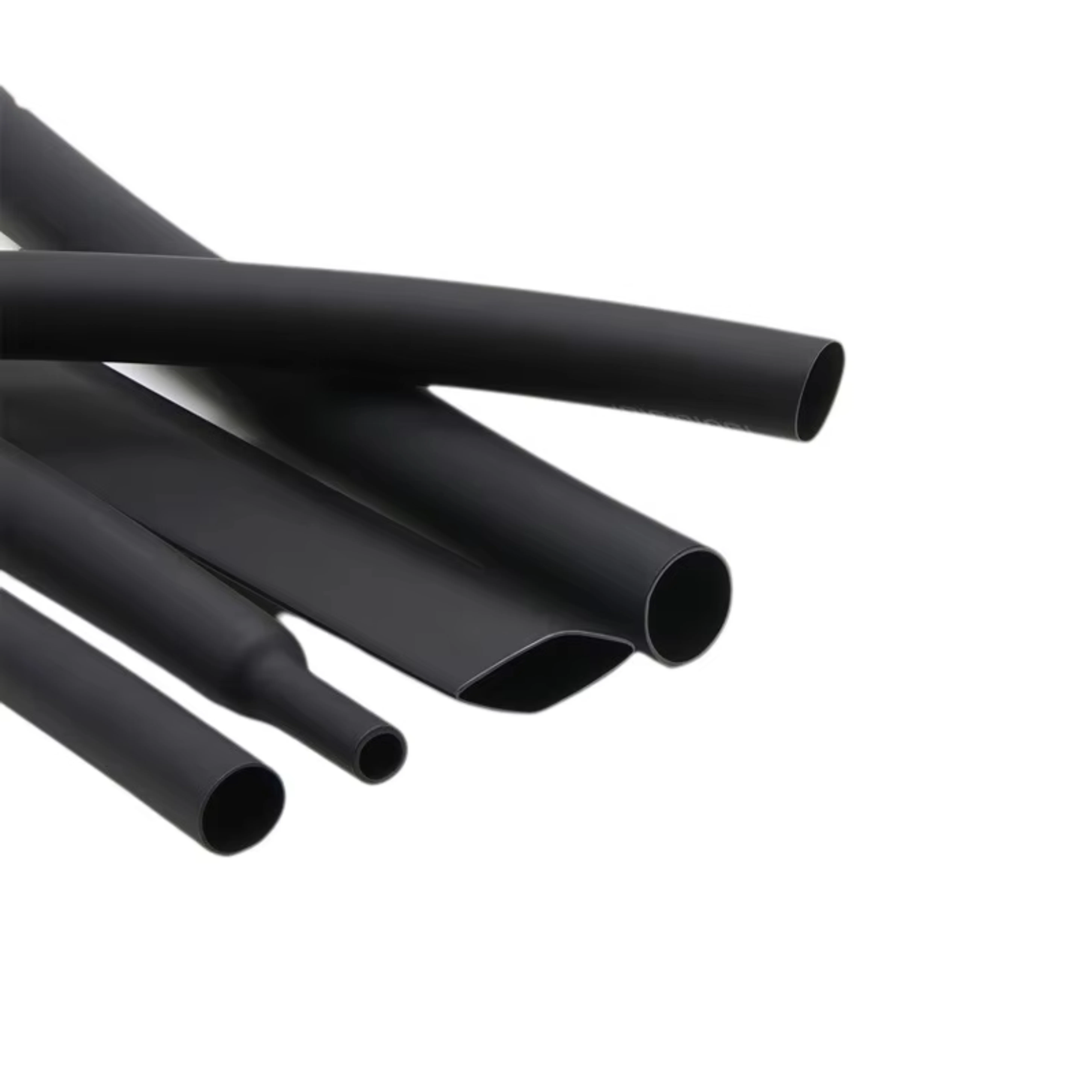
The process of selecting an appropriate heat shrink sleeve requires understanding material properties, adhesive specifications, diameter requirements, and application-specific performance standards. Battery cable protection goes beyond simple insulation; it demands materials that withstand mechanical abuse, thermal cycling, and chemical exposure while maintaining electrical integrity over extended service life. This guide explores the essential factors that should influence your heat shrink sleeve selection to ensure optimal battery system performance and reliability.
Understanding Material Composition and Performance Requirements
Core Material Properties for Battery Applications
The base material of your heat shrink sleeve determines how it performs under battery cable conditions. Polyolefin remains the most common choice for general-purpose applications due to its cost-effectiveness and adequate insulation properties. However, battery systems often require advanced materials like halogen-free options that eliminate toxic gas emissions during thermal events, meeting modern environmental and safety regulations. Material shrinkage ratios typically range from 2:1 to 3:1, meaning the sleeve contracts to half or one-third its original diameter when heated.
Temperature rating is another critical material consideration for cable insulation. Standard heat shrink sleeves handle temperatures up to 125°C, while enhanced formulations reach 200°C or higher, essential for battery systems exposed to high-current charging cycles or engine compartment environments. Flame-retardant materials provide additional safety where fire resistance is mandatory, particularly in aerospace, marine, and automotive battery applications. Selecting materials with appropriate flexibility ensures the heat shrink sleeve maintains protective contact with battery cables through mechanical vibration and thermal expansion cycles.
Adhesive Lined Technology Benefits
Adhesive lined heat shrink sleeves provide superior sealing compared to non-adhesive alternatives, particularly important for battery cable protection. The adhesive layer flows during heating, creating a permanent waterproof bond that prevents moisture ingress into wire termination areas. This is especially critical for battery systems exposed to saltwater, humidity, or submersion conditions common in marine or outdoor power applications. Adhesive lined options eliminate the need for additional sealants, reducing assembly time and ensuring consistent quality across all cable connections.
When considering adhesive lined products for cable insulation, evaluate the adhesive activation temperature to ensure it aligns with your heating method. Hot air guns, thermal shrink tunnels, and immersion heating all provide different temperature profiles. The adhesive should activate at or below your chosen heating temperature without flowing excessively before the sleeve fully shrinks. Quality adhesive lined sleeves leave minimal squeeze-out while creating a tight, uniform seal that protects wire termination points from environmental contamination and mechanical damage.
Sizing, Diameter Selection, and Installation Factors
Calculating Correct Diameter and Length
Proper sizing is fundamental to effective battery cable insulation. Measure the maximum diameter of your cable including any existing insulation or terminal lugs, then select a heat shrink sleeve that shrinks down to grip that diameter securely. Using oversized sleeves results in poor contact and inadequate insulation, while undersized sleeves may not slide over the cable or could tear during installation. Most manufacturers provide sizing charts correlating cable diameter to appropriate heat shrink sleeve dimensions for specific shrink ratios.
Length selection should extend at least one-quarter inch beyond any exposed terminal or connection point to provide complete coverage. For battery cables with crimped lugs or solder joints, allow extra length to cover the transition zone between the cable and the connection. Overlapping the heat shrink sleeve onto both the cable jacket and the terminal creates a stronger protective barrier. Pre-cut sleeves simplify this calculation and ensure consistent results across production batches or field installations.
Installation and Heating Methodology
The heating method you select impacts both the quality and efficiency of cable insulation installation. Hot air heat guns offer portable flexibility but require operator skill to apply uniform heating and avoid damaging the cable or sleeve. Thermal shrink tunnels provide consistent results for high-volume battery production, automatically advancing the cable through heated zones at controlled temperatures. Heat shrink ovens suit smaller batches where flexibility matters more than throughput. Immersion in heated oil or water represents an alternative method commonly used in some battery manufacturing environments.
Proper heating ensures the adhesive lined sleeve fully activates and the material shrinks uniformly around the battery cable. Insufficient heat leaves the sleeve loose and ineffective, while excessive heat may damage the cable insulation underneath or degrade the adhesive bond. Most applications require heating to 100-150°C for 3-10 seconds, depending on sleeve thickness and diameter. Monitor the sleeve visually during heating; it should transition from transparent to opaque as it shrinks, indicating full activation and proper cable insulation establishment.
Performance Standards and Environmental Considerations
Certification and Regulatory Compliance
Battery cable applications often fall under strict regulatory frameworks that specify acceptable heat shrink sleeve materials and performance characteristics. Halogen-free heat shrink sleeves meet modern environmental regulations by eliminating toxic gases during thermal stress or fire events, increasingly mandatory in automotive, aerospace, and marine battery systems. UL and IEC certifications verify that products meet electrical insulation standards and thermal performance requirements. When specifying heat shrink sleeves for critical battery applications, confirm that materials carry appropriate certifications for your industry and geographic market.
Wire termination protection requirements vary by application; marine and offshore battery systems demand higher corrosion resistance and salt-spray durability compared to laboratory or sheltered installations. Oil resistance becomes essential for automotive battery applications where engine fluids may contact cable connections. Chemical compatibility with adjacent battery components, solvents, and cleaners used during maintenance should guide material selection. Reviewing these compliance requirements before finalizing heat shrink sleeve specifications prevents costly redesigns and ensures proper cable insulation from installation through service life.
Long-term Durability and Environmental Resistance
Battery cables endure extended exposure to UV radiation, ozone, temperature cycling, and mechanical stress that gradually degrade many materials. Premium heat shrink sleeves demonstrate superior resistance to these environmental factors, maintaining electrical properties and physical integrity over decades. Adhesive lined options particularly benefit from chemical stability in the adhesive layer, preventing delamination or moisture penetration during thermal cycling. Selecting materials specifically formulated for battery applications rather than generic electrical uses significantly extends protective performance.
Quality heat shrink sleeve manufacturers conduct accelerated aging tests simulating real-world battery cable conditions to verify long-term durability. These tests measure tensile strength retention, elongation stability, and adhesive bond integrity after extended UV exposure, thermal cycling, and chemical immersion. Specifying products with documented aging data provides confidence that your cable insulation selection will reliably protect battery systems throughout their intended service life, reducing maintenance costs and preventing unexpected failures in critical power applications.
FAQ
What diameter heat shrink sleeve should I use for my battery cable?
Measure the maximum outside diameter of your cable including any existing insulation or terminal lugs. Select a heat shrink sleeve with an unshrunk diameter approximately 10-20% larger than this measurement. For a cable measuring 8mm diameter, a sleeve with 10mm unshrunk diameter and 2:1 shrink ratio would shrink to approximately 5mm, gripping the cable securely. Always verify the shrink ratio and unshrunk dimensions in the manufacturer's specifications before ordering heat shrink sleeves for your battery cable application.
Are adhesive lined heat shrink sleeves necessary for all battery cables?
Adhesive lined options provide superior protection in demanding environments where moisture, salt spray, or chemical exposure threatens cable integrity. For battery systems in protected indoor settings with stable temperatures and controlled humidity, non-adhesive heat shrink sleeves may suffice. However, the small cost difference between adhesive and non-adhesive products makes adhesive lined sleeves a practical choice for most battery applications, especially where wire termination durability justifies the minimal additional investment.
How do I know if my heat shrink sleeve has properly sealed the battery cable?
After heating, the heat shrink sleeve should fit snugly against the cable with no gaps or movement. The material should appear uniformly opaque and slightly shiny where adhesive lined, with no visible wrinkles or thin spots. Gently pull the cooled sleeve; it should not slide along the cable. Adhesive lined sleeves may show a thin bead of adhesive around the edges where it flowed during shrinking, confirming proper activation and seal formation around your battery cable insulation.
 EN