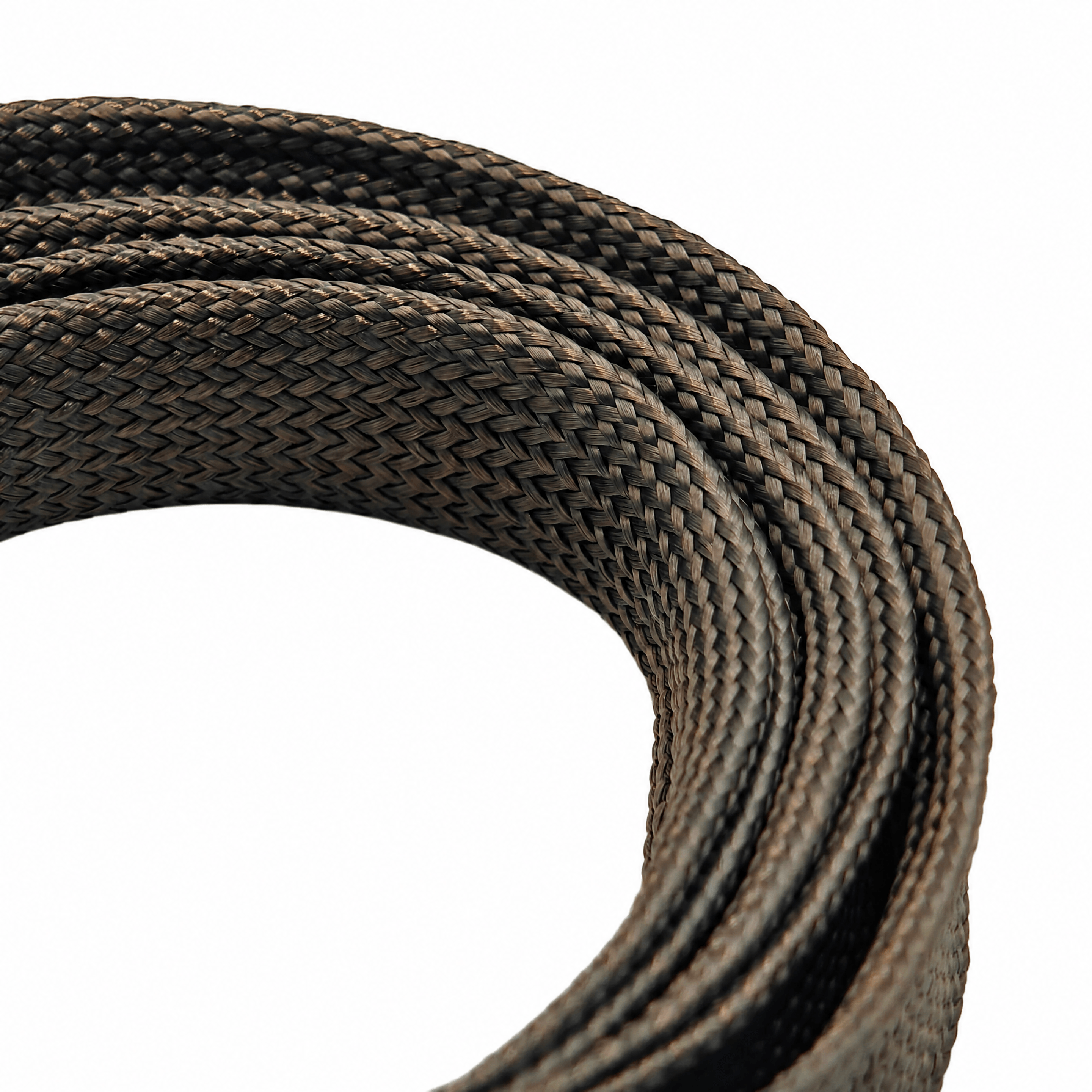
Installation speed directly impacts manufacturing costs and project timelines. The right wire harness sleeve can dramatically reduce the time your team spends assembling and protecting electrical connections. This seemingly small component plays a critical role in streamlining production workflows while simultaneously enhancing harness protection and durability. Understanding how to select and apply the optimal wire sleeving solution transforms installation from a bottleneck into a competitive advantage.
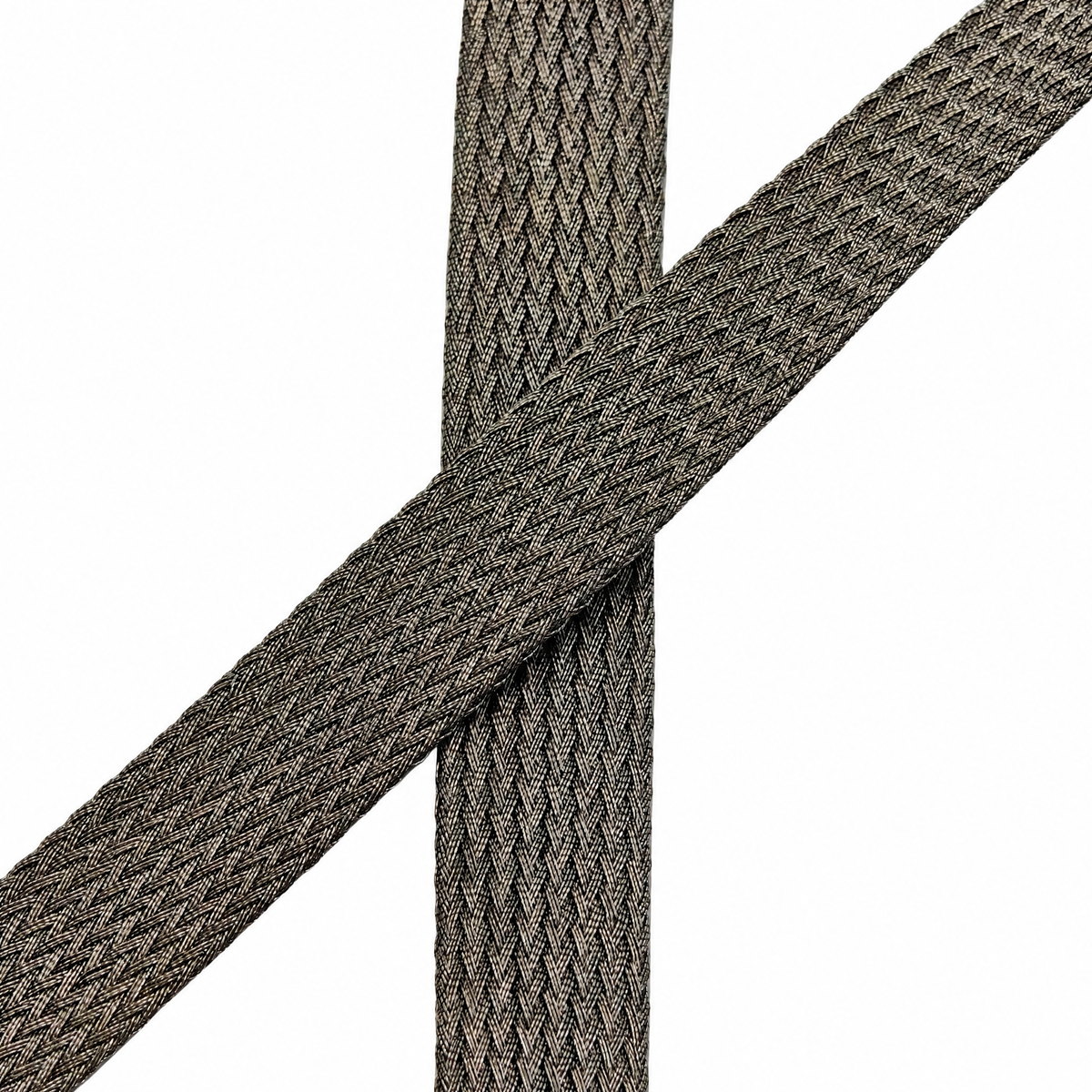
Technicians and manufacturing managers face constant pressure to deliver faster without sacrificing quality. The wire harness assembly process involves multiple steps, and inefficient protection methods can multiply labor hours unnecessarily. Modern wire harness solutions have evolved significantly, offering self-closing designs and advanced materials that cut installation effort substantially. By adopting proven practices for wire sleeving application and material selection, your team can achieve meaningful productivity gains while maintaining the harness protection standards your applications demand.
Understanding Installation Efficiency with Wire Sleeving
The Impact of Harness Protection on Assembly Time
Traditional wire sleeving methods often require manual wrapping, taping, and additional securing steps that consume valuable labor. A well-designed wire harness sleeve integrates multiple protective functions into a single application step. Self-closing wire sleeving, for example, wraps around the harness automatically as it slides over the bundle, eliminating separate fastening operations. This consolidation of tasks reduces handling time significantly, allowing technicians to move through assembly sequences faster while maintaining superior harness protection coverage. The cumulative time savings across a full production run become substantial, especially in high-volume manufacturing environments.
Material Selection for Faster Installation
The material composition of your wire harness sleeve directly affects application speed and ease. Braided or woven designs typically offer superior flexibility compared to rigid tubing, making them easier to slide over complex harness configurations. Low-friction surfaces further reduce insertion resistance, allowing technicians to position the wire sleeving quickly without snagging or misalignment. Additionally, materials rated for self-closing properties eliminate the need for separate wrapping or adhesive application. Selecting the correct wire harness sleeve material upfront prevents rework, correction delays, and frustrated technicians struggling with poor-fitting solutions. The right material investment pays dividends through reduced installation labor and fewer costly assembly errors.
Core Techniques for Streamlined Wire Harness Assembly
Preparation and Bundle Organization
Before applying any wire sleeving solution, proper harness preparation directly controls installation speed. Organize your wire bundle logically, grouping conductors by function or voltage level to create a streamlined package. A well-organized bundle slides smoothly into wire sleeving without bunching, twisted internal wires, or misalignment issues. Many technicians underestimate this preparation step, assuming that messy bundles can be corrected during sleeving application. This assumption leads to extended installation times, multiple repositioning attempts, and frustrated staff. Taking five additional minutes to organize your harness correctly saves thirty minutes in actual sleeving application. Clear labeling and consistent bundle preparation across your team ensures harness protection is applied uniformly and rapidly.
Optimal Application Methods
Modern wire harness sleeve designs support multiple application approaches depending on your specific assembly environment. Self-closing sleeves typically require simple sliding action, making them ideal for rapid production lines where speed is paramount. Helical wraps offer excellent harness protection while maintaining ease of installation, particularly for irregular bundle shapes. Braided sleeves with minimal compression needs allow technicians to work quickly without fighting material resistance. The key to reducing installation time is matching your application method to your specific harness geometry and production constraints. Training your team on the fastest application technique for your chosen wire sleeving material removes guesswork and standardizes speed across all technicians. Documented procedures with visual references accelerate new staff training and ensure consistent installation velocity.
Optimizing Production Workflows with Smart Wire Harness Solutions
Integration into Production Line Timing
Installation time improvements only translate to real cost savings when integrated strategically into your overall production schedule. Consider positioning wire harness sleeve application at an assembly stage where technicians have clear workspace access and minimal component congestion. Placing sleeving application after all internal connections are complete but before final enclosure assembly typically minimizes handling and repositioning. Some manufacturers optimize further by pre-sleeving harnesses in a dedicated staging area before main assembly, allowing parallel processing and eliminating bottleneck effects. This workflow restructuring, combined with the right wire sleeving material, can reduce per-unit assembly time by 20 to 40 percent depending on your harness complexity. Measure your baseline installation time precisely before implementing changes so you can quantify improvements and justify process investments to management.
Quality Assurance During High-Speed Application
Accelerating installation speed must never compromise harness protection quality or reliability. Implement visual inspection checkpoints at key stages of wire sleeving application to catch coverage gaps or misalignment before the harness moves forward. Many modern wire harness sleeves feature color-coded designs that make incomplete coverage immediately obvious to technicians. Standardized acceptance criteria ensure that faster application never trades quality for speed. Consider implementing automated or semi-automated sleeving systems if your production volumes justify the investment, as these systems deliver both rapid and consistent wire harness sleeve coverage with minimal variation. Regular audits of finished harnesses confirm that your accelerated processes maintain the harness protection performance levels your end applications require, protecting your reputation and reducing warranty claims.
FAQ
How much installation time can an optimized wire harness sleeve save?
Installation time savings vary based on your baseline process, harness complexity, and the specific wire sleeving solution chosen. Self-closing designs typically save 30 to 50 percent of manual wrapping time compared to traditional methods. For complex harnesses with multiple segments requiring different wire sleeving applications, cumulative savings can reach 40 percent or higher. Actual improvements depend on your current labor approach, technician training level, and production volume, making pilot testing essential before full implementation.
What material offers the fastest wire harness sleeve application?
Self-closing braided sleeves generally provide the fastest application because they require minimal technician intervention beyond sliding the material over the harness. These designs wrap automatically around the wire bundle without additional securing steps, eliminating fastening labor. Helical wraps offer a close second in speed while providing excellent flexibility for irregular bundle shapes. Your choice should balance application speed with the specific harness protection requirements of your application environment and the durability standards your industry demands.
Can faster wire harness sleeve installation compromise harness protection?
No, when using quality wire sleeving materials and proven application techniques, speed and harness protection quality are not opposing goals. Modern wire harness sleeve designs are engineered for rapid application without sacrificing coverage or durability. The key is selecting the right material for your specific requirements and training technicians on proper technique. Many manufacturers find that standardized, faster processes actually improve consistency and harness protection compared to slower manual methods where technician variation causes coverage gaps and weak application.
 EN