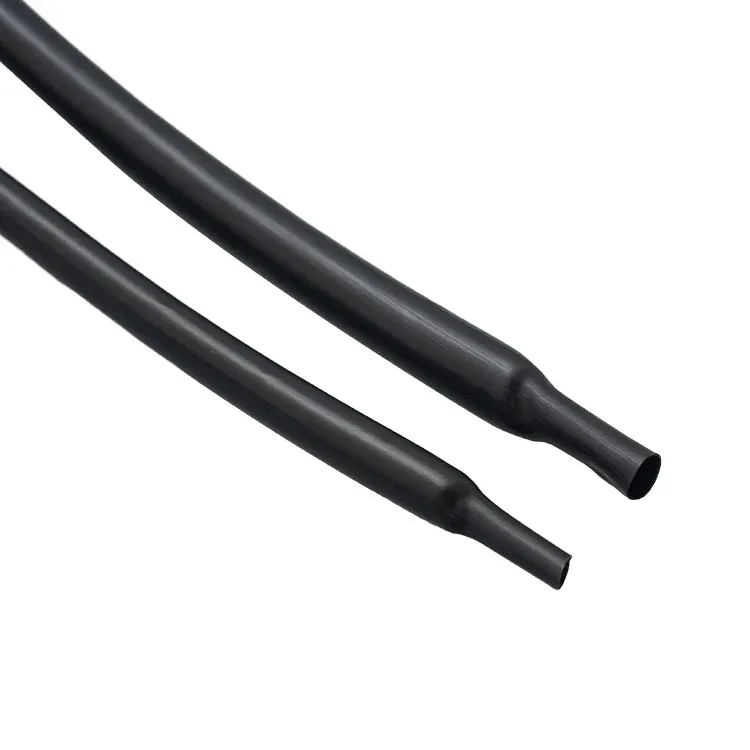
PTFE sleeving is a critical component in industrial applications where durability, protection, and reliability matter most. When installing PTFE sleeving around electrical wires, cables, and conductors, technicians often face a common challenge: snagging. Snagging occurs when the sleeving catches or tears on sharp edges, burrs, or connector hardware during the installation process, compromising both the material and the integrity of the application. Understanding how to prevent snagging ensures that your wire insulation remains intact and your high temperature applications maintain their intended performance.
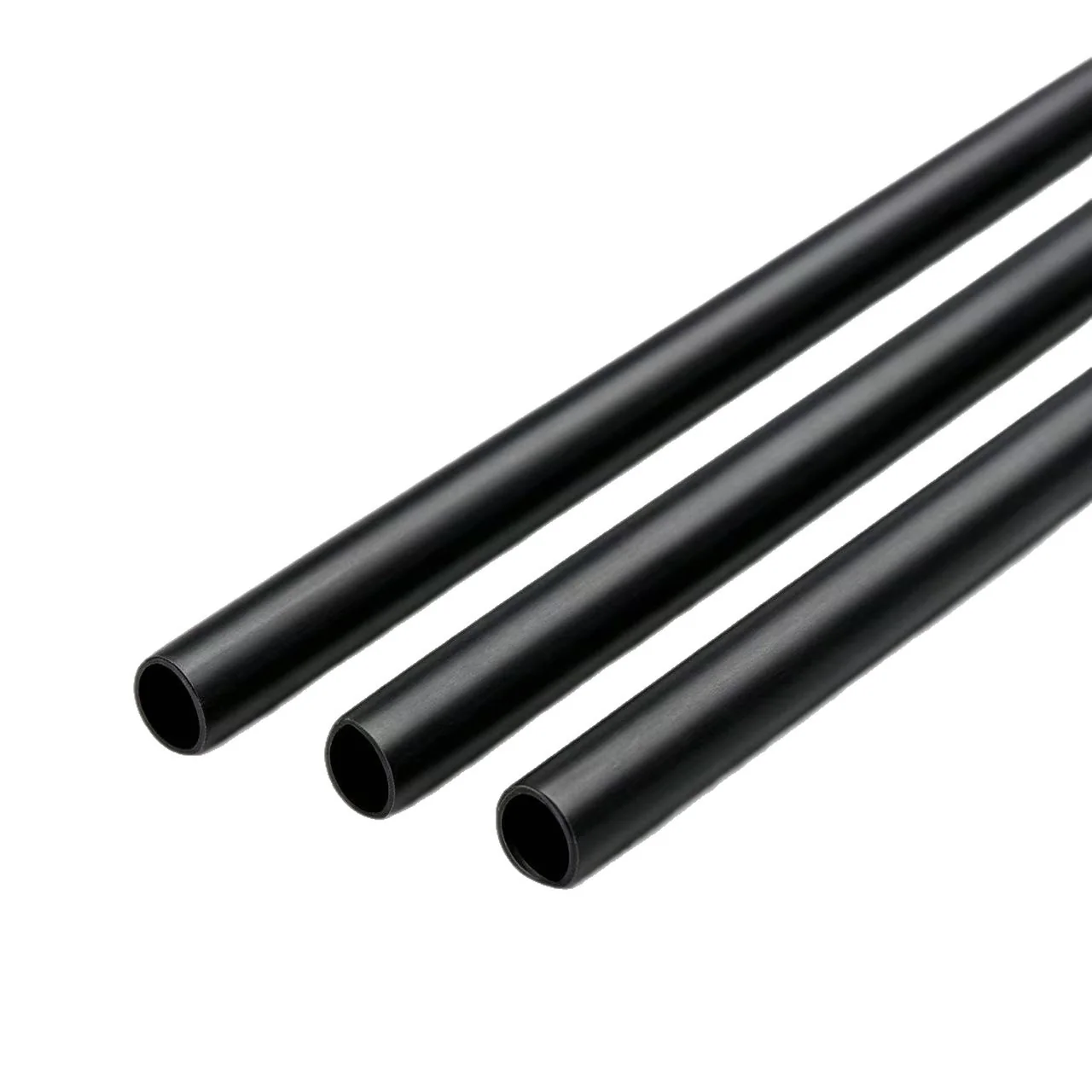
Successful PTFE sleeving installation requires preparation, technique, and attention to detail. The material's inherent chemical resistance and high temperature capabilities make it ideal for demanding environments, but these same properties also mean that once damaged, the sleeving cannot be easily repaired. By following proven practices and understanding the root causes of snagging, technicians can eliminate installation failures and extend the service life of their equipment.
Understanding Snagging Causes and Prevention Fundamentals
Identifying Common Snagging Points
Snagging during PTFE sleeving installation typically originates from sharp edges, rough surfaces, and protruding hardware. Connector pins, crimp terminals, solder joints, and burrs on cut wire ends are frequent culprits. When PTFE sleeving encounters these hazards, the delicate fluoropolymer material can catch or tear, leaving gaps and compromising the chemical resistance properties that make the sleeving valuable in the first place. Identifying these hazards before installation allows you to address them proactively rather than discovering damage after the fact.
Pre-Installation Surface Preparation
The foundation of snagging prevention begins before the sleeving ever touches the wire or connector. All surfaces that will contact the sleeving must be smooth and free from sharp edges. This includes deburring wire ends with proper cutting tools, smoothing solder joints with fine files or abrasive pads, and verifying that connector pins are properly formed and not bent or fractured. For high temperature applications where chemical resistance is essential, this preparation step is non-negotiable because any breach in the sleeving compromises protection and thermal stability.
Practical Installation Techniques for Smooth Application
Sleeving Guides and Alignment Tools
Using mechanical guides during installation dramatically reduces snagging risk. Wire sleeving guides, entry funnels, and tapered sleeves help direct the PTFE sleeving onto the wire without forcing it into contact with sharp edges. These tools align the sleeving opening with the wire or cable and prevent the material from bunching or twisting as it slides into position. For applications involving multiple wires or complex connector assemblies, custom guides can be fabricated to match your specific geometry. Wire insulation protection is maintained by controlling the angle and speed of application, ensuring the sleeving moves smoothly rather than dragging across hazards.
Lubrication and Slip Additives
Applying a light, thin lubricant to the sleeving interior reduces friction during installation without compromising the sleeving's chemical resistance or adhesive properties. Silicone spray, PTFE dry lubricant, or specialized sleeving application compounds allow the material to glide smoothly over wires and connectors. The lubricant must dry or dissipate quickly to avoid residue buildup that could affect the final assembly. Testing lubricants on scrap material first ensures compatibility with your specific PTFE sleeving formulation and confirms that high temperature performance remains unaffected.
Speed and Controlled Pressure
Rushing through sleeving installation is a leading cause of snagging. Applying steady, controlled pressure while moving the sleeving slowly over the wire allows you to feel resistance and stop if the material catches. Fast or jerky motions can cause the sleeving to snag suddenly, tearing before you have time to react. For heat-shrinkable PTFE sleeving or high temperature variants, patience during installation ensures that the material settles properly before any heating process begins.
Advanced Prevention Strategies and Quality Control
Wire and Connector Inspection Standards
Implementing a rigorous inspection protocol before sleeving installation catches problems early. Every wire should be examined under adequate lighting for burrs, sharp edges, or rough spots. Connectors should be verified for bent pins, cracks, or debris. Solder joints should be visually smooth and free from sharp peaks. For applications where chemical resistance is critical, this inspection becomes part of your quality assurance system, preventing field failures and maintaining the integrity of your wire insulation protection in high temperature environments.
Testing and Documentation
Run installation tests on representative samples before full production runs. This identifies potential snagging issues specific to your assembly design and sleeving specification. Document successful techniques, optimal pressure ranges, and any custom tools or lubricants that work best. If snagging occurs during testing, photograph the failure point and trace the exact cause. This data becomes invaluable for training technicians and troubleshooting future problems, ensuring consistent quality across all PTFE sleeving applications.
FAQ
What should I do if the PTFE sleeving starts to snag during installation?
Stop immediately and do not force the sleeving further. Gently reverse the sleeving back over the wire to remove it. Inspect both the sleeving and the wire or connector for any tears or damage. If the sleeving is damaged, discard it and begin with a fresh piece. Investigate the snagging point on the wire or connector, deburr or smooth any sharp edges, and try again with reduced pressure and slower speed. If the same point snags again, consider using a sleeving guide or alternative entry technique to bypass the hazard.
Can damaged PTFE sleeving be repaired after snagging?
Damaged PTFE sleeving should not be repaired because any tear or puncture compromises its chemical resistance, thermal protection, and electrical isolation properties. Even a small hole can allow contaminants to reach the underlying wire, defeating the purpose of the sleeving in high temperature or chemically aggressive environments. The best approach is to remove the damaged sleeving and install a new piece using proper snagging prevention techniques. This ensures full performance and long-term reliability in your application.
Is there a difference in snagging risk between standard and heat-shrinkable PTFE sleeving?
Heat-shrinkable PTFE sleeving requires the same careful handling during initial installation as standard sleeving. The key difference is that heat-shrinkable variants will shrink when exposed to elevated temperatures, conforming tightly to the wire or connector. However, this secondary process does not repair any damage that occurred during sleeving installation. Preventing snagging during the initial slip-on phase remains critical, as the shrinking process will not seal or hide small tears. Both types benefit equally from proper surface preparation, alignment tools, lubrication, and controlled installation pressure.
 EN