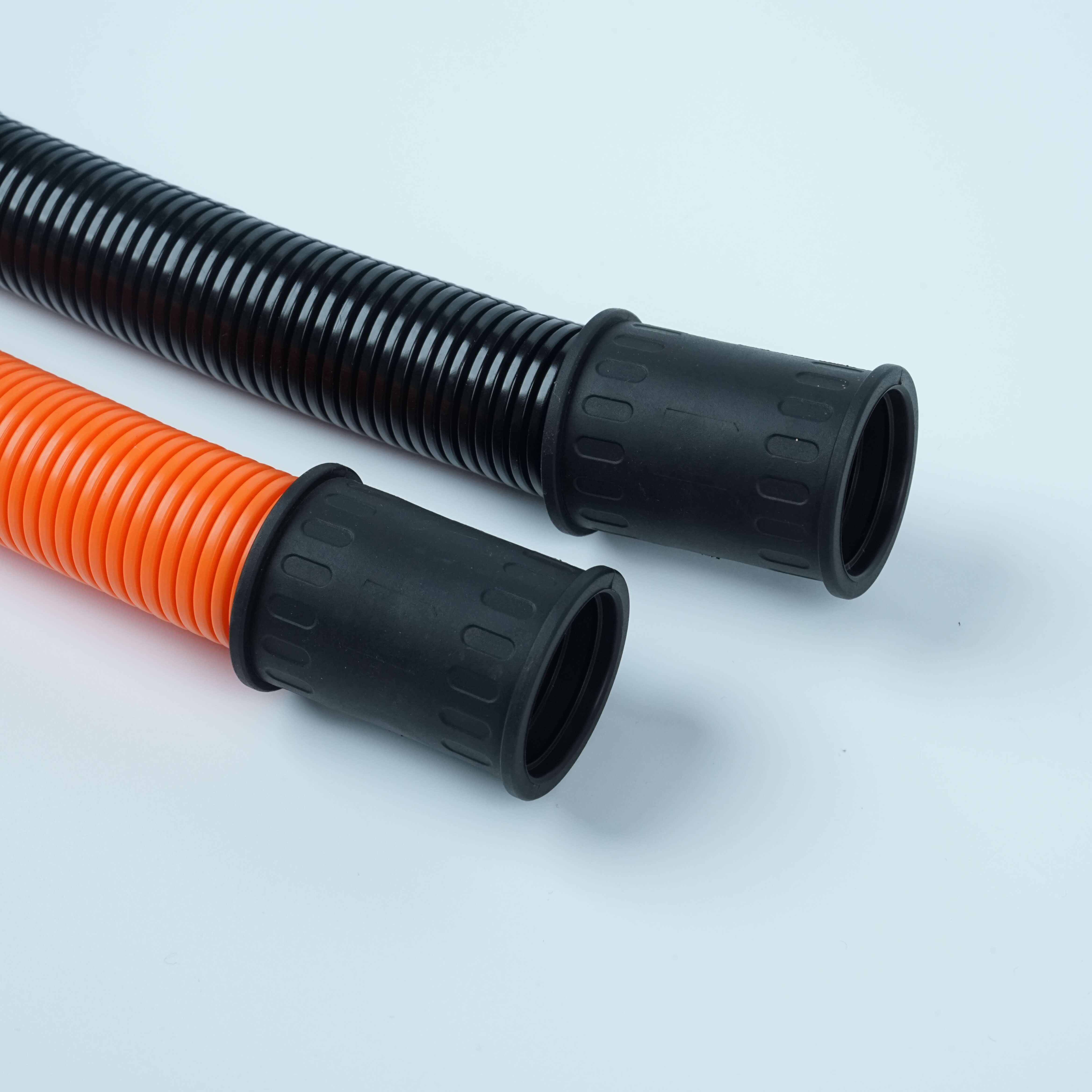
Planning wire loom conduit validation before mass production is a critical step that separates reliable products from field failures. Organizations often rush this phase, assuming that design approval automatically translates to manufacturing success. However, systematic validation of your wire loom conduit system identifies material compatibility issues, assembly constraints, environmental performance gaps, and cost inefficiencies long before production scales up. This preparation prevents expensive retooling, customer returns, and supply chain delays.
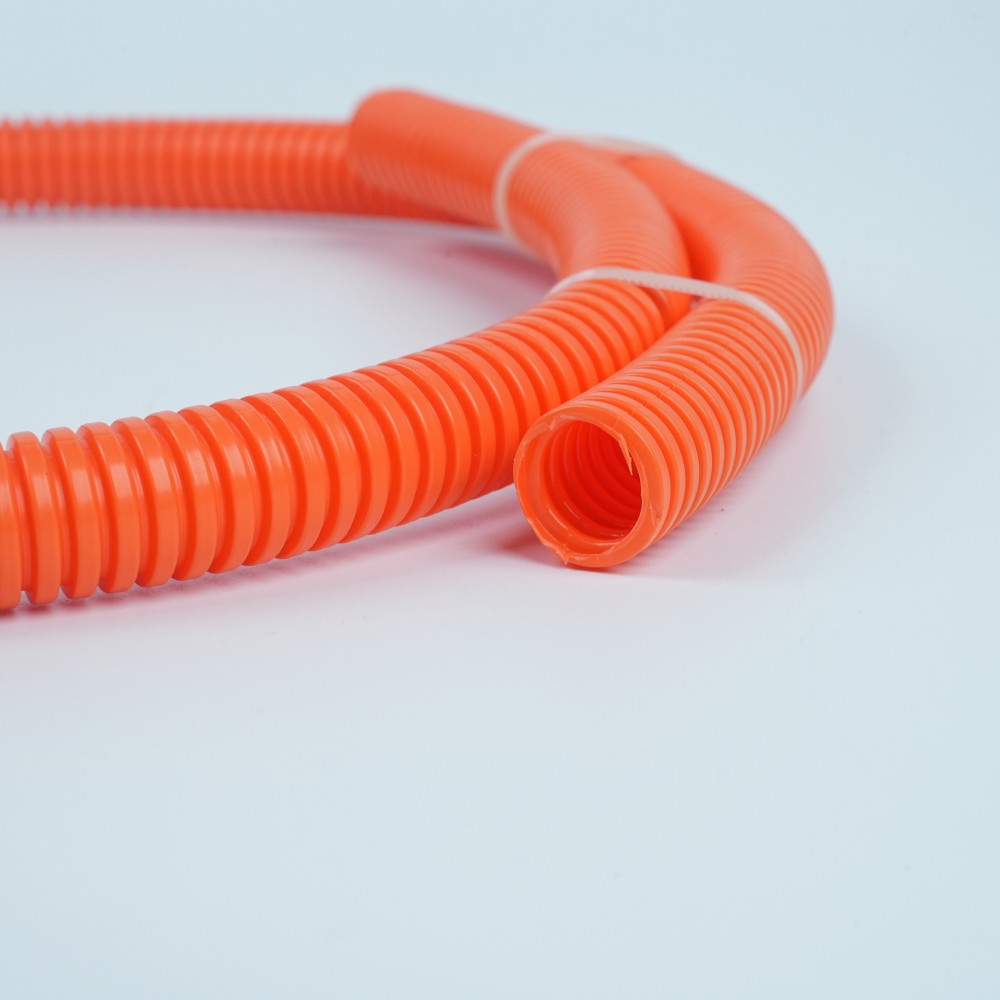
Cable routing through wire loom requires alignment between conduit material, cable diameter, installation geometry, and operating conditions. Pre-production validation helps confirm performance across batches, suppliers, and real-world use. This article outlines a validation framework for wire loom conduit that protects manufacturing processes and end-product quality.
Understanding Your Wire Loom Conduit Specifications
Defining Core Material and Performance Requirements
Before validation begins, clarify exactly what your wire loom conduit must accomplish. Define the material composition—whether nylon, polyethylene, or specialty polymers—and confirm that it meets flame retardancy, UV resistance, and temperature range demands of your application. Document the nominal and tolerance-band dimensions for inner diameter, wall thickness, and length. These specifications become the measurement baseline for every validation test. Without precise specification anchors, validation becomes subjective and unrepeatable.
Establish the cable routing path characteristics: bend radius limits, vibration exposure, thermal cycling frequency, and chemical exposure points. Wire loom conduit must accommodate these stressors without cracking, leaking, or degrading cable insulation. Clarify whether your cable conduit serves as a protective barrier, EMI shield, or both. Each role carries different performance thresholds and validation emphasis. Recording these requirements in a formal specification document ensures all stakeholders—design, manufacturing, procurement, and quality—operate from the same baseline.
Sourcing Samples from Candidate Suppliers
Obtain wire loom samples from every potential supplier before committing to production contracts. Request samples that represent the exact material grade, color, and cross-sectional profile you intend to manufacture. Request material certifications, data sheets, and batch traceability documentation. Samples must come from at least three different production batches to reveal consistency or variation patterns. This batch-to-batch comparison is far more predictive than single-sample testing, because wire loom materials can exhibit lot-to-lot drift in rigidity, finish quality, or dimensional consistency.
Request samples of cable routing configurations already assembled by the supplier, if available, so you can evaluate installation consistency and fit quality. Ask suppliers for their own internal quality documentation and standard operating procedures for wire loom production. This transparency helps you understand their process controls and identify potential variability risks before mass production begins.
Executing Validation Tests for Cable Routing Performance
Mechanical and Environmental Stress Testing
Conduct bend radius cycling tests on sample cable conduit to verify that it maintains flexibility and dimensional stability under repeated flexing. Institute thermal cycling tests—expose the wire loom conduit to temperature extremes that match or exceed your application range—to detect material embrittlement, dimensional growth, or adhesive failure. Run UV weathering tests if outdoor exposure is relevant. These mechanical tests reveal whether your cable routing system degrades under the cumulative stress conditions it will experience in the field.
Perform cable pull tests to confirm that cables can be installed through the wire loom without jamming, stretching, or tearing. Use sample cables that represent the maximum bundle diameter and cable surface roughness your system must accommodate. Pull at controlled speeds and measure the force required; excessive friction during cable routing may indicate diameter mismatch, internal surface defects, or inadequate lubricity in the conduit material. Document the pass-fail threshold so you have an objective standard for supplier qualification.
Dimensional and Assembly Consistency Checks
Measure the inner and outer dimensions of sampled wire loom conduit at multiple points along the length. Use precision calipers or micrometer equipment to establish the actual tolerances your suppliers deliver. Compare these measurements against your specification and identify whether suppliers consistently hold nominal dimensions or exhibit drift patterns. Dimensional consistency directly affects cable routing ease and whether assembled systems meet fit requirements in the final application.
Test the assembly processes you plan to use in mass production. If your wire loom conduit requires coupling, crimping, or adhesive bonding, validate these assembly steps on sample materials before scaling to production. Evaluate whether assembly fixtures work reliably with supplier samples, whether tooling maintains consistency across multiple cycles, and whether assembled joints meet strength or sealing requirements. Identify any assembly step that shows high variability or failure rates; these are early warning signs that your production process design needs refinement.
Developing Your Mass Production Readiness Plan
Supplier Qualification and Quality Agreements
Based on validation results, formally qualify each supplier candidate by documenting their ability to meet your wire loom specifications and performance standards. Establish purchase agreements that include material certification requirements, batch testing obligations, dimension verification, and traceability documentation. Specify the frequency of your own incoming inspection and sampling plans; do not assume every shipment is perfect simply because the supplier's certification is on file. Include clauses allowing you to reject batches that fail performance or dimensional thresholds.
Create a quality agreement matrix that lists every critical dimension, material property, and test requirement for your cable conduit system. Assign responsibility—whether supplier-side or your own quality team—for each test. Define what data must be retained and for how long. This clarity prevents disputes later and ensures that both parties understand the performance contract before production ramps.
Assembly and Integration Testing
Conduct small-batch pilot production using the exact processes, tooling, and personnel you plan to deploy in mass production. Build 50 to 100 units of your cable routing assembly and subject them to the same performance tests you used during material validation. This end-to-end check reveals whether your assembly process reliably translates validated materials and specifications into functioning products. Document yield, rework rates, failure modes, and assembly cycle time during the pilot phase.
Evaluate whether your wire loom conduit supplier can deliver the volume and consistency you need on your production schedule. Test whether your receiving inspection process catches defects efficiently or requires refinement. Confirm that your storage, handling, and installation procedures preserve conduit quality and prevent premature degradation. Any friction discovered during pilot production is far cheaper to resolve than discovering it during full ramp-up.
Documentation and Continuous Improvement Protocol
Create a validation summary report that documents every test performed, sample specifications, results, pass-fail criteria, and decisions made. This report becomes your mass production baseline and audit trail. Include photographs of test setups, failed samples, and assembly processes so that future teams can understand the validation context. Specify acceptance limits for production quality and define the trigger points for stopping production if defects exceed thresholds.
Establish a continuous improvement loop: collect performance feedback from early production units in the field, compare it against your validation predictions, and revise your process or supplier specifications if real-world performance diverges from expectations. If cable routing failures occur or customer complaints emerge, trace them back to specific material batches or assembly lots using the traceability documentation you established during validation. This closed-loop approach builds organizational learning and prevents the same failures from recurring in future products.
FAQ
What is the minimum number of validation tests required before mass production?
There is no universal minimum; the scope depends on your application risk and performance requirements. For basic cable routing applications, mechanical bend testing, thermal cycling, and dimensional verification across multiple supplier batches form a minimal validation package. High-reliability applications—aerospace, medical, or automotive—typically require expanded testing including flame retardancy certification, long-term aging studies, chemical resistance testing, and compliance verification against industry standards. Document your decision rationale so auditors and leadership understand why your validation scope is appropriate for your risk profile.
How do I know if my wire loom conduit supplier will maintain consistency during mass production?
Validate samples from multiple production batches before qualification, establish clear specifications and quality agreements in writing, require batch certifications and traceability documentation, and implement incoming inspection and sampling plans to monitor every production shipment. Establish agreed-upon acceptance criteria for dimensions, material properties, and performance tests. Schedule periodic re-qualification audits at the supplier's facility to observe their process controls and confirm that their equipment and procedures remain stable. If drift or inconsistency appears, address it immediately rather than hoping it will self-correct during mass production.
What happens if validation testing reveals a critical issue with my cable routing design?
This is why validation occurs before mass production. If testing reveals incompatibility between the wire loom conduit material and your cables, inadequate bend radius tolerance, or assembly process infeasibility, you have the opportunity to redesign, source alternative materials, or refine your manufacturing process without consuming expensive production tooling or generating customer returns. Document the issue, evaluate design alternatives, perform quick re-validation on the revised approach, and proceed to mass production only after the revised design passes testing. Treating validation as a cost-saving gate rather than an unnecessary delay protects your entire production timeline.
 EN