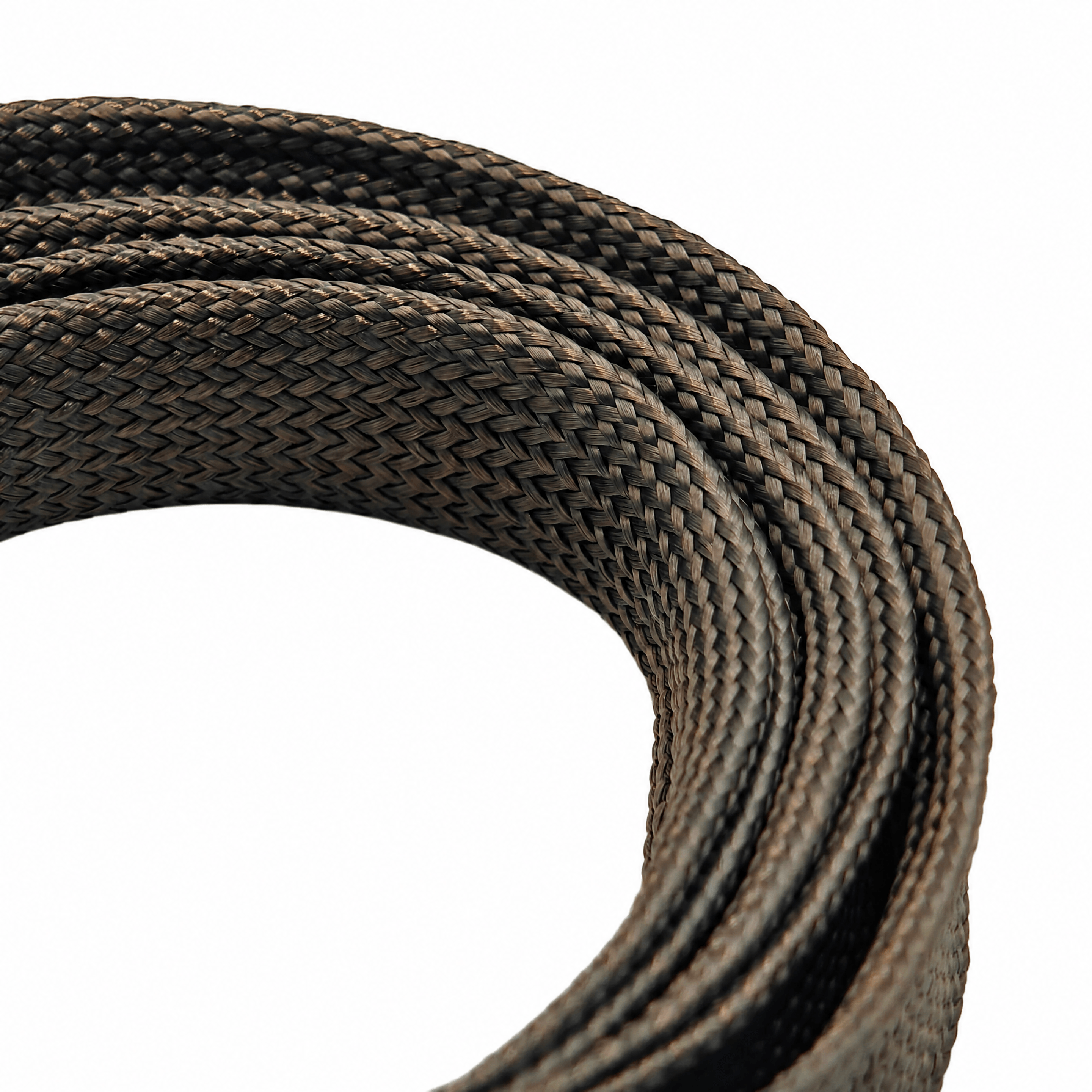
Validating a wire harness sleeve before mass production is one of the most critical steps in ensuring product reliability and compliance with automotive standards. When manufacturers skip or rush this process, they risk costly recalls, field failures, and damage to their reputation. The wire harness sleeve serves as a protective barrier around electrical conductors, preventing abrasion resistance failures, electromagnetic interference, and environmental contamination. Planning this validation properly requires understanding the testing protocols, establishing clear acceptance criteria, and coordinating across engineering, quality, and supply chain teams.
A comprehensive validation strategy begins long before production tooling is finalized. By building a structured testing roadmap that includes material characterization, performance simulation, and prototype trials, you can identify potential failure modes early and adjust designs or material specifications accordingly. This approach reduces the likelihood of discovering critical issues during full-scale production, where remediation becomes exponentially more expensive and disruptive. The wire sleeving must be evaluated not only for its standalone performance but also for how it interacts with the full harness assembly under real-world operating conditions.
Understanding Core Validation Requirements
Performance Standards and Specifications
Every wire harness sleeve validation must begin with a clear understanding of the relevant performance standards and customer specifications. Automotive wiring harnesses typically fall under IEC, ISO, and OEM-specific requirements that dictate mechanical strength, thermal resistance, flame retardancy, and chemical compatibility. The wire sleeving must meet abrasion resistance thresholds that reflect its intended operating environment. For example, a sleeve designed for underhood applications faces different thermal and chemical stresses than one used in a cabin environment. Documenting these requirements upfront ensures that all testing activities target the right performance parameters.
Material and Environmental Factors
The material composition of the wire harness sleeve directly influences its durability and performance characteristics. Polyester, polyamide, and other polymer blends offer different levels of abrasion resistance, temperature tolerance, and resistance to oils and coolants. Before committing to mass production, test coupons should be subjected to accelerated environmental aging, thermal cycling, and chemical exposure to simulate real-world conditions. Wire sleeving materials must maintain their protective properties across the full range of temperatures and chemical exposures the harness will encounter during vehicle life. This validation phase is where hidden compatibility issues often emerge, making it essential to test with actual production material lots.
Designing Your Validation Test Plan
Mechanical and Abrasion Testing
Abrasion resistance is one of the most critical properties of wire sleeving, since failure here often leads to shorts, arcing, and complete system malfunction. Your validation plan should include standardized abrasion tests such as the IEC 60811-4-1 or equivalent automotive wiring standards. These tests measure how the sleeve material degrades when exposed to rubbing, vibration, and relative motion against sharp edges, fasteners, or adjacent components. The wire harness sleeve must be tested on actual conductor assemblies to capture real frictional interactions. Multiple samples from different production batches should be tested to account for material variability and ensure consistency across suppliers. Testing should continue until failure occurs or until the acceptance criterion is clearly met.
Environmental and Thermal Simulation
Environmental durability testing replicates the thermal and chemical stresses the wire sleeving will experience throughout the vehicle's service life. This includes thermal shock cycles, exposure to engine compartment temperatures, and immersion in automotive fluids such as gasoline, coolant, and brake fluid. Wire harness sleeve samples should be subjected to heat aging at elevated temperatures to simulate long-term degradation. After environmental exposure, mechanical properties such as tensile strength and elongation should be re-measured to confirm that the material maintains adequate abrasion resistance and dimensional stability. Failure to include this testing often results in field failures years after production, when sleeves become brittle or lose grip on the conductors.
Coordinating Validation Across Your Organization
Cross-Functional Team Structure
A successful wire harness sleeve validation requires coordination between engineering, materials, quality, manufacturing, and supply chain teams. Engineering defines the performance requirements and specifies the test protocols. Materials engineers select candidate sleeve materials and interpret test data. Quality assurance designs the sampling plan and acceptance criteria. Manufacturing validates that production processes will consistently deliver the required properties. Supply chain ensures that raw material suppliers are capable of meeting specifications and that material traceability is maintained. Regular communication among these teams prevents silos and ensures that validation findings flow back into design and procurement decisions before mass production begins.
Documentation and Sign-Off Protocols
All validation testing must be thoroughly documented, including test methods, material lot numbers, date ranges, environmental conditions, and raw test data. This documentation becomes part of the production quality record and provides evidence of compliance during customer audits and regulatory reviews. Wire sleeving validation reports should clearly state whether each test was passed or failed, identify any non-conformances, and describe corrective actions taken before production approval. Each phase of validation, from material characterization through production readiness, should require formal sign-off from the responsible functional leaders. This governance structure prevents unauthorized production starts and protects the organization from liability if field failures occur.
FAQ
What specific abrasion resistance tests should wire sleeving undergo?
Wire sleeving should be tested using standardized protocols such as IEC 60811-4-1, FMVSS requirements, or equivalent OEM specifications. These tests typically involve a rubbing action against a standardized abradant surface or sharp edge, with the sleeve evaluated for penetration depth, material loss, or breakthrough. Testing duration and force levels should reflect the severity of the intended application environment. Samples must be taken from production batches to ensure variability is captured, and testing should continue until clear pass/fail determination can be made.
How long should thermal aging validation last for automotive wiring harness sleeves?
Thermal aging duration varies based on the target service life and OEM requirements, but typical automotive wiring validation includes thermal exposure at elevated temperatures for 500 to 1000 hours or longer. The time-temperature profile should reflect the most severe conditions the sleeve will encounter, such as underhood temperatures around 130–150°C. After aging, the wire harness sleeve must retain sufficient abrasion resistance and mechanical properties to pass the same functional tests as the unaged baseline. Accelerated testing reduces calendar time while maintaining scientific validity if proper time-temperature equivalence calculations are applied.
Why is validating the assembled wire harness sleeve configuration important?
Testing the wire harness sleeve on actual conductor bundles in the final assembly configuration is critical because friction, deflection, and compression forces differ significantly from isolated coupon testing. The sleeve may interact with sharp fastener edges, undergo thermal expansion and contraction at different rates than the conductors, or be compressed by routing clamps in ways not captured by standard abrasion resistance test methods. Validation on finished assemblies reveals design-related failure modes that coupon tests alone cannot predict, making this step essential before committing to mass production.
 EN