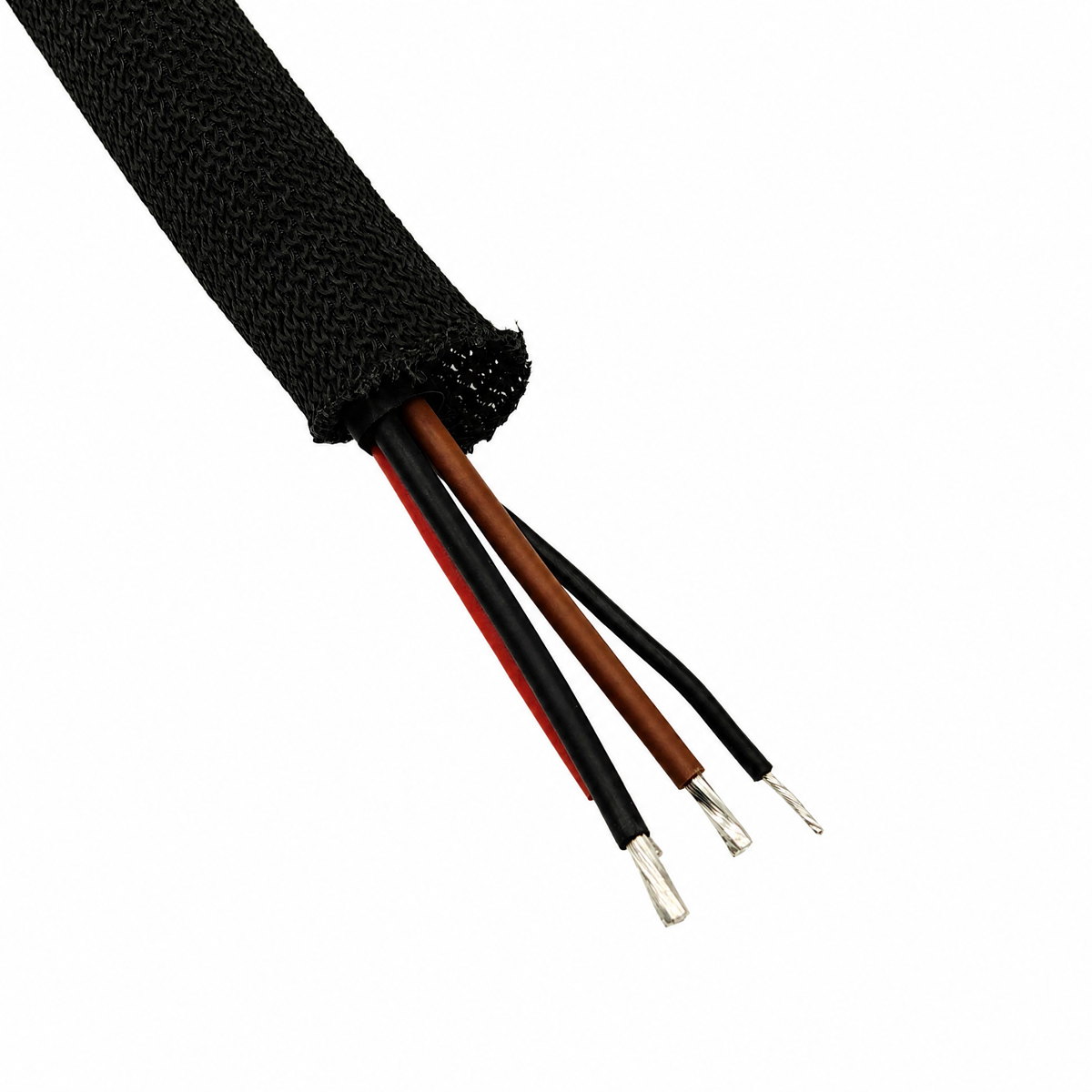
Planning validation for self closing wrap before mass production is a critical step that determines whether your cable protection solution will meet performance requirements in real-world applications. Many manufacturers rush into full-scale production without establishing comprehensive validation protocols, only to discover quality issues, material inconsistencies, or functional failures after significant investment. A structured pre-production validation plan ensures that your self closing wrap meets specifications, performs reliably under intended conditions, and maintains consistent quality across production batches.
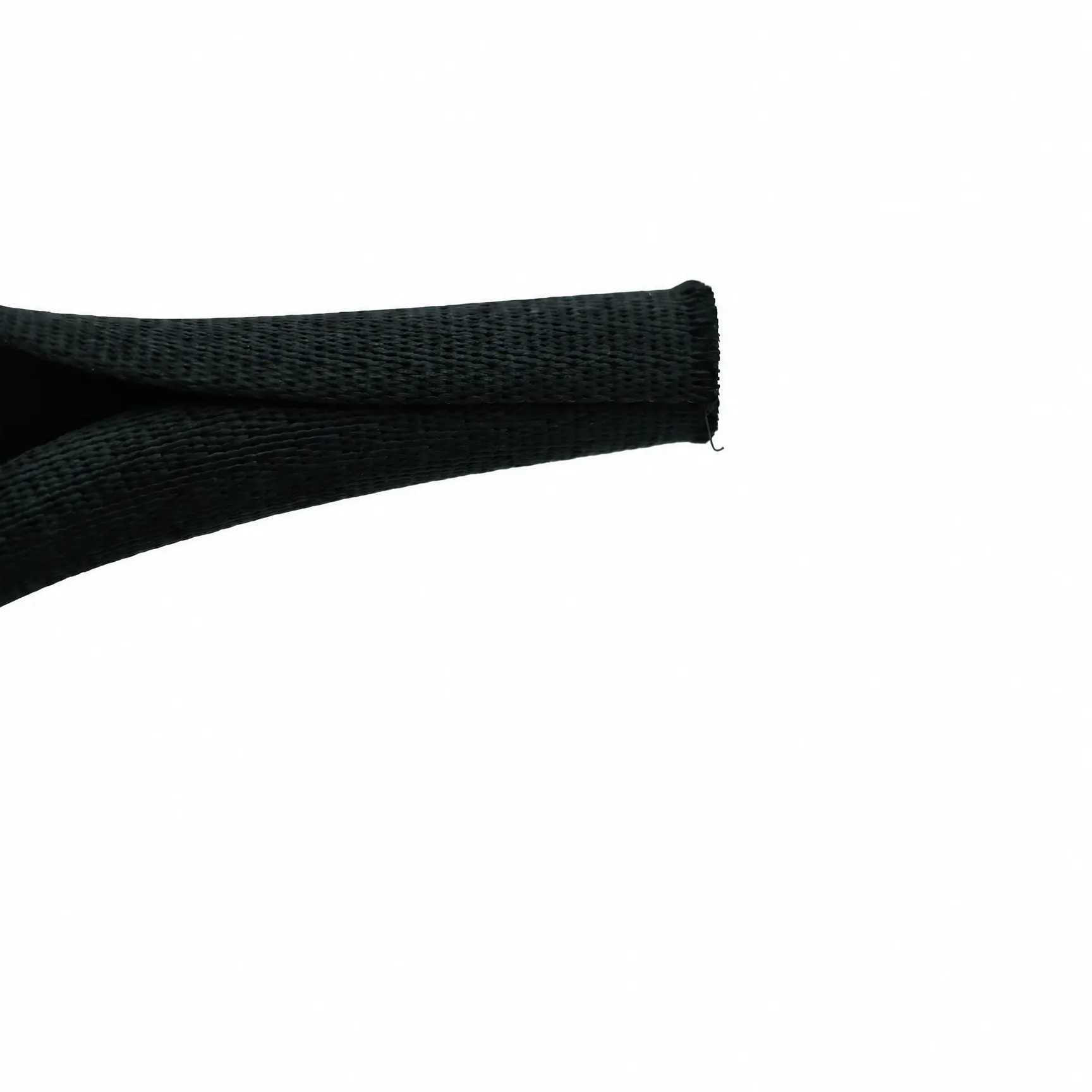
Effective validation involves multiple interconnected phases that test material properties, manufacturing processes, and functional performance. Before committing to mass production, you must evaluate how your self closing wrap behaves under thermal stress, mechanical wear, environmental exposure, and actual installation conditions. This comprehensive approach reduces the risk of costly product recalls, minimizes warranty claims, and builds customer confidence in your cable management solutions.
Establishing Core Performance Standards
Defining Functional Requirements for Cable Protection
The foundation of validation planning begins with clearly defining what your self closing wrap must accomplish in its intended application. Cable wrap protection demands differ significantly based on industry, operating environment, and voltage class. Your validation protocol should specify tensile strength requirements, tear resistance, flexibility at low temperatures, and flame resistance ratings relevant to your target markets. Document how the self closing wrap performs during cable routing, whether it maintains integrity during thermal cycling, and how it responds to mechanical puncture or abrasion during service access operations.
Additionally, you should establish dimensional tolerances and consistency benchmarks. The self closing wrap's width, thickness, and closure mechanism must perform identically across every meter of material produced. Inconsistencies in material layering or weave density directly impact its ability to provide reliable service access throughout its lifecycle. Create detailed specification documents that manufacturing teams can reference and measure against during production.
Testing Material Properties Before Scale-Up
Material testing forms the backbone of pre-production validation. Begin with small-batch material samples from your proposed production suppliers. Conduct tensile tests to confirm the self closing wrap maintains strength even after extended storage or thermal exposure. Split sleeving materials often exhibit different mechanical properties depending on manufacturing conditions, so test multiple supplier lots to ensure consistency. Evaluate how the material responds to common chemicals found in industrial environments, including oils, solvents, and cooling fluids.
Fire and smoke performance testing is particularly important for self closing wrap used near electrical systems or in enclosed spaces. Verify that your material meets relevant safety standards and undergoes minimal degradation under heat stress. Temperature cycling tests reveal whether the self closing wrap becomes brittle at low temperatures or excessively soft at elevated temperatures, both of which compromise service access and overall performance.
Designing Comprehensive Validation Protocols
Cable Wrap Installation and Functional Testing
Your cable wrap validation must include real-world installation scenarios that match actual field conditions. Set up controlled test benches where technicians apply the self closing wrap to cable bundles of various diameters and compositions. Document how easily the wrap closes and reopens, whether the split sleeving mechanism remains functional after repeated opening cycles, and whether the self closing wrap maintains consistent grip without over-tightening that damages underlying cables.
Simulate service access operations throughout the validation period. The self closing wrap must allow technicians to open it, inspect or modify cable routing, and reseal it without permanent deformation or loss of closure integrity. Test the material's recovery after being opened multiple times and verify that the self closing wrap continues to function reliably even after sustained use over months or years. This testing phase reveals whether your cable wrap design truly supports the maintenance workflows your customers will implement.
Environmental Durability and Long-Term Performance
Environmental exposure testing determines how the self closing wrap performs over extended service life. Subject test samples to thermal cycling between minimum and maximum operating temperatures to identify material fatigue or degradation patterns. Exposure to ultraviolet light, humidity, salt spray, or industrial atmospheres may occur depending on installation environment, so tailor your testing accordingly. The self closing wrap should maintain its functional properties throughout the intended service life without becoming brittle, discolored, or structurally compromised.
Document performance metrics at specific intervals—after 1,000 hours, 5,000 hours, and full-life equivalent testing. This data demonstrates to customers and regulators that your self closing wrap maintains reliability throughout its service window. Environmental testing also identifies whether the split sleeving material requires protective coatings or design modifications to withstand specific industrial conditions.
Implementing Quality Control and Process Validation
Manufacturing Process Standardization
Before mass production begins, your manufacturing process must be thoroughly validated and documented. Establish that your production equipment consistently produces self closing wrap with specified dimensions, weight per unit length, and material properties. Run extended production trials that generate sufficient material to perform statistical sampling and quality verification. This process validation phase identifies equipment adjustments, material handling procedures, or operator training needs before full production scale-up.
Implement in-process quality checks that monitor self closing wrap properties at multiple production stages. Verify that closure mechanism assembly maintains consistent tension, that the weave remains uniform, and that finished rolls meet weight and dimension tolerances. Document any process adjustments and their effects on product quality. This traceability ensures that if problems arise during service access or later use, you can identify which production batches were affected and implement corrective actions.
Batch Testing and Statistical Validation
Develop a statistical sampling plan that confirms all self closing wrap produced meets performance requirements. Rather than testing every meter, establish sampling protocols that provide confidence that production quality remains consistent. Test tensile strength, tear resistance, and closure mechanism function on samples from each production batch. When variation appears, investigate root causes immediately before continuing production runs.
Create control charts that track key metrics across production batches. If the self closing wrap's properties drift outside acceptable ranges, stop production and implement corrective actions before quality deteriorates further. This proactive approach prevents large quantities of substandard cable wrap from reaching customers and maintains product reputation. Document all test results, batch numbers, and any corrective actions taken to support traceability and continuous improvement.
FAQ
What specific tests should validation protocols include for self closing wrap?
Validation protocols should include tensile and tear strength testing, thermal cycling to confirm material stability across temperature ranges, repeated opening and closing cycles to verify service access functionality, environmental exposure testing for expected field conditions, and dimensional consistency verification. These tests collectively confirm that the self closing wrap will perform reliably throughout its intended service life and withstand the installation and maintenance operations customers will conduct.
How many production batches should be tested before mass production approval?
Conduct validation testing on at least 5 to 10 production batches to ensure consistency across different production runs, equipment conditions, and material supplier lots. This volume of testing reveals whether the self closing wrap maintains quality regardless of normal manufacturing variables. Each batch should be tested for multiple properties, and results should demonstrate that material performance remains stable and within established specifications.
Can split sleeving and cable wrap validation use the same protocol?
While split sleeving and cable wrap share some validation requirements around material properties and environmental resistance, they differ in functional testing. Cable wrap requires validation of closure mechanism performance and service access functionality, which split sleeving may not emphasize. Develop specific protocols for each product type that reflect their distinct installation methods, intended uses, and customer expectations for performance and durability.
 EN