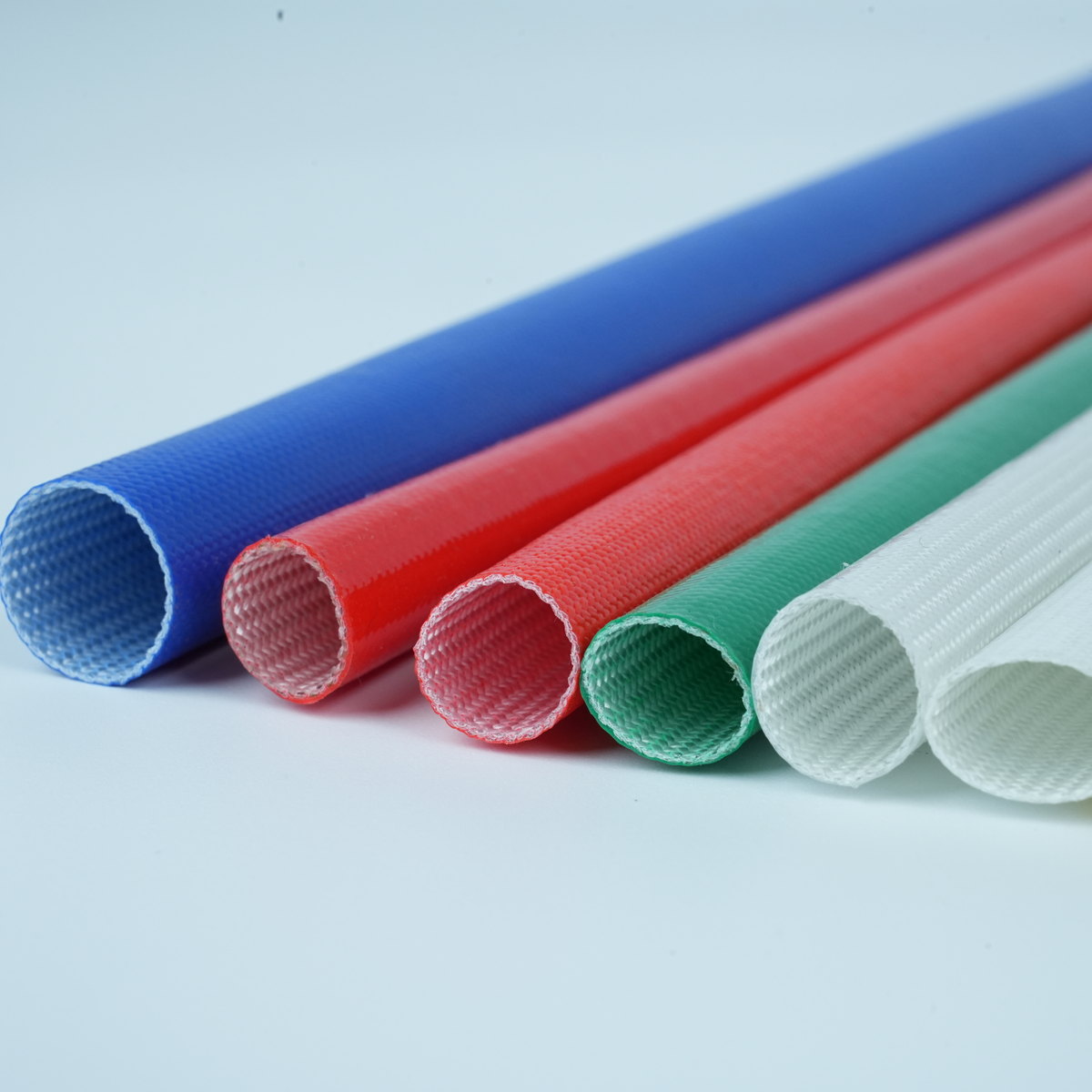
Dense wire harness layouts present unique challenges in modern industrial and automotive applications. When conductors are packed tightly together, managing thermal stress, mechanical protection, and electrical safety becomes critical. fiberglass sleeving has emerged as a reliable solution for protecting these complex wiring configurations. Proper planning of fiberglass sleeving installation ensures durability, maintains compliance with safety standards, and extends the operational lifespan of electrical systems.
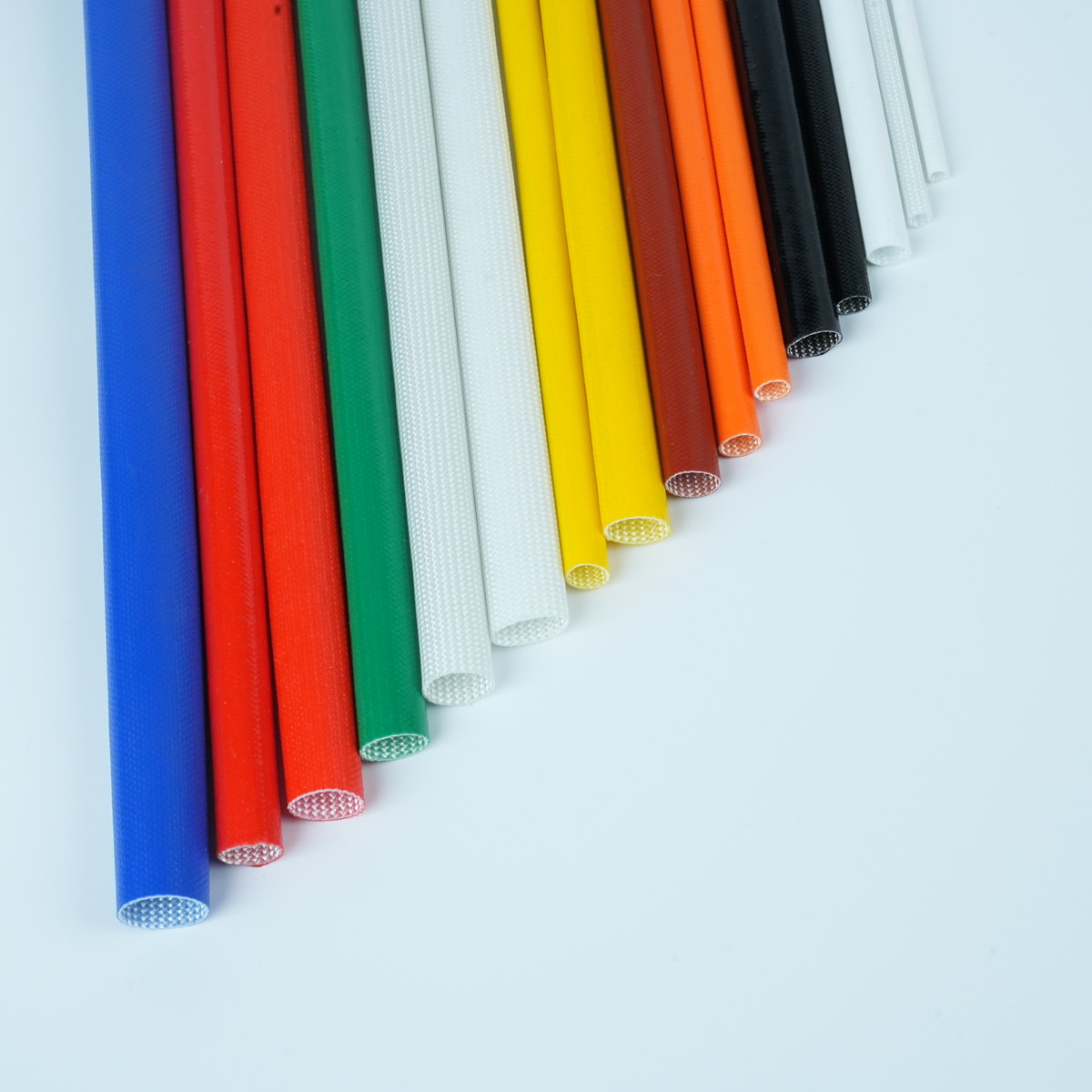
Understanding the fundamentals of fiberglass sleeving selection and placement methodology is essential before deploying it in automotive wiring systems. The planning phase determines not only the material specifications required but also the installation sequence, maintenance intervals, and long-term performance outcomes. This comprehensive approach prevents costly rework, minimizes downtime, and ensures your wire harness layout meets both current and anticipated operational demands.
Assessing Wire Harness Density and Protection Requirements
Evaluating Harness Complexity and Space Constraints
Dense wire harness layouts demand careful inventory of conductor count, bundle diameter, and routing pathways. Begin by mapping the physical layout of all cables within the designated space, noting areas of high proximity where mechanical friction or thermal cross-coupling may occur. In automotive wiring applications, this assessment identifies which segments require additional protection through high temperature insulation. Understanding the spatial constraints allows engineers to select appropriately sized fiberglass sleeving that accommodates the bundle without restricting airflow or creating installation difficulties.
Identifying Thermal and Environmental Stress Points
Heat resistance becomes paramount in applications near engine compartments, exhaust systems, or high-powered electrical components. Evaluate temperature gradients along the harness route and identify zones where ambient conditions exceed standard operating ranges. Dense wire configurations naturally trap heat, so fiberglass sleeving with superior thermal properties prevents insulation degradation and maintains electrical safety. Environmental factors such as moisture, vibration, and chemical exposure should also influence your sleeving material selection. This systematic assessment forms the foundation of your protection strategy and justifies investment in premium-grade materials.
Determining Wall Thickness and Material Grade
Fiberglass sleeving comes in multiple wall thicknesses and material compositions, each suited to different duty cycles. For dense wire harnesses in automotive wiring environments, thicker walls provide enhanced mechanical protection and better heat resistance. Standard grades offer basic insulation, while premium formulations incorporate silicone binders and reflective coatings that amplify high temperature insulation performance. Calculate the thermal demands of your application, factoring in worst-case scenarios where multiple power-intensive circuits operate simultaneously. Select a material grade that maintains its structural integrity and electrical properties throughout the expected harness lifespan.
Calculating Bundle Diameter and Sleeving ID
Accurate sizing prevents over-compression, which restricts cooling airflow and degrades heat resistance characteristics. Measure the compressed bundle diameter when all conductors are arranged according to their final routing configuration. The inner diameter of your fiberglass sleeving should accommodate this bundle with minimal clearance, typically 1/16 inch to 1/8 inch of space. Over-sizing reduces mechanical protection effectiveness, while under-sizing complicates installation and may damage conductor insulation. Consult manufacturer specifications for expansion coefficients across the expected temperature range, particularly in automotive wiring systems subject to thermal cycling.
Installation Planning and Implementation Strategy
Sequencing Installation for Dense Configurations
Planning the assembly sequence ensures fiberglass sleeving integrates smoothly without requiring harness disassembly or rerouting. In dense layouts, slide sleeving onto individual conductor groups before final bundle assembly when practicable. For post-assembly applications, use split sleeving or spiral-wrap fiberglass to enable retrofitting without major harness deconstruction. Document the installation sequence in assembly work instructions, specifying sleeving type, location markers, and securing method for each segment. This structured approach minimizes installation time and reduces the risk of improper placement that compromises heat resistance or leaves vulnerable conductor zones.
Securing Sleeving and Maintaining Harness Integrity
Fiberglass sleeving must remain positioned throughout the harness operational life despite vibration, thermal expansion, and mechanical stress. Use stainless steel cable ties, adhesive-backed fasteners, or specialized sleeving anchors to maintain alignment at transitions, branches, and termination points. In automotive wiring applications subject to high temperature insulation demands, verify that securing methods themselves withstand thermal cycling without degradation. Create tie-down points at intervals of 12 to 18 inches in horizontal runs and 8 to 12 inches in vertical or dynamic segments. Testing the secured bundle against industry vibration standards validates that fiberglass sleeving remains stable under operational conditions.
FAQ
What thickness of fiberglass sleeving works best for automotive wiring in engine compartments?
Engine compartment environments typically require 0.05 to 0.075 inch wall thickness for optimal heat resistance and mechanical protection. Thicker fiberglass sleeving handles sustained temperatures above 200°C more effectively, maintaining electrical insulation properties and preventing premature degradation. The exact specification depends on proximity to heat sources and the specific high temperature insulation rating required by your vehicle platform. Consult OEM specifications and thermal simulation results to confirm the appropriate grade for your dense wire harness layout.
How does fiberglass sleeving compare to other insulation methods for dense wire harnesses?
Fiberglass sleeving provides superior cost-efficiency and durability compared to rubber tubing or spiral wrap alternatives. Its flame-resistant properties, heat resistance characteristics, and resistance to petroleum-based fluids make it ideal for automotive wiring and industrial applications. Dense wire harnesses benefit particularly from fiberglass sleeving's dimensional stability, which prevents slippage or compression under thermal cycling. Individual conductor wrapping requires substantially more labor, while bulk enclosures reduce serviceability. Fiberglass sleeving balances protection, accessibility, and long-term total cost of ownership.
Can fiberglass sleeving be reused if the wire harness is reconfigured?
Reusability depends on the sleeving condition and the extent of reconfiguration. Standard continuous-length fiberglass sleeving can sometimes be recovered intact, though mechanical stress during removal may compromise its integrity. Specialized split or spiral-wrap fiberglass sleeving options enable easier removal and relocation without damage. For automotive wiring systems requiring frequent modifications or those with high temperature insulation demands, treating fiberglass sleeving as a consumable part simplifies cost accounting and ensures consistent protection quality. Always inspect recovered sleeving for cracks, burns, or thermal degradation before reinstallation.
 EN