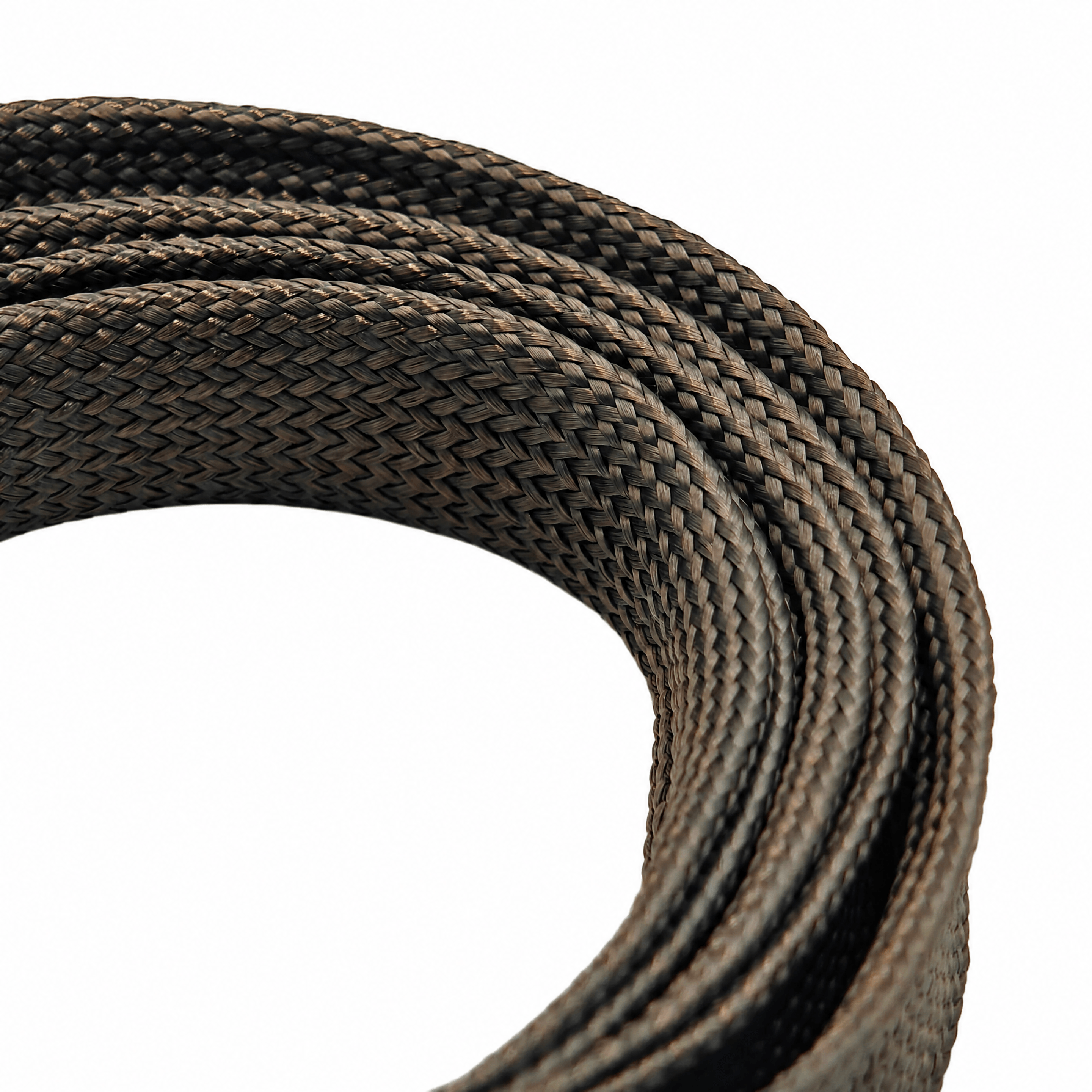
Selecting and integrating a wire harness sleeve into your cable protection strategy requires understanding how individual components work together to deliver comprehensive protection for automotive wiring systems. A wire harness sleeve serves as a foundational layer of defense, but its effectiveness multiplies when paired strategically with complementary cable protection solutions. This integrated approach ensures that your wiring harnesses resist abrasion, environmental stress, and mechanical damage throughout their operational lifespan.
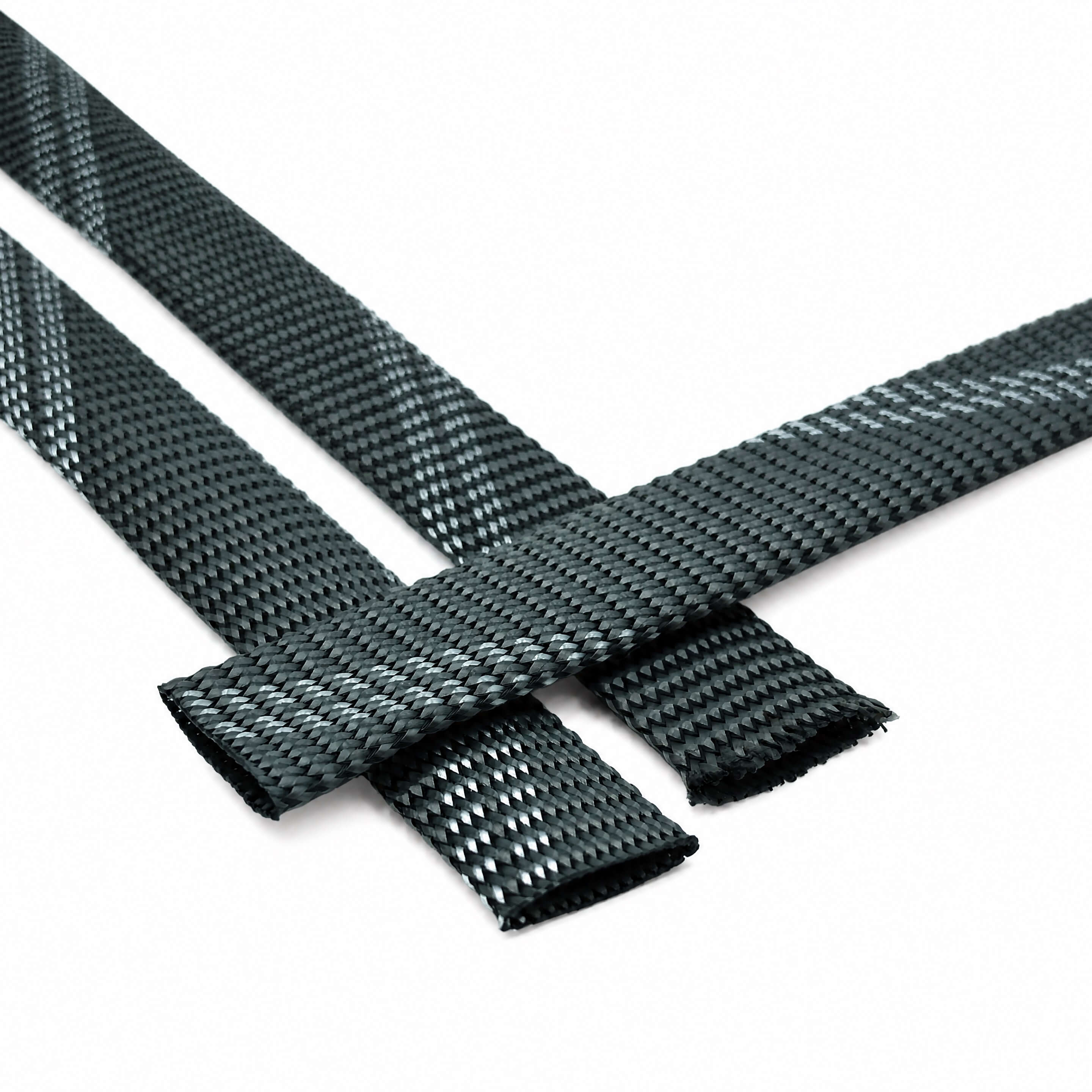
Proper cable protection in automotive environments demands more than a single material or product type. The pressures of engine compartments, the exposure to fluids and extreme temperatures, and the constant vibration all require layered defense mechanisms. By understanding how a wire harness sleeve complements other protective components, you can design systems that maximize durability and minimize costly failures in the field.
Understanding Wire Harness Sleeve Compatibility
Material Selection for Integration
When pairing a wire harness sleeve with other cable protection components, material compatibility becomes critical. Automotive wiring systems often require sleeves made from polyester, nylon, or braided materials that offer specific abrasion resistance characteristics. These materials must not react chemically with adhesives, wrapping tapes, or conduit materials used alongside them. The cable protection ecosystem relies on each element maintaining its structural integrity while working harmoniously with adjacent layers.
Different sleeve materials provide varying levels of abrasion resistance and flexibility. Braided sleeves excel at protecting against sharp edges and mechanical stress, while spiral-wrapped varieties offer easier installation around complex wire bundles. When selecting your wire harness sleeve, verify that its thermal properties align with the other cable protection components in your system, especially if combining with heat-shrink tubing or rigid conduits that may expand or contract differently under temperature fluctuations.
Dimensional Planning and Spacing
Successful integration of cable protection requires precise measurement of wire bundle diameters before selecting sleeve sizes and complementary components. An oversized wire harness sleeve creates gaps where other protective materials cannot seat properly, compromising overall abrasion resistance. Conversely, an undersized sleeve may crush delicate conductors or prevent proper installation of associated components like connectors, clips, or strain relief devices that are essential for automotive wiring stability.
Document the exact cross-sectional dimensions of your wire bundle along its entire length, as automotive harnesses often vary in diameter at different points. This measurement guides your choice of a wire harness sleeve and informs spacing decisions for wrapping tapes, conduit adapters, or heat-shrink elements. Proper dimensioning ensures that all cable protection components nest together without overlapping or creating stress concentration points.
Layering Cable Protection Effectively
Primary and Secondary Protection Roles
A comprehensive cable protection strategy treats the wire harness sleeve as the primary abrasion barrier, with secondary components addressing specific environmental or mechanical threats. In automotive applications, the sleeve typically provides the first line of defense against sharp edges, vibration-induced wear, and surface contact damage. Secondary elements such as conduit, wrapping tape, or spiral wrapping add redundancy by protecting against fluid ingress, UV degradation, or additional mechanical stress in particularly demanding areas.
Layering architecture matters significantly when combining multiple cable protection products. A wire harness sleeve placed closest to the wires creates immediate abrasion resistance, while a secondary conduit or outer wrap adds protection against external environmental factors. This dual-layer approach is especially valuable in engine compartments where wiring faces simultaneous threats from heat, oil splatter, vibration, and mechanical contact with moving components or sharp chassis edges.
Transition Zones and Connection Points
Transition zones where a wire harness sleeve connects to other cable protection components represent vulnerability points that demand careful attention. These junctions must be sealed and reinforced to prevent unraveling, moisture ingress, or misalignment that compromises abrasion resistance across the entire harness. Use appropriate adhesive wraps, heat-shrink sleeves, or mechanical fasteners at transition points to maintain structural continuity and ensure that cable protection remains effective where components interface.
Connection points between the wire harness sleeve and conduit, strain relief grommets, or connector backshells require specific preparation techniques. Verify that adhesives used for bonding are compatible with both sleeve material and adjacent component materials. Mechanical fastening options such as cable ties or clips work well in applications where thermal cycling may stress adhesive bonds, and they provide the additional benefit of allowing future maintenance or wire bundle modifications without damaging protective layers.
Optimizing Abrasion Resistance in Assembly
Environmental Exposure Considerations
Automotive wiring systems encounter diverse environmental stresses that demand coordinated cable protection strategies. Engine compartments expose wiring to oils, coolants, and extreme temperature swings that degrade certain materials faster than others. A wire harness sleeve paired with appropriate secondary protection, such as fluid-resistant conduit or UV-protective wrapping, creates a complete defense against environmental degradation while maintaining abrasion resistance for mechanical threats.
Temperature cycling in automotive environments accelerates material fatigue at junction points between protective components. Select a wire harness sleeve and complementary cable protection materials with matching thermal expansion coefficients to minimize stress at interfaces. This coordinated material selection prevents the separation or misalignment that would expose wires to abrasion damage during repeated heating and cooling cycles typical of engine operation.
Installation Best Practices
Proper installation methodology ensures that a wire harness sleeve and all accompanying cable protection components work together as designed. Begin by pre-assembling components in the correct sequence before final harness assembly, allowing you to identify potential fit issues or material incompatibilities in a controlled environment rather than during vehicle production or field repair. This staged approach catches problems early and ensures that abrasion resistance is optimized across every section of the protected wiring.
Train technicians on the specific requirements for your cable protection system, including proper sleeve orientation, appropriate tension for wrapping materials, and correct fastening techniques at junction points. Insufficient tension or poor alignment of a wire harness sleeve creates folds or bunching that reduce abrasion resistance and allow wires to shift within the protective layers. Conversely, excessive tension during installation may crush the sleeve or create stress points that become failure initiation sites during service.
FAQ
What is the main function of a wire harness sleeve in cable protection systems?
A wire harness sleeve serves as the primary abrasion barrier in cable protection systems, shielding individual wires and wire bundles from mechanical damage caused by friction, sharp edges, and vibration. In automotive wiring applications, it provides the foundational layer of defense that is often enhanced with secondary components for comprehensive protection against environmental and mechanical stresses throughout the harness lifecycle.
How do I ensure compatibility between a wire harness sleeve and other cable protection components?
Verify that all materials have compatible thermal properties, similar expansion coefficients, and chemical compatibility with adhesives or fasteners used in assembly. Measure wire bundle dimensions accurately to ensure proper sleeve sizing, and test material combinations in your specific application environment before full-scale deployment. Proper material selection and validation prevent failures at component interfaces where abrasion resistance could be compromised.
Can a wire harness sleeve replace all other cable protection components in automotive wiring?
While a wire harness sleeve provides excellent abrasion resistance and mechanical protection, comprehensive cable protection typically requires multiple complementary components addressing specific threats such as fluid ingress, UV degradation, thermal cycling, and environmental exposure. A layered approach combining the sleeve with conduit, wrapping materials, or heat-shrink elements delivers superior performance compared to relying on a single protective product in demanding automotive environments.
 EN