Incoming inspection of fiberglass sleeving is a critical quality control checkpoint that protects your manufacturing process and final product reliability. When raw materials arrive at your facility, many procurement teams skip detailed inspection protocols, assuming supplier certifications are sufficient. This approach creates hidden risks, particularly with high temperature insulation materials where performance failures can lead to safety incidents, production downtime, or warranty claims. Implementing a structured inspection methodology ensures that every batch of fiberglass sleeving meets your operational specifications before integration into assembly processes.
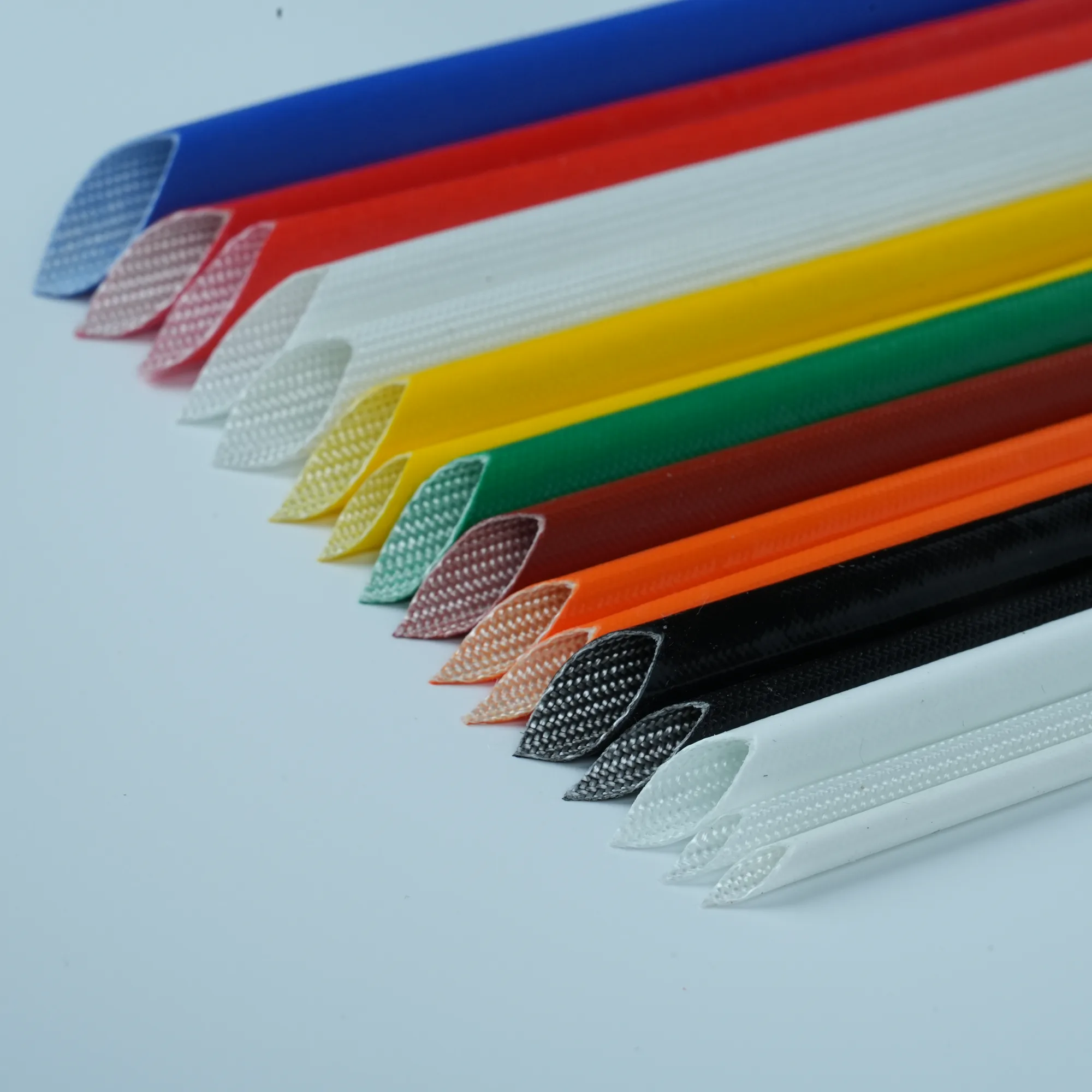
The quality assessment process for fiberglass sleeving combines visual examination, dimensional verification, and material property testing. Because these materials provide essential wire protection in demanding thermal and electrical environments, deviations in manufacturing can compromise performance. Your incoming inspection framework must address both obvious defects and subtle variations that testing equipment might miss. Understanding what constitutes acceptable quality versus reject criteria enables your team to make confident decisions at the receiving dock, preventing downstream complications.
Visual and Physical Examination Standards
Surface Condition and Defect Detection
Begin by examining the physical appearance of fiberglass sleeving samples from each shipment. Look for weaving irregularities, fiber breakage, separation of layers, or contamination embedded in the material. High quality fiberglass sleeving should display uniform weave patterns without visible gaps, fraying, or foreign material. Surface defects often indicate manufacturing inconsistency or improper storage handling. Check for discoloration, which may signal thermal degradation during production or exposure to environmental factors. Place samples against consistent lighting to spot visual anomalies that might be missed under standard warehouse illumination.
Dimensional Consistency Verification
Measure internal diameter, external diameter, and wall thickness at multiple points along sample lengths. Fiberglass sleeving dimension tolerance directly impacts fit during assembly and the integrity of wire protection during operation. Use calibrated micrometers or digital calipers to verify measurements at minimum five positions per sample. Record all measurements and compare against your specification sheet. Dimensional drift often correlates with inconsistent fiber tension or resin impregnation during the supplier's manufacturing process. If measurements fall outside tolerance, reject the entire batch and communicate findings to your supplier. Consistency across repeated samples from the same batch indicates reliable production control at the source.
Material Property and Performance Testing
High Temperature Insulation Performance
High temperature insulation capability represents the primary functional requirement for most fiberglass sleeving applications. Conduct brief thermal exposure tests by heating sample sections to the maximum rated temperature specified in your requirements. Observe whether the material maintains structural integrity, resists softening, and retains its protective properties. Some incoming inspection programs implement flex testing at elevated temperatures to simulate real-world stress conditions. Document thermal stability by noting any shrinkage, brittleness, or delamination after cooling. If your application involves continuous thermal cycling, prioritize this testing. High quality fiberglass sleeving should show negligible dimensional change and no surface deterioration after thermal exposure.
Electrical Insulation Resistance Assessment
Electrical insulation resistance testing validates the material's dielectric capability for wire protection in powered applications. Use a calibrated megohmmeter to measure insulation resistance across the sleeving thickness at standardized voltage levels. Record baseline measurements and compare against supplier specifications. Moisture absorption can degrade electrical insulation performance, so test samples stored in your facility environment as well as newly received material. If insulation resistance drops below specification, investigate storage conditions and drying protocols before rejecting the batch. This testing step prevents installation of compromised wire protection that could create safety hazards or intermittent failures in service.
Documentation and Batch Traceability Management
Record-Keeping and Specification Alignment
Establish standardized inspection documentation that captures lot number, supplier identification, received date, visual findings, dimensional measurements, and test results. Fiberglass sleeving specifications should include material composition, resin type, fire rating, temperature range, and intended application. Cross-reference incoming batches against your purchase order requirements to confirm that received material matches ordered specifications. Maintain traceability records linking each batch to finished products containing that material. This documentation protects your company during quality disputes, warranty claims, or regulatory audits. Digital inspection systems enable real-time data capture and instant comparison against specification thresholds, reducing manual error.
Supplier Communication and Corrective Action
When incoming inspection reveals deficiencies, communicate findings promptly to your supplier with specific data and photographic evidence. Establish clear reject criteria and expected response timelines for replacement shipments. Request that suppliers provide process capability documentation demonstrating how they maintain consistency in fiberglass sleeving production. Collaborative quality improvement discussions often uncover root causes such as seasonal material variations, new equipment parameters, or storage condition issues. Regular supplier performance reviews reinforce quality expectations and identify patterns across multiple shipments. This partnership approach strengthens your supply chain resilience and reduces long-term defect rates affecting wire protection reliability and high temperature insulation performance.
FAQ
What specific measurements should I take when inspecting fiberglass sleeving?
Measure internal diameter, external diameter, and wall thickness at minimum five positions along each sample, using calibrated micrometers or digital calipers. Record all values and compare against your specification sheet tolerance ranges. This dimensional consistency verification ensures proper fit during assembly and confirms that wire protection will function as designed. Additionally, check for uniformity in weave pattern and surface texture across the sample length, as variations may indicate production control issues.
How do I test high temperature insulation properties during incoming inspection?
Heat sample sections of fiberglass sleeving to your maximum rated operating temperature and observe for shrinkage, brittleness, delamination, or surface deterioration. Some inspection programs include flex testing at elevated temperature to simulate real-world stress. Allow samples to cool and document any permanent dimensional changes. This testing validates that the material will maintain structural integrity and thermal performance in actual service conditions where electrical insulation and wire protection are critical.
What documentation should I maintain for fiberglass sleeving incoming inspection?
Record lot number, supplier name, received date, visual examination findings, all dimensional measurements, thermal test results, electrical insulation resistance values, and final disposition (accept or reject). Link each batch to the purchase order and maintain traceability to finished products. This documentation protects your company during warranty issues, regulatory audits, or quality disputes. Digital systems enable instant comparison against specifications and support trend analysis across multiple shipments to identify systematic supplier performance patterns.
 EN







