Selecting the right fiberglass sleeving for your manufacturing process requires careful evaluation before committing to full production runs. Many manufacturers rush this critical step, only to discover compatibility issues, performance gaps, or quality inconsistencies after thousands of units have been produced. A structured evaluation process protects your investment, ensures product reliability, and prevents costly rework or supply chain disruptions.
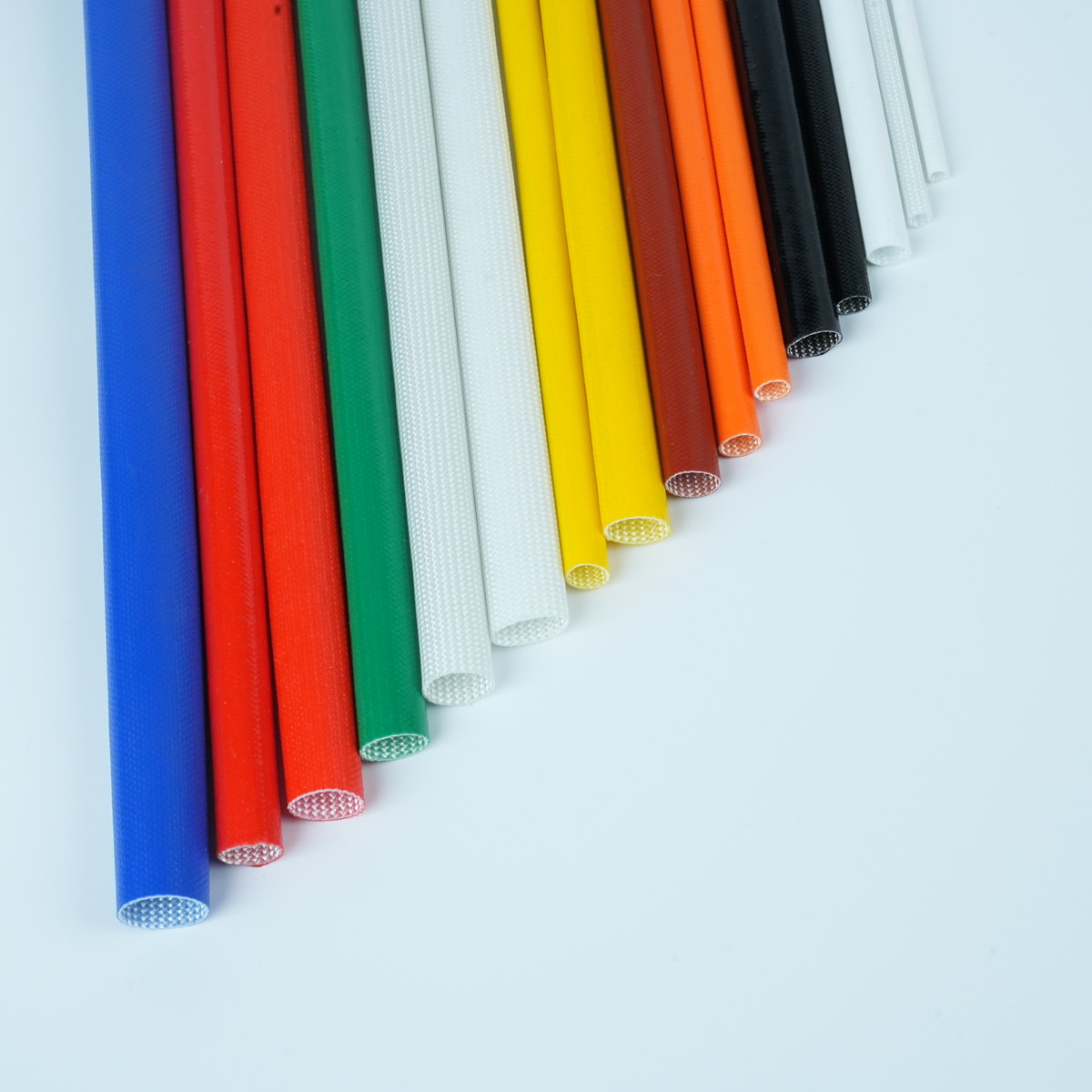
Evaluating fiberglass sleeving samples involves multiple dimensions: material consistency, heat resistance performance, compatibility with your cable sleeving requirements, and dimensional accuracy. Each dimension directly impacts whether the material will perform reliably in your specific application, from automotive wiring harnesses to industrial control systems. This guide walks you through a practical evaluation framework that B2B manufacturers use to qualify suppliers and lock in production specifications with confidence.
Understanding Key Performance Criteria for Fiberglass Sleeving
Heat Resistance and Temperature Range Validation
Heat resistance is often the primary reason manufacturers choose fiberglass sleeving over plastic alternatives. During sample evaluation, you must verify that the material meets your declared temperature rating under actual operating conditions. Request samples rated for temperatures above your highest expected use case, then conduct thermal testing at the upper limit plus a safety margin to ensure the material does not soften, shrink, or degrade prematurely.
For automotive wiring applications, test samples at temperature cycles that mimic engine compartment conditions, including rapid heating and cooling. Measure any visible shrinkage, color change, or loss of tensile strength after thermal cycling. Many suppliers provide standard heat resistance certifications, but independent testing of physical samples gives you confidence that the batch quality matches the datasheet promise. Document all thermal test results before proceeding to pilot production.
Cable Sleeving Dimensional Consistency
Measure inner and outer diameters across multiple points on each sample length using precision calipers or micrometers. Cable sleeving that varies too widely in diameter creates assembly problems, gaps in insulation coverage, or poor fit on your wiring harness. Establish tight tolerance bands based on your assembly equipment capabilities, then verify that supplier samples consistently stay within those bands across the full sample spool or batch.
Check the wall thickness uniformity as well, since thin spots may compromise heat resistance or mechanical protection. Request samples from at least three different production lots if possible, since single-sample evaluation may miss batch-to-batch variation. If dimensional drift is evident, negotiate tighter process controls with the supplier before moving to volume production.
Mechanical and Chemical Property Assessment
Tensile Strength and Flexibility Testing
Fiberglass sleeving must retain sufficient flexibility to slide over cables and connectors without cracking or splitting. Pull test samples by hand to assess baseline flexibility and identify brittleness or excessive rigidity. Then conduct formal tensile testing in a materials lab if the application is mission-critical, such as aerospace or high-reliability automotive wiring systems. Compare the sample performance against your material specification sheet and industry standards like UL or IEC ratings.
Pay special attention to flexibility after thermal cycling, since some formulations become brittle after repeated heat exposure. Test samples that have been thermally cycled as described above, then re-evaluate their flexibility. This dual-state assessment catches degradation that static room-temperature testing would miss.
Chemical and Moisture Resistance Evaluation
Industrial environments expose cable sleeving to oils, coolants, moisture, and other chemical agents that can degrade fiberglass resin binders. Immerse sample sections in representative fluids used in your manufacturing or operating environment for a period matching real exposure duration, then inspect for discoloration, softening, or surface degradation. Measure weight change before and after immersion to quantify moisture absorption.
For automotive wiring harnesses, test samples in contact with engine oil, brake fluid, and salt-laden moisture to ensure the fiberglass sleeving maintains its integrity. Document any swelling, shrinkage, or resin leaching that could compromise performance or aesthetics in the final assembly.
Production Feasibility and Quality Control Integration
Assembly Compatibility and Slip-On Performance
Conduct assembly trials with actual samples using your production equipment and techniques. Thread or slide the fiberglass sleeving over your cable harness mockups to identify any friction, binding, or damage during handling. Some cable sleeving materials have too high a coefficient of friction, requiring lubrication or equipment modifications that add cost or complexity. Others are too loose, leading to shifting or coverage gaps.
Test sleeving application rates and failure modes with your assembly team present. Ask them to report any difficulty handling the material, unusual breakage patterns, or techniques they develop to work around material characteristics. This frontline feedback often reveals practical issues that lab testing alone would not detect, especially for automotive wiring applications involving high-volume assembly.
Supplier Documentation and Traceability
Request from your fiberglass sleeving supplier complete documentation including material batch numbers, test certificates, manufacturing date, and shelf life information. Establish a clear specification document that defines your acceptance criteria for heat resistance, dimensional tolerance, tensile strength, and any other performance requirement. Have both parties sign this specification so there is no ambiguity about what you are purchasing.
Confirm that the supplier can consistently provide traceability for every production lot, enabling you to link field failures or quality issues back to specific manufacturing batches. This accountability is essential for warranty compliance, recall management, and continuous improvement in automotive wiring and other regulated industries. Request sample retention protocols so you can audit stored material if questions arise later during production.
FAQ
What is the most common issue discovered during fiberglass sleeving sample evaluation?
The most common issue is inconsistent heat resistance performance after thermal cycling. Samples that meet datasheet specifications at static room temperature may soften or shrink excessively when subjected to repeated heating and cooling cycles that mimic real automotive wiring or industrial use. This is why thermal cycling testing during evaluation is so critical; it catches suppliers whose fiberglass sleeving formulations look good on paper but fail in practice.
How many samples should I test before approving a fiberglass sleeving supplier?
Evaluate samples from at least three different production lots spanning several weeks of supplier output. Testing samples from only a single lot may coincide with an atypical high-quality batch, while multiple lots reveal whether the supplier maintains consistent quality. For cable sleeving destined for automotive wiring or other high-reliability applications, consider also requesting split samples from edge positions in each production run, since material edge zones sometimes exhibit different properties.
How long should I store evaluation samples before testing cable sleeving quality?
Store samples in a temperature-controlled, dry environment at room temperature for a baseline test immediately upon receipt. Then conduct a second round of testing after 6 to 12 months of storage to assess whether the fiberglass sleeving and its resin binder degrade over time or lose performance properties due to age. Heat resistance and flexibility should remain consistent if the material is formulated for long shelf life. Degradation during storage signals a need for tighter inventory rotation or different storage conditions in your production facility.
 EN







