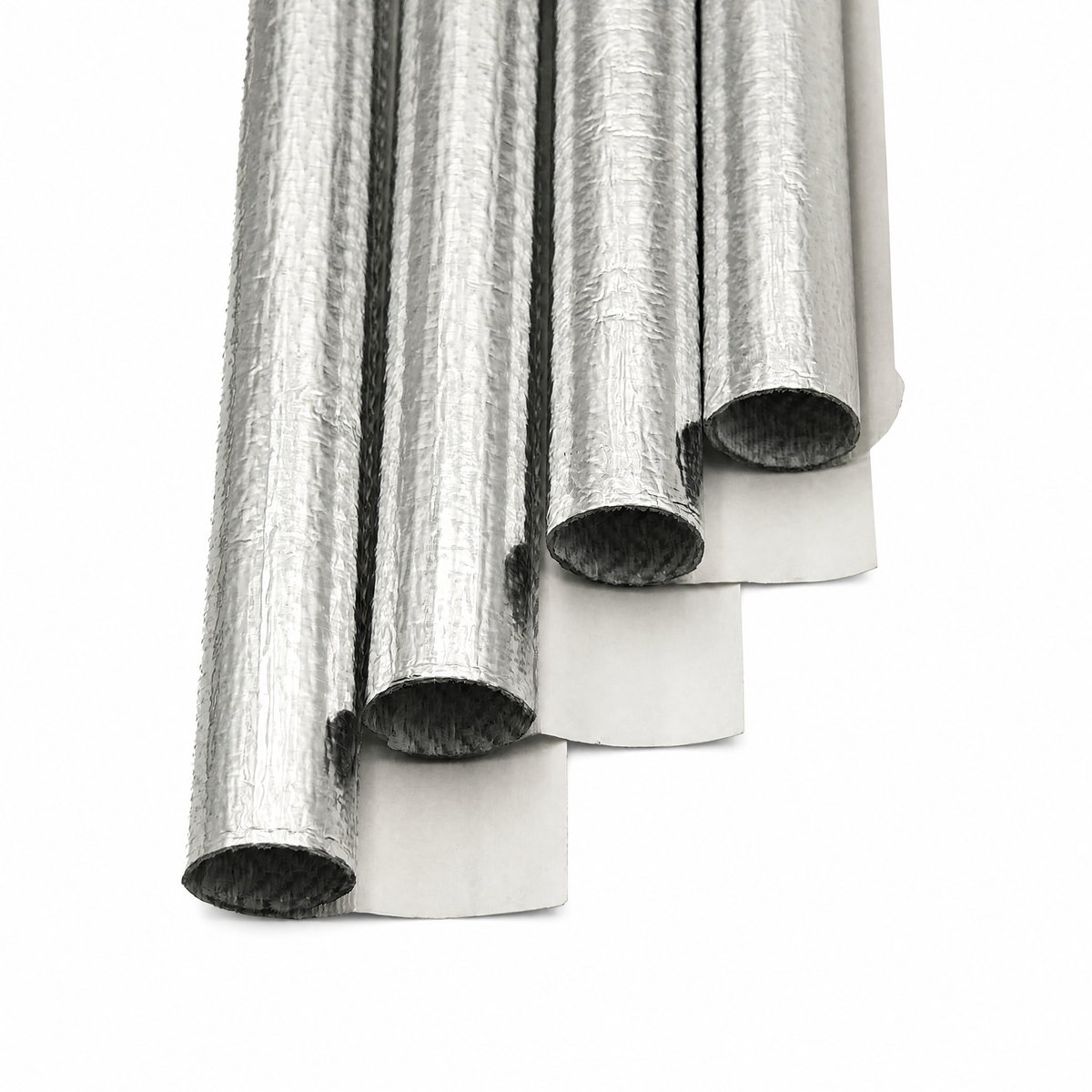
Selecting the right wire harness sleeve requires a thorough understanding of both coverage area and flexibility characteristics. In automotive wiring applications, the protective layer surrounding cables must balance comprehensive shielding with the ability to bend, twist, and conform to complex harness geometries. Many engineers and procurement teams struggle to identify which sleeving products truly meet their protection and installation requirements, leading to costly field failures or oversized specifications that inflate costs.
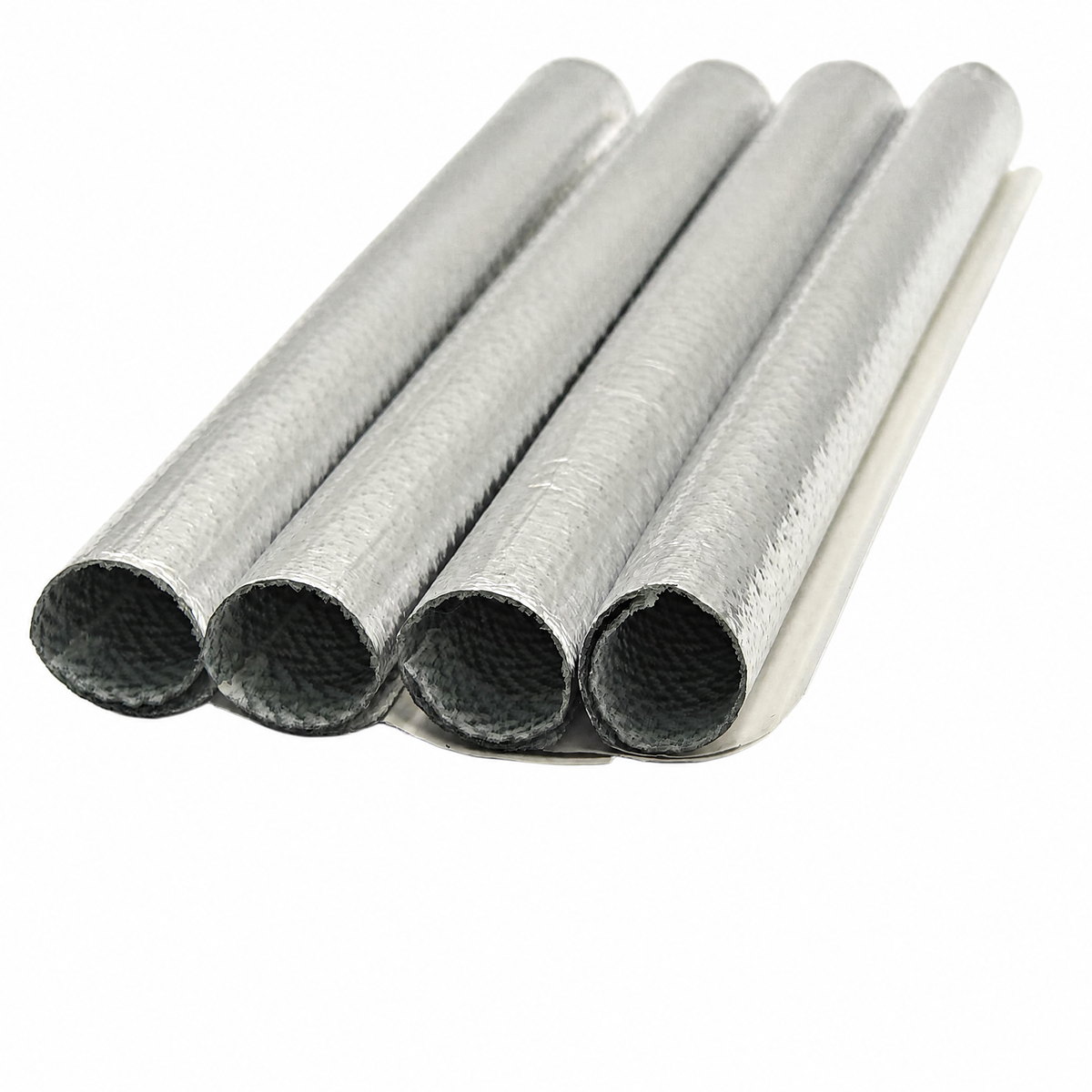
Coverage and flexibility are not independent properties. A sleeving solution must deliver adequate abrasion resistance while remaining compliant enough to wrap around tightly-bundled wire groups, route through constrained engine compartments, and accommodate vibration without cracking or peeling away from the harness surface. This article walks you through the key evaluation criteria and testing methods that distinguish premium wire sleeving from generic alternatives, enabling you to make confident purchasing decisions aligned with your application demands.
Understanding Coverage Requirements in Automotive Wiring Applications
Assessing Protective Barrier Thickness and Material Composition
The protective capability of any wire sleeving product depends on material thickness and chemical composition. Thicker sleeves offer superior abrasion resistance against mechanical wear, chemical exposure, and thermal stress, but excessive thickness reduces flexibility and adds cost. In automotive wiring environments, optimal thickness typically ranges between 0.5 and 1.5 millimeters, depending on the specific hazards the harness encounters. Material selection—whether polyester, nylon, fiberglass, or thermoplastic—directly influences both abrasion resistance and flame-retardant properties required by automotive safety standards.
Measuring Coverage Uniformity and Seal Integrity
Consistent wall thickness across the entire sleeve ensures uniform abrasion resistance along the entire harness length. Coverage gaps, thin spots, or areas where the sleeving pulls away from the cable allow contaminants, moisture, and mechanical abrasion to reach the conductor. When evaluating a wire harness sleeve product, physically inspect multiple sections of the sleeving to confirm uniform wall coverage. Check whether the sleeve maintains contact with the underlying harness during installation and under simulated vibration conditions. Seal integrity at the sleeve ends—whether taped, glued, or mechanically crimped—prevents liquids and contaminants from entering the protected cavity and compromising wire insulation over time.
Evaluating Flexibility and Installation Feasibility
Testing Bend Radius and Conformability
Flexibility determines whether a wire harness sleeve can conform to the three-dimensional routing path of your actual harness without bunching, wrinkling, or creating stress points at bends. A material with excessive stiffness forces installers to use additional clamps, adhesives, or routing guides, complicating assembly and increasing labor cost. Conversely, overly flexible sleeving may not provide enough structural support under vibration, collapsing onto the inner wires and reducing the protective air gap. Test the sleeve by hand-wrapping it around a mandrel matching your harness diameter, then gradually decrease the mandrel diameter until the sleeve shows visible creasing or stress. The minimum bend radius should be no more than two to three times the sleeve outer diameter for most automotive applications.
Assessing Installation and Unraveling Characteristics
Good wire sleeving balances enough rigidity to hold its shape during handling with enough compliance to unravel smoothly as you feed it over bundled wires. Sleeving that unravels too easily creates loose strands during installation; sleeving that resists unraveling wastes labor time and frustrates technicians. For automotive wiring harnesses, the ideal sleeve unravels evenly, requires minimal pulling force, and maintains its diameter as you feed it along the bundle. If your application involves frequent routing changes or rework, prioritize sleeving with excellent flexibility. If the harness runs along a fixed path in a controlled environment, you can tolerate slightly stiffer materials that offer superior abrasion resistance and a longer operational lifespan.
Critical Evaluation Factors for Abrasion Resistance and Long-Term Performance
Understanding Abrasion Resistance Testing Standards
Automotive wiring sleeves must resist abrasion from vibration, thermal cycling, chemical exposure, and contact with sharp edges or moving parts. Industry standards such as SAE J2030 and UL specifications define abrasion resistance through controlled testing methods, typically involving a rotating drum that rubs the sleeving against a standard abrading surface for a defined cycle count. A wire harness sleeve that passes 10,000 abrasion cycles may fail after 50,000 cycles under real automotive duty, depending on the specific engine compartment environment. When evaluating products, request test data showing cycle counts at the severity level matching your application—underhood high-vibration environments demand higher abrasion cycle ratings than under-floor cable routing.
Balancing Flexibility with Durability Trade-Offs
More flexible sleeving typically comprises softer polymers or thinner material cross-sections, which may exhibit lower abrasion resistance than stiffer, thicker options. Conversely, maximum abrasion resistance often comes from rigid materials that compromise installation flexibility. The key evaluation strategy involves defining your application's dominant stressor—if vibration-induced abrasion is the primary failure mode, prioritize abrasion resistance over flexibility; if installation feasibility and routing complexity drive decisions, flexibility becomes the dominant criterion. Document the specific automotive wiring duty profile: engine compartment temperatures, chemical exposure from fuel and coolant, vibration severity levels, and space constraints. This profile guides selection toward the wire sleeving option that delivers balanced performance across your critical failure modes without over-specifying in areas that don't matter for your harness.
FAQ
What is the typical lifespan of an automotive wire harness sleeve under normal conditions?
A quality wire harness sleeve designed for automotive wiring applications typically provides 5 to 10 years of effective protection under normal underhood conditions, assuming correct material selection, proper abrasion resistance, and installation practices. The actual lifespan depends heavily on engine compartment temperature extremes, vibration severity, chemical exposure, and the inherent flexibility and durability properties of the sleeving material. Sleeves experiencing extreme thermal cycling or high-vibration environments may degrade faster, while protected under-floor routing can extend service life substantially.
How do I determine if a wire harness sleeve offers sufficient abrasion resistance for my application?
Request specification sheets confirming abrasion resistance test results at cycle counts matching your automotive wiring severity level. Compare the sleeving material composition and wall thickness to competitor products and industry standards such as SAE J2030. Conduct sample testing by simulating your installation environment—wrap a prototype sleeve around your actual harness geometry, apply vibration stress, and inspect for damage after 2,000 to 5,000 operational hours. Consult OEM guidelines for your vehicle platform, which typically specify minimum abrasion resistance requirements and material compatibility for engine compartment applications.
Can flexible cable sleeves maintain consistent coverage through repeated bending cycles?
Yes, well-engineered flexible wire sleeving maintains consistent coverage through repeated bending when manufactured from durable polymers with balanced flexibility and structural integrity. However, excessive flexibility combined with thin wall thickness can allow the sleeve to compress or shift under vibration, creating localized coverage gaps where underlying wires become exposed. Evaluate the sleeving's ability to maintain contact with the harness under dynamic vibration testing, and confirm that the material resists permanent deformation after thousands of bend cycles. This combination of flexibility and dimensional stability ensures long-term abrasion resistance and reliable protection throughout the wire harness sleeve's service life.
 EN