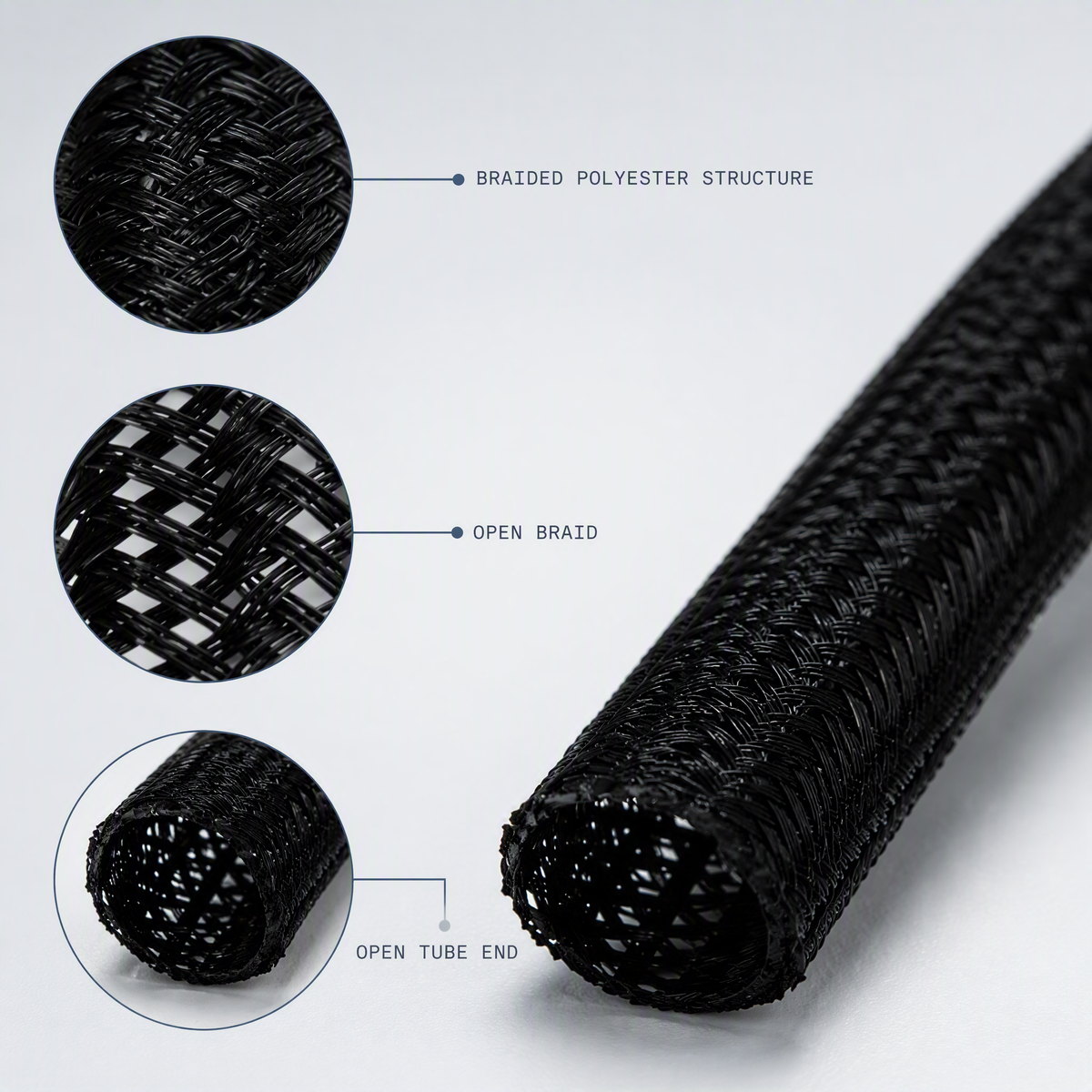
Selecting the right cable protection solution requires understanding how coverage, flexibility, and durability work together. Whether you manage industrial electrical systems, telecommunications networks, or complex machinery installations, the ability to assess cable wrap effectiveness determines long-term performance and safety. A self closing wrap offers distinct advantages in cable management by combining protective coverage with adaptability to varying cable bundle sizes and routing configurations.
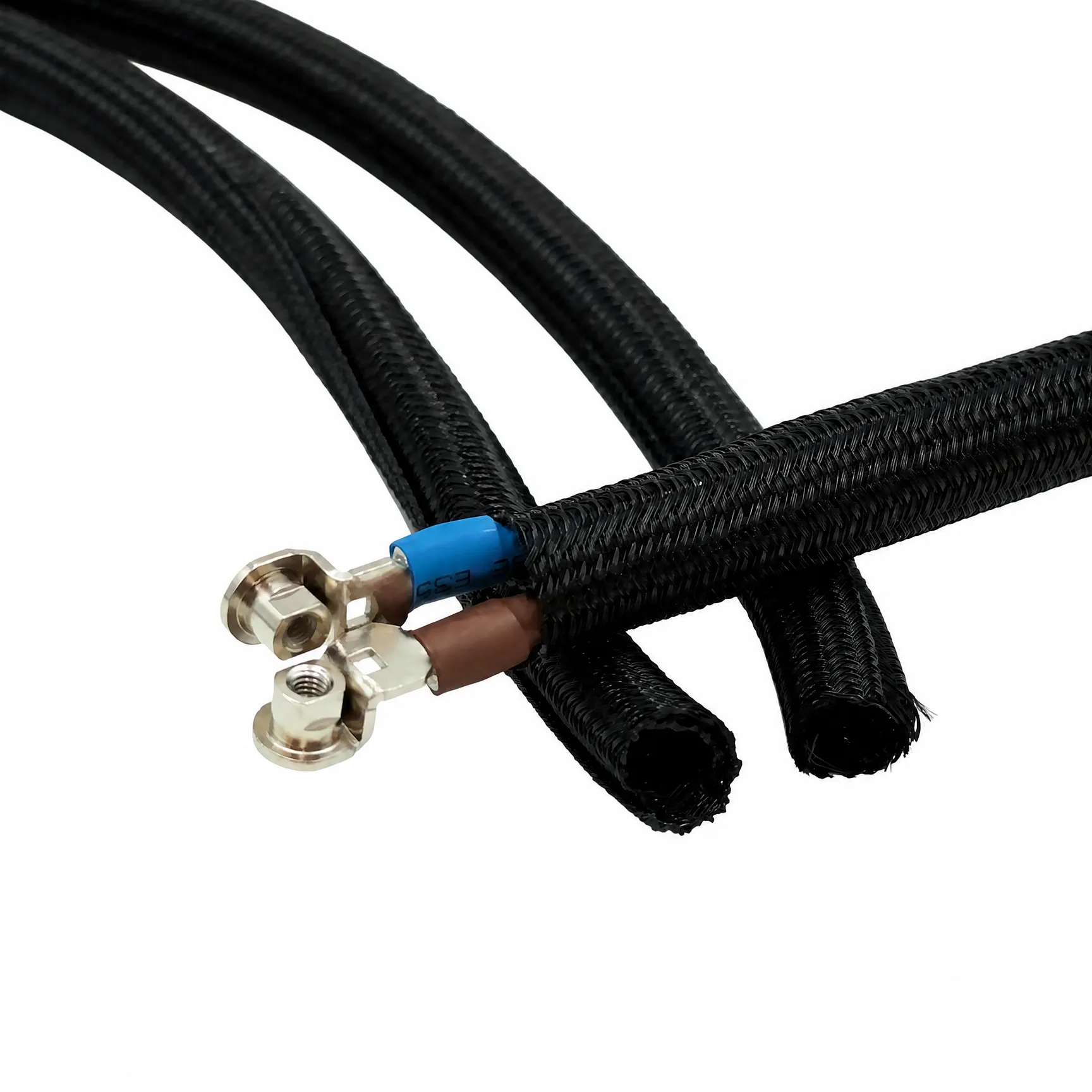
Cable protection wrap serves multiple functions: shielding conductors from abrasion, organizing complex cable runs, and maintaining environmental separation where safety codes require it. Understanding evaluation criteria helps you choose solutions that deliver genuine value rather than settling for inadequate or over-engineered options. Coverage depth, material composition, closure mechanism, and installation efficiency all influence both immediate protection and lifetime operational costs.
Understanding Coverage Requirements in Cable Management
Assessing Full-Length Protection Needs
Cable wrap coverage determines how thoroughly conductors remain protected from mechanical damage, thermal exposure, and environmental contamination. Complete coverage means no exposed sections where cables could contact sharp edges, moving machinery, or corrosive substances. Split sleeving and braided cable protection wrap both provide coverage, but their installation methods and closure reliability differ significantly. When evaluating cable management solutions, examine whether the wrap extends consistently along the entire cable run or leaves vulnerable gaps at connection points and transitions.
Most industrial environments demand comprehensive coverage because partial protection creates false confidence while leaving critical failure points unguarded. Cable wrap that closes along its length without relying on separate fasteners reduces installation gaps and potential weak points. You should verify that the wrap material itself resists tearing under the mechanical stresses your specific application generates, and that closure mechanisms remain secure after thermal cycling, vibration, or pressure changes typical in your operational setting.
Evaluating Material Durability and Environmental Factors
The material composition of cable wrap directly affects coverage effectiveness over time. Braided nylon, polyester, and specialized compounds offer different resistance profiles to heat, chemicals, UV exposure, and abrasion. Your evaluation should identify which environmental threats your cable runs face: direct sunlight degradation, acidic or alkaline chemical exposure, extreme temperature fluctuations, or continuous mechanical flexing. Split sleeving materials vary in their ability to maintain protective integrity across decades of operation, while some cable wrap options degrade predictably and require scheduled replacement.
Durability assessment means determining not just initial coverage quality, but how protection performance changes as years pass. Premium cable management materials maintain dimensional stability and resist brittleness, cracking, and adhesive failure. When evaluating options, request accelerated aging test data and long-term field performance records from installations similar to yours. Coverage that deteriorates after two years provides temporary benefit at high replacement cost, while properly selected materials deliver decades of reliable performance.
Flexibility Assessment and Installation Adaptability
Measuring Bend Radius and Conformability
Flexibility in cable wrap determines whether the material adapts to irregular cable bundle shapes, tight corners, and varying diameters along the run. Self closing wrap designed for cable management must bend smoothly around 90-degree turns and conform to oval or irregular cross-sections without bunching, gaps, or material stress that reduces lifespan. Installation flexibility directly affects labor costs: wrap that requires custom sizing or complex fastening takes longer to apply and generates higher per-meter costs than self closing designs.
When evaluating flexibility, test samples against your actual cable configurations, not theoretical ideal conditions. Real installations include varying bundle diameters, routing changes, and attachment points that create unusual bend angles. Split sleeving and other cable wrap types each handle these scenarios differently: some compress too aggressively around large bundles while loosening around smaller sections, while others maintain consistent contact and protection across diameter variations. Flexibility assessment should account for how the wrap performs during thermal expansion and contraction cycles common in your facility.
Closure Mechanism Reliability and Practical Installation
The closure mechanism distinguishes effective cable management from temporary solutions. Self closing wrap relies on inherent material structure or adhesive properties to maintain continuous contact and seal, eliminating dependence on separate fasteners, adhesive strips, or additional securing hardware. This design dramatically simplifies installation: technicians apply wrap around cable bundles without reaching for tools or spending time aligning fasteners. Evaluation of closure mechanisms should verify that the wrap remains secure under installation tension, vibration, and environmental stress without loosening or separating.
Cable protection wrap with reliable closure mechanisms reduces post-installation maintenance and inspection frequency. Traditional split sleeving using adhesive strips or manual fasteners requires periodic verification that closures remain tight as cables settle, equipment vibrates, and materials experience thermal cycling. Self closing designs eliminate these concerns through construction that inherently maintains contact and bundle grip. Your evaluation should include cost of installation labor, ongoing maintenance inspections, and eventual replacement cycles when comparing different cable management approaches.
Practical Evaluation Methodology and Selection Criteria
Conducting Performance Trials and Site Testing
Rigorous evaluation of cable wrap coverage and flexibility begins with on-site testing using actual cable bundles, routing geometry, and environmental conditions from your facility. Request sample lengths of candidate materials and install them on representative cable runs under supervision of your team. Document installation time, observe how the wrap adapts to cable diameter variations, bends, and irregularities, and photograph or measure resulting coverage quality. This practical assessment reveals performance differences that laboratory specifications alone cannot convey.
Performance trials should extend beyond initial installation to observe behavior over weeks and months: check whether closure mechanisms remain secure, measure any gaps that may develop, and assess whether materials show unexpected degradation. Split sleeving and self closing wrap solutions both benefit from real-world field testing before full-scale deployment. Your team can identify which cable management approach best fits your specific routing complexity, maintenance practices, and long-term performance expectations based on direct observation rather than vendor claims alone.
Cost Analysis Including Long-Term Operational Factors
Evaluation extends beyond material cost to encompass installation labor, maintenance effort, and replacement cycles over the cable system's intended service life. Cable wrap options that cost slightly more per meter but self-close without additional fasteners often prove more economical when labor hours are factored in. Split sleeving requiring adhesive strips or mechanical closures involves higher per-installation labor, ongoing checks to verify closure integrity, and potential emergency repairs if fasteners fail during operation. Your cost evaluation should quantify these factors specific to your facility's wages, complexity, and maintenance staffing levels.
Comparing cable management solutions requires consistent methodology: calculate total cost per cable run including materials, direct labor for installation, anticipated maintenance visits, and eventual replacement cost spread across service life. Self closing wrap with superior flexibility and reliable closure mechanisms typically reduces total cost of ownership despite higher upfront material cost. Build a comprehensive evaluation model that reflects your specific installation patterns, maintenance resources, and operational constraints rather than selecting cable protection wrap purely on unit price.
FAQ
How much cable protection wrap coverage is actually necessary for compliance?
Compliance requirements vary by industry code, environmental classification, and specific application. Most electrical codes mandate continuous protection wherever cables could contact conductive materials, moving machinery, or sharp edges. Your self closing wrap evaluation should verify compliance with applicable standards in your jurisdiction, industry sector, and customer specifications. Complete continuous coverage throughout the cable run provides maximum protection and typically satisfies all regulatory requirements, though some codes allow limited exceptions for permanent fixed installations where documented risk assessment supports it.
Can split sleeving match the flexibility of self closing wrap designs?
Split sleeving offers reasonable flexibility for linear cable runs and standard diameter bundles but generally requires more installation effort around irregular geometry and diameter variations. Self closing wrap engineered for cable management conformability adapts more smoothly to complex routing and varying cable cross-sections. The closure mechanism on self closing designs also simplifies handling around tight spaces where separate fasteners or adhesive application becomes awkward. For applications involving complex routing or frequent diameter changes, self closing wrap typically outperforms traditional split sleeving in terms of both coverage quality and installation efficiency.
What indicators suggest cable protection wrap coverage is degrading before catastrophic failure?
Regular visual inspection reveals early degradation signs: surface cracking, color fading, material brittleness, whitening at stress points, or separation from the cable bundle. On self closing wrap and split sleeving alike, reduced conformability and loosening of the wrap around cables suggests material aging or closure mechanism failure. Mechanical testing of sample sections from installed wrap can verify remaining strength compared to new material specifications. Establishing a preventive inspection schedule based on your operating environment and cable management system history allows you to plan replacement before protection quality becomes inadequate.
 EN