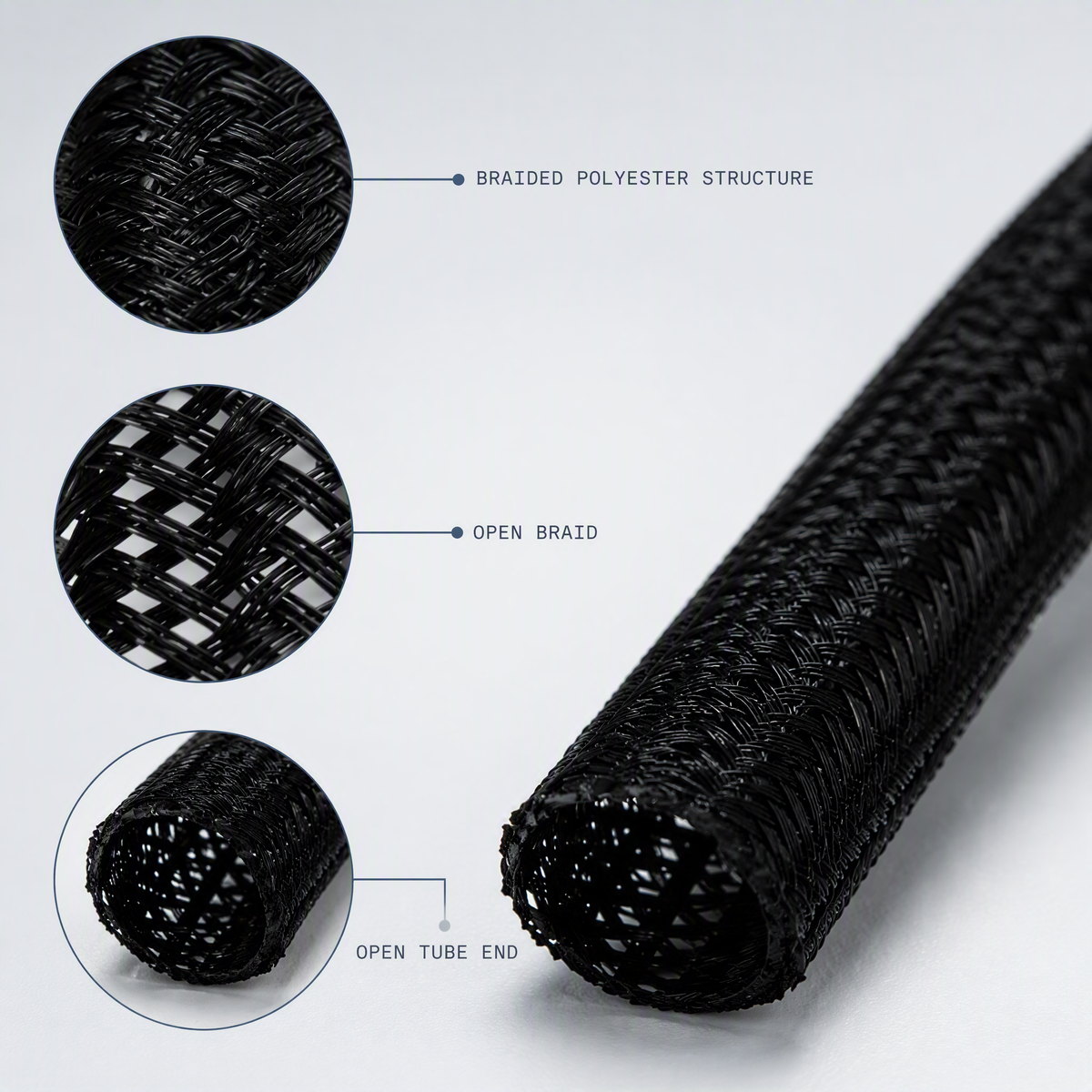
Choosing the right cable protection method is critical for maintaining system reliability, safety, and longevity in industrial and commercial applications. Engineers and facility managers frequently face a decision between two popular solutions: self closing wrap and heat shrink tubing. Both offer distinct advantages, but they serve different scenarios and operational contexts. Understanding the differences, strengths, and limitations of each approach enables you to make an informed decision that aligns with your specific project requirements, budget constraints, and long-term maintenance needs.
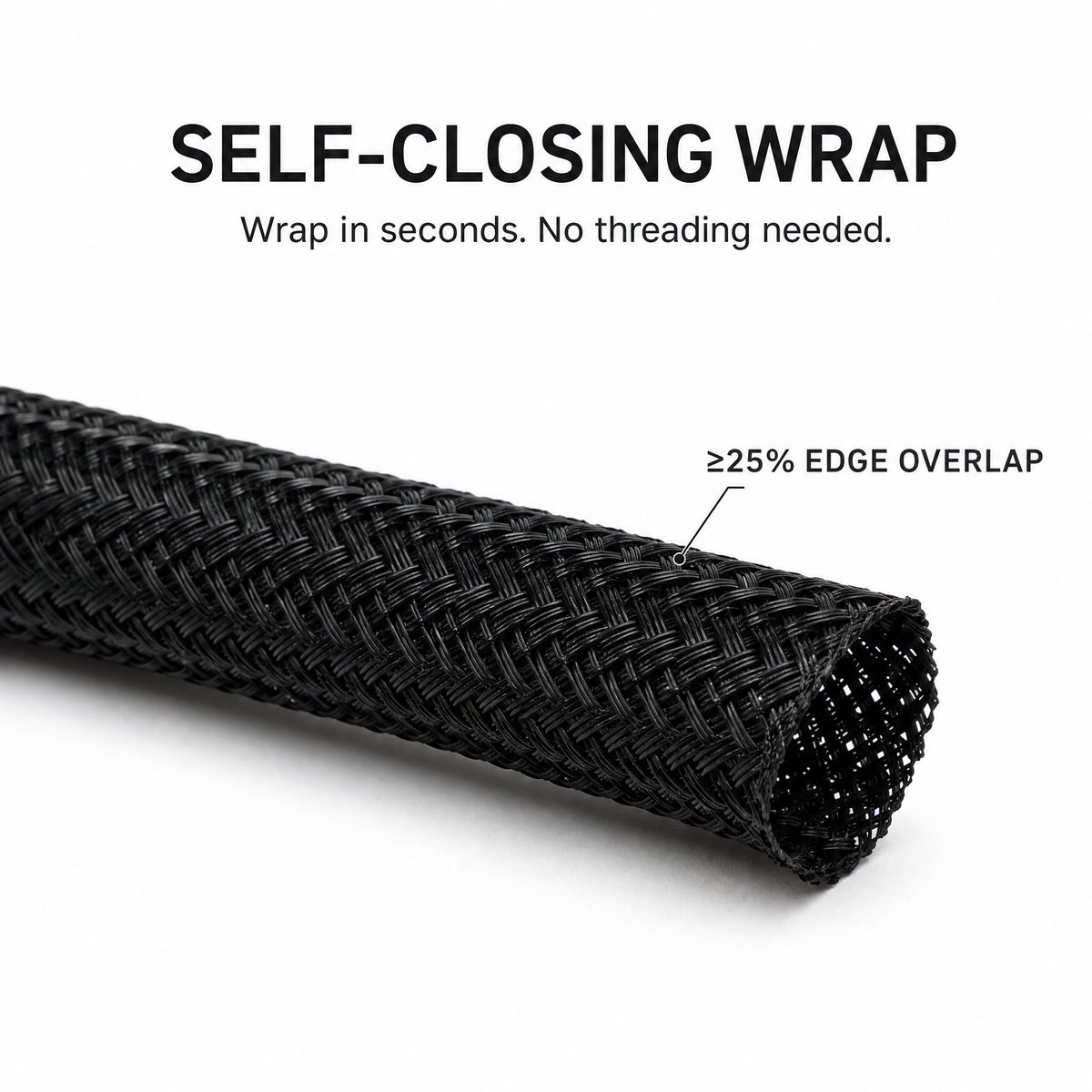
Both cable protection technologies have established themselves as industry standards, yet they operate on fundamentally different principles. Heat shrink tubing relies on thermal activation to contract around cables, creating a tight, permanent seal. Self closing wrap, by contrast, employs mechanical interlocking fibers that conform to cable bundles without requiring heat application. This foundational difference ripples through installation speed, reusability, maintenance accessibility, and total cost of ownership across the asset lifecycle.
Core Differences in Design and Functionality
Heat Shrink Tubing Operation and Characteristics
Heat shrink tubing functions through thermal expansion and contraction. During manufacturing, the polymer is heated and stretched to a larger diameter, then cooled to lock in that expanded state. When you apply heat during installation—typically using a heat gun or shrink tool—the polymer attempts to return to its original, smaller diameter, creating a tight grip around the cable bundle. This permanent contraction makes heat shrink tubing ideal for fixed installations where the cable configuration will not change. The tubing bonds tightly to the cables and surrounding components, offering excellent environmental sealing against moisture, dust, and contaminants. However, once shrunk, the tubing cannot be easily removed or reused without destruction, making it unsuitable for applications requiring frequent reconfiguration or cable replacement.
Self Closing Wrap Mechanics and Adaptability
Self closing wrap uses braided protection fibers constructed to naturally conform around cable bundles through mechanical interlocking rather than adhesion or thermal bonding. The wrap opens like a spiral sleeve, allowing cables to be threaded through, then closes securely as you overlap and secure the seam. This braided protection design provides flexibility and reversibility that heat shrink tubing cannot match. When your cable layout changes or you need to replace individual conductors, you can simply cut or unfasten the wrap, adjust the cables, and reseal it. The split sleeving design means no heat equipment is required, installation is faster, and the product can be reused multiple times, reducing material costs on long-term projects. The tradeoff is that braided protection does not create the same hermetic seal as shrunk tubing, making it better suited for dry, controlled environments or situations where some air circulation is acceptable.
Installation Requirements and Operational Implications
Heat Application and Infrastructure Needs
Installing heat shrink tubing demands proper thermal equipment and operator training. You need a heat gun, heat tool, or shrink chamber, along with sufficient space and ventilation to apply controlled heat safely. The application process is sequential: measure and cut the tubing, thread it over the cable bundle, then apply heat uniformly to ensure consistent contraction. Poor heating technique results in incomplete shrinkage, weak spots, or uneven protection. The thermal process also requires time to cool before the cables can be handled. In field installations or repair scenarios where equipment is not readily available, the infrastructure requirements become a significant logistical burden. Additionally, extreme heat near sensitive electronic components or insulation can pose risks if not managed carefully, particularly in confined spaces or near existing installations.
Self Closing Wrap Installation Speed and Accessibility
Self closing wrap offers a mechanical, tool-light installation process. No heat source is required, making installation faster and suitable for on-site work without specialized equipment. Simply open the wrap, thread the cables through, and secure the overlapping seam with adhesive backing, cable ties, or fasteners. The split sleeving design means you can work on individual cables within the bundle without fully disassembling the protection layer. If a cable needs replacement or repositioning, you can open the wrap, make the modification, and reseal it in minutes. This accessibility and speed make braided protection particularly valuable in maintenance-heavy environments or installations that evolve frequently. The lack of heat equipment also eliminates safety risks associated with thermal tools and reduces training complexity for field teams.
Environmental Sealing and Long Term Performance
Moisture and Contaminant Protection Comparison
Heat shrink tubing provides superior hermetic sealing against water ingress, dust, and chemical exposure due to its complete thermal fusion around the cable bundle. The shrunk material bonds directly to the cables and underlying surfaces, leaving no gaps or pathways for contamination. This makes it the preferred choice for submerged applications, high-humidity environments, or scenarios where cables face aggressive chemical exposure. Braided protection offers good protection against abrasion, mechanical damage, and moderate moisture, but the weave structure allows some air circulation. In extremely wet or chemically harsh settings, braided protection is less reliable for complete environmental isolation. However, in most industrial control rooms, machinery enclosures, and cable trays where cables are partially protected from direct environmental attack, split sleeving and self closing wrap provide adequate cable management without the complexity of thermal installation.
Reusability and Total Cost of Ownership
The permanent nature of heat shrink tubing means each installation consumes the material completely. If you need to reconfigure cables, replace damaged sections, or troubleshoot connections, you must cut away the existing tubing and apply new material. Over a facility's lifetime, particularly in dynamic environments where cable layouts change, heat shrink costs accumulate through material waste and labor for repeated installations. Self closing wrap and split sleeving offer significant cost advantages through reusability. The braided material withstands multiple open-close cycles without degradation, allowing you to reuse it across cable reconfigurations and maintenance cycles. For budgets constrained by frequent cable changes or pilot installations where final layouts are uncertain, self closing wrap delivers lower total cost of ownership. The trade-off is accepting less rigorous environmental sealing, a compromise that suits many industrial and commercial settings.
FAQ
When should I choose heat shrink tubing over self closing wrap?
Heat shrink tubing is the best choice when cables are in fixed, permanent installations where reconfiguration is unlikely, or when the application requires hermetic sealing against water, submersion, or harsh chemicals. Submerged equipment, outdoor installations, and aerospace or marine applications strongly favor heat shrink because environmental protection is non-negotiable. Additionally, if the cable bundle geometry is precisely defined and won't change, the superior seal justifies the installation complexity and material cost. Facilities with established thermal installation infrastructure and trained personnel should also consider heat shrink for consistency and long-term reliability.
What are the key advantages of self closing wrap for cable management?
Self closing wrap excels in flexibility, speed, and reusability. The braided protection allows cables to be accessed, replaced, or repositioned without removing the entire sleeve. Installation requires no heat equipment, making it ideal for field work and rapid deployment. The material can be reused across multiple cable reconfigurations, reducing material waste and long-term costs. For data centers, manufacturing environments, and facilities where cable layouts evolve frequently, self closing wrap and split sleeving provide cost-effective cable management that balances protection with operational accessibility.
Can split sleeving protect cables as effectively as heat shrink tubing?
Split sleeving and self closing wrap provide robust mechanical protection against abrasion, crushing, and moderate environmental exposure, but they do not achieve the hermetic seal of heat shrink tubing. In dry, controlled environments like cable trays, machinery enclosures, and indoor conduit runs, the braided protection is adequate and often preferred due to reusability and maintenance accessibility. In wet, submersed, or chemically aggressive environments, heat shrink tubing is required. The choice depends on the specific environmental conditions, regulatory requirements, and long-term maintenance expectations of your installation.
 EN