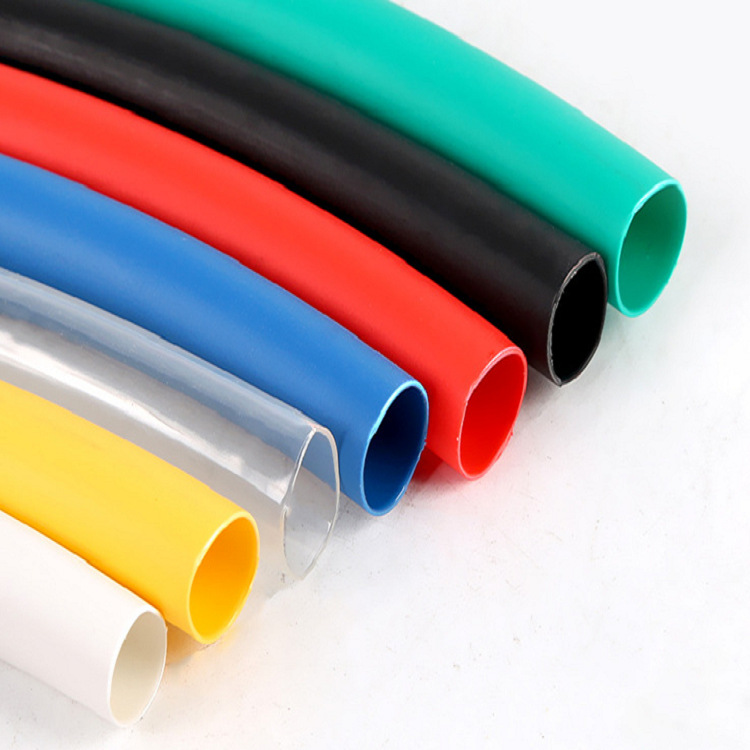
Selecting a heat shrinkable tube supplier involves far more than scanning price lists and choosing the lowest bidder. Many procurement teams focus exclusively on unit cost, overlooking critical factors that determine long-term value, application success, and total cost of ownership. A truly strategic supplier evaluation examines performance specifications, material consistency, technical support, delivery reliability, and customization capabilities—elements that directly impact your product quality and operational efficiency.
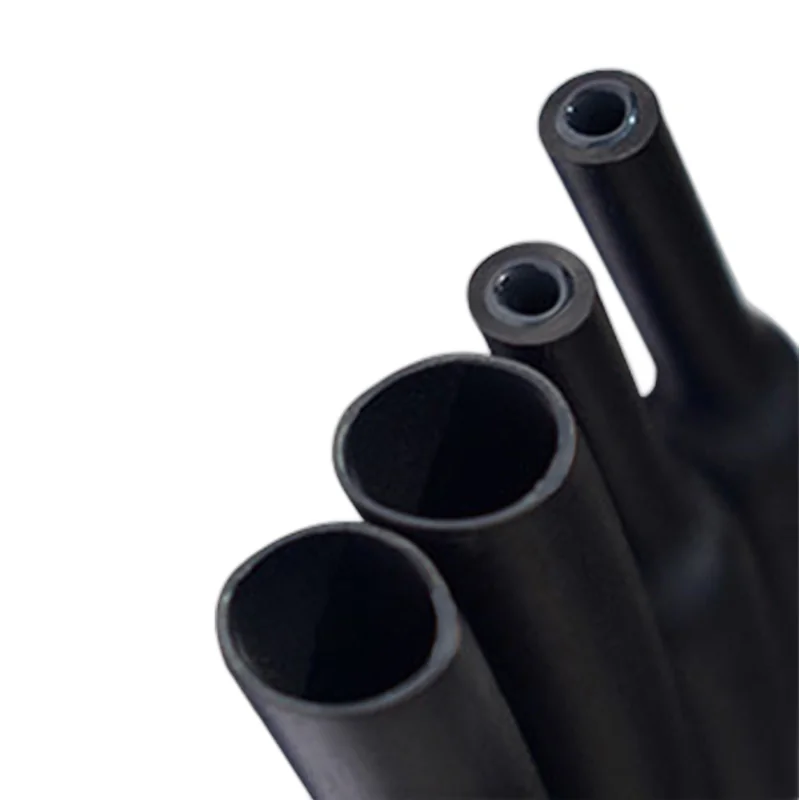
The cable protection industry demands precision and reliability. When your applications require robust heat shrinkable tube solutions, supplier performance becomes a competitive advantage. This guide walks you through evaluation criteria that separate commodity suppliers from strategic partners, ensuring your wire termination and cable protection investments deliver consistent, measurable results.
Performance Specifications and Material Quality
Shrink Ratio and Recovery Performance
Every heat shrinkable tube application demands specific shrink ratios and recovery characteristics. Suppliers vary significantly in their ability to maintain consistent shrink behavior across production batches. A supplier offering dual wall technology, for example, must demonstrate reliable shrink symmetry and repeatable diameter reduction across multiple units. Request technical data sheets showing actual shrink curves, minimum recovery temperatures, and shrink force measurements rather than relying on generic industry standards.
Performance inconsistency creates downstream problems. Tubes that shrink too quickly risk deformation or incomplete coverage, while those requiring higher recovery temperatures may damage sensitive components during installation. Leading suppliers provide batch testing reports and can justify their material specifications with independent laboratory results. Evaluate whether they offer multiple shrink ratio options and whether they can accommodate your specific application requirements without compromise.
Wall Thickness and Dimensional Tolerance
Cable protection and wire termination success depends on precise dimensional control. Suppliers must maintain tight tolerances on inner diameter, wall thickness, and length consistency. Dual wall heat shrinkable tube variants, for instance, require uniform adhesive layer thickness to perform reliably. Tolerance drift across production runs creates variability that compounds when scaling to high-volume applications.
Request specification sheets detailing the tolerance ranges your supplier maintains, and ask whether they conduct in-process dimensional verification. Suppliers using automated measurement systems typically deliver superior consistency compared to manual inspection protocols. Understanding their quality control methodology directly correlates to your installation success rate and product longevity.
Technical Support and Application Engineering
Pre-Selection Guidance and Design Assistance
Experienced suppliers offer application engineering support that helps you select the optimal tube type for your specific needs. This includes guidance on material selection, shrink ratio appropriateness, recovery temperature compatibility, and installation methodology. A supplier who invests in understanding your application—voltage levels, operating temperature ranges, chemical exposure, mechanical stress factors—demonstrates commitment beyond transactional relationships.
Ask potential suppliers whether they provide sample kits, application notes, or installation training. The best cable protection partners can recommend whether standard options suffice or whether customized specifications like dual wall variants, flame-retardant ratings, or specialized adhesive formulations would better serve your needs. This consultative approach often reveals cost-saving opportunities through optimized material selection.
Troubleshooting and Field Support
Installation and performance issues emerge in real-world applications despite careful selection. How quickly and effectively does your supplier respond? Leading suppliers maintain technical teams capable of diagnosing application failures, providing root cause analysis, and recommending corrective actions. They track field problems systematically, share lessons across their customer base, and proactively communicate when issues affect your wire termination performance or cable protection reliability.
Evaluate whether the supplier offers phone support, technical documentation, or field visit capabilities when problems arise. The cost of delayed problem resolution often far exceeds minor price differences between suppliers.
Delivery Reliability and Supply Chain Resilience
Inventory Management and Lead Time Predictability
Heat shrinkable tube supply disruptions halt production lines. Suppliers vary significantly in their ability to maintain consistent inventory and predict realistic lead times. Ask about their manufacturing capacity, whether they maintain safety stock, and how they prioritize orders during supply constraints. Suppliers with transparent forecasting and reliable delivery records protect your production schedule and reduce the need for expensive expedited shipping or inventory buffers.
Evaluate their geographic distribution. Suppliers with multiple warehouses or regional distribution centers typically respond faster to surge demand. If your applications require emergency supply access or you operate in multiple regions, proximity and inventory positioning matter substantially. Dual wall and specialized cable protection variants sometimes carry longer lead times—confirm supply window realism before committing to a supplier relationship.
Quality Consistency Across Geographies and Time
Some suppliers manufacture heat shrinkable tube across multiple facilities to manage capacity. Confirm whether their quality standards remain consistent across production locations. Material properties, shrink behavior, and dimensional accuracy should not vary based on manufacturing site. Request traceability documentation showing which facility produced specific inventory lots and whether they conduct comparative testing across locations.
Historical performance data reveals supplier reliability. Ask for reference customers and inquire about their experience with consistent quality, on-time delivery, and responsiveness. Long-term supplier relationships typically reflect positive experiences across all dimensions—performance, support, and reliability.
FAQ
Should price always drive heat shrinkable tube supplier selection?
No. While price matters, the lowest-cost supplier often creates hidden costs through quality issues, delayed deliveries, or inadequate technical support. Total cost of ownership—including rework, production delays, field failures, and support burden—typically exceeds apparent unit price savings. Strategic suppliers balance competitive pricing with performance consistency and partnership value.
What distinguishes dual wall heat shrinkable tube from standard options?
Dual wall tubes feature an inner adhesive layer that bonds during shrinking, creating superior sealing for cable protection and wire termination applications. This design prevents moisture ingress and provides mechanical protection beyond what single-wall tubes offer. Suppliers offering dual wall variants must maintain precise adhesive layer consistency to deliver reliable performance across applications.
How should I verify a supplier's cable protection and material quality claims?
Request independent third-party test reports, batch-specific quality documentation, and access to samples matching your exact specifications. Ask about their testing standards and whether they exceed industry minimums. Leading suppliers provide traceability data, shrink curve verification, and dimensional measurement reports. Site visits to their production facility and quality control area demonstrate transparency and build confidence in their heat shrinkable tube manufacturing processes.
 EN