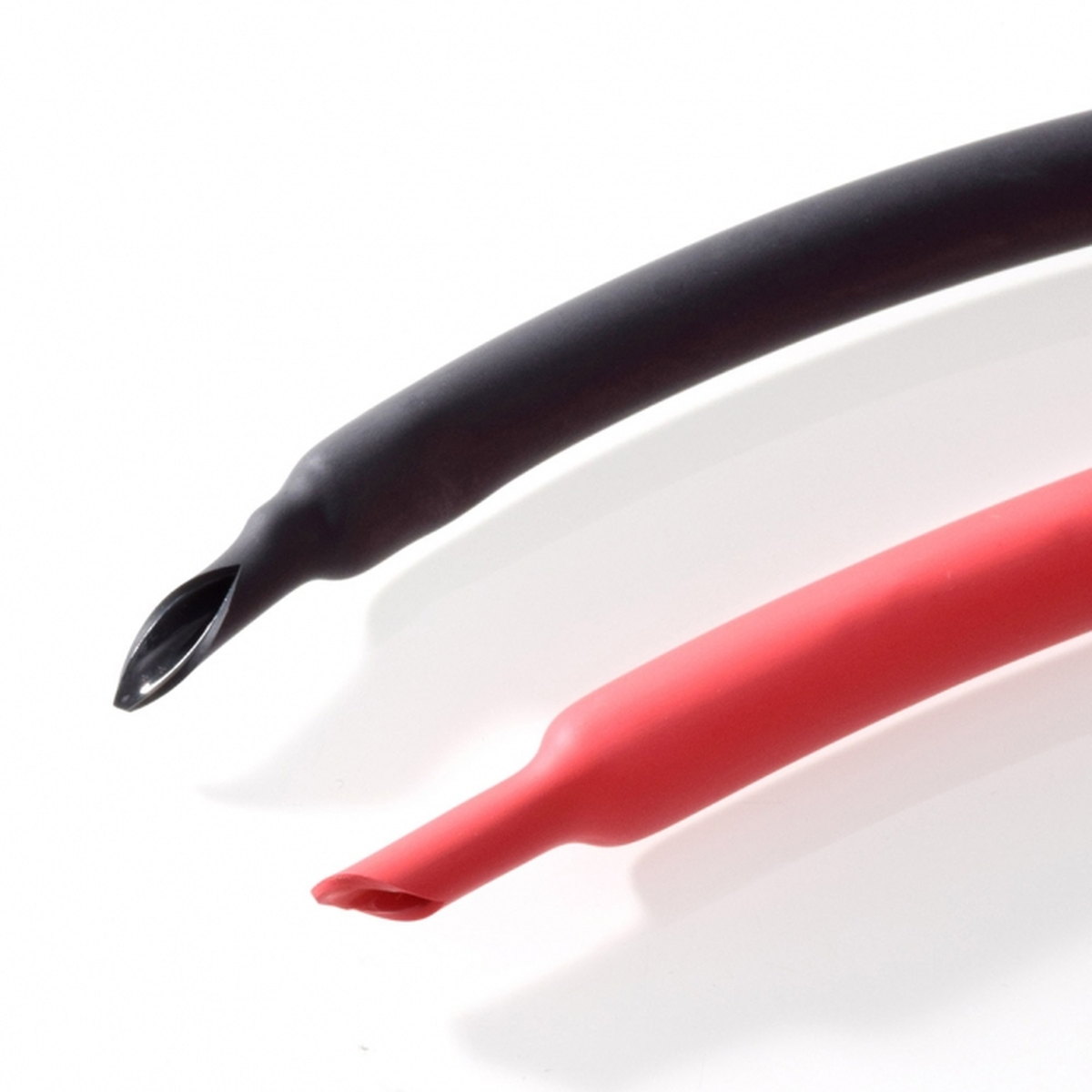
Selecting the right heat shrinkable tube is critical for protecting electrical connections, wires, and components in demanding industrial environments. The choice between different heat shrink tubing options directly impacts reliability, longevity, and failure risk across your application. Whether you're managing industrial wiring in automotive systems, telecommunications infrastructure, or manufacturing equipment, understanding how to evaluate heat shrinkable tube performance becomes essential to your project's success.
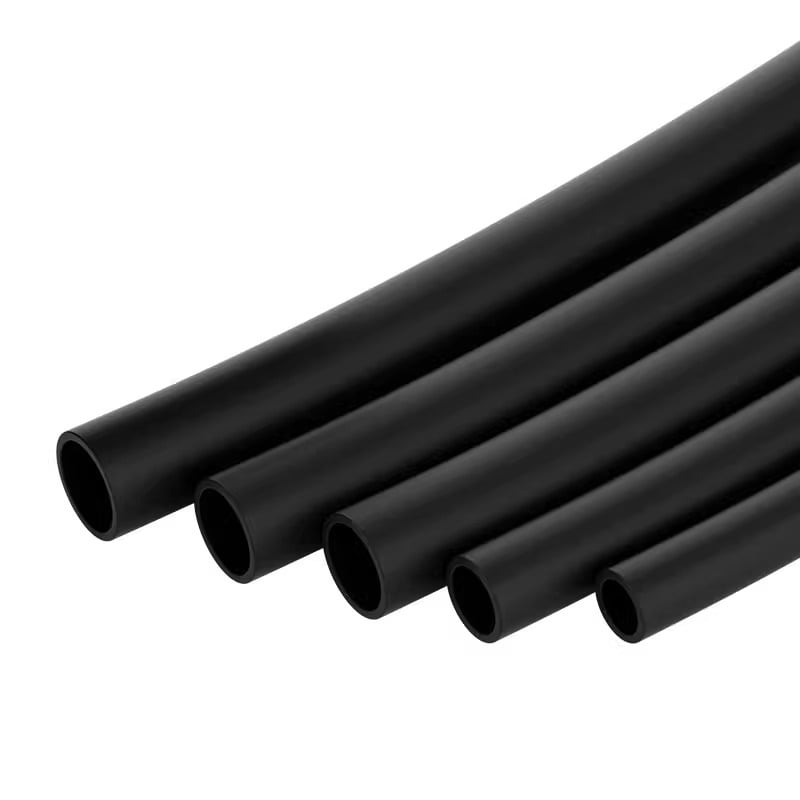
Most engineers and technicians face three primary protection challenges when specifying heat shrink tubing: resistance to elevated temperatures, ability to withstand mechanical abrasion, and chemical compatibility with surrounding fluids and solvents. Each application presents unique environmental demands that require careful evaluation of tube material, construction, and protective features to ensure long-term performance and regulatory compliance.
Understanding Heat Shrinkable Tube Material Composition
Core Material Types and Temperature Ratings
Heat shrinkable tube is manufactured from several base polymer materials, each offering distinct temperature performance characteristics. Standard polyolefin formulations typically handle continuous temperatures up to 125°C, making them suitable for many industrial wiring applications. Cross-linked polyolefin variants extend this range to 135°C or higher, providing better thermal stability for harsh environments where heat exposure is constant or intermittent.
For extreme thermal applications, fluoropolymer and PTFE-based heat shrink tubing can withstand temperatures exceeding 200°C without degradation. When evaluating heat shrinkable tube for your application, compare the sustained operating temperature of your equipment against the tube's continuous and short-term temperature ratings. This matching process prevents premature failure and maintains electrical and mechanical integrity throughout the component's service life.
Dual Wall Construction Benefits
Dual wall heat shrink tubing represents an advanced construction method that combines an outer flexible layer with an inner adhesive or mastic layer. This dual wall design provides superior sealing compared to single-wall alternatives, creating a moisture barrier and reducing corrosion risk at connection points. The adhesive-lined inner layer bonds to the underlying wire or connector, eliminating gaps and preventing water ingress, which is especially critical for industrial wiring exposed to salt spray, humidity, or submerged conditions.
When comparing heat shrinkable tube options, consider whether dual wall construction aligns with your environmental exposure profile. Applications involving marine environments, outdoor equipment, or sealed enclosures typically benefit significantly from dual wall's enhanced moisture protection and mechanical grip.
Evaluating Abrasion and Chemical Resistance
Mechanical Abrasion Performance
Abrasion resistance in heat shrinkable tube depends on material thickness, polymer flexibility, and surface hardness. Thicker wall tubes generally withstand rubbing contact better than thin-wall alternatives, though increased thickness reduces flexibility during installation. For industrial wiring applications where cables pass through sharp edges, rough surfaces, or moving components, selecting a heat shrink tubing with reinforced outer surfaces extends service life significantly.
Test abrasion resistance by examining the tube's durability specifications against your specific hazard profile. If your application involves constant mechanical contact or vibration, prioritize heat shrinkable tube formulations designed for impact resistance rather than basic protective sleeves. Material compounds reinforced with carbon-filled additives or textile braid provide measurably better abrasion performance in demanding industrial environments.
Chemical and Solvent Compatibility
Chemical exposure presents one of the most overlooked evaluation criteria when selecting heat shrink tubing for industrial applications. Standard polyolefin heat shrinkable tube exhibits moderate resistance to oils, fuels, and common solvents but may swell or degrade when exposed to aggressive chemicals like ketones, aromatic hydrocarbons, or strong acids. Engineering environments involving manufacturing equipment, automotive fuel systems, or chemical processing facilities require careful chemical compatibility assessment.
Consult the tube manufacturer's chemical resistance matrix before finalizing your heat shrinkable tube selection. This matrix cross-references specific chemicals against material performance over extended exposure periods. Applications involving diesel fuel, coolant mixtures, or industrial cleaning agents may require fluoropolymer or specialized elastomer formulations rather than standard polyolefin heat shrink tubing to maintain seal integrity and protective function.
Practical Selection Criteria for Industrial Applications
Matching Tube Diameter and Shrink Ratio
Heat shrinkable tube sizing requires accurate measurement of the component requiring protection. Oversized tubes fail to create adequate contact pressure, while undersized options cannot shrink sufficiently to achieve proper sealing. Most manufacturers offer heat shrink tubing with 2:1 or 3:1 shrink ratios, indicating the reduction in diameter during heating. For dual wall construction, verify that both the outer and inner layers shrink proportionally to maintain consistent seal quality across the connection.
When planning your industrial wiring protection strategy, measure the outer diameter of the wire bundle or connector at the protection point, then select heat shrinkable tube sized to provide slight radial pressure without excessive tension. This balanced approach ensures reliable sealing, easy installation, and long-term performance without material degradation from over-compression.
Installation Conditions and Shrink Temperature
Activation temperature varies across heat shrink tubing products, ranging from 65°C for low-temperature formulations to 200°C for high-performance variants. Your installation environment and available heating tools determine which heat shrinkable tube specification works best. Field installations with limited heat sources may require low-temperature tubes, while production facilities with thermal chambers can utilize higher-temperature options for faster processing.
Assess heating method availability before selecting heat shrink tubing, as improper or insufficient heating prevents complete shrinking and seal formation. For industrial wiring applications in controlled manufacturing environments, high-temperature heat shrinkable tube paired with automated heating ensures consistent, repeatable installation results and compliance with quality standards.
FAQ
What is the difference between single-wall and dual wall heat shrink tubing?
Single-wall heat shrinkable tube consists of a uniform polymer layer that shrinks around the component but does not create a sealed barrier against moisture. Dual wall construction adds an adhesive-lined inner layer that bonds to the surface and melts to form a waterproof seal, making it superior for harsh environments where moisture ingress threatens reliability. Dual wall heat shrink tubing costs more than single-wall alternatives but provides better protection in marine, outdoor, and sealed-enclosure applications.
How do I determine the correct heat shrinkable tube size for my application?
Measure the outer diameter of the wire or connector requiring protection, then select heat shrinkable tube with an as-received diameter slightly larger than this measurement. Check the manufacturer's sizing chart for your chosen shrink ratio, typically 2:1 or 3:1, to confirm the tube will shrink to the appropriate final diameter. Most heat shrink tubing suppliers provide sizing guides that cross-reference pre-shrink and post-shrink diameters to simplify selection and ensure reliable fit.
Can heat shrinkable tube resist chemical exposure in industrial environments?
Standard polyolefin heat shrinkable tube exhibits moderate chemical resistance but may degrade when exposed to aggressive solvents, fuels, or strong chemicals. For applications involving petroleum products, aromatic hydrocarbons, or harsh industrial fluids, specify fluoropolymer or chemically resistant heat shrink tubing formulations. Always review the manufacturer's chemical resistance matrix for your specific application environment to ensure the selected heat shrinkable tube maintains performance and seal integrity throughout its service life.
 EN