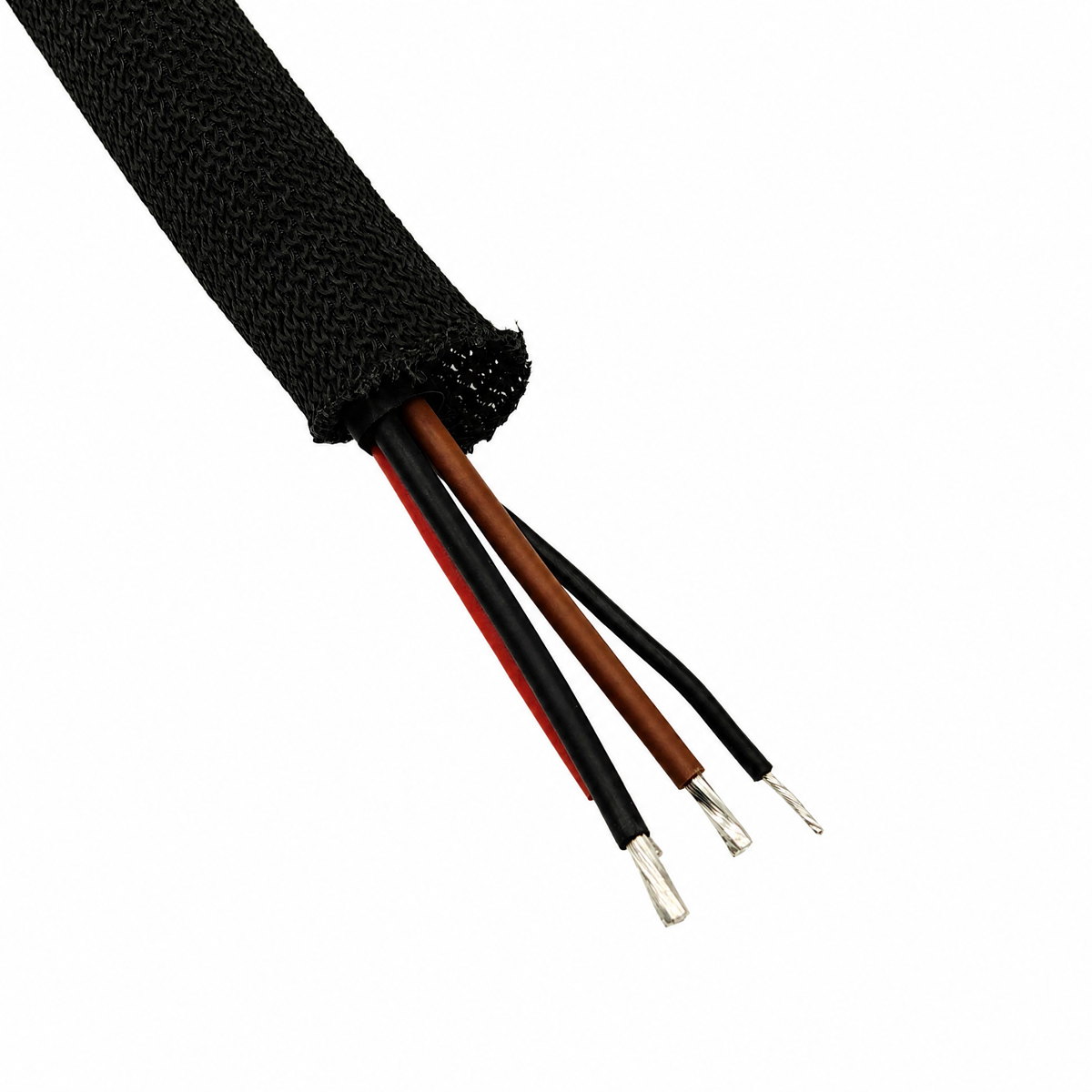
Selecting the right protection for high-temperature wiring requires understanding the specific demands of your application, operating environment, and regulatory requirements. A self closing wrap offers engineered solutions for demanding industrial and aerospace thermal protection challenges. This material category represents a critical choice point where the right decision directly impacts system reliability, maintenance costs, and regulatory compliance.
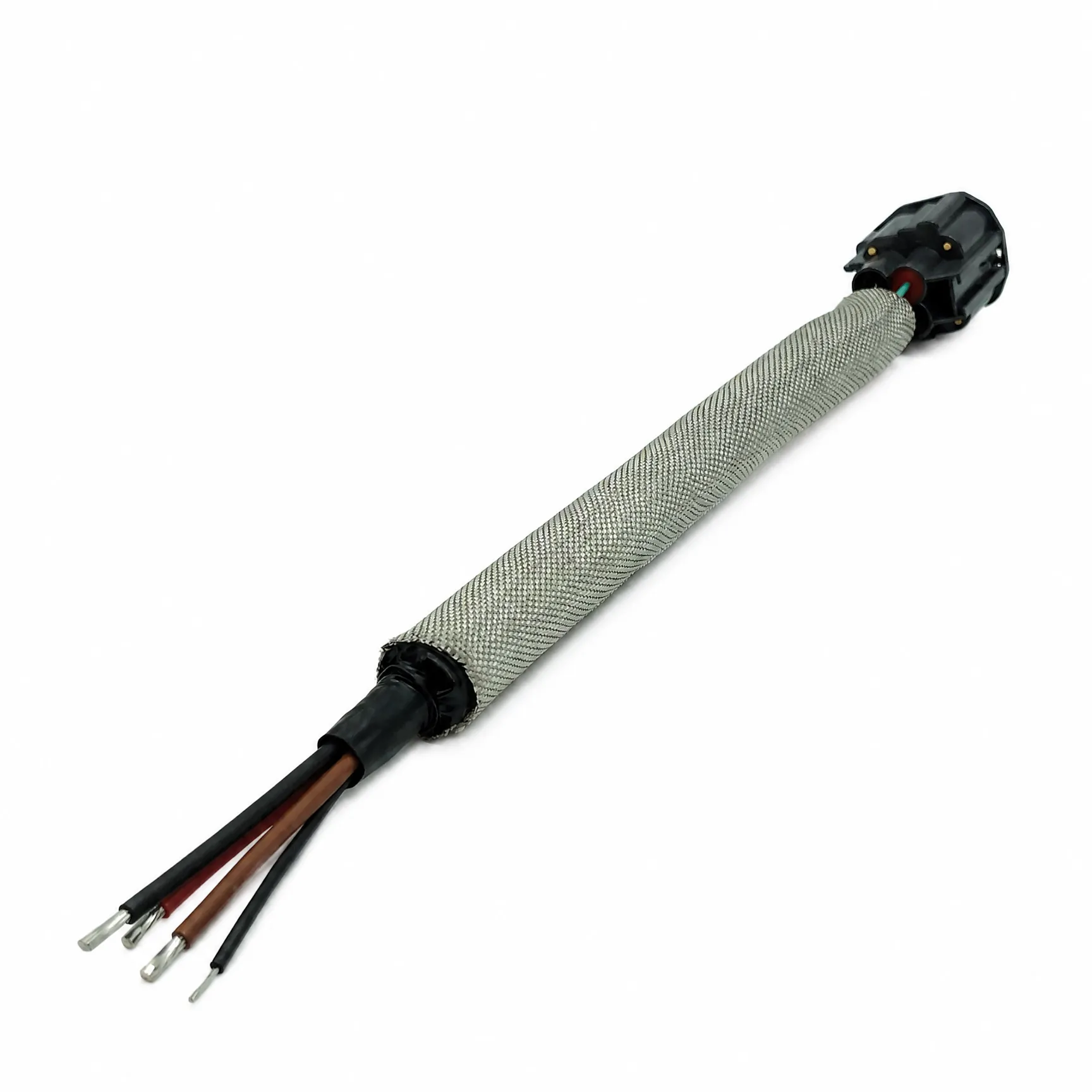
High-temperature wire protection extends far beyond simple insulation. The cable wrap solution you choose affects thermal management, electromagnetic shielding, mechanical durability, and service access efficiency throughout the component's operational life. Understanding the distinctions between material types, construction methods, and performance ratings ensures your selection aligns with both immediate installation requirements and long-term system demands.
Understanding Material Composition and Temperature Performance
Core Material Selection for Extreme Temperatures
Self closing wrap materials must withstand sustained elevated temperatures while maintaining structural integrity and protective function. Tinned copper variants provide superior thermal conductivity and oxidation resistance compared to standard textile-based solutions. The material composition directly determines whether your cable wrap can sustain peak operating temperatures without degradation, brittleness, or failure.
Selecting materials with proven performance in your specific temperature range prevents mid-service failures that compromise the entire wire harness. Copper-based self closing wrap maintains flexibility and strength across wider temperature differentials, supporting both rapid thermal cycling and steady-state high-heat environments. Material certifications and published performance data should inform your evaluation process, ensuring the cable wrap meets or exceeds your system's thermal requirements.
Compatibility with Insulation Systems
The interaction between wrap material and underlying wire insulation significantly influences long-term protection effectiveness. Self closing wrap must not chemically degrade, harden, or degrade adjacent insulation materials during extended thermal exposure. Compatibility testing between wrap material and your specific wire harness insulation ensures the protective layer enhances rather than compromises overall system reliability.
Cross-material degradation represents a hidden failure mode that standard specifications may not address. Selecting self closing wrap with proven compatibility profiles across multiple insulation chemistries simplifies design verification and reduces long-term maintenance risks. This consideration becomes especially critical in multi-wire bundle configurations where different insulation types may be present within the same harness.
Evaluating Service Access and Installation Efficiency
Self Closing Design Benefits for Maintenance
Service access requirements often determine whether a particular cable wrap solution suits your operational environment. Self closing wrap designs that open and reclose without damage or permanent deformation enable efficient inspection, repair, and replacement workflows without full harness replacement. This feature directly reduces downtime, labor costs, and overall system lifecycle expenses.
The mechanical action of self closing wrap simplifies troubleshooting procedures and component replacement in field environments. Unlike fixed sleeves or adhesive-backed solutions, this wrap type allows technicians to access wire harness components quickly while maintaining thermal protection integrity. Your selection should prioritize designs that open cleanly and reseal reliably across multiple service cycles without material fatigue.
Installation Complexity and Field Adaptability
Installation methodology impacts both immediate deployment costs and long-term maintenance accessibility. Self closing wrap solutions that require minimal preparation, special tools, or fastening components streamline field installation across diverse technical skill levels. Evaluating installation complexity during the selection phase prevents costly deployment delays and ensures consistent application quality.
Adaptability to various wire bundle geometries and existing harness configurations determines whether your selected cable wrap functions effectively across your full product line. Self closing wrap that accommodates diameter variations without gaps or compression maintains consistent thermal protection performance. This flexibility proves especially valuable in modular designs where the same wire harness protection solution must integrate across multiple assembly configurations.
Regulatory Compliance and Performance Standards
Industry Certifications and Specification Requirements
High-temperature wire protection applications typically operate under rigorous regulatory frameworks and industry-specific standards. Your self closing wrap selection must satisfy aerospace, automotive, marine, or industrial certifications applicable to your end-market. Compliance documentation, third-party testing records, and material certifications represent essential verification elements before final specification approval.
Cable wrap solutions lacking documented performance validation against relevant standards create regulatory and liability risks that extend throughout the product lifecycle. Selecting materials with published test data, UL listings, or military specification compliance simplifies certification processes and ensures your wire harness protection meets customer acceptance criteria. Regulatory drift also occurs over time, so choosing wrap materials with margin above minimum standards protects against evolving compliance requirements.
Environmental and Chemical Resistance Factors
Operating environments expose cable wrap to oil spray, salt fog, thermal cycling, mechanical abrasion, and chemical contamination beyond pure heat stress. Your self closing wrap selection must account for these secondary environmental stressors that collectively determine real-world protection performance. Chemical resistance profiles and aging test data reveal how wrap materials degrade under compound environmental exposure.
Wire harness protection extends into extreme environments where simple thermal tolerance proves insufficient. Self closing wrap materials that resist embrittlement, hardening, and loss of flexibility across your full operating envelope maintain protective function when ordinary solutions fail. Evaluating environmental stress alongside thermal requirements ensures your cable wrap choice delivers reliable long-term protection across diverse operational scenarios.
FAQ
What temperature range should my self closing wrap support?
Your wrap selection must accommodate both sustained operating temperature and peak transient temperature spikes with adequate safety margin. Self closing wrap specifications should exceed your application's maximum temperature by at least 15 to 25 percent, allowing for thermal cycling effects and material aging. Review your system's worst-case thermal profile, including ambient temperature variation, component heat generation, and thermal cycling frequency before specifying cable wrap requirements.
How does self closing wrap compare to other cable wrap solutions?
Self closing wrap provides superior service access and reusability compared to fixed sleeves, adhesive-backed tape, or wrap-and-tie solutions. The self closing mechanism enables repeated opening and closing without material degradation or loss of protective function. For applications requiring periodic maintenance or component access, self closing wrap typically offers lower total cost of ownership despite potentially higher initial material expense than disposable alternatives.
What certifications should I verify before selecting a wire harness wrap?
Verify that your self closing wrap meets relevant aerospace (AS9100), automotive (IATF), marine, or industrial standards applicable to your end-market. Request material safety data sheets, third-party test reports, and compliance documentation from manufacturers. Ensure cable wrap certifications specifically address your application's thermal range, chemical exposure environment, and regulatory requirements rather than generic material specifications.
 EN