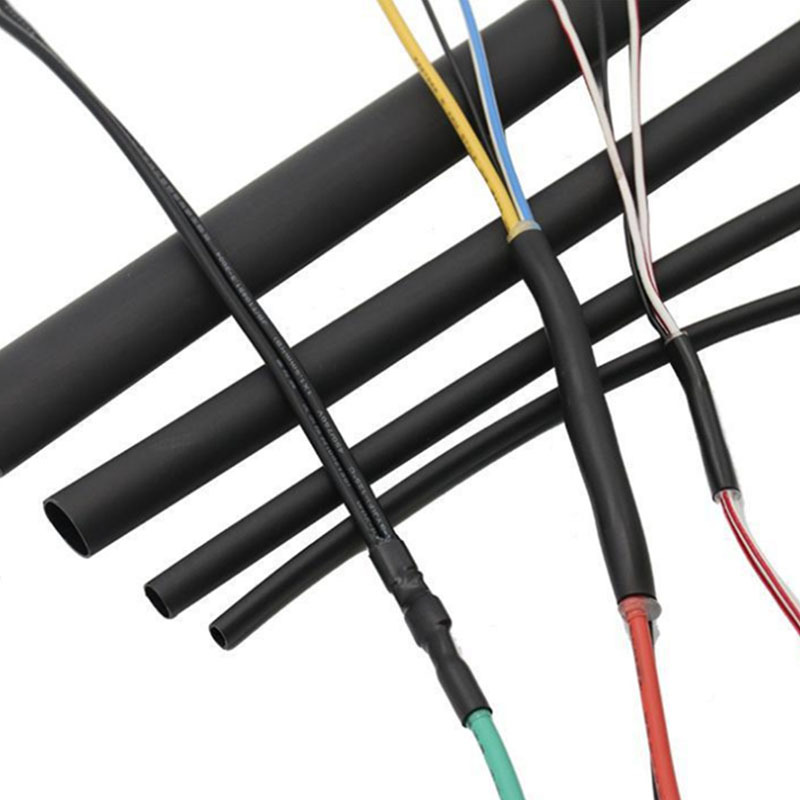
Selecting the right heat shrinkable tube for tight routing spaces requires understanding both the physical constraints of your installation environment and the protective requirements of your electrical connections. Tight routing spaces demand solutions that combine compact size with reliable cable protection and effective wire termination capabilities. Unlike general-purpose tubing, specialized products designed for confined areas must balance shrink ratio, wall thickness, and adhesive properties to deliver durability without compromising installation feasibility.
Navigating the selection process involves evaluating several critical factors specific to confined wiring applications. Whether you're working on automotive harnesses, aerospace assemblies, medical device wiring, or industrial machinery, the choice of tubing directly impacts installation speed, connection reliability, and long-term performance. This guide walks you through the essential criteria for choosing heat shrinkable tube solutions that fit your tight routing constraints while maintaining full cable protection standards.
Understanding Heat Shrinkable Tube Fundamentals
Core Properties and Performance Characteristics
Heat shrinkable tube operates through a straightforward principle: applying heat causes the material to contract around the conductor or assembly it covers. The shrink ratio, typically ranging from 2:1 to 4:1, determines how much the tube reduces in diameter when heated. For tight routing spaces, a lower shrink ratio often proves more practical because it requires less original tubing diameter, making placement easier in confined areas. Material composition, whether polyolefin, fluoropolymer, or elastomer-based, influences flexibility, chemical resistance, and temperature performance.
Why Dual Wall Construction Matters
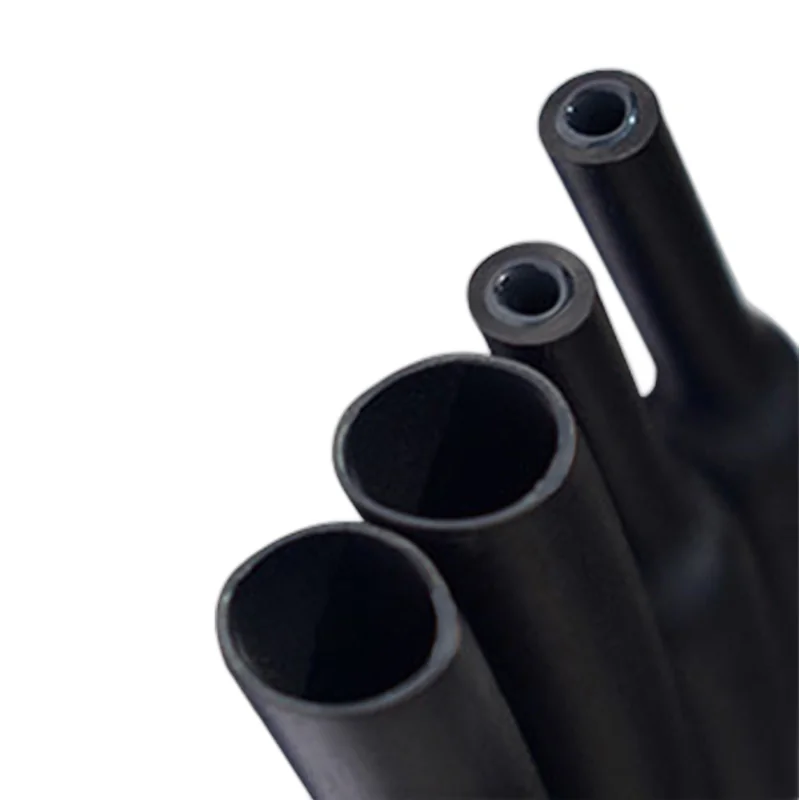
Dual wall heat shrinkable tube features an outer polyolefin layer combined with an inner adhesive or mastic layer. This construction provides superior cable protection by sealing moisture, chemicals, and contaminants away from wire terminations. The inner adhesive bonds directly to the conductor surface, creating a hermetic seal that single-wall tubing cannot achieve. For tight routing applications where environmental protection is critical, dual wall options deliver enhanced reliability and longer service life despite their slightly larger initial diameter.
Evaluating Space Constraints and Installation Requirements
Measuring Available Routing Space Accurately
Before selecting any heat shrinkable tube, measure the actual available space with precision. This includes the width, height, and depth of the routing channel or conduit. Mark any obstacles, mounting points, or other components that might interfere with tubing placement or heat shrinking. Many installation failures stem from underestimating space needs during the selection phase. Take multiple measurements at different points along the routing path because confined spaces often vary in cross-section. Document bend radius requirements, as excessive bending stresses can compromise cable protection and wire termination effectiveness.
Assessing Wire Bundle Diameter and Density
The combined diameter of conductors you need to cover directly determines the starting diameter of your heat shrinkable tube. Calculate this by measuring the actual bundle width across its widest point, accounting for insulation thickness. For tight routing scenarios, minimizing bundle diameter through careful wire management significantly improves feasibility. Consider whether parallel routing, staggered placement, or sequential attachment strategies could reduce the effective diameter requiring coverage. Some applications benefit from segmented cable protection rather than a single encompassing tube, allowing better space utilization in extremely confined areas.
Selecting the Right Product Specifications
Balancing Shrink Ratio and Installation Practicality
A 2:1 shrink ratio heat shrinkable tube requires tubing diameter roughly twice the target conductor diameter, while a 3:1 ratio requires approximately three times the diameter. In tight routing spaces, this distinction proves critical because it determines whether the tubing fits through available channels before heating. Lower shrink ratios reduce the initial tubing footprint, making navigation through confined areas simpler. However, verify that the lower ratio still provides adequate shrinkage to create a secure fit and maintain cable protection across the full contracted diameter range. Wire termination applications often specify minimum shrinkage requirements that constrain your ratio choices regardless of routing constraints.
Matching Temperature Ratings to Environmental Conditions
Heat shrinkable tube products are rated for specific maximum operating temperatures, commonly 105°C, 125°C, or 150°C depending on material and construction. Tight routing spaces often experience elevated temperatures because airflow is restricted, potentially creating localized heating around conductors. Select tubing rated for temperatures exceeding your actual maximum expected temperature by at least 20–25°C as a safety margin. Dual wall formulations frequently offer higher temperature ratings than single-wall alternatives due to their material composition, making them advantageous in thermally demanding tight routing scenarios.
Color Coding and Identification
In tight routing spaces where visual access is limited after installation, pre-selecting tubing in specific colors enables easier tracing and troubleshooting later. Black, red, blue, and other standard colors provide circuit identification and facilitate maintenance workflows. Confirm that your preferred color option is available in the shrink ratio, temperature rating, and wall construction you need. Some specialized applications require translucent or white tubing for circuit tracing despite tight space constraints, so verify this requirement early in your selection process.
Implementation Strategies for Confined Areas
Pre-Installation Positioning and Securing
Before applying heat, position the heat shrinkable tube carefully along the entire length of the conductors it will protect. Use temporary clips, tape, or alignment guides to prevent shifting during the heating process. In tight routing spaces, this preliminary positioning step becomes even more critical because there is minimal room for adjustment once heating begins. Some technicians find that securing the tubing at multiple points along its length prevents migration and ensures even heat shrinking throughout the protected cable protection zone. Test-fit the entire assembly before committing to final installation.
Controlled Heating Application
Heat guns or infrared equipment should apply temperature gradually and evenly across the tubing surface. In confined spaces, uneven heating can cause the tube to shrink unevenly, creating gaps that compromise cable protection and wire termination integrity. Move the heat source continuously along the tubing length rather than concentrating heat in one area. Tight routing scenarios often require more careful temperature control because overcrowding can trap heat and cause localized overheating. Allow the tubing to cool naturally after heating before moving or stressing the assembly.
Practical Considerations for Real-World Applications
Managing Adhesive Compatibility in Dual Wall Solutions
Dual wall heat shrinkable tube with adhesive lining requires careful attention to conductor surface cleanliness for optimal bonding. Oil, dirt, or oxidation on the wire surface prevents the inner adhesive from forming a reliable seal, reducing cable protection effectiveness. Clean conductors with appropriate solvents before tubing application, particularly in tight routing spaces where you cannot easily access the connection afterward for rework. Test adhesive bond strength on sample connections before large-scale production runs to verify your cleaning and heating protocols are adequate.
Avoiding Common Installation Pitfalls
Insufficient tubing length leads to exposed conductors at connection ends, creating cable protection gaps. Over-tight initial placement prevents adequate shrinking action, resulting in tubing that doesn't fully contract around the wire bundle. Thermal stress from repeated heating cycles in tight areas can degrade tubing material over time, reducing its service life and cable protection capability. Undersizing tubing diameter creates excessive compression forces during shrinking, potentially damaging sensitive conductors or wire termination points. Each of these errors becomes more consequential in confined routing spaces where remedial access is extremely limited.
FAQ
What shrink ratio works best for extremely tight routing spaces?
A 2:1 shrink ratio heat shrinkable tube generally provides the best compromise for extremely tight routing spaces, as it requires the smallest initial tubing diameter while still delivering adequate cable protection and wire termination seal. However, verify that your specific application requirements don't mandate a higher ratio for proper shrinkage and adhesive activation in dual wall products. Always measure your available space precisely before assuming any particular ratio will fit.
Can dual wall heat shrinkable tube be used in all tight routing applications?
Dual wall heat shrinkable tube provides superior cable protection and wire termination reliability, making it preferable for most applications, but its slightly larger starting diameter can be problematic in the most severely confined spaces. In extreme cases, single-wall tubing might be necessary to achieve physical fit, though this sacrifices the enhanced cable protection that dual wall construction provides. Evaluate whether segmented protection or alternative routing strategies could enable dual wall use despite space constraints.
How do I verify that my selected heat shrinkable tube will shrink properly in confined spaces?
Perform a pre-production trial by installing sample lengths of your selected heat shrinkable tube on test conductors matching your production wire bundle diameter, then document shrinkage uniformity and adhesive bond quality in dual wall products. Measure the final diameter after cooling to confirm it meets your target specifications for cable protection and wire termination requirements. Testing in your actual tight routing space environment, if possible, reveals any installation challenges before committing to full-scale production.
 EN