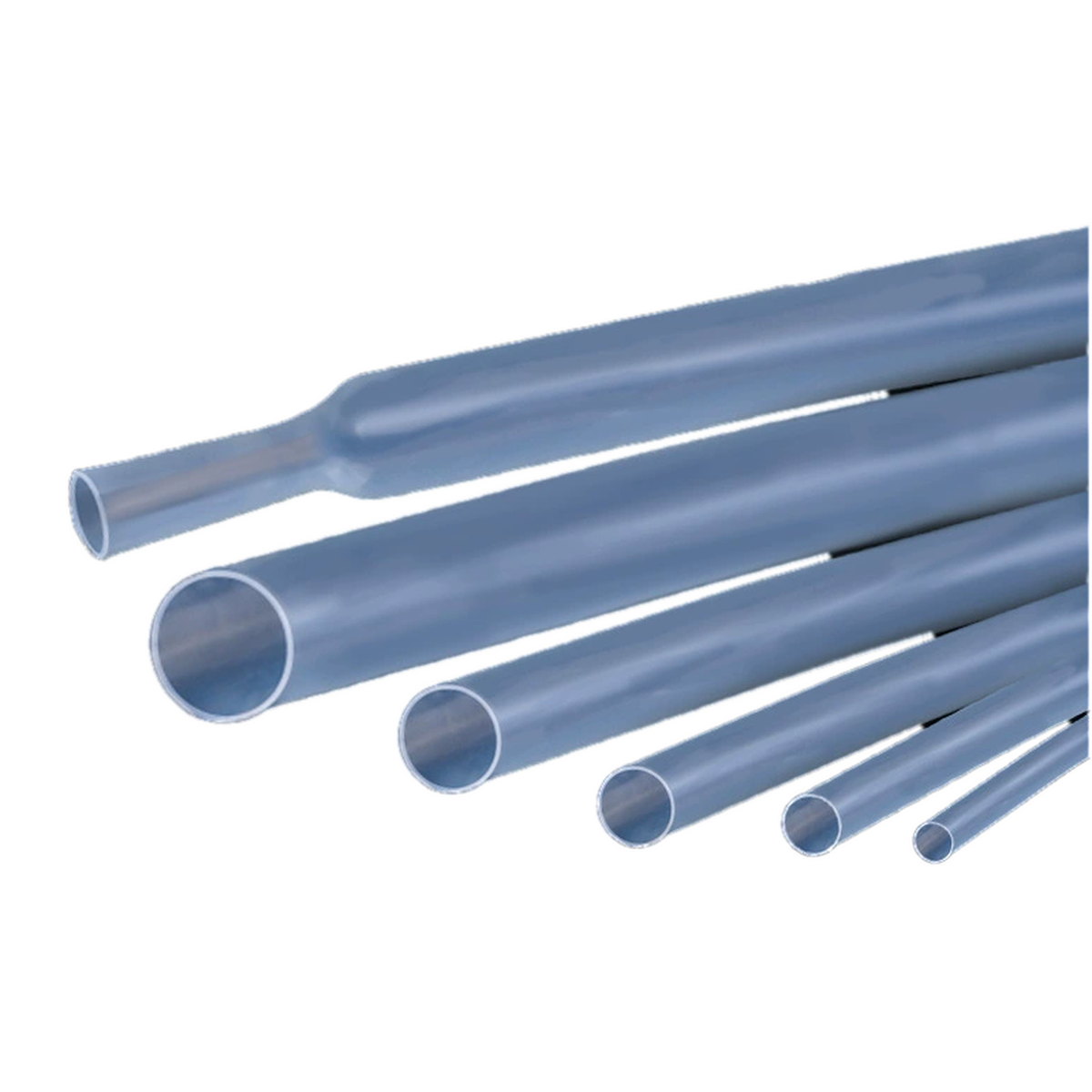
Selecting the right heat shrinkable tube for cable joints and terminations is critical to ensuring reliable electrical connections and long-term system performance. In industrial wiring applications, the choice between standard and dual wall heat shrinkable tube options directly impacts reliability, environmental protection, and maintenance costs. Understanding the technical requirements and application-specific factors helps engineers and technicians make informed decisions that prevent failures and extend asset lifespan.
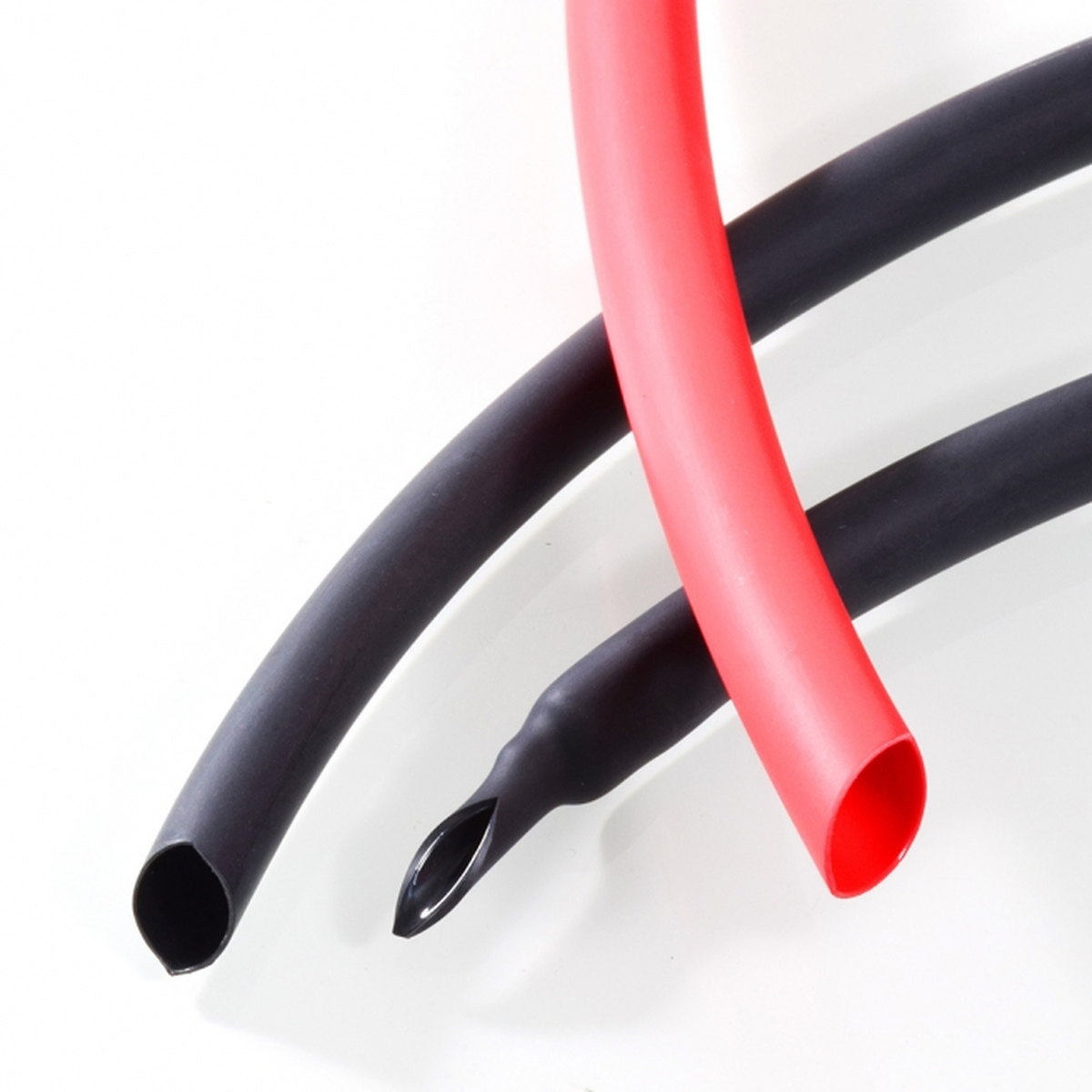
The market offers diverse heat shrinkable tube formulations, each designed for specific environmental conditions and electrical demands. Dual wall variants with internal adhesive linings provide superior moisture barrier properties compared to single-wall solutions, making them essential for harsh environments. Proper selection requires evaluating operating temperature ranges, chemical exposure, moisture levels, and the specific geometry of cable joints being protected to ensure compatibility and performance.
Understanding Heat Shrinkable Tube Types and Materials
Single-Wall Versus Dual Wall Construction
Single-wall heat shrinkable tube provides basic insulation and environmental protection through a uniform polymer layer that shrinks when heated to conform tightly around cable joints and terminations. This construction works well in dry, controlled environments where minimal moisture intrusion is expected. However, single-wall designs offer limited sealing against moisture and contaminants, making them unsuitable for submersed applications or high-humidity industrial wiring installations.
Dual wall heat shrinkable tube incorporates an outer polymer layer and an inner adhesive lining that melts during heating to create a complete hermetic seal around wire termination points. The adhesive inner layer fills micro-gaps between the tubing and the conductor surface, effectively blocking moisture and corrosive agents from reaching the electrical connection. This dual-layer design is especially valuable in marine, automotive, and industrial outdoor wiring applications where environmental protection directly correlates with system uptime and safety compliance.
Material Selection for Temperature and Chemical Resistance
Heat shrinkable tube materials typically include polyolefin, fluoropolymer, and silicone-based compounds, each offering distinct performance characteristics. Polyolefin remains the most economical choice for standard industrial wiring applications operating below 100°C, providing adequate insulation and shrink performance. For high-temperature cable joints and terminations in automotive engines or power distribution systems, fluoropolymer formulations deliver superior thermal stability and chemical resistance, though at increased material cost.
Chemical exposure in industrial environments demands careful material evaluation; polyolefin resists most common oils and solvents, while fluoropolymer excels against aggressive petroleum products and specialty chemicals. Silicone-based heat shrinkable tube offers flexibility and maintains performance at extreme cold temperatures, making it suitable for aerospace and arctic industrial wiring applications. Matching material composition to the specific environmental stressors ensures that the tube maintains mechanical integrity and electrical insulation properties throughout the service life of the cable joint.
Critical Selection Factors for Cable Joints and Terminations
Temperature Range and Shrink Ratio Requirements
Operating temperature defines the upper limit for heat shrinkable tube material selection, as excessive heat degrades polymer properties and compromises insulation integrity around cable joints. Specified shrink temperatures typically range from 120°C to 200°C depending on the formulation, while the material must safely handle continuous operating temperatures well below its upper thermal limit. For wire termination in high-current applications, selecting dual wall heat shrinkable tube with appropriate temperature ratings prevents adhesive degradation and maintains the hermetic seal during thermal cycling.
Shrink ratio, typically expressed as 2:1 or 3:1, indicates the degree of diameter reduction during heating and directly determines tubing size selection for your specific cable joint geometry. A 3:1 ratio shrink tube accommodates a wider range of conductor diameters within a single tubing size, offering flexibility in industrial wiring installations with variable cable gauges. However, excessive shrinking can create mechanical stress on termination points, so matching the shrink ratio to the actual conductor size ensures optimal performance and prevents damage to delicate wire connections.
Environmental and Moisture Considerations
Moisture ingress represents the primary failure mechanism in outdoor and submerged cable joints, particularly in salt-spray and high-humidity industrial wiring environments. Dual wall heat shrinkable tube with internal adhesive sealing virtually eliminates moisture infiltration at the critical interface where the tubing meets the wire termination, creating a barrier that standard single-wall tubes cannot match. Testing in accordance with IEC and UL standards confirms that properly applied dual wall tubing maintains dielectric strength and insulation resistance for decades, even in severe marine and coastal industrial applications.
The adhesive lining in dual wall heat shrinkable tube melts completely during heating, flowing into surface irregularities and micro-gaps that would otherwise trap moisture between the tubing and conductor surface. This self-healing property becomes increasingly valuable in cable joints exposed to thermal cycling, vibration, and mechanical stress, where micro-cracks in a seal can develop over time. For critical industrial wiring systems, the incremental cost of dual wall tubing is justified by the dramatic reduction in maintenance calls, unplanned downtime, and premature cable replacement.
Practical Application Guidelines for Optimal Performance
Sizing and Fit for Different Conductor Configurations
Accurate sizing of heat shrinkable tube ensures complete coverage of the cable joint while maintaining sufficient contact pressure after shrinking to secure the connection mechanically. Pre-shrink diameter should be approximately 20 to 40 percent larger than the maximum conductor diameter at the termination point to allow smooth installation while achieving full shrinkage. For spliced cables with uneven profiles, dual wall heat shrinkable tube with higher shrink ratios accommodates the irregular geometry more effectively than standard options, ensuring consistent sealing performance across the entire termination surface.
Overshoot length, typically extending 6 to 12 millimeters beyond the solder joint or crimp termination on each side, provides essential protection for the sensitive connection zone from environmental exposure and mechanical damage. In industrial wiring applications combining multiple conductors, selecting appropriately sized dual wall heat shrinkable tube prevents conductor movement during thermal cycling while accommodating installation tolerances. Proper fit fundamentally affects wire termination reliability, making pre-installation measurement and verification a critical quality control step.
Installation Procedures and Quality Verification
Proper application of heat shrinkable tube demands careful heating technique to activate shrinkage uniformly without charring the outer polymer layer or overheating the internal adhesive. Heat guns set to controlled temperatures between 150°C and 200°C work effectively for most applications, with careful movement to ensure even heat distribution across the tubing surface. For dual wall heat shrinkable tube, monitoring the adhesive flow from the tubing edges confirms that the internal lining has reached sufficient temperature to create the complete moisture seal at the cable joint interface.
Visual inspection after cooling identifies proper shrinkage, uniform contact, and adhesive extrusion, confirming that the termination is adequately protected by the heat shrinkable tube. Any gaps, wrinkles, or incomplete sealing warrants reapplication to ensure the termination meets performance specifications for industrial wiring systems. Resistance testing and visual inspection of sample cable joints in test environments validate that installation procedures produce consistent results and meet reliability requirements for production deployments.
FAQ
What is the primary advantage of dual wall heat shrinkable tube over single-wall designs for wire termination?
Dual wall heat shrinkable tube combines an outer polymer layer with an internal adhesive lining that melts during heating to create a hermetic seal blocking moisture and contaminants from reaching the electrical connection, whereas single-wall designs provide only basic environmental protection. This superior sealing capability makes dual wall tubing essential for cable joints exposed to moisture, salt spray, and harsh industrial environments where moisture ingress would otherwise cause corrosion and electrical failure.
How do I determine the correct shrink ratio and diameter for my specific cable application?
Select a heat shrinkable tube with pre-shrink diameter approximately 20 to 40 percent larger than the maximum conductor diameter at your termination point, and choose a shrink ratio that accommodates your cable gauge while providing full coverage of the joint area. For applications with variable conductor sizes, dual wall heat shrinkable tube with 3:1 shrink ratios offers flexibility across a wider range of diameters. Verify sizing by dry-fitting the tubing on the conductor before final installation to confirm proper coverage and secure contact after heating.
Can heat shrinkable tube be used in high-temperature industrial wiring applications above 100°C?
Yes, specialized heat shrinkable tube formulations using fluoropolymer and silicone materials maintain performance at continuous operating temperatures well above 100°C, with some dual wall options rated for sustained exposure at 130°C to 150°C. Selecting the appropriate material chemistry for your operating temperature range ensures that both the outer insulation and internal adhesive lining retain mechanical integrity and electrical properties throughout the service life of the cable joint, preventing seal degradation and maintaining long-term reliability in demanding industrial wiring systems.
 EN